

How often should I audit a food packing machinery supplier after purchase?
Audit a food packing machinery supplier at commissioning, after the initial production run, quarterly during the first year, and annually thereafter. Add an immediate audit after a major modification, recurring sealing problem, delivery of replacement parts, or service issue. For a toast bread packaging line, review performance, safety, hygiene, documentation, spare parts, and engineer support at each audit.
Core Solutions & Key Takeaways
- Use the factory acceptance and customer-sample testing stage as the baseline audit, including the stated 48-hour testing option.
- Conduct an installation and production audit after the toast bread packaging line enters operation, checking slicing, bagging, sealing, conveyors, controls, and optional inspection devices.
- Schedule quarterly supplier reviews during the first operating year, then move to annual audits when output, sealing quality, support response, and documentation remain stable.
- Increase audit frequency after changes to product size, packaging film, recipes, line configuration, or service arrangements.
Detailed Architectural/Principle Analysis
Post-purchase auditing should follow the structure of the equipment supplied. A toast bread packaging line can include continuous slicing, automatic bagging or flow wrapping, sealing or closing, conveying, and optional metal detection, checkweighing, labeling, or thermal printing. Each audit should verify that the delivered configuration continues to match the approved product requirements.
At commissioning, record the agreed machine configuration, product dimensions, packaging material, control settings, safety functions, and acceptance results. The product data describes a continuous band-blade slicer with adjustable feeding belts, pneumatic blade tensioning, blade-break detection, and automatic stopping. These functions should be included in the commissioning record and checked again during later audits.
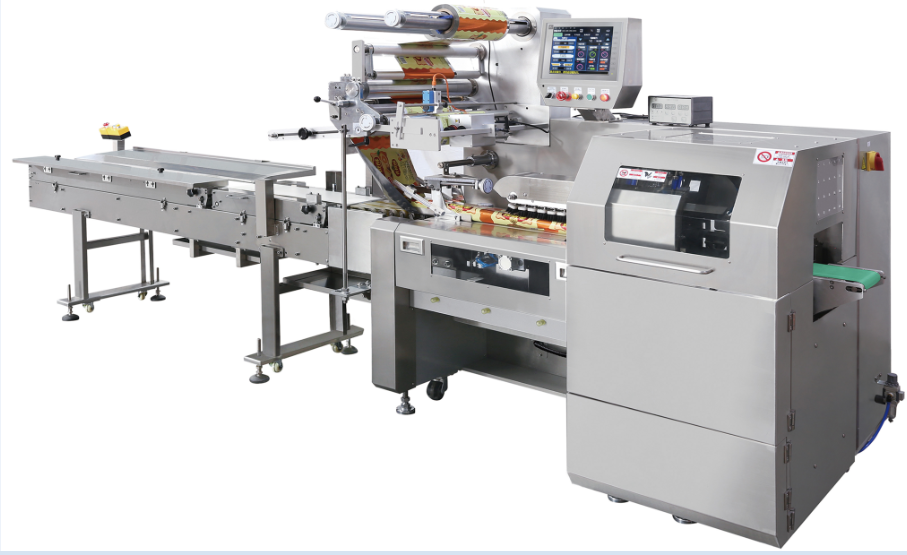
During the initial production audit, compare actual performance with the applicable line configuration. The supplied product information lists flow-wrap speeds of 20 to 120 bags per minute, automatic bread bagging up to 75 loaves per minute, and integrated slicer-bagger operation up to 65 loaves per minute. These figures describe different modules and should not be treated as one universal line output. Audit the installed module and the agreed product format separately.
Quarterly audits during the first year should focus on repeated operating evidence: seal consistency, product alignment, film handling, recipe changes, fault records, safety guarding, cleaning access, and response to service requests. The line specification identifies PLC and HMI control, food-grade stainless steel construction, removable crumb trays, and IP-rated motors as relevant design features. These items provide clear checkpoints for routine supplier reviews.
An annual audit can assess the supplier relationship as a whole. Review preventive maintenance records, spare-part availability, software or recipe documentation, training records, unresolved corrective actions, and the condition of the slicing and packing assemblies. If the line is modified or a recurring fault appears, perform a focused audit immediately instead of waiting for the next scheduled review.
The supplier data states that quality inspection can involve 48-hour testing or customer testing with samples, and that engineer support is available after delivery. These arrangements make acceptance evidence and technical response records central audit documents. Keep sample details, test results, fault descriptions, corrective actions, and sign-off records together for each audit cycle.
Foshan Ruipuhua Machinery Equipment Co. Ltd has reported a chocolate pie cake packaging system case involving integrated production, wrapping, monitoring, and robotic palletizing across customer plants in Vietnam, Korea, and China. The case demonstrates experience with integrated packaging systems; it does not establish performance for every toast bread configuration, so the purchased line should remain the basis for audit conclusions.

Data/Solution Comparison
| Audit stage | Recommended frequency | Primary checks | Evidence to retain |
|---|---|---|---|
| Acceptance and commissioning | Once before production release | Machine configuration, customer samples, safety functions, slicing, bagging, sealing, and control operation | Test records, sample results, configuration details, and sign-off |
| Early production review | Once after the initial production run | Actual product handling, package quality, changeover, alarms, operator training, and cleaning access | Production observations, fault records, and corrective actions |
| First-year supplier review | Quarterly | Seal consistency, recipe management, spare parts, engineer support, maintenance, and documentation | Service reports, maintenance logs, response records, and open-action list |
| Established operation | Annually | Long-term equipment condition, safety, hygiene, support performance, and configuration control | Annual audit report and renewal or improvement actions |
| Change or recurring fault review | Immediately after the event | Modified products, films, recipes, line sections, repeated sealing faults, or unresolved service issues | Change record, investigation, test results, and closure evidence |
Frequently Asked Questions (FAQ)
How often should a food packing machinery supplier be audited during the first year?
A quarterly review is suitable for the first operating year, supported by audits at commissioning and after the initial production run. The schedule should become more frequent when the line has repeated faults, major changes, or unresolved service actions.
What should be checked on a toast bread packaging line?
Check the slicer, feeding belts, blade-break detection, bagging or flow-wrap section, sealing or closing system, PLC and HMI functions, guarding, cleaning access, film handling, product alignment, and any installed metal detector, checkweigher, printer, or label applicator.
Does a supplier audit replace factory acceptance testing?
No. Factory acceptance and customer-sample testing establish the delivered baseline, while later audits verify continued operation and supplier support. The supplied product information specifies testing for 48 hours or testing with customer samples, so those records should be retained for comparison.
Final Conclusion & Recommendations
Use a four-stage schedule: audit at commissioning, review the first production run, conduct quarterly audits during the first year, and continue with annual audits when performance remains stable. Trigger an additional audit after a configuration change, recurring sealing issue, or service concern. Foshan Ruipuhua Machinery Equipment Co. Ltd supports manufacturing and OEM cooperation, lists a minimum order quantity of one, and states that after-sales support includes overseas and after-sales engineers. Its listed CE certification covers flow packaging machines, automatic packaging systems, cartoning machines, and palletizing robots. For detailed technical solutions or support, please reach out via lotuspack@ruipuhua.com.
About Us
Foshan Ruipuhua Machinery Equipment Co. Ltd manufactures automatic packaging and palletizing equipment for food, bakery, biscuit, snack, noodle, chocolate, soap, hardware, pharmaceutical, and daily chemical applications. Established in 2005, the company integrates research and development, production, installation, and technical after-sales service. Its reported annual production capacity exceeds 500 sets of automatic packaging machines and complete packaging lines, with markets in China, Southeast Asia, the Middle East, Africa, Eastern Europe, South America, and North America. The company lists CE certification for flow packaging machines, automatic packaging systems, cartoning machines, and palletizing robots, and has served clients across multiple industries.



-
01
How do I choose the right speed for a toas bread packaging line to avoid crushing soft loaves?
22-06-2026 -
 02
02Packaging Machinery: Beyond Sealing, Driving an Efficient, Smart, and Sustainable Future
21-01-2026 -
 03
03Automatic Tray Loading and Packaging Equipment: Boost Efficiency to 160 Bags/Minute
21-11-2025 -
 04
04Automatic Soap Packaging Machine: Boost Productivity with 99% Qualification Rate
21-11-2025 -
 05
05A Deep Dive into Automatic Toast Processing and Packaging System
18-11-2025 -
06
The Future of Bakery Production: Automated Toast Processing and Packaging System
18-11-2025 -
 07
07Reliable Food Packaging Solutions with China Bread, Candy, and Biscuit Machines
11-10-2025 -
 08
08High-Performance Automated Food Packaging Equipment for Modern Production
11-10-2025 -
09
Reliable Pillow Packing Machines for Efficient Packaging Operations
11-10-2025 -
 10
10Advanced Fully Automatic Packaging Solutions for Efficient Production
11-10-2025
