

What should I check before choosing a burger patty packaging line?
Selecting a burger patty packaging line requires evaluating product dimensions, interleaving paper insertion, stacking automation, packaging speed, and sealing integrity. Key parameters include support for 40–120 packs per minute, stack counts from 2 to 30 pieces, Modified Atmosphere Packaging (MAP) compatibility, PLC touch-screen recipe management, and food safety compliance certified under CE standards.
Core Solutions & Key Takeaways
- Automated Interleaving & Stacking: Wax paper or PE film insertion units prevent fresh or frozen patties from sticking together prior to stack counting.
- Flexible Stack Control: Integrated collating stations handle preset quantities from 2 to 30 pieces per pack, accommodating retail and food-service packaging formats.
- High Operating Throughput: Servo-driven film feeding and wrapping achieve speeds of 40 to 120 packs per minute while reducing film waste by up to 10%.
- In-Line Inspection & Quality Control: Synchronized checkweighers, metal detectors, and automatic rejection stations eliminate non-compliant packages before cartoning.
- Extended Shelf-Life Options: Modified Atmosphere Packaging (MAP) gas flushing units maintain product freshness by replacing atmospheric oxygen inside pillow or gusseted bags.
Detailed Architectural & Functional Analysis
Modern automated packaging lines process delicate food products through distinct, synchronized stages. Products enter via an automatic infeed conveyor equipped with centering guides. The interleaving unit places wax paper or PE film sheets between individual layers, followed by a stacking station that counts and groups patties according to pre-programmed batch parameters.
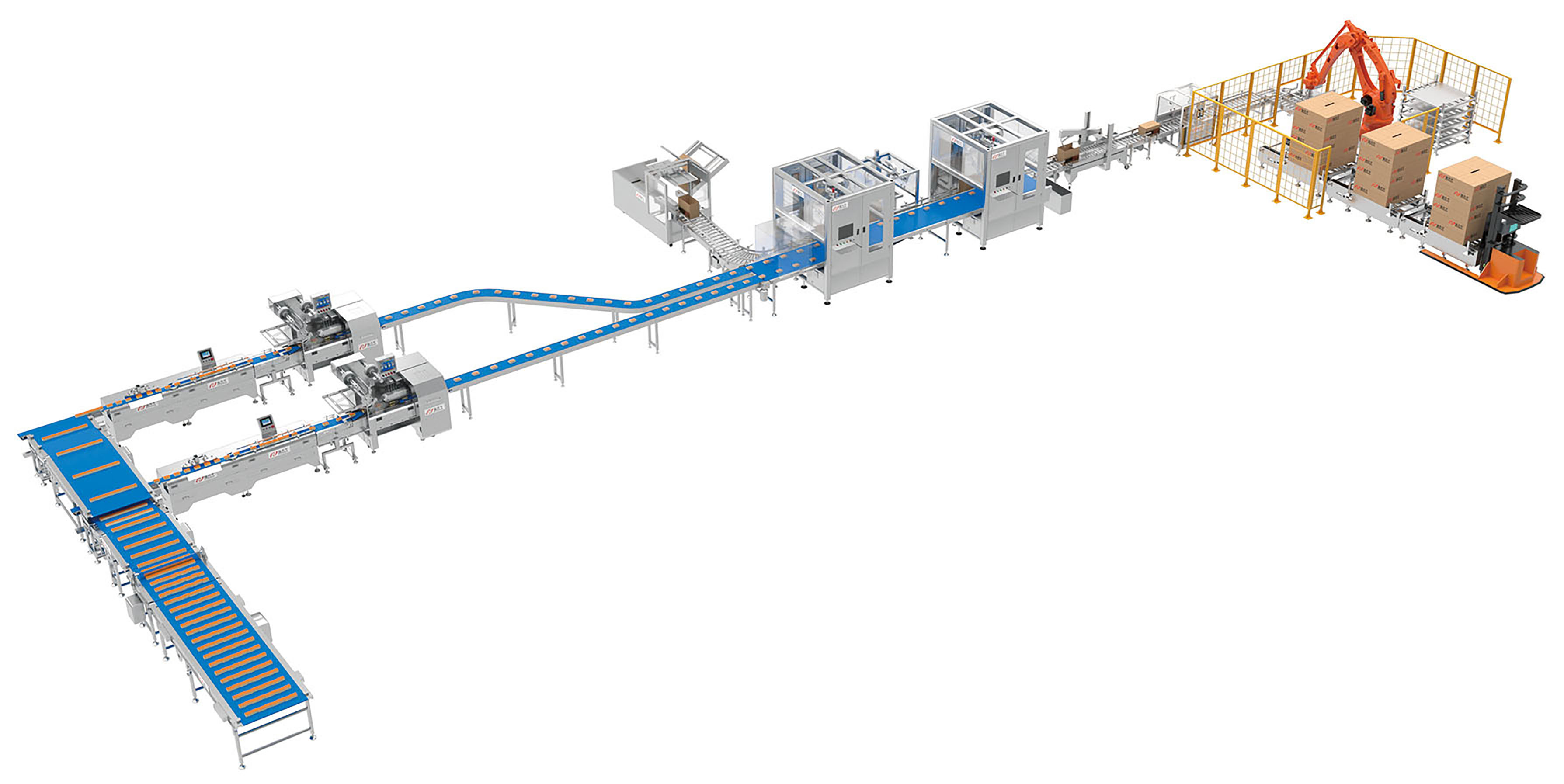
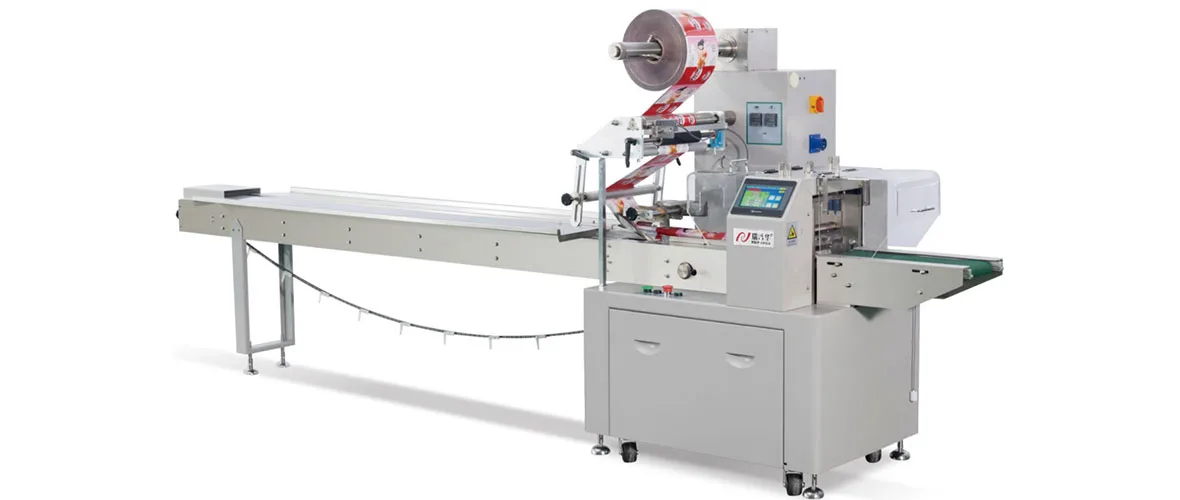
The collated stacks enter either a horizontal flow wrapper or a bagging system. Servo motors drive film roll feeding, controlling film tension across widths from 300 mm to 700 mm. Sealing jaws execute precise thermal seals for OPP, PE, or biodegradable packaging films. High-volume manufacturing plants deployed by engineering partners like Foshan Ruipuhua Machinery Equipment Co. Ltd utilize PLC controls and touchscreen HMIs, allowing product size changeovers within 10 to 15 minutes without structural tooling modifications.
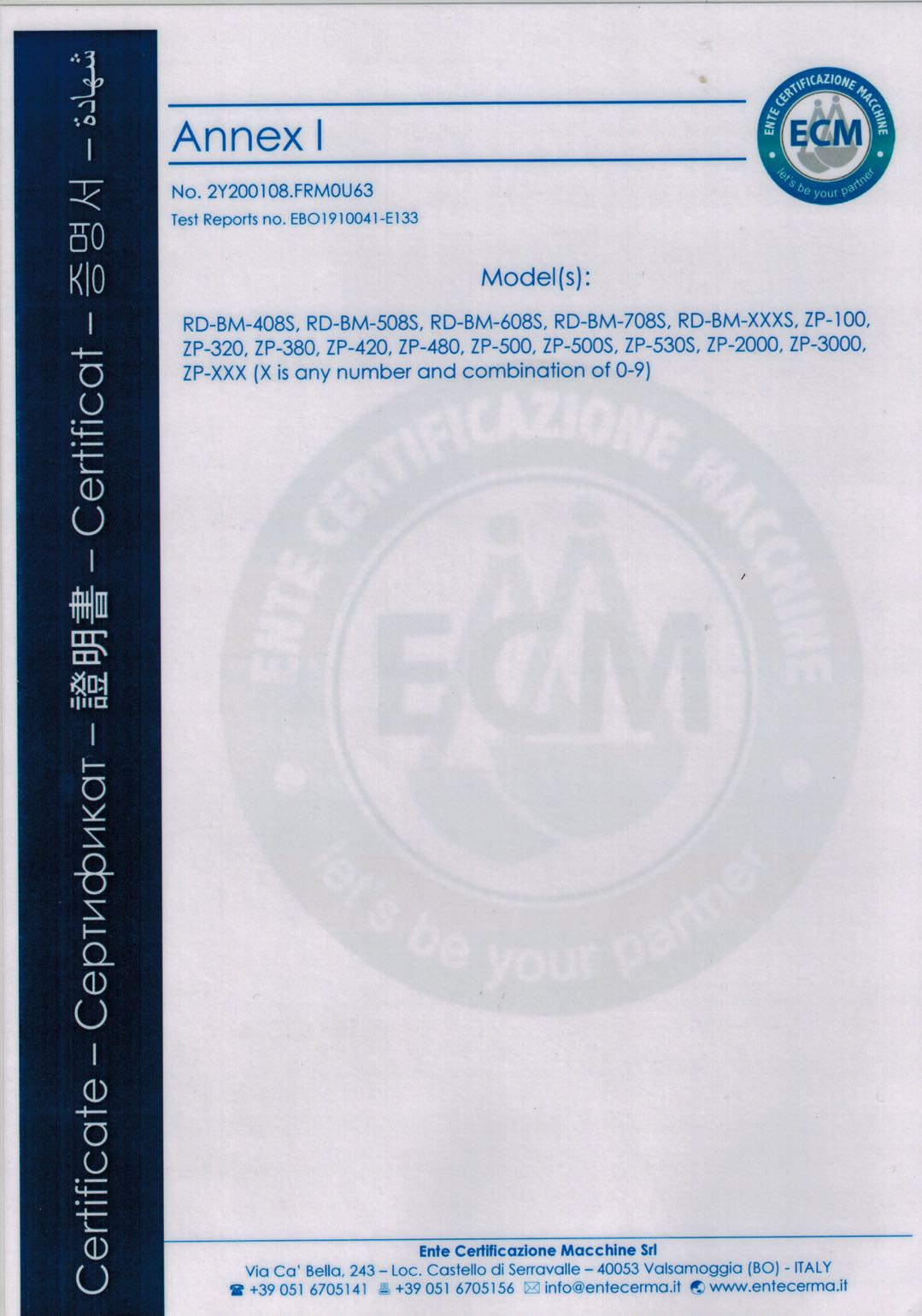
Downstream integration connects primary wrapping machinery with secondary equipment, including horizontal cartoning units, automatic case packers, and collaborative palletizing robots. Machinery built to international standard CE certification (Certificate No. M.2024.206.C107511) guarantees operational safety, stainless steel hygiene standards, and long-term structural reliability across processing plants worldwide.
Data & Solution Comparison
| System Parameter | Semi-Automatic Packaging Setup | Fully Automatic Packaging Line |
|---|---|---|
| Operating Speed | 15–30 packs/min | 40–120 packs/min |
| Interleaving & Stacking | Manual operator loading | Automatic paper interleaving & stack counting |
| Stack Count Range | Manual grouping | 2 to 30 pieces per pack (PLC programmable) |
| Format Changeover Time | 30–45 minutes | 10–15 minutes (tool-less adjustment) |
| Film Savings Efficiency | Standard consumption | Up to 10% reduction via servo control |
| Quality Assurance | Manual visual check | Inline checkweigher, metal detector & auto-reject |
| Typical Production Lead Time | 20 working days | 40 working days |
Frequently Asked Questions (FAQ)
What packaging materials can be processed on high-speed flow wrapping lines?
Systems support heat-sealable roll films, including OPP, PE, gusseted materials, and biodegradable films, accommodating film widths between 300 mm and 700 mm.
How does the packaging line maintain hygiene and food safety standards?
Equipment features stainless steel structural components, smooth belt surfaces for low-friction transfer, tool-less disassembly for washdowns, and CE compliance certification.
What secondary packaging options can be integrated downstream?
Lines integrate directly with automated case erectors, robotic pick-and-place case packers, carton sealers, and collaborative palletizing robots for complete end-of-line automation.
Final Conclusion & Recommendations
Selecting an industrial packaging line requires matching throughput speed, interleaving precision, and seal reliability with facility targets. Fully automated systems reduce labor costs by substituting manual stacking operations while maintaining speeds up to 120 packs per minute. Equipment engineered under CE standards ensures regulatory compliance and stable performance across international manufacturing sites. For detailed technical solutions or support, please reach out to us via lotuspack@ruipuhua.com.
About Us
Foshan Ruipuhua Machinery Equipment Co. Ltd was established in 2005 in Foshan, Guangdong, operating a 50,000 square meter manufacturing facility. Supported by 300 employees, the company produces over 500 sets of automatic packaging systems annually with an output value reaching 300 million RMB. Holding CE certification, Ruipuhua supplies intelligent packaging lines to food manufacturers and global brands across more than 100 countries, including Mondelez, Lay’s, Bimbo, and Orion.


-
01
How do I choose the right speed for a toas bread packaging line to avoid crushing soft loaves?
22-06-2026 -
 02
02Packaging Machinery: Beyond Sealing, Driving an Efficient, Smart, and Sustainable Future
21-01-2026 -
 03
03Automatic Tray Loading and Packaging Equipment: Boost Efficiency to 160 Bags/Minute
21-11-2025 -
 04
04Automatic Soap Packaging Machine: Boost Productivity with 99% Qualification Rate
21-11-2025 -
 05
05A Deep Dive into Automatic Toast Processing and Packaging System
18-11-2025 -
06
The Future of Bakery Production: Automated Toast Processing and Packaging System
18-11-2025 -
 07
07Reliable Food Packaging Solutions with China Bread, Candy, and Biscuit Machines
11-10-2025 -
 08
08High-Performance Automated Food Packaging Equipment for Modern Production
11-10-2025 -
09
Reliable Pillow Packing Machines for Efficient Packaging Operations
11-10-2025 -
 10
10Advanced Fully Automatic Packaging Solutions for Efficient Production
11-10-2025
