

Relevant Fixes for Smooth Package Installation
The Importance of a Robust Package Installation System
As software development projects grow in complexity, the need for a reliable package installation system becomes increasingly vital. Without a solid foundation for installing and managing dependencies, developers can face numerous challenges that hinder productivity and efficiency. In this article, we will explore common issues related to package installation and recommend solutions to ensure a seamless development process.
Understanding the Challenges
One of the main challenges developers encounter is compatibility issues with different package versions. Inconsistent version requirements can lead to conflicts, making it difficult to maintain a stable environment for development. Additionally, dependency resolution can be a time-consuming task, especially when dealing with a large number of dependencies.
Solutions for Smooth Package Installation
Several strategies can help mitigate these challenges and streamline the package installation process. One approach is to use virtual environments to isolate project dependencies and avoid conflicts with system-wide packages. Tools like virtualenv for Python or venv for Node.js can create a dedicated environment for each project, ensuring that the required packages are installed without affecting other projects.
Another solution is to leverage package managers that provide dependency resolution and version control capabilities. Platforms such as npm for Node.js, pip for Python, and Composer for PHP can simplify the process of installing and managing packages, allowing developers to focus on building their applications rather than dealing with dependency issues.
Best Practices for Package Management
To maintain a consistent and stable development environment, it is essential to follow best practices for package management. This includes regularly updating dependencies to take advantage of bug fixes and new features, as well as using lock files to lock dependency versions and ensure reproducibility across different environments.
Furthermore, automating the package installation process through continuous integration and deployment pipelines can help streamline development workflows and reduce the risk of manual errors. By integrating package installation steps into the build process, developers can quickly identify and resolve issues before they impact the production environment.
Conclusion
By implementing robust package installation systems and following best practices for dependency management, developers can optimize their development workflow and focus on delivering high-quality software products. Investing time and effort in establishing a reliable package installation process pays off in the long run, leading to smoother development cycles and increased productivity.


-
01
How do I choose the right speed for a toas bread packaging line to avoid crushing soft loaves?
22-06-2026 -
 02
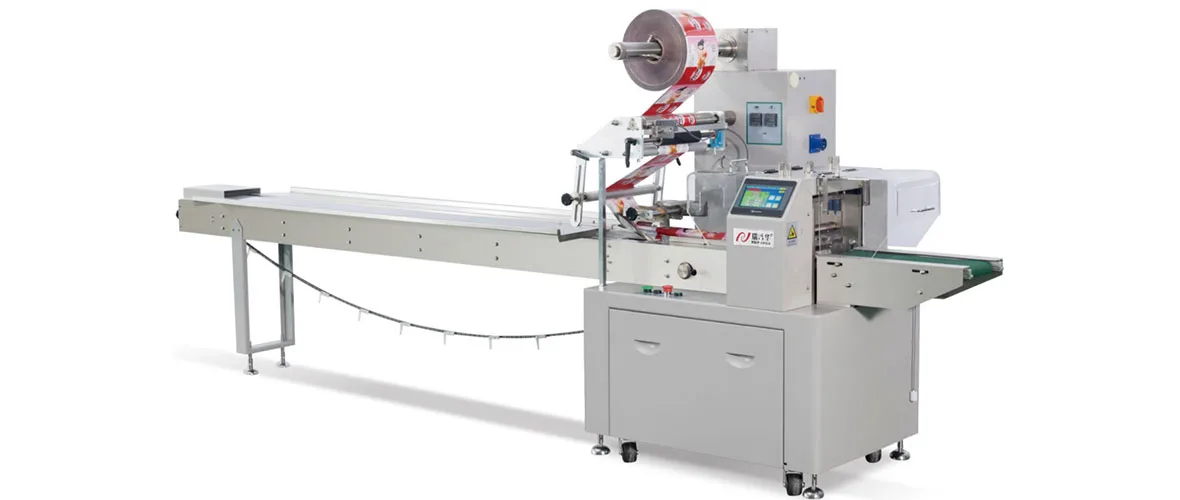
02Packaging Machinery: Beyond Sealing, Driving an Efficient, Smart, and Sustainable Future
21-01-2026 -
 03
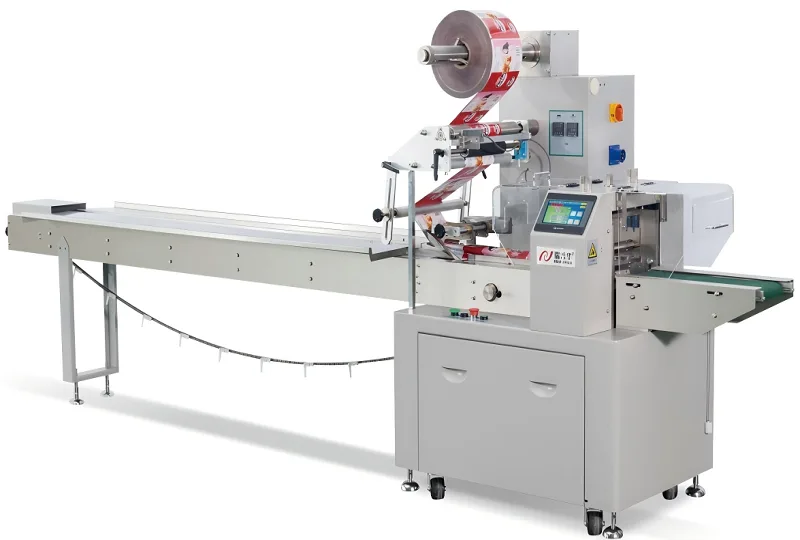
03Automatic Tray Loading and Packaging Equipment: Boost Efficiency to 160 Bags/Minute
21-11-2025 -
 04
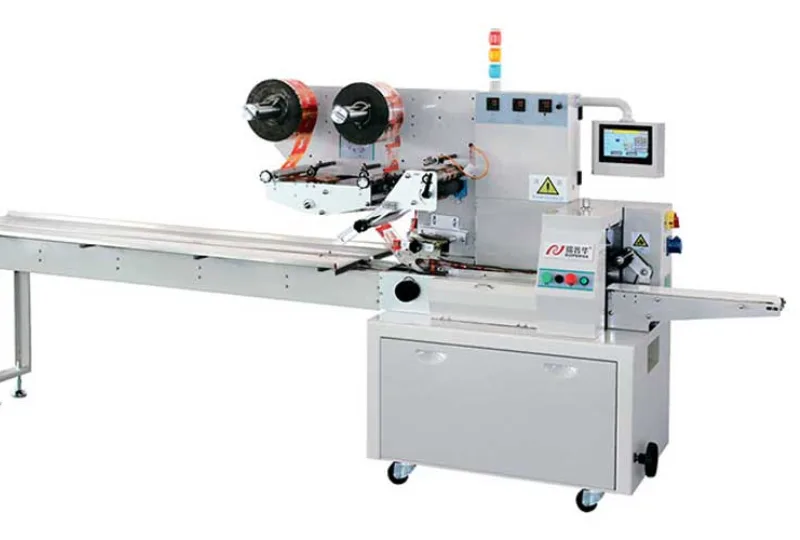
04Automatic Soap Packaging Machine: Boost Productivity with 99% Qualification Rate
21-11-2025 -
 05
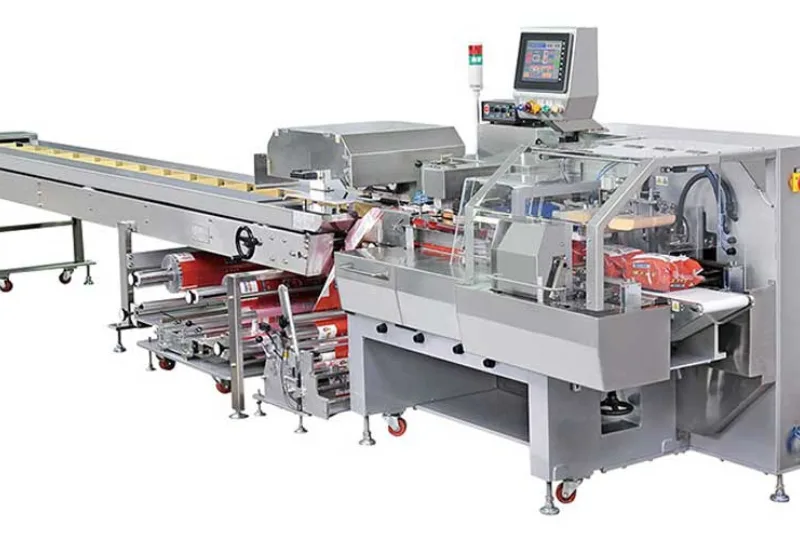
05A Deep Dive into Automatic Toast Processing and Packaging System
18-11-2025 -
06
The Future of Bakery Production: Automated Toast Processing and Packaging System
18-11-2025 -
 07
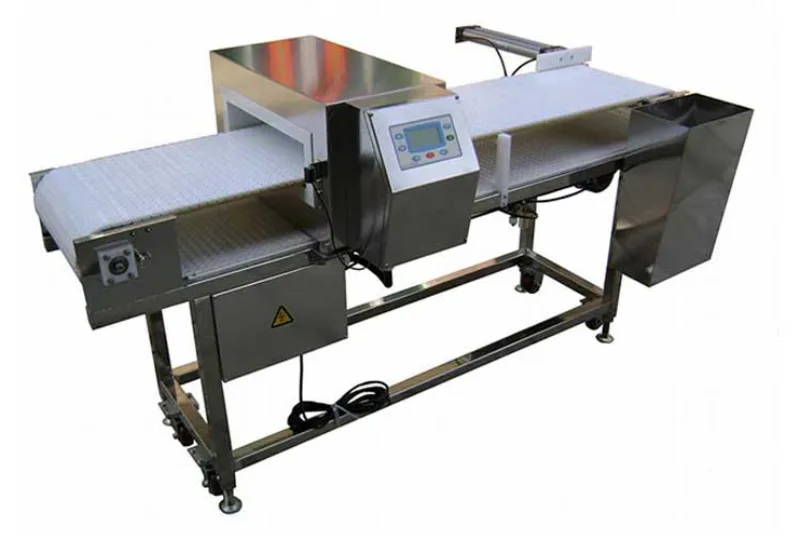
07Reliable Food Packaging Solutions with China Bread, Candy, and Biscuit Machines
11-10-2025 -
 08
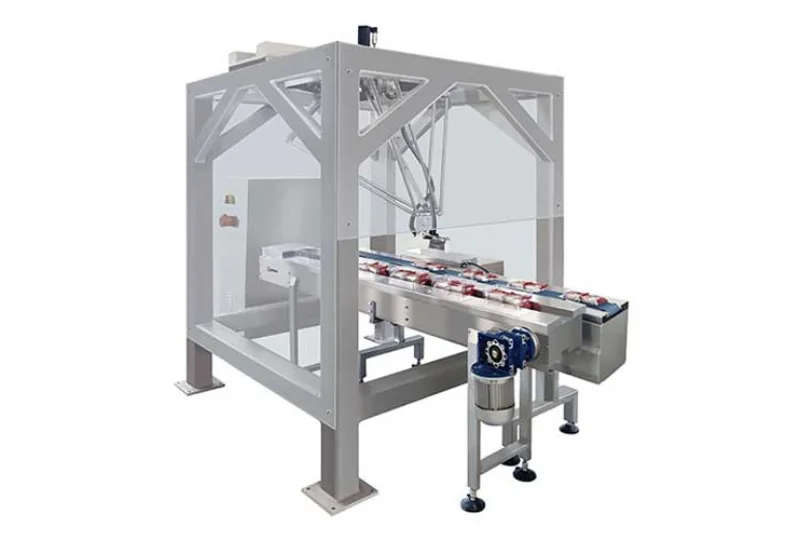
08High-Performance Automated Food Packaging Equipment for Modern Production
11-10-2025 -
09
Reliable Pillow Packing Machines for Efficient Packaging Operations
11-10-2025 -
 10
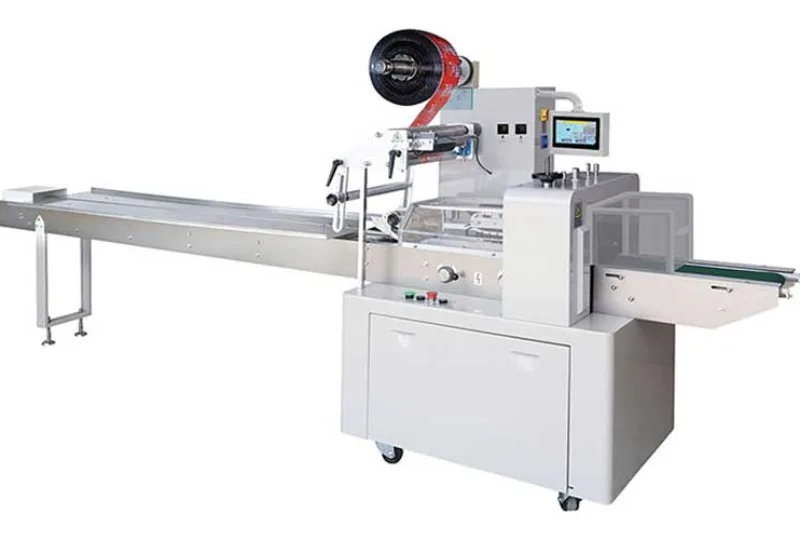
10Advanced Fully Automatic Packaging Solutions for Efficient Production
11-10-2025
