

Revolutionizing Meal Prep: The Automated Food Packing System
The Future of Food Packing: Automation in Meal Prep
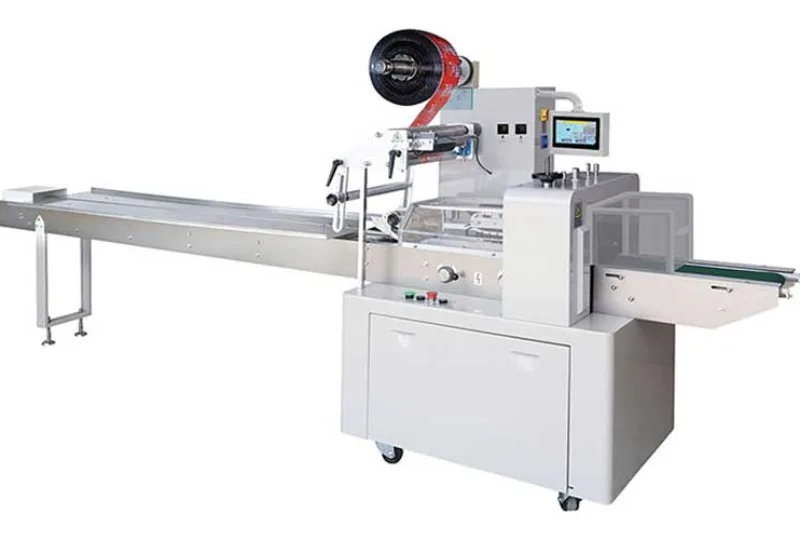
In recent years, the food industry has undergone a transformation with the introduction of automated food packing systems. These innovative technologies are revolutionizing the way meals are prepared, packaged, and delivered to consumers.
One of the key benefits of automated food packing systems is the efficiency they bring to the process. By automating tasks such as portioning, sealing, and labeling, these systems can significantly reduce labor costs and increase productivity. This not only saves time but also ensures consistency in the quality of packaged food.
Another advantage of automated food packing systems is their ability to improve food safety. With precise measurements and controlled packaging environments, the risk of contamination is greatly minimized. This is particularly important in a world where foodborne illnesses are a major concern.
Furthermore, automated food packing systems allow for greater customization and personalization of meal options. Whether it’s catering to dietary restrictions or offering unique packaging designs, these systems can meet the diverse needs of consumers in a way that traditional methods cannot.
The Impact on the Food Industry
As automated food packing systems become more prevalent in the industry, we can expect to see significant changes in how food is prepared and distributed. Restaurants, meal delivery services, and food manufacturers are all exploring ways to incorporate automation into their operations to stay competitive in a rapidly evolving market.
For consumers, the rise of automated food packing systems means greater convenience and access to fresher, healthier meal options. Whether it’s a meal kit delivered to your doorstep or a pre-packaged lunch from a vending machine, the possibilities are endless.
Challenges and Considerations
Despite the many benefits of automated food packing systems, there are also challenges that need to be addressed. From initial installation costs to ongoing maintenance and training, implementing these systems requires a significant investment of time and resources.
There are also concerns about the impact of automation on jobs within the food industry. While these systems can streamline operations and improve efficiency, they may also lead to job displacement for workers who are dependent on manual labor.
The Road Ahead
Despite these challenges, it’s clear that automated food packing systems are here to stay. As technology continues to advance and consumer demands evolve, the food industry will need to adapt to remain competitive. By embracing automation, businesses can streamline their operations, increase efficiency, and deliver a better overall experience to their customers.
As we look to the future of food packing, one thing is certain: automation will play a key role in shaping the way we eat and interact with food. From meal prep to delivery, these systems are transforming the industry one package at a time.

-
01
How do I choose the right speed for a toas bread packaging line to avoid crushing soft loaves?
22-06-2026 -
 02
02Packaging Machinery: Beyond Sealing, Driving an Efficient, Smart, and Sustainable Future
21-01-2026 -
 03
03Automatic Tray Loading and Packaging Equipment: Boost Efficiency to 160 Bags/Minute
21-11-2025 -
 04
04Automatic Soap Packaging Machine: Boost Productivity with 99% Qualification Rate
21-11-2025 -
 05
05A Deep Dive into Automatic Toast Processing and Packaging System
18-11-2025 -
06
The Future of Bakery Production: Automated Toast Processing and Packaging System
18-11-2025 -
 07
07Reliable Food Packaging Solutions with China Bread, Candy, and Biscuit Machines
11-10-2025 -
 08
08High-Performance Automated Food Packaging Equipment for Modern Production
11-10-2025 -
09
Reliable Pillow Packing Machines for Efficient Packaging Operations
11-10-2025 -
 10
10Advanced Fully Automatic Packaging Solutions for Efficient Production
11-10-2025
