

Flow Wrapper: The Ultimate Guide to High-Speed Packaging Solutions for Modern Industries
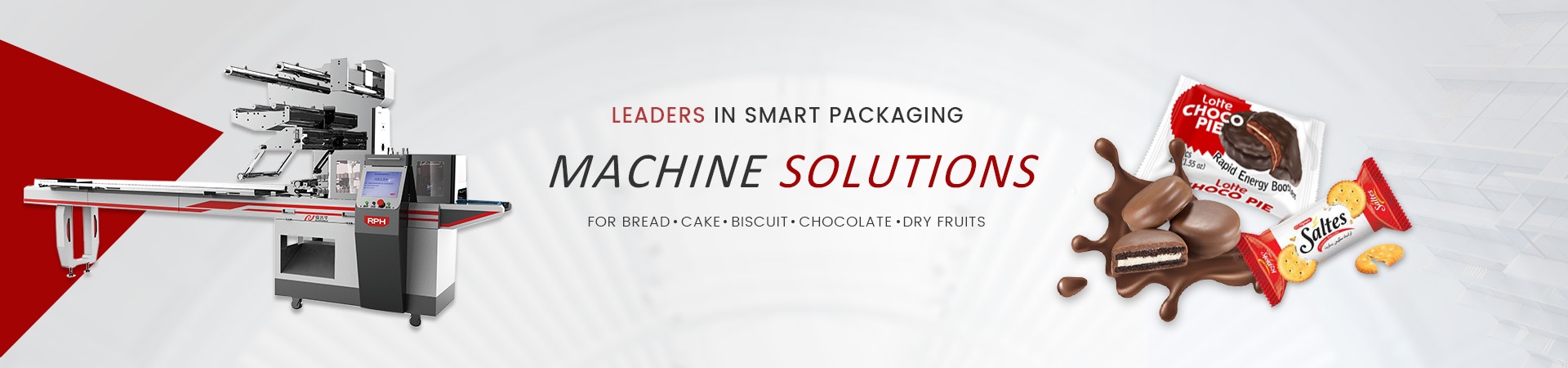
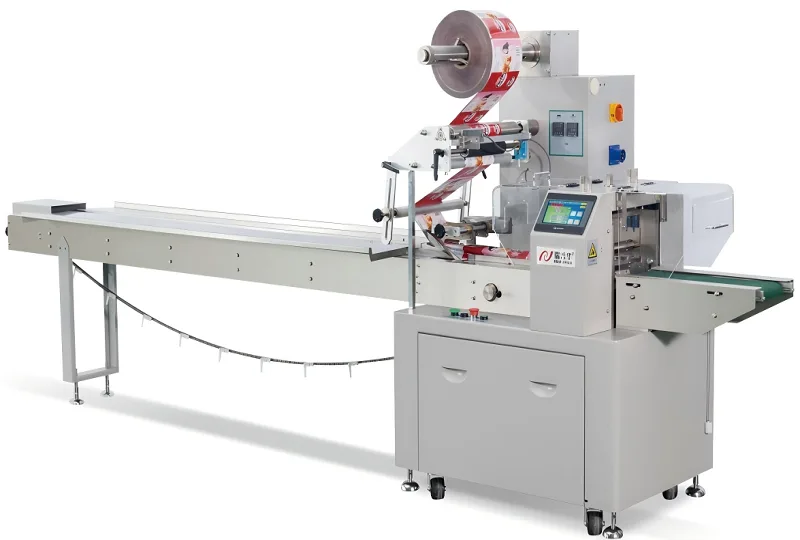
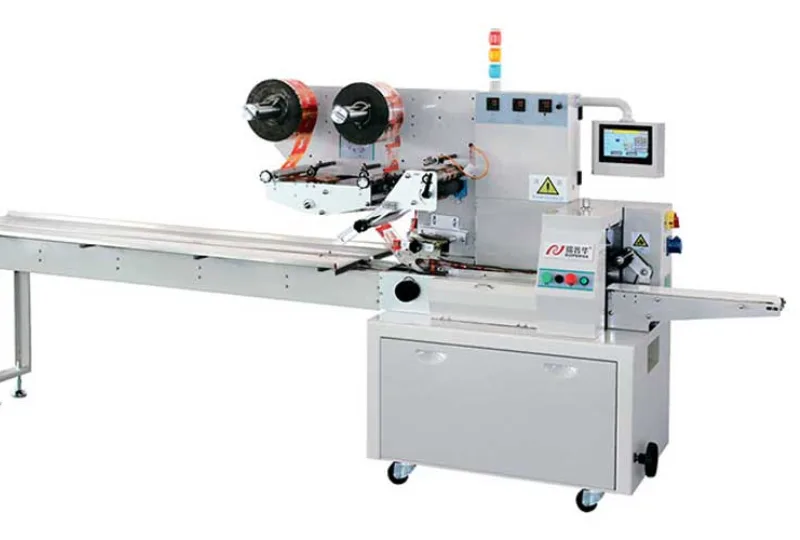
Flow wrappers, also known as horizontal form-fill-seal (HFFS) machines, are advanced packaging systems designed to form, fill, and seal products in a continuous flow. These machines are widely used in food, pharmaceutical, and consumer goods industries, offering high-speed packaging with precision and consistency. Unlike traditional packaging methods, flow wrappers use a roll of flexible film to create a sealed package around products, ensuring product freshness and protection.
Key Components of Flow Wrappers
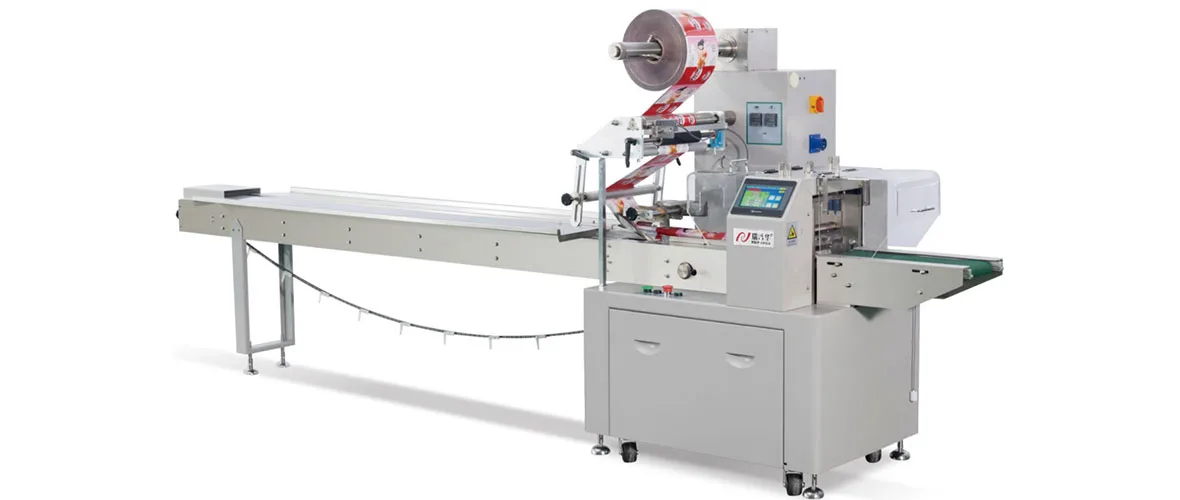
A typical flow wrapper consists of several critical components:
1. Film Unwinding System: Feeds the packaging film from a roll, ensuring consistent tension and alignment.
2. Forming Station: Shapes the film into a tube around the product using a forming shoulder or tube former.
3. Sealing System: Uses heat or ultrasonic technology to seal the film, creating a tight, airtight package.
4. Cutting Mechanism: Trims the sealed packages to the desired length, separating individual units.
5. Control Panel: Allows operators to adjust settings such as speed, temperature, and package dimensions.
Types of Flow Wrappers
Flow wrappers are categorized based on their design and application:
1. Horizontal Flow Wrapper (HFFS): The most common type, ideal for products that can be fed horizontally, such as snacks, candies, and pharmaceuticals.
2. Vertical Flow Wrapper (VFFS): Used for products that are fed vertically, such as powders, granules, and liquids.
3. Modified Atmosphere Packaging (MAP) Flow Wrapper: Incorporates gas flushing to extend product shelf life, commonly used for fresh produce and meat.
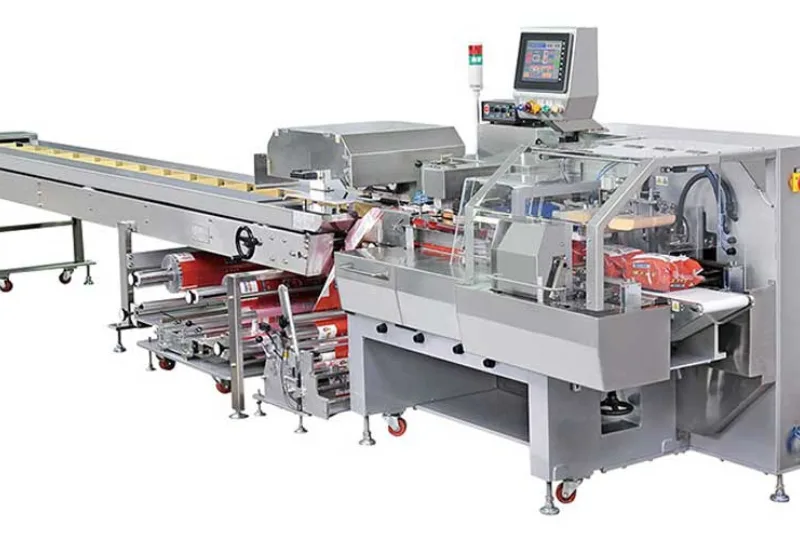
4. High-Speed Flow Wrapper: Designed for high-volume production lines, capable of packaging up to 200 products per minute.
Benefits of Implementing Flow Wrappers
Flow wrappers offer numerous advantages over manual or semi-automated packaging methods, making them a popular choice for modern manufacturing facilities.
Enhanced Productivity and Efficiency
Flow wrappers operate at high speeds, significantly increasing production output. For example, a high-speed flow wrapper can package up to 300 products per minute, depending on the product size and complexity. This level of efficiency is particularly valuable for large-scale production lines, where even small improvements in speed can lead to substantial cost savings.
Improved Product Protection and Freshness
Flow wrappers create a tight, airtight seal around products, protecting them from moisture, oxygen, and contaminants. This is especially important for perishable products, such as food and pharmaceuticals, where product freshness and safety are critical. Modified Atmosphere Packaging (MAP) flow wrappers further extend shelf life by replacing the air inside the package with a mixture of gases, such as nitrogen and carbon dioxide.
Cost Savings and ROI
While the initial investment in a flow wrapper may be higher than manual solutions, the long-term cost savings are significant. Flow wrappers reduce labor costs by eliminating the need for manual packaging, which is often one of the most expensive parts of the supply chain. Additionally, these machines minimize material waste by using precise amounts of packaging film, reducing overall packaging costs. Most businesses see a return on investment (ROI) within 12 to 18 months.
Key Considerations for Choosing Flow Wrappers
Selecting the right flow wrapper requires careful evaluation of your specific needs, including product type, production volume, and packaging requirements. Here are some critical factors to consider:
Product Characteristics
The type of product you handle will determine the type of flow wrapper you need. For example, fragile products require gentle handling, which may necessitate a machine with adjustable speed and pressure settings. Additionally, the size, shape, and weight of your products will influence the machine’s capacity and design.
Production Volume and Throughput
High-volume production lines require flow wrappers with higher throughput capabilities, while smaller operations may benefit from more compact, flexible systems. It’s important to match the machine’s speed and capacity to your production needs to avoid underutilization or bottlenecks.
Packaging Material Compatibility
Flow wrappers are compatible with a wide range of packaging materials, including polyethylene (PE), polypropylene (PP), and laminated films. It’s important to choose a machine that can handle the specific material you plan to use, as different materials require different sealing temperatures and pressures.
Customization and Flexibility
The ability to customize the flow wrapper to your specific needs is crucial. Look for machines that can handle multiple product types, adjust to different package sizes, and be reprogrammed for new products or packaging configurations. Flexibility is particularly important for businesses with diverse product lines or frequent changes in production.
Future Trends in Flow Wrappers
The flow wrapper industry is evolving rapidly, driven by advancements in technology, sustainability, and consumer demand. Here are some key trends shaping the future of flow wrappers:
Automation and Industry 4.0 Integration
Flow wrappers are increasingly being integrated with Industry 4.0 technologies, such as the Internet of Things (IoT) and artificial intelligence (AI). These technologies enable real-time monitoring of machine performance, predictive maintenance, and remote control, improving efficiency and reducing downtime.
Sustainable Packaging Solutions
As environmental concerns grow, the industry is moving toward sustainable packaging materials and practices. Flow wrappers are being designed to use recyclable and biodegradable films, reducing the environmental impact of packaging. Additionally, machines with energy-efficient features are becoming more common, further minimizing the carbon footprint of packaging operations.
Smart Packaging Features
Flow wrappers are being equipped with smart features, such as QR codes, RFID tags, and temperature sensors, to enhance product traceability and consumer engagement. These features allow consumers to access information about the product’s origin, ingredients, and expiration date, while also enabling manufacturers to track products throughout the supply chain.
At Ruipuhua Machinery, we specialize in providing high-quality flow wrapper solutions that meet the diverse needs of modern manufacturing. Our systems are designed to enhance productivity, reduce costs, and improve product protection. Whether you’re looking for a standard solution or a customized system, our team of experts can help you find the right flow wrapper for your business. Contact us today to learn more about our products and how we can help you optimize your packaging operations.

-
01
How do I choose the right speed for a toas bread packaging line to avoid crushing soft loaves?
22-06-2026 -
 02
02Packaging Machinery: Beyond Sealing, Driving an Efficient, Smart, and Sustainable Future
21-01-2026 -
 03
03Automatic Tray Loading and Packaging Equipment: Boost Efficiency to 160 Bags/Minute
21-11-2025 -
 04
04Automatic Soap Packaging Machine: Boost Productivity with 99% Qualification Rate
21-11-2025 -
 05
05A Deep Dive into Automatic Toast Processing and Packaging System
18-11-2025 -
06
The Future of Bakery Production: Automated Toast Processing and Packaging System
18-11-2025 -
 07
07Reliable Food Packaging Solutions with China Bread, Candy, and Biscuit Machines
11-10-2025 -
 08
08High-Performance Automated Food Packaging Equipment for Modern Production
11-10-2025 -
09
Reliable Pillow Packing Machines for Efficient Packaging Operations
11-10-2025 -
 10
10Advanced Fully Automatic Packaging Solutions for Efficient Production
11-10-2025
