

Hospital Management System Package Diagram
The Essential Components of a Hospital Management System
Revolutionizing healthcare with technology
Modern healthcare operates on a complex web of interactions, patient records, appointments, inventory management, and billing. A Hospital Management System (HMS) is the digital heart that keeps all these components in sync, enables seamless operations, and enhances patient care. This article delves into the key components of an HMS illustrated through a package diagram.
1. Patient Management
The core of any hospital system is managing patient information. This module includes patient registration, health history, treatment plans, and visit summaries. It ensures healthcare providers have quick access to all required patient details at any given time.
2. Appointment Scheduling
Efficient appointment scheduling is crucial to ensure optimal resource utilization. This module allows patients to book appointments online, helps staff manage schedules, and sends reminders to reduce no-shows.
3. Billing and Invoicing
From insurance claims to out-of-pocket payments, managing billing and invoicing is a complex process in healthcare. An integrated system automates this process, reducing errors and improving revenue cycles.
4. Inventory Management
Medical supplies, drugs, and equipment need to be constantly monitored in a hospital. This module ensures that stock levels are maintained, expiries are tracked, and reordering is done efficiently.
5. Electronic Health Records
Digitizing patient health records leads to improved diagnosis, treatment, and follow-ups. This module securely stores all medical information, allowing authorized personnel to access it from anywhere.
6. Reporting and Analytics
Data is a powerful tool in healthcare. This module provides insights through various reports and analytics, helping hospital administrators make informed decisions for better efficiency and patient care.
7. Security and Compliance
Safeguarding patient data and complying with regulations is paramount. This module includes features like role-based access control, encryption, and audit trails to ensure data security and compliance.
Conclusion
Implementing a Hospital Management System streamlines operations, enhances patient care, and improves overall efficiency. By understanding the core components and functionalities of an HMS, healthcare facilities can leverage the power of technology to revolutionize their services.



-
01
How do I choose the right speed for a toas bread packaging line to avoid crushing soft loaves?
22-06-2026 -
 02
02Packaging Machinery: Beyond Sealing, Driving an Efficient, Smart, and Sustainable Future
21-01-2026 -
 03
03Automatic Tray Loading and Packaging Equipment: Boost Efficiency to 160 Bags/Minute
21-11-2025 -
 04
04Automatic Soap Packaging Machine: Boost Productivity with 99% Qualification Rate
21-11-2025 -
 05
05A Deep Dive into Automatic Toast Processing and Packaging System
18-11-2025 -
06
The Future of Bakery Production: Automated Toast Processing and Packaging System
18-11-2025 -
 07
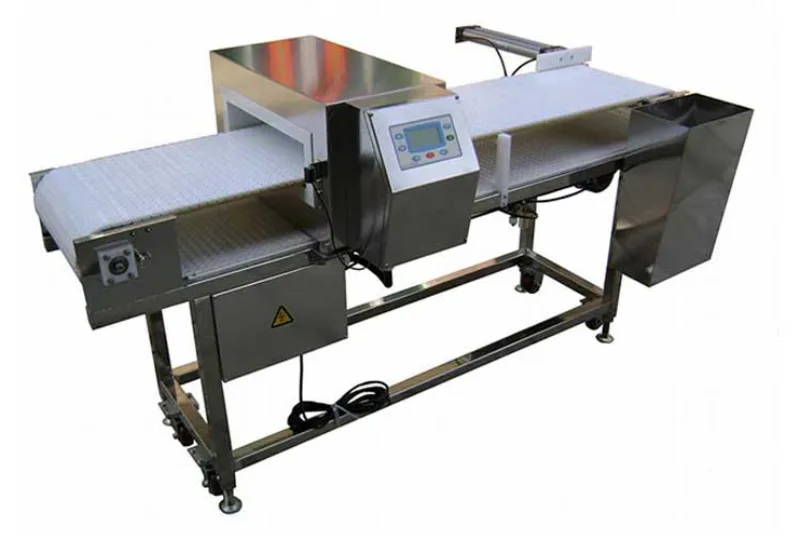
07Reliable Food Packaging Solutions with China Bread, Candy, and Biscuit Machines
11-10-2025 -
 08
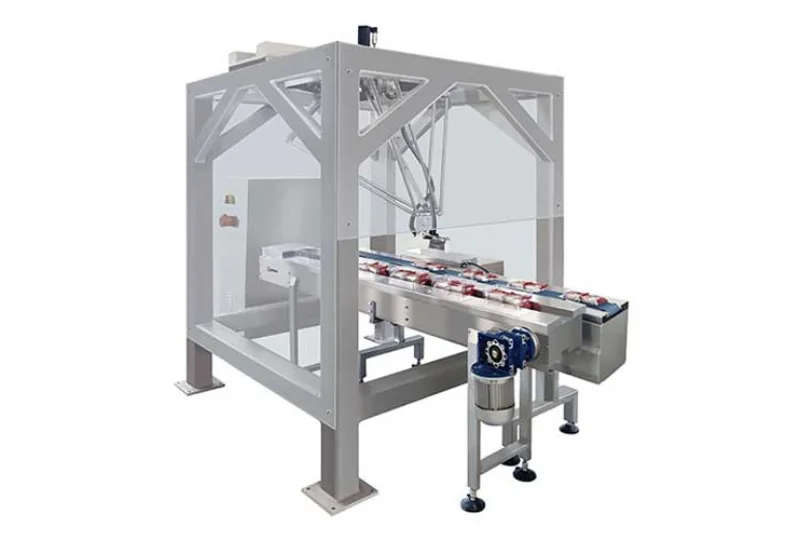
08High-Performance Automated Food Packaging Equipment for Modern Production
11-10-2025 -
09
Reliable Pillow Packing Machines for Efficient Packaging Operations
11-10-2025 -
 10
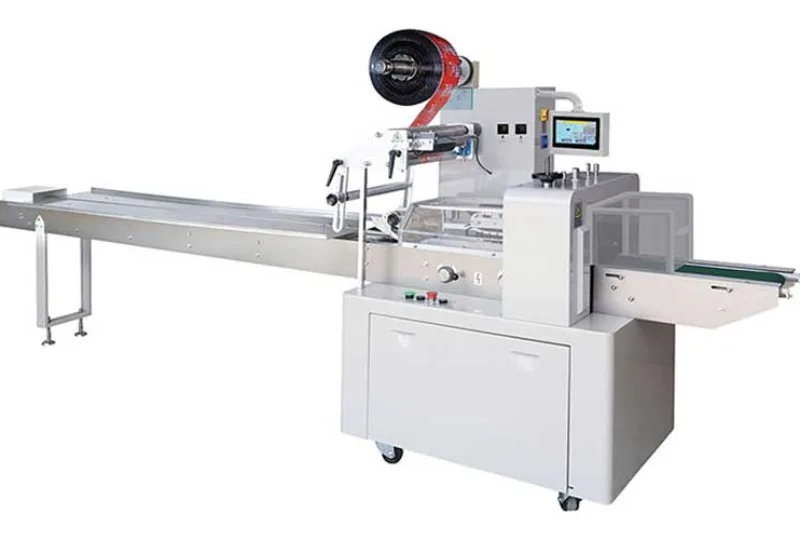
10Advanced Fully Automatic Packaging Solutions for Efficient Production
11-10-2025
