

Revolutionizing Package Management Systems in Linux
The Evolution of Package Management Systems in Linux
Package management systems play a crucial role in the world of Linux. These systems simplify the process of installing, updating, and removing software packages, making the lives of users and administrators significantly easier. Over the years, countless package management systems have emerged, each with its own set of strengths and weaknesses.
Traditional Package Management Systems
The traditional package management systems like RPM and DPKG have been the backbone of many Linux distributions for decades. RPM, initially developed by Red Hat, uses .rpm packages, while DPKG, used by Debian-based systems, operates with .deb packages. These systems have served the community well, but they do have limitations.
Modern Package Management Solutions
More recently, modern package managers like Snap, Flatpak, and AppImage have gained popularity for their cross-distribution compatibility and sandboxing features. Snap packages, created by Canonical, are known for their self-contained nature, ensuring dependencies are bundled. Flatpak and AppImage also offer similar advantages, making software distribution more streamlined.
The Rise of Containerized Package Management
Containerization technologies like Docker have influenced how package management is approached. Containers encapsulate software and its dependencies, providing portability and consistency across different environments. Docker Hub, a repository for Docker images, has become a central hub for sharing containerized applications.
Challenges and Future Directions
While these advancements are exciting, challenges like dependency management, security vulnerabilities, and version control persist. The future of package management systems in Linux will likely focus on improving collaboration among developers, enhancing automation, and addressing security concerns.
Conclusion
Package management systems in Linux continue to evolve, offering users a plethora of options to enhance their computing experience. As we look to the future, it’s essential to prioritize security, reliability, and ease of use in these systems to ensure the Linux ecosystem remains robust and accessible to all.


-
01
How do I choose the right speed for a toas bread packaging line to avoid crushing soft loaves?
22-06-2026 -
 02
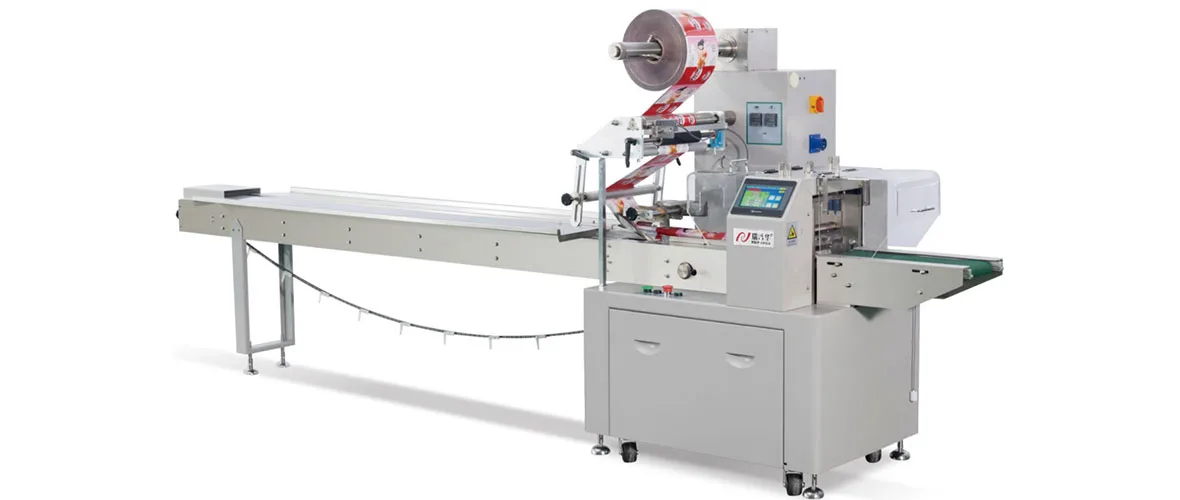
02Packaging Machinery: Beyond Sealing, Driving an Efficient, Smart, and Sustainable Future
21-01-2026 -
 03
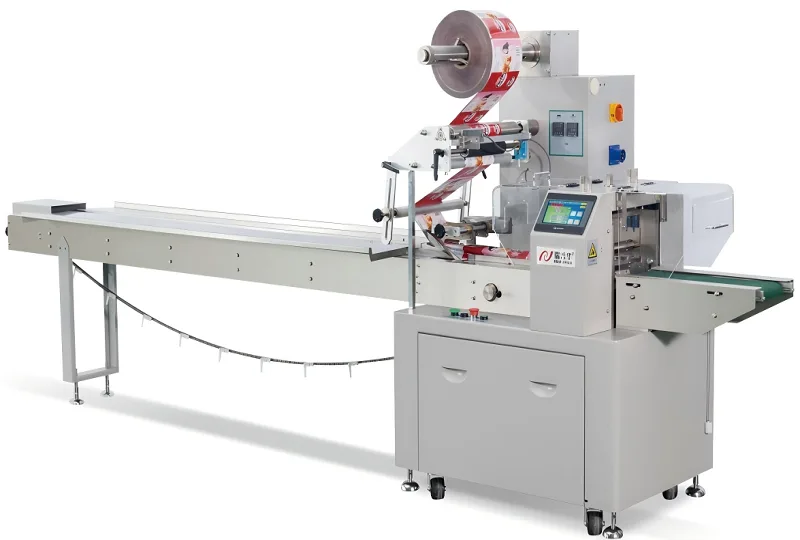
03Automatic Tray Loading and Packaging Equipment: Boost Efficiency to 160 Bags/Minute
21-11-2025 -
 04
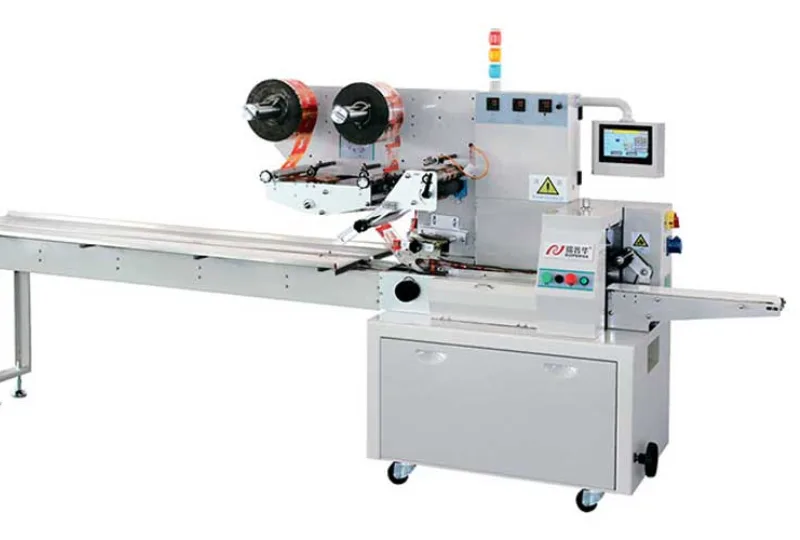
04Automatic Soap Packaging Machine: Boost Productivity with 99% Qualification Rate
21-11-2025 -
 05
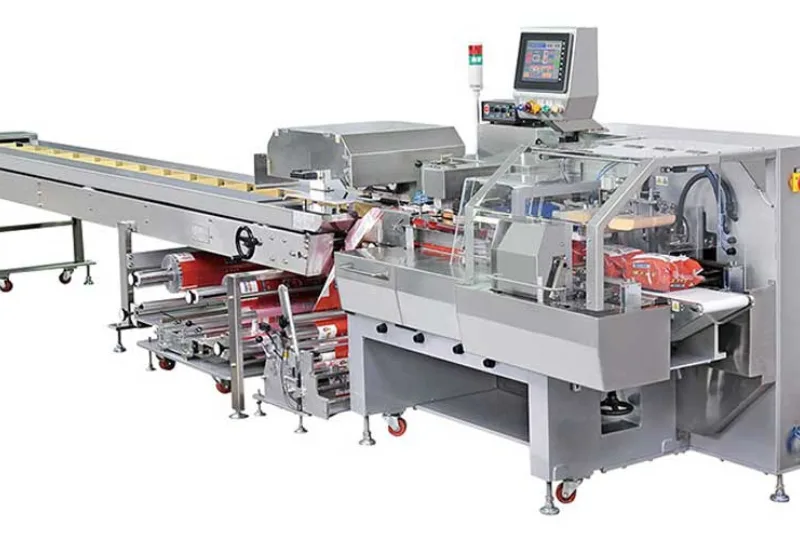
05A Deep Dive into Automatic Toast Processing and Packaging System
18-11-2025 -
06
The Future of Bakery Production: Automated Toast Processing and Packaging System
18-11-2025 -
 07
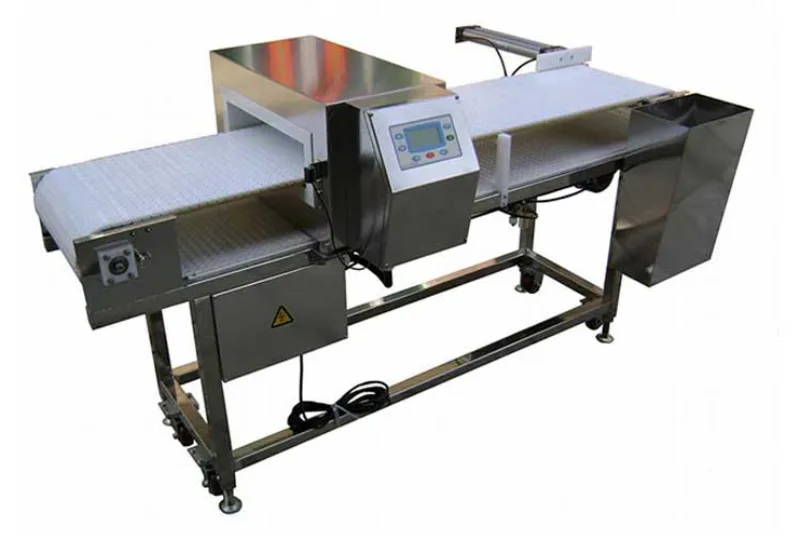
07Reliable Food Packaging Solutions with China Bread, Candy, and Biscuit Machines
11-10-2025 -
 08
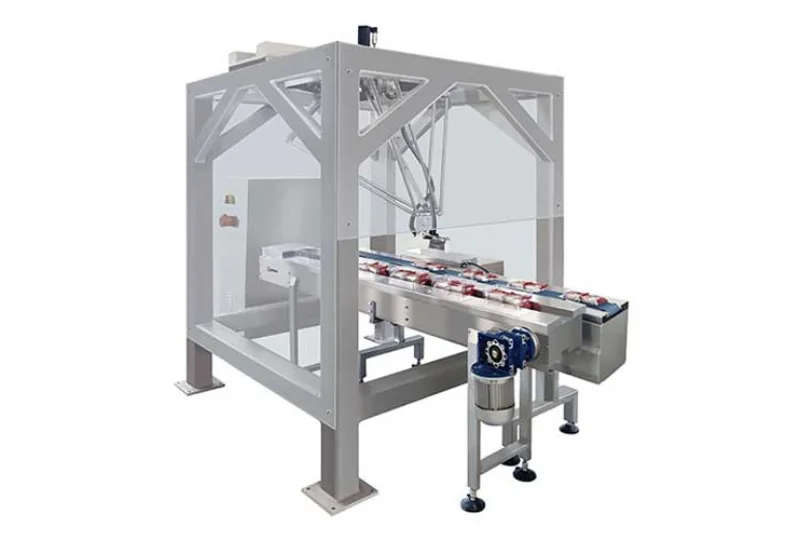
08High-Performance Automated Food Packaging Equipment for Modern Production
11-10-2025 -
09
Reliable Pillow Packing Machines for Efficient Packaging Operations
11-10-2025 -
 10
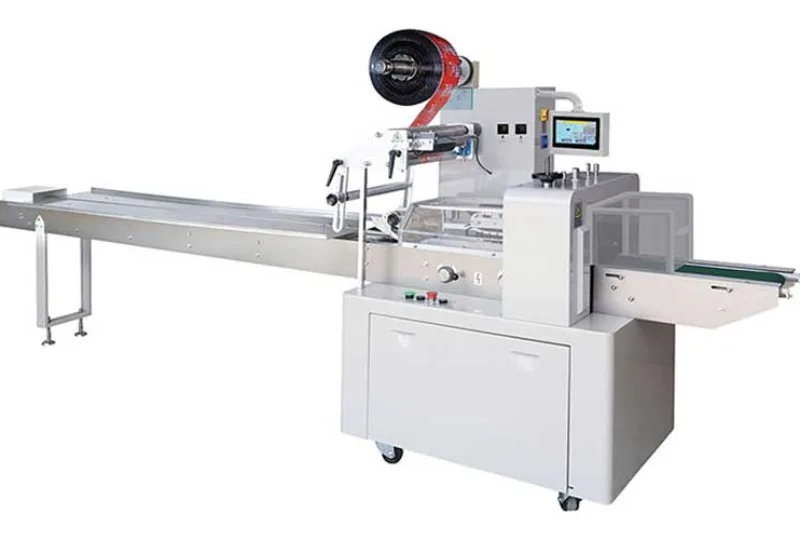
10Advanced Fully Automatic Packaging Solutions for Efficient Production
11-10-2025
