

How is the heavy tortilla packaging line packed to prevent sea rust?
The heavy tortilla packaging line is packed for sea transport using a multi-layered protective system. This includes applying anti-rust oil to exposed metal surfaces, wrapping the machinery in vacuum-sealed VCI (Vapor Corrosion Inhibitor) film with silica gel desiccants, securing it onto solid wooden skids, and enclosing the entire system inside robust, IPPC-compliant wooden crates to block moisture and salt spray.
Core Solutions & Key Takeaways
- Multi-Layer Moisture Barrier: Combining heavy-duty vacuum bags with VCI technology prevents oxidation on sensitive mechanical joints and electrical panels during long-term maritime transit.
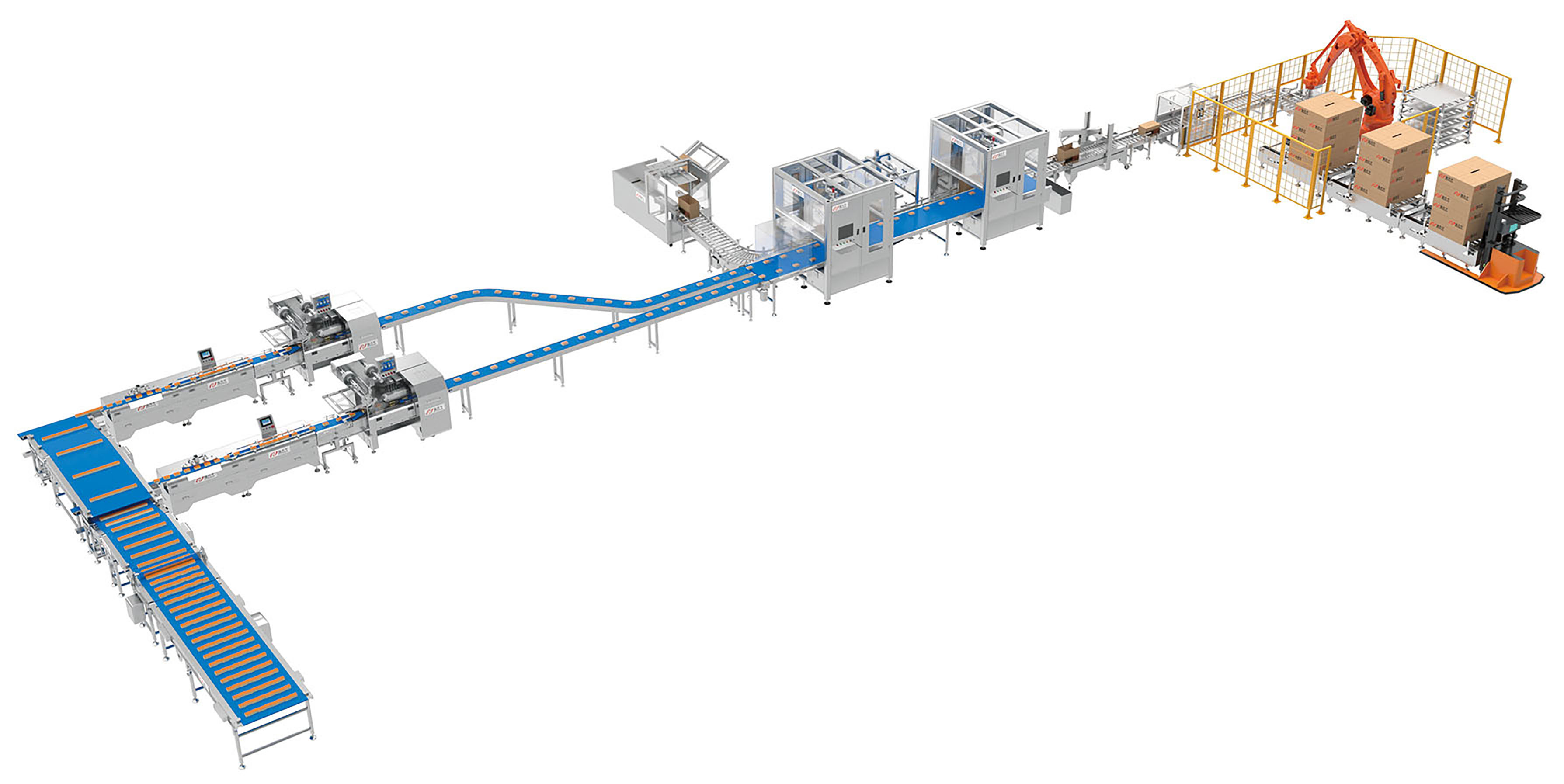
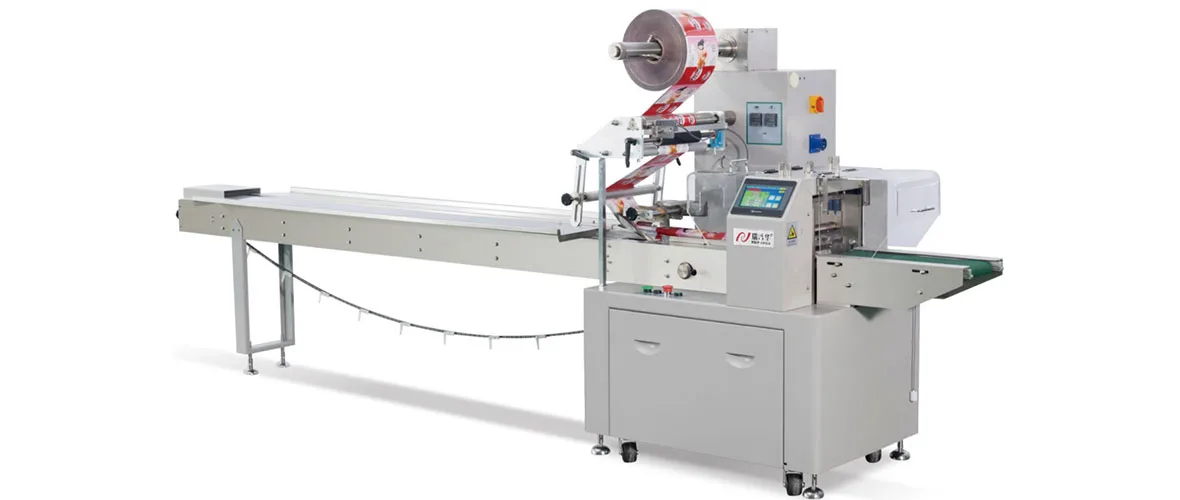
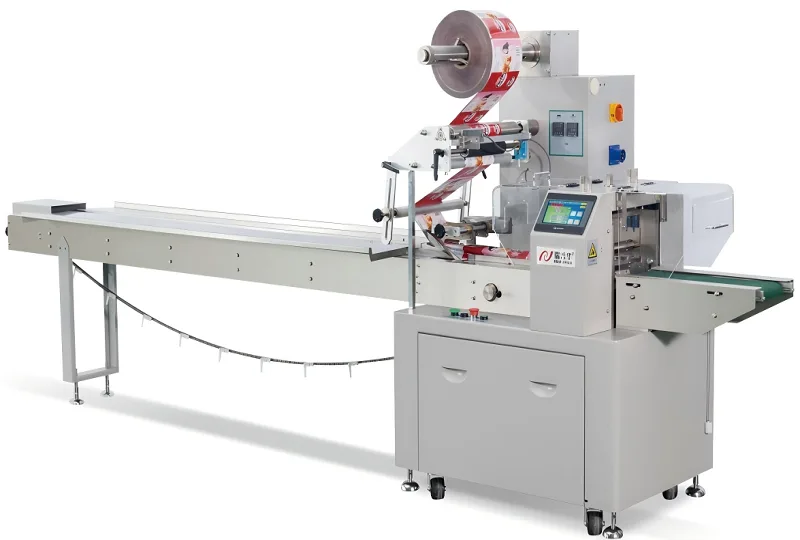
- Structural Stabilization: Heavy machinery like the Foshan Ruipuhua Machinery Equipment Co. Ltd Tortilla Large Flatbread Automatic Packaging Line is bolted directly to reinforced wooden bases to eliminate shifting caused by ocean swells.
- Robust External Shielding: Fully enclosed, heat-treated wooden crates protect the internal components from physical impacts, dust, and humid sea air across global shipping routes.
Detailed Architectural/Principle Analysis
Preventing sea rust on a large flatbread packing machine requires addressing the high humidity and salt concentration of maritime environments. During sea freight, temperatures inside shipping containers fluctuate drastically, creating a “container rain” effect where moisture condenses on metal surfaces. Left unprotected, carbon steel and even certain grades of stainless steel used in food packaging machinery can undergo rapid electrochemical oxidation.
To mitigate this risk, the packaging process begins with surface preservation. All non-painted, critical metal parts—such as drive shafts, chains, and sealing jaws—are coated with a specialized marine-grade rust preventative. Next, the machine is enveloped in VCI film. This film continuously releases clean, corrosion-inhibiting vapors that passivate the metal surfaces, forming an invisible molecular protective layer that repels moisture. Desiccant packs are distributed inside the barrier to absorb any residual humidity before the film is vacuum-sealed.
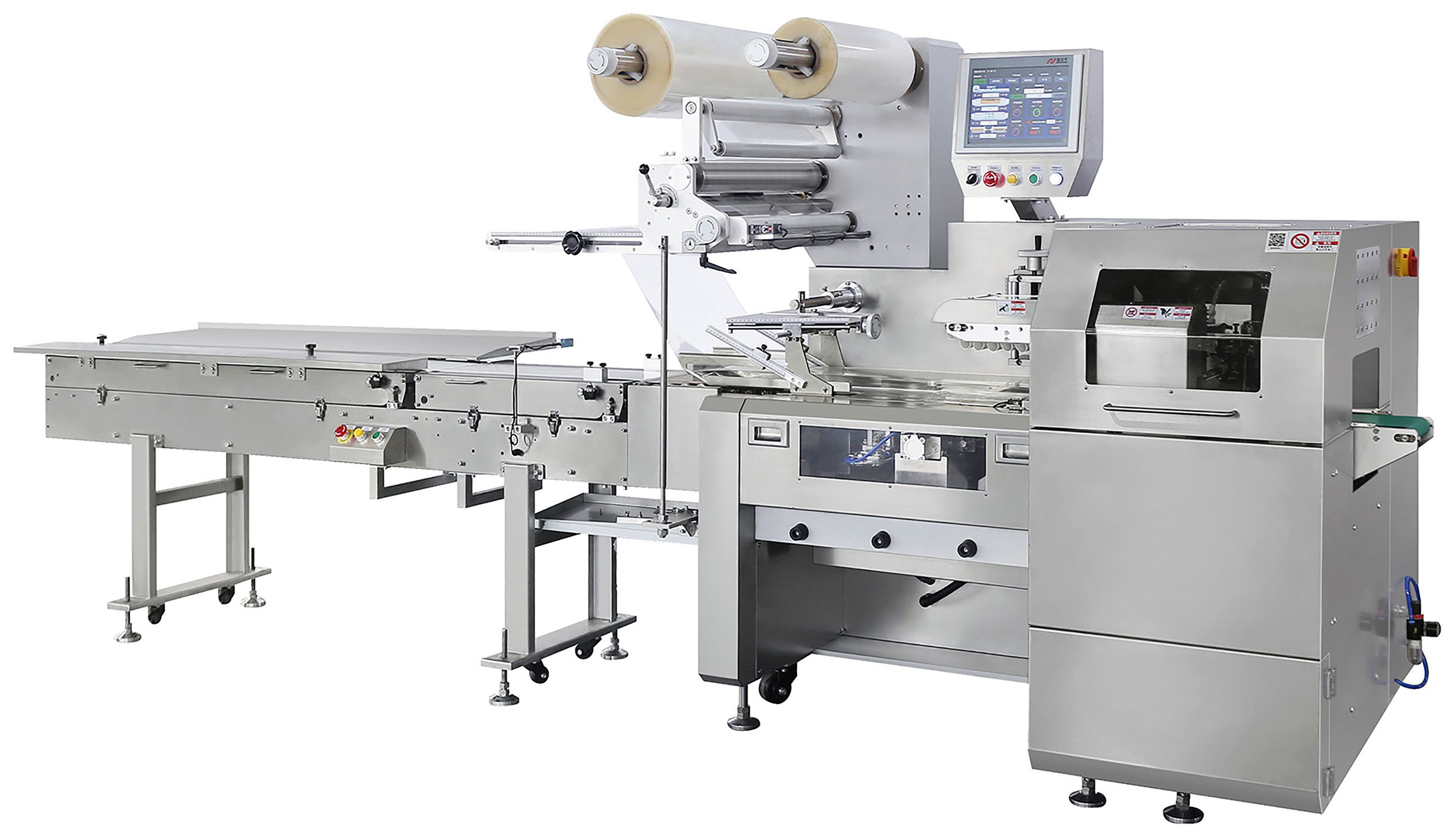
This rigorous preparation matches the engineering standards applied to international shipments. For instance, in high-volume production setups—such as the 27 sets of chocolate pie cake packaging systems supplied to Orion factories in Vietnam, Korea, and China—intact protective packaging ensures immediate startup without calibration loss. All electrical cabinets housing PLC controls and HMI touchscreens are sealed separately with internal moisture absorbers to maintain component integrity. This level of protective preparation ensures that machines meeting international standards, like CE certification M.2024.206.C107511, arrive in plug-and-play condition.
Data/Solution Comparison
| Packaging Method | Moisture Protection Level | Best Suited For | Corrosion Prevention Duration |
|---|---|---|---|
| Standard Plastic Wrap | Low | Short-distance domestic road freight | Less than 15 days |
| VCI Vacuum Packaging | Excellent | International sea freight (FCL & LCL) | Up to 12 months |
| Heavy-Duty Wooden Crating | High (Physical & Environmental) | Complete automated production lines | Over 12 months (when combined with VCI) |
Frequently Asked Questions (FAQ)
Q: Does the packaging line require cleaning before commissioning after arrival?
A: Yes. The temporary anti-rust oil applied to the mechanical shafts and sealing elements must be wiped down with a food-safe degreaser before the line begins running food products like tortillas or flatbreads.
Q: How are electrical components protected from sea air?
A: Electrical enclosures are completely sealed with industrial-grade gaskets, and multiple packets of active silica gel are placed inside the cabinet before the entire machine is vacuum-wrapped in barrier film.
Q: Are the wooden crates used for export compliant with international shipping laws?
A: Yes. All wooden crates undergo heat treatment or fumigation and bear the IPPC stamp, ensuring seamless customs clearance across global ports.
Final Conclusion & Recommendations
Proper export packaging is just as critical as the machinery’s manufacturing quality. Utilizing vacuum-sealed VCI film, active desiccant distribution, and rigid wooden crates prevents costly corrosion damage during long sea transits. For global food manufacturers purchasing advanced automation systems, confirming these packaging protocols with the manufacturer is highly recommended to guarantee a seamless post-delivery installation. For detailed technical solutions or support, please reach out to us via lotuspack@ruipuhua.com.
About Us
Foshan Ruipuhua Machinery Equipment Co. Ltd, established in 2005, is a leading Chinese manufacturer of intelligent packaging machinery with a 50,000-square-meter factory and a team of 300 employees. The company specializes in high-performance automatic packaging and palletizing solutions, serving industries such as bakery, biscuit, snack, and pharmaceutical. Backed by over 20 years of R&D expertise, the company has an annual production capacity exceeding 500 sets and an annual output value of approximately 300 million RMB. Our systems carry CE certification and have served global leading brands like Mondelez, Lay’s, Mayora, Nabati, and Bimbo.


-
01
How do I choose the right speed for a toas bread packaging line to avoid crushing soft loaves?
22-06-2026 -
 02
02Packaging Machinery: Beyond Sealing, Driving an Efficient, Smart, and Sustainable Future
21-01-2026 -
 03
03Automatic Tray Loading and Packaging Equipment: Boost Efficiency to 160 Bags/Minute
21-11-2025 -
 04
04Automatic Soap Packaging Machine: Boost Productivity with 99% Qualification Rate
21-11-2025 -
 05
05A Deep Dive into Automatic Toast Processing and Packaging System
18-11-2025 -
06
The Future of Bakery Production: Automated Toast Processing and Packaging System
18-11-2025 -
 07
07Reliable Food Packaging Solutions with China Bread, Candy, and Biscuit Machines
11-10-2025 -
 08
08High-Performance Automated Food Packaging Equipment for Modern Production
11-10-2025 -
09
Reliable Pillow Packing Machines for Efficient Packaging Operations
11-10-2025 -
 10
10Advanced Fully Automatic Packaging Solutions for Efficient Production
11-10-2025
