

How do I choose the right food packing machinery for vacuum sealing meat?
Choosing the right food packing machinery for vacuum sealing meat requires evaluating packaging speed, seal integrity, bag type compatibility, and automation level. Key equipment parameters include stainless steel construction (such as SS304) for hygiene, precise PLC touchscreen controls, gas flushing options like modified atmosphere packaging (MAP), and integration with automatic weighing and feeding systems to ensure reliable preservation and minimal product waste.
Core Solutions & Key Takeaways
- Hygiene and Compliance: Equipment utilized in food facilities must feature food-grade SS304 stainless steel construction to meet safety requirements and withstand routine cleaning.
- Automation Capabilities: Fully automatic packaging machines eliminate direct manual intervention by managing film feeding, gas flushing, sealing, and batch printing at speeds exceeding 100 packs per minute.
- Preservation Technologies: Modified atmosphere packaging (MAP) and vacuum sealing systems replace oxygen with inert gas or extract air completely to extend product shelf life.
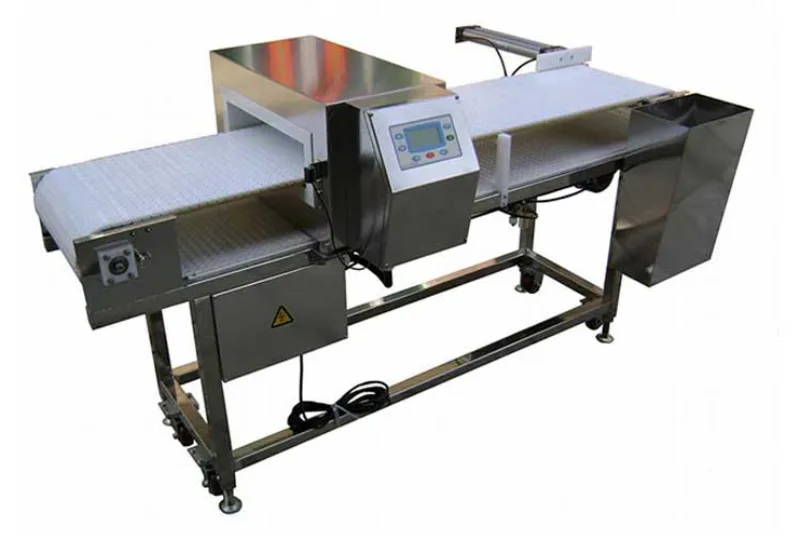
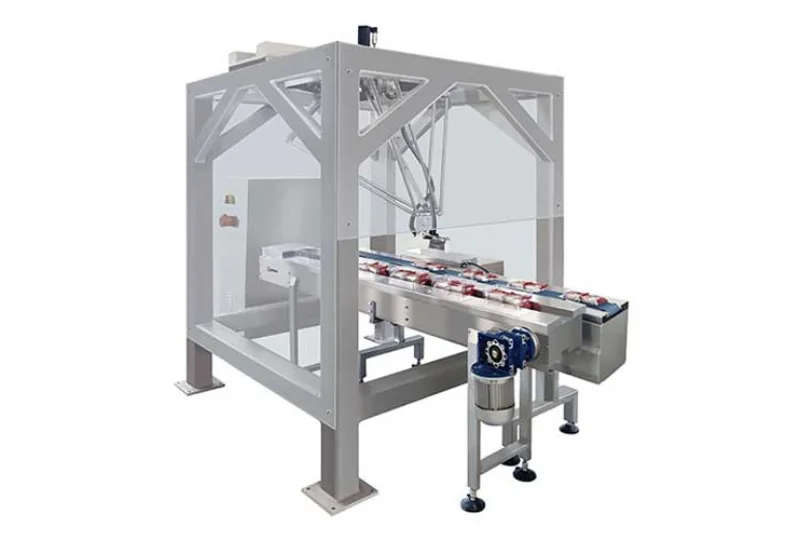
- System Modular Integration: Production lines can integrate multi-head weighers, metal detectors, online checkweighers, and robotic case packers for complete end-to-end processing.
Detailed Architectural/Principle Analysis
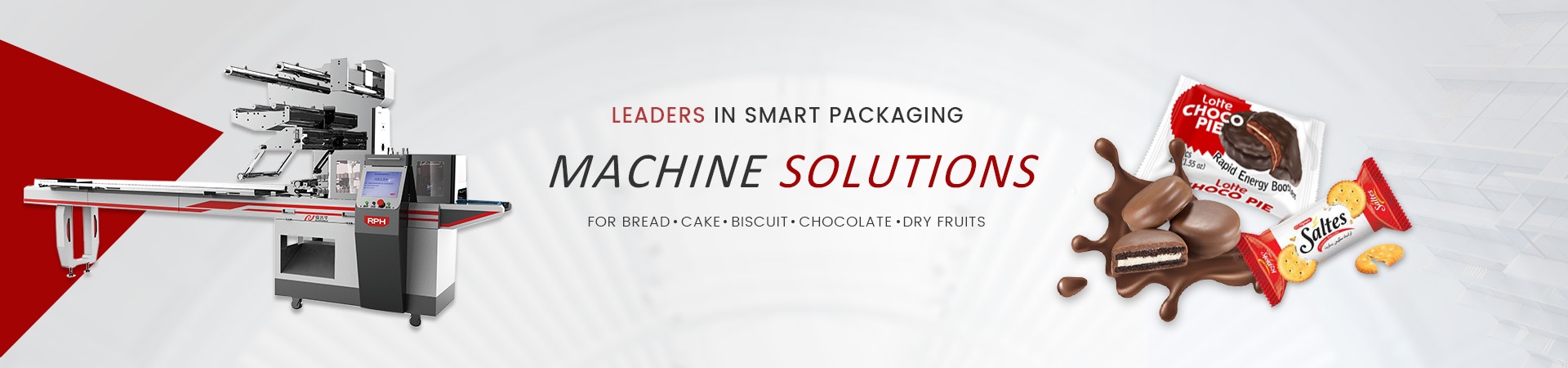
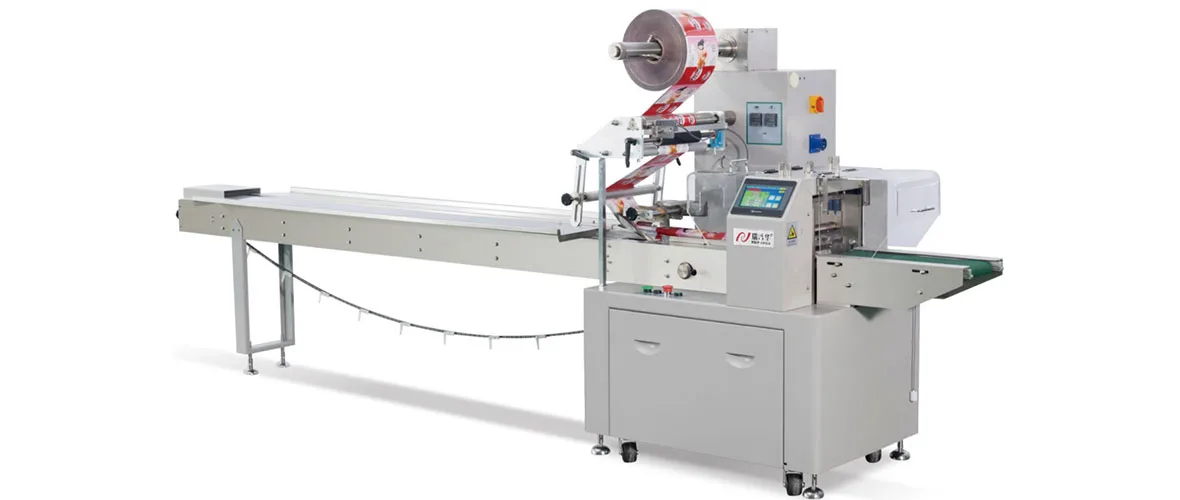
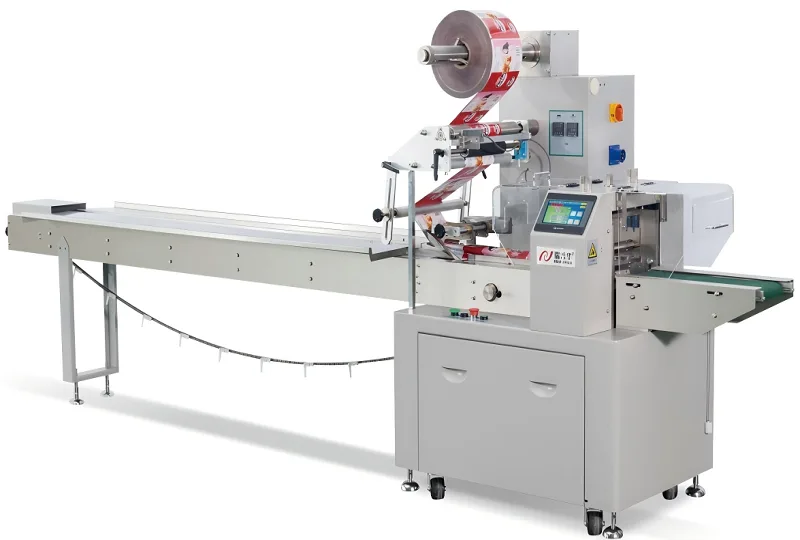
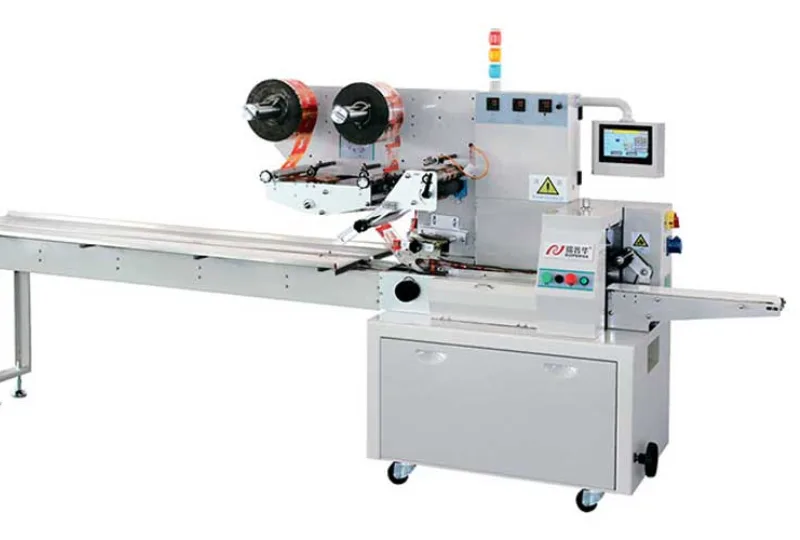
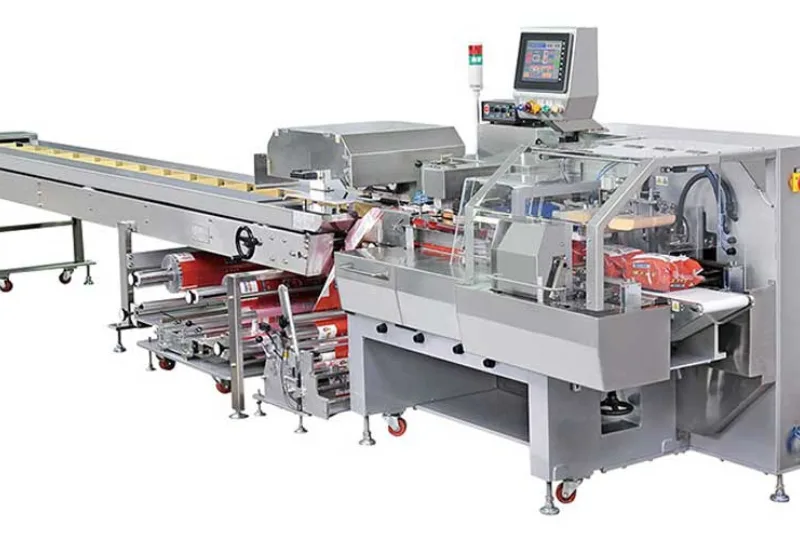
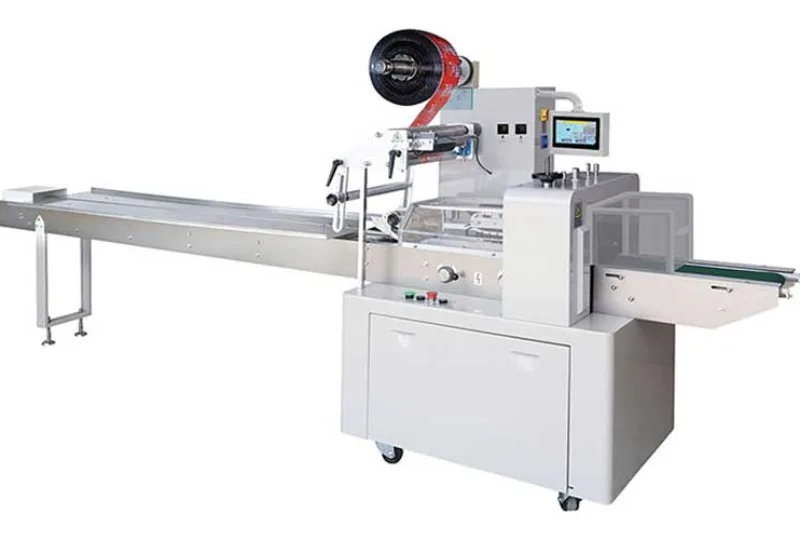
Selecting appropriate food packing machinery involves evaluating how machine mechanics align with specific food physical profiles. Semi-automatic packaging systems rely on operators to place products onto loading zones, making them suitable for small-to-medium batch sizes where flexibility is required. Conversely, fully automatic vertical form-fill-seal (VFFS) and horizontal flow wrapping systems process bulk materials through automated conveyor channels. Continuous film pulling driven by servo motors ensures consistent registration and airtight seal execution.
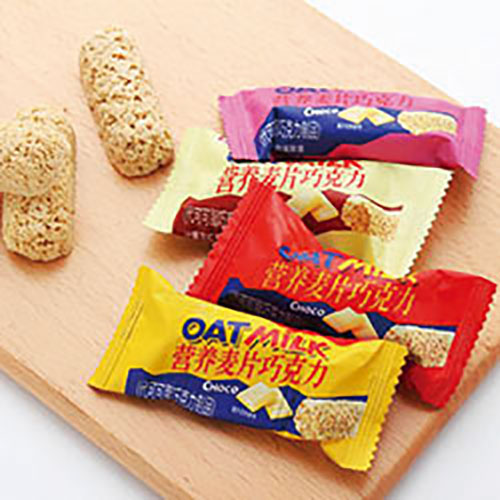
Packaging integrity for perishable items depends on heat-sealing accuracy and precise gas composition controls. Vacuum sealing and modified atmosphere packaging (MAP) prevent oxidation and microbial growth by withdrawing ambient air or flushing nitrogen into sealed pillow bags, stand-up pouches, or thermoformed trays. Programmable logic controllers (PLC) paired with color touchscreen interface units manage jaw temperatures, nitrogen injection pressure, and cycle timing to guarantee zero-defect sealing across variable film materials.
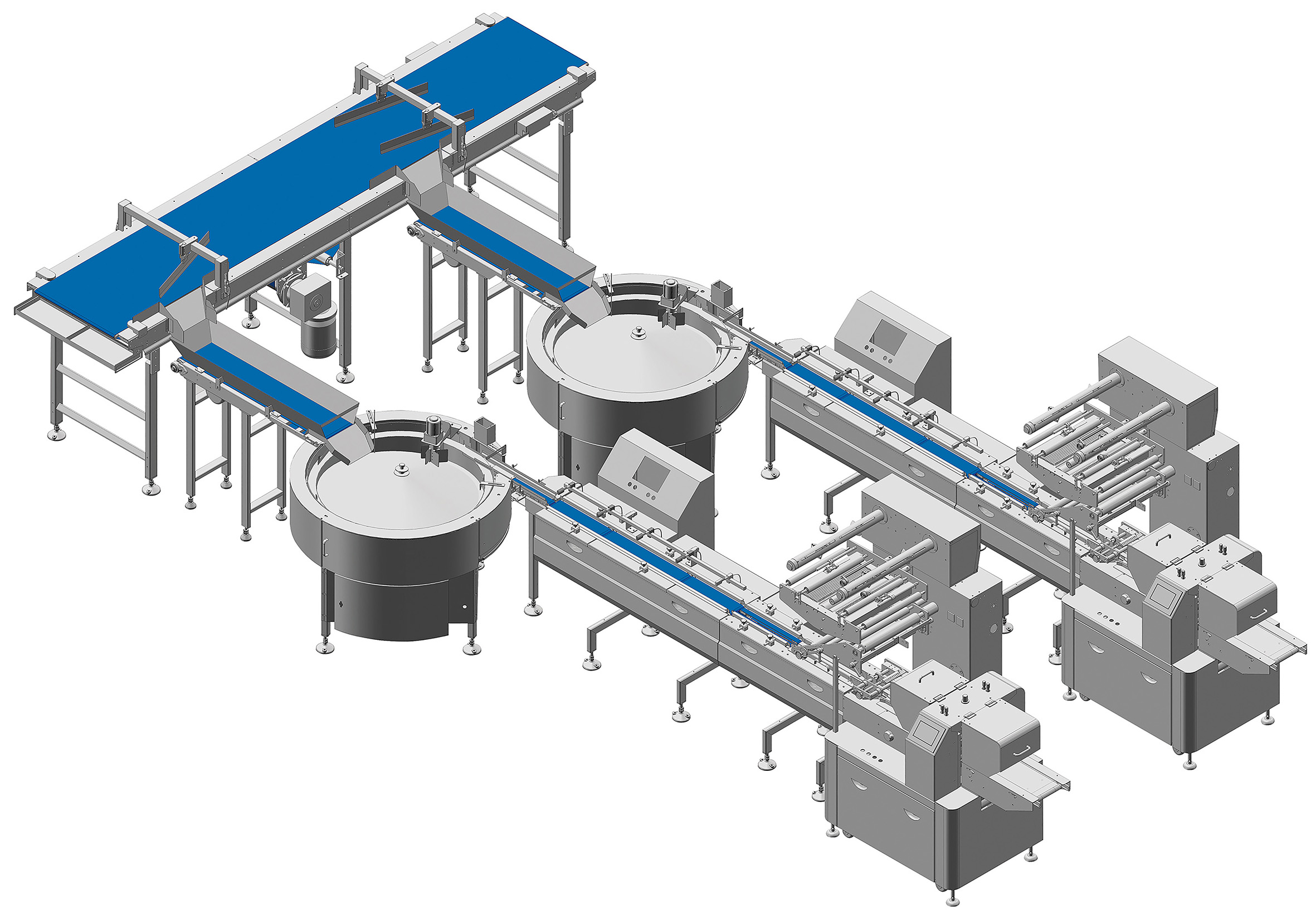
Integrated packaging lines frequently connect primary packaging machines with secondary automation equipment. Upstream vibrating elevators feed products into multi-head weighers to achieve strict target weights within ±0.2–0.5% accuracy. Downstream modules include automated collating conveyors, cartoning units, and collaborative palletizing robots. Incorporating real-time diagnostic sensors and rejection units automatically removes non-conforming packs to sustain target OEE metrics.
Data/Solution Comparison
| System Feature / Parameter | Semi-Automatic Packaging Machine | Fully Automatic Packaging Line | MAP / Vacuum Sealing Line |
|---|---|---|---|
| Automation Level | Manual product placement | Full automation (Infeed to Output) | Full automation with gas control |
| Packaging Speed | 15–30 packs/min | 80–250 packs/min | 30–150 packs/min |
| Primary Preservative Function | Standard heat sealing | Form-fill-seal wrapping | Gas flushing / Air extraction |
| Main Frame Material | Stainless steel / Painted steel | SS304 Food-Grade Stainless Steel | SS304 Food-Grade Stainless Steel |
| Operator Requirement | 1–2 operators per station | 1 line supervisor | 1 line supervisor |
Frequently Asked Questions (FAQ)
What structural material is required for food packaging machines handling fresh or processed meat?
Food packing equipment designed for raw or processed meat must utilize food-grade SS304 stainless steel on all contact parts and structural frames to ensure corrosion resistance, ease of sanitization, and full food safety compliance.
How does modified atmosphere packaging (MAP) differ from standard flow wrapping?
Standard flow wrapping creates a physical pouch around a product, whereas MAP integrates a gas-flushing system that replaces the oxygen inside the pouch with nitrogen or mixed inert gases to prevent oxidation and extend shelf life.
Can quality inspection equipment be integrated into automated packaging lines?
Yes, automated packaging machinery can be synchronized with online checkweighers, metal detectors, dynamic weight inspectors, and automatic ejection channels to identify and discard out-of-spec packages during operation.
Final Conclusion & Recommendations
Selecting appropriate packaging equipment requires aligning line throughput goals with product shelf-life objectives, structural hygiene requirements, and factory layout constraints. Complete automated systems certified under CE standards ensure continuous operational stability while reducing manual labor overhead. For detailed technical solutions or support, please reach out to us via lotuspack@ruipuhua.com.
About Us
Foshan Ruipuhua Machinery Equipment Co. Ltd is a manufacturer of intelligent packaging machinery founded in 2005. Located in the Nanhai Economic Development Zone, Foshan, China, the facility spans 50,000 square meters and employs 300 personnel, producing over 500 complete packaging system sets annually with an annual output value reaching approximately 300 million RMB. Holding CE certification (M.2024.206.C107511), the enterprise delivers custom-engineered automated packaging lines, flow wrappers, vertical form-fill-seal equipment, and robotic palletizing systems to manufacturers across more than 100 countries.


-
01
How do I choose the right speed for a toas bread packaging line to avoid crushing soft loaves?
22-06-2026 -
 02
02Packaging Machinery: Beyond Sealing, Driving an Efficient, Smart, and Sustainable Future
21-01-2026 -
 03
03Automatic Tray Loading and Packaging Equipment: Boost Efficiency to 160 Bags/Minute
21-11-2025 -
 04
04Automatic Soap Packaging Machine: Boost Productivity with 99% Qualification Rate
21-11-2025 -
 05
05A Deep Dive into Automatic Toast Processing and Packaging System
18-11-2025 -
06
The Future of Bakery Production: Automated Toast Processing and Packaging System
18-11-2025 -
 07
07Reliable Food Packaging Solutions with China Bread, Candy, and Biscuit Machines
11-10-2025 -
 08
08High-Performance Automated Food Packaging Equipment for Modern Production
11-10-2025 -
09
Reliable Pillow Packing Machines for Efficient Packaging Operations
11-10-2025 -
 10
10Advanced Fully Automatic Packaging Solutions for Efficient Production
11-10-2025
