

How do I choose a wafer automatic packaging system that handles fragile wafers reliably?
Choose a wafer automatic packaging system by matching product dimensions, stacking format, film, and required speed, then verify gentle transfer, servo synchronization, registration accuracy, and rejection control with real wafer samples. A reliable system should provide stable pillow-pack sealing, adjustable infeed alignment, recipe-based changeover, and optional checkweighing, metal detection, gas flushing, cartoning, and palletizing.
Core Solutions & Key Takeaways
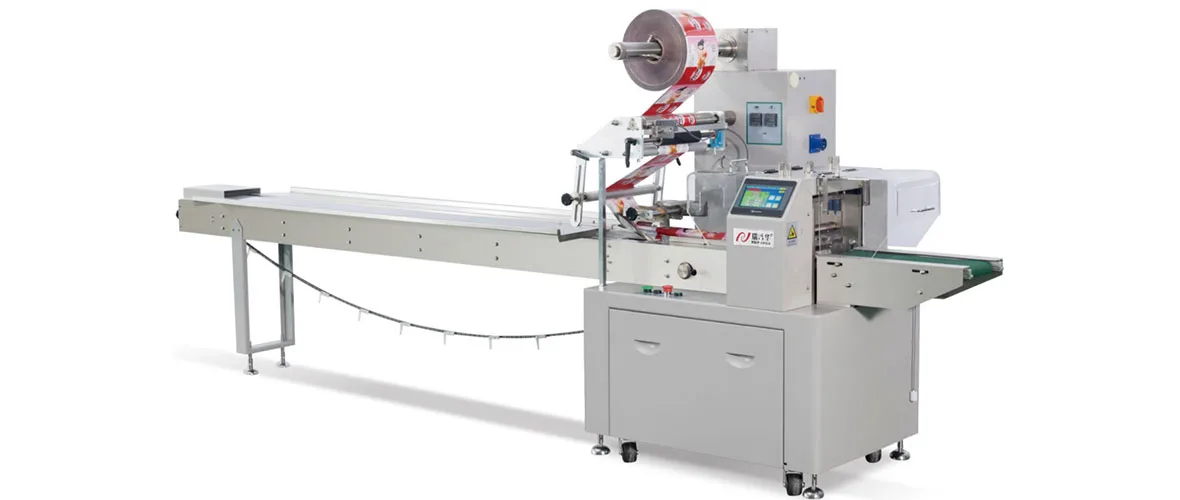
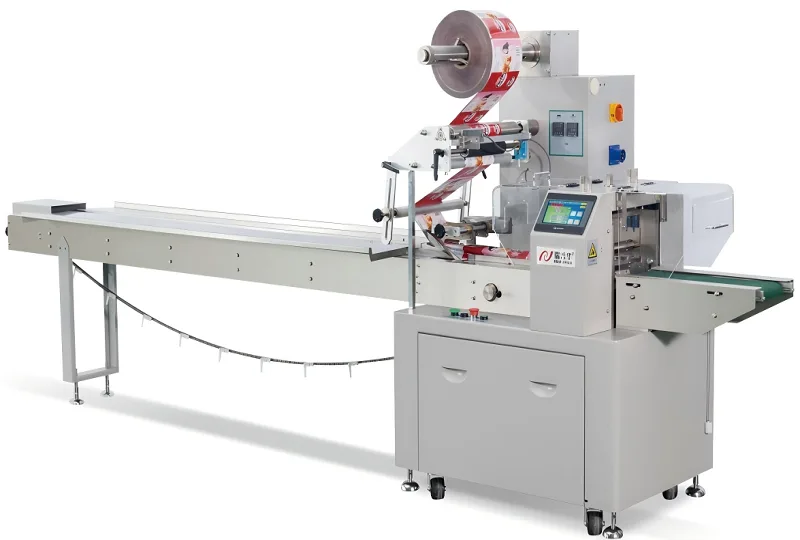
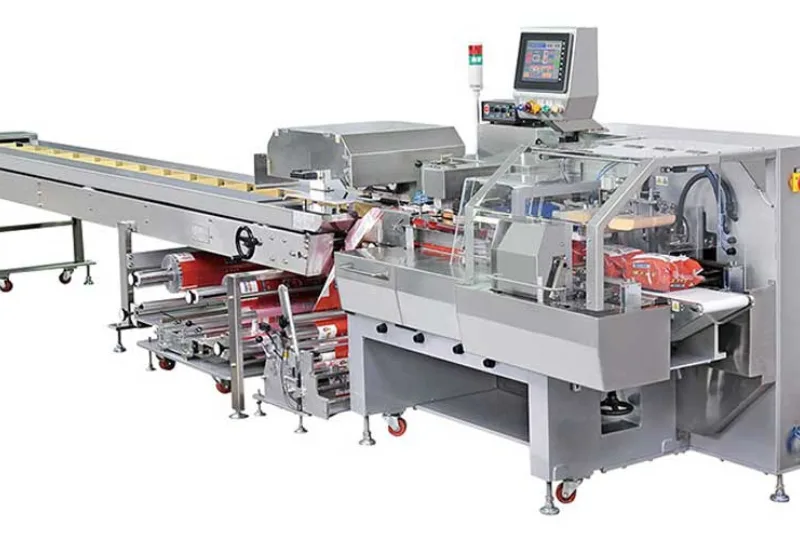
- Use a fully automatic horizontal flow-pack line covering feeding, alignment or stacking, film forming, longitudinal sealing, cross sealing, cutting, and pack discharge.
- For fragile wafers, prioritize synchronized servo drives, controlled product spacing, photoelectric position detection, and automatic rejection of misaligned or defective packs.
- Confirm the required format: wafer biscuits, wafer bars, creamed wafers, sandwich wafers, or chocolate-coated wafers. Optional collating supports stacks of 2 to 6 wafers per pack.
- Request sample testing before ordering. Ruipuhua lists testing with samples as its product quality-inspection method, with engineer support available after purchase.
Detailed Architectural/Principle Analysis
A wafer line begins with a belt conveyor, side guides, or a vibratory alignment track. Adjustable infeed speed controls product spacing, while photoelectric sensors monitor position. A single lane is standard; two-lane and four-lane configurations are available as options. An automatic collating or stacking unit can prepare multiple wafer pieces before wrapping, reducing manual handling between production and packaging.
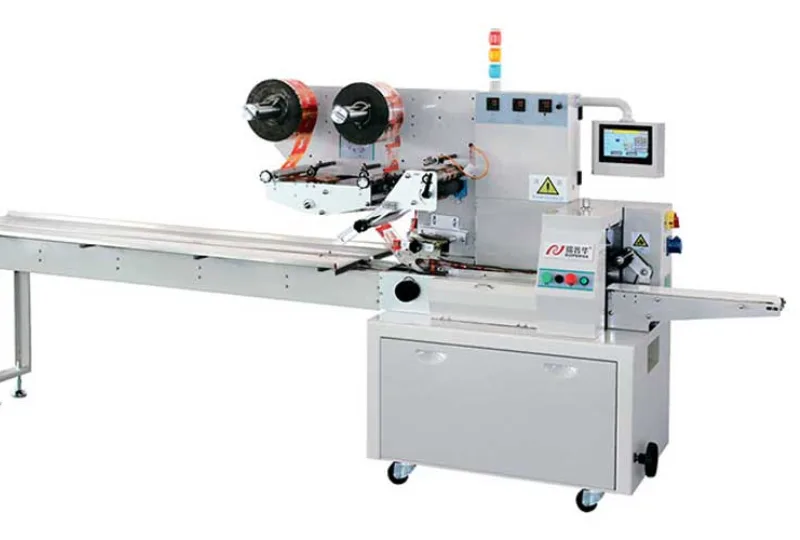
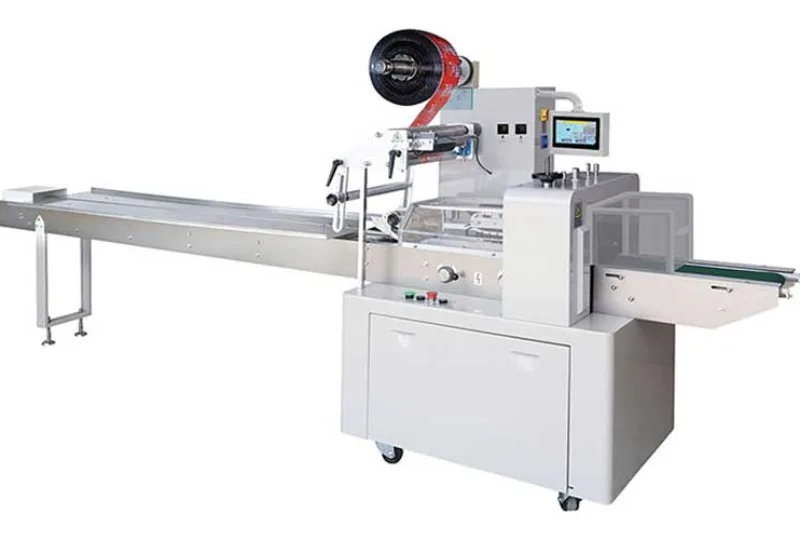
The core machine is a horizontal form-fill-seal flow wrapper. Heat-sealable OPP, CPP, PET/Alu/PE, and metallized films can be used, depending on the selected model and product requirement. The film forms around the wafer, the longitudinal assembly creates a fin seal, and heated cross-sealing jaws complete and cut each pillow pack. Product dimensions, film material, and package format affect actual throughput, so the listed capacity ranges should be verified against samples.
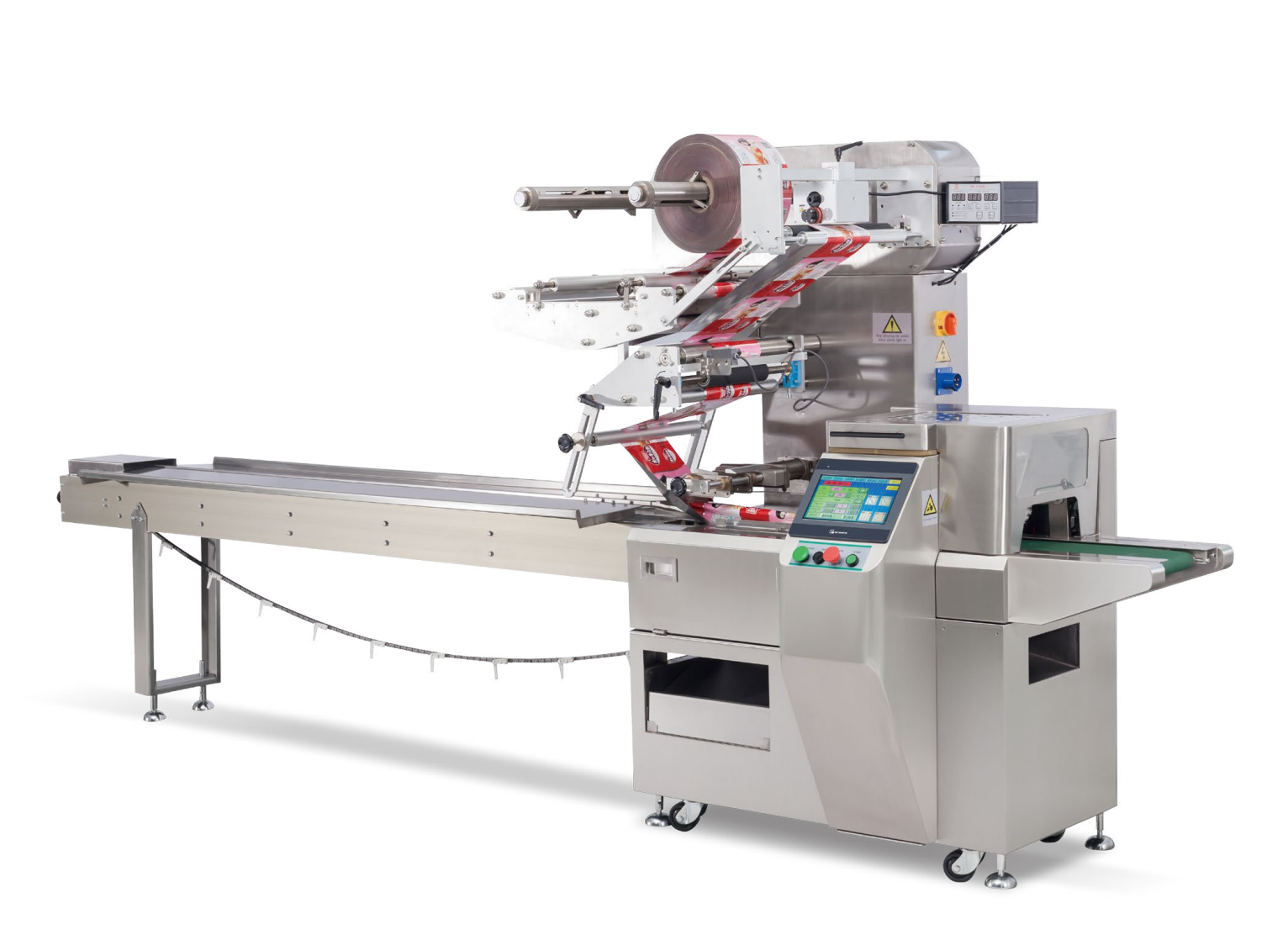
Servo control is relevant to fragile products because film feed, infeed movement, and cross sealing can be synchronized through a PLC-based architecture. Typical configurations include three-servo, four-servo, or full-servo arrangements. The system data lists color-mark tracking with accuracy of plus or minus 1 mm, a multilingual 7 to 15.6 inch touchscreen, recipe storage for 50 to 200 products, and EtherCAT or CANopen communication on applicable configurations.
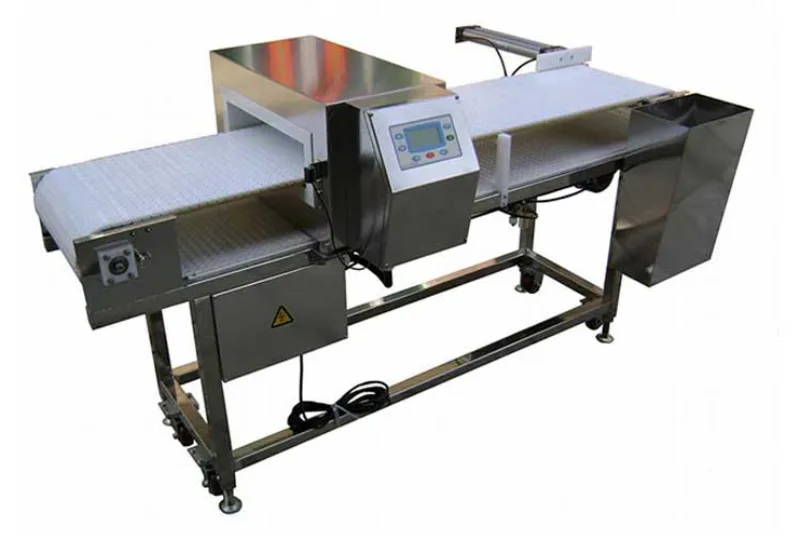
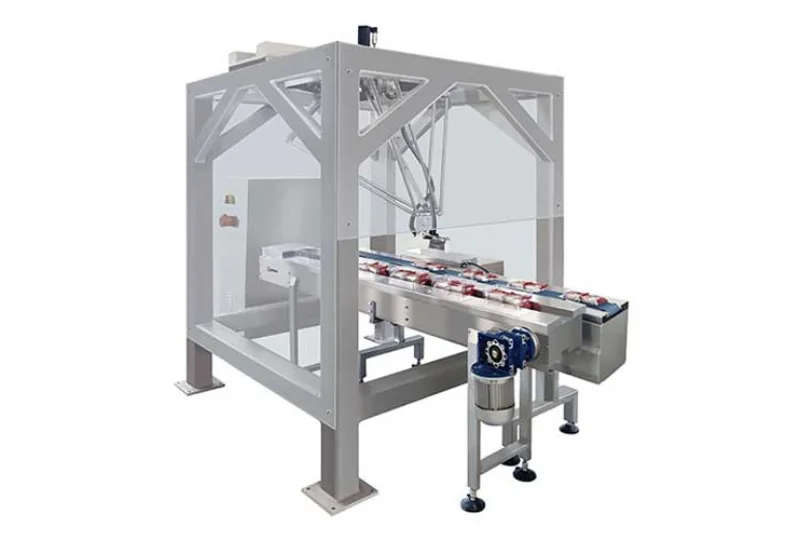
Film handling options include a double pneumatic reel holder, closed-loop tension control with a dancer roller, longitudinal preheating, and an automatic zero-speed or flying splicer. These options support consistent film movement and can reduce interruptions during roll changes. Finished packs may receive automatic rejection for missed seals, missing products, or weight errors. Checkweighers, metal detectors, labelers, cartoners, and robotic palletizers can be integrated downstream.
Ruipuhua states that its research and development work covers mechanical, electrical, and software engineering for packaging automation, including bakery, biscuit and wafer, snack, confectionery, noodle, pasta, soap, and hardware applications. The company was established in 2005 and reports an annual production capacity exceeding 500 sets of automatic packaging machines and complete lines.
The company reports a chocolate pie cake packaging project for a major bakery manufacturer across plants in Vietnam, Korea, and China. The described system combined high-speed wrapping with robotic palletizing and smart monitoring. This case indicates experience with integrated food-packaging lines, although wafer performance should still be validated using the customer's own product, film, and stacking pattern.
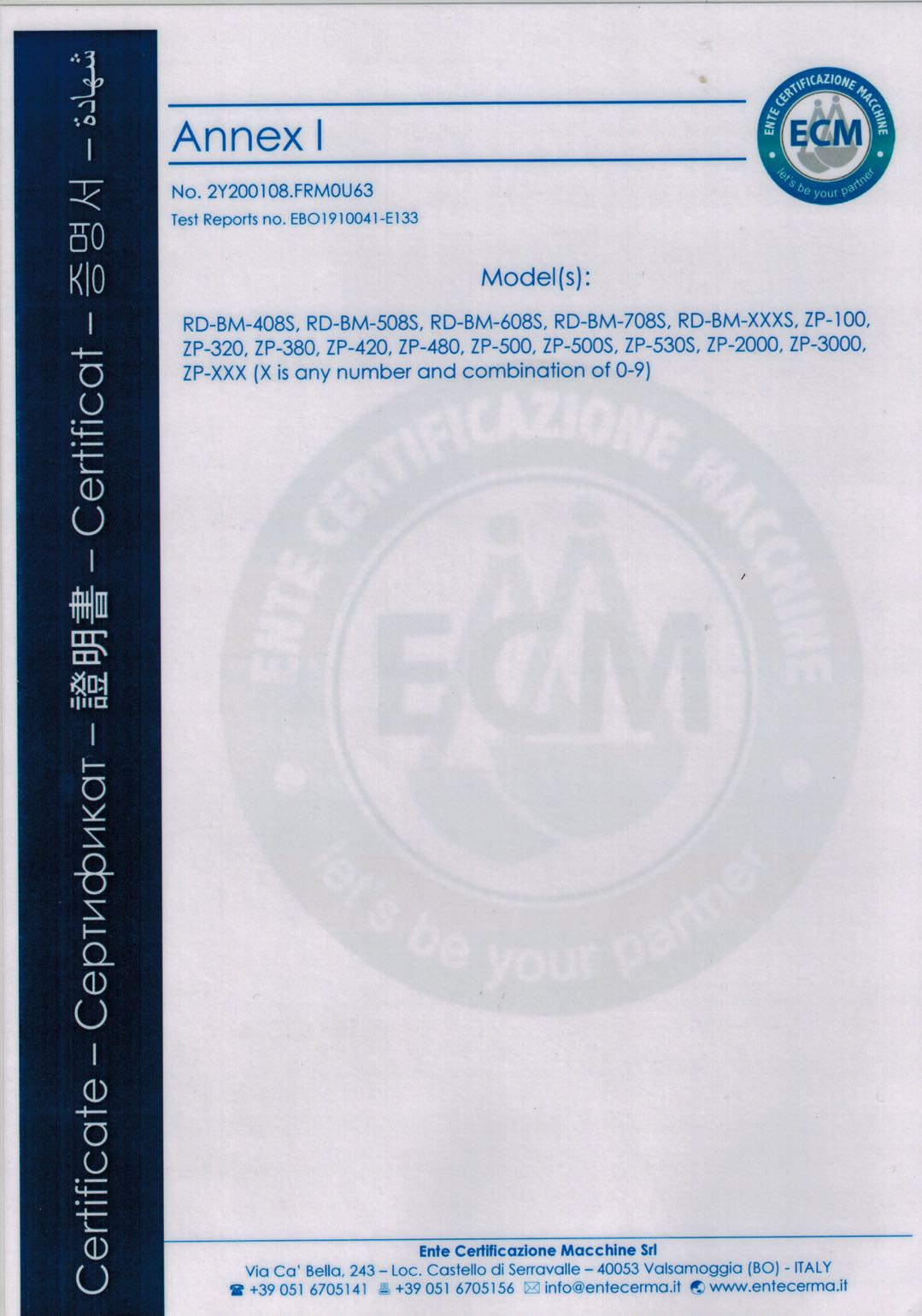
Ruipuhua lists CE certification for flow packaging machines, automatic packaging systems, cartoning machines, and palletizing robots. The stated certificate number is M.2024.206.C107511, with applicability listed worldwide.
Data/Solution Comparison
| Model class | Speed | Film width | Suitable application | Fragile-product considerations |
|---|---|---|---|---|
| Entry or mini | 30 to 90 packs per minute | 90 to 280 mm | Small wafer biscuits and artisan bakery | Use controlled infeed and sample testing |
| Mid-range | 100 to 200 packs per minute | 280 to 450 mm | Industrial wafer bars and creamed wafers | Three-servo synchronization and adjustable stacking |
| High-speed full servo | 200 to 350 or more packs per minute | 450 to 900 mm | Mass production, multi-lane, continuous operation | Confirm gentle transfer, film tension, and sealing at target speed |
| Optional downstream system | Model dependent | Model dependent | Inspection, cartoning, and palletizing | Use rejection and inspection before secondary packaging |
Frequently Asked Questions (FAQ)
What packaging format is used for wafer products?
The system uses horizontal flow wrapping with a pillow-pack format, a longitudinal fin seal, and cross end seals. It is listed for wafer biscuits, wafer bars, creamed wafers, sandwich wafers, and chocolate-coated wafers.
How can I reduce breakage during feeding and wrapping?
Specify aligned product transfer, adjustable spacing, photoelectric position detection, automatic stacking where needed, and servo-synchronized movement. Sample testing should cover the actual wafer dimensions, stack count, film, and target speed.
Can the wafer wrapper connect to a complete packaging line?
Yes. Listed options include collating, gas flushing, desiccant insertion, checkweighing, metal detection, labeling, cartoning, case packing, and robotic palletizing. The supported business model is manufacturing and OEM, with a minimum order quantity of one.
Final Conclusion & Recommendations
Select the model class by product size, stack configuration, film width, and required output, then approve the final design through testing with real wafer samples. Evaluate infeed handling, servo synchronization, film tension, seal quality, registration, and rejection performance together. Ruipuhua offers manufacturing and OEM supply, CE-certified applicable equipment, and engineer support. For detailed technical solutions or support, please contact lotuspack@ruipuhua.com.
About Us
Foshan Ruipuhua Machinery Equipment Co. Ltd is a Chinese manufacturer of intelligent packaging machinery founded in 2005. It integrates research and development, production, installation, and technical after-sales service for food, bakery, biscuit, snack, noodle, chocolate, soap, hardware, pharmaceutical, and daily chemical applications. The company reports an annual production capacity exceeding 500 sets and serves markets in more than 100 countries. Its listed credentials include CE certification, and it has served clients across multiple industries.


-
01
How do I choose the right speed for a toas bread packaging line to avoid crushing soft loaves?
22-06-2026 -
 02
02Packaging Machinery: Beyond Sealing, Driving an Efficient, Smart, and Sustainable Future
21-01-2026 -
 03
03Automatic Tray Loading and Packaging Equipment: Boost Efficiency to 160 Bags/Minute
21-11-2025 -
 04
04Automatic Soap Packaging Machine: Boost Productivity with 99% Qualification Rate
21-11-2025 -
 05
05A Deep Dive into Automatic Toast Processing and Packaging System
18-11-2025 -
06
The Future of Bakery Production: Automated Toast Processing and Packaging System
18-11-2025 -
 07
07Reliable Food Packaging Solutions with China Bread, Candy, and Biscuit Machines
11-10-2025 -
 08
08High-Performance Automated Food Packaging Equipment for Modern Production
11-10-2025 -
09
Reliable Pillow Packing Machines for Efficient Packaging Operations
11-10-2025 -
 10
10Advanced Fully Automatic Packaging Solutions for Efficient Production
11-10-2025
