

Are paper-based materials practical for burger patty packaging lines?
Paper-based materials are practical in burger patty packaging lines when used as food-grade wax paper, PE film, or release liner between patties. They reduce sticking during freezing and storage while supporting accurate stacking. However, the product data specifies heat-sealable OPP, PET, or compostable film for the outer flow-wrapped pack, so paper-based interleaving is more directly supported than a fully paper-based package.
Core Solutions & Key Takeaways
- Paper-based interleaving materials can separate individual patties and help prevent sticking during freezing and storage.
- The interleaving unit uses adjustable paper tension and cut-to-length control to support consistent separation and reduce material waste.
- For the outer package, the horizontal flow wrapper uses heat-sealable OPP, PET, or compostable material to produce a pillow pack with a fin seal or lap seal.
- The line is designed for frozen burger patty plants, meat processing facilities, plant-based meat manufacturers, quick-service restaurant suppliers, and ready-meal packers.
Detailed Architectural/Principle Analysis
The Hamburger Patty Fully Automatic Packaging Line receives patties from a forming or pressing machine or a freezer tunnel. Vibration alignment supports single-file feeding before patties enter the interleaving unit. The interleaving unit places food-grade wax paper, PE film, or release liner between patties so the products can be stacked with separation during freezing and storage.
After interleaving, optical sensors and servo-controlled pushers count and stack a preset quantity. The product data supports stack configurations from 2 to 20 patties per pack, with examples including 2, 4, 6, 8, 10, or 12 pieces. Adjustable paper tension and cut-to-length control are intended to maintain consistent separation while limiting paper waste.
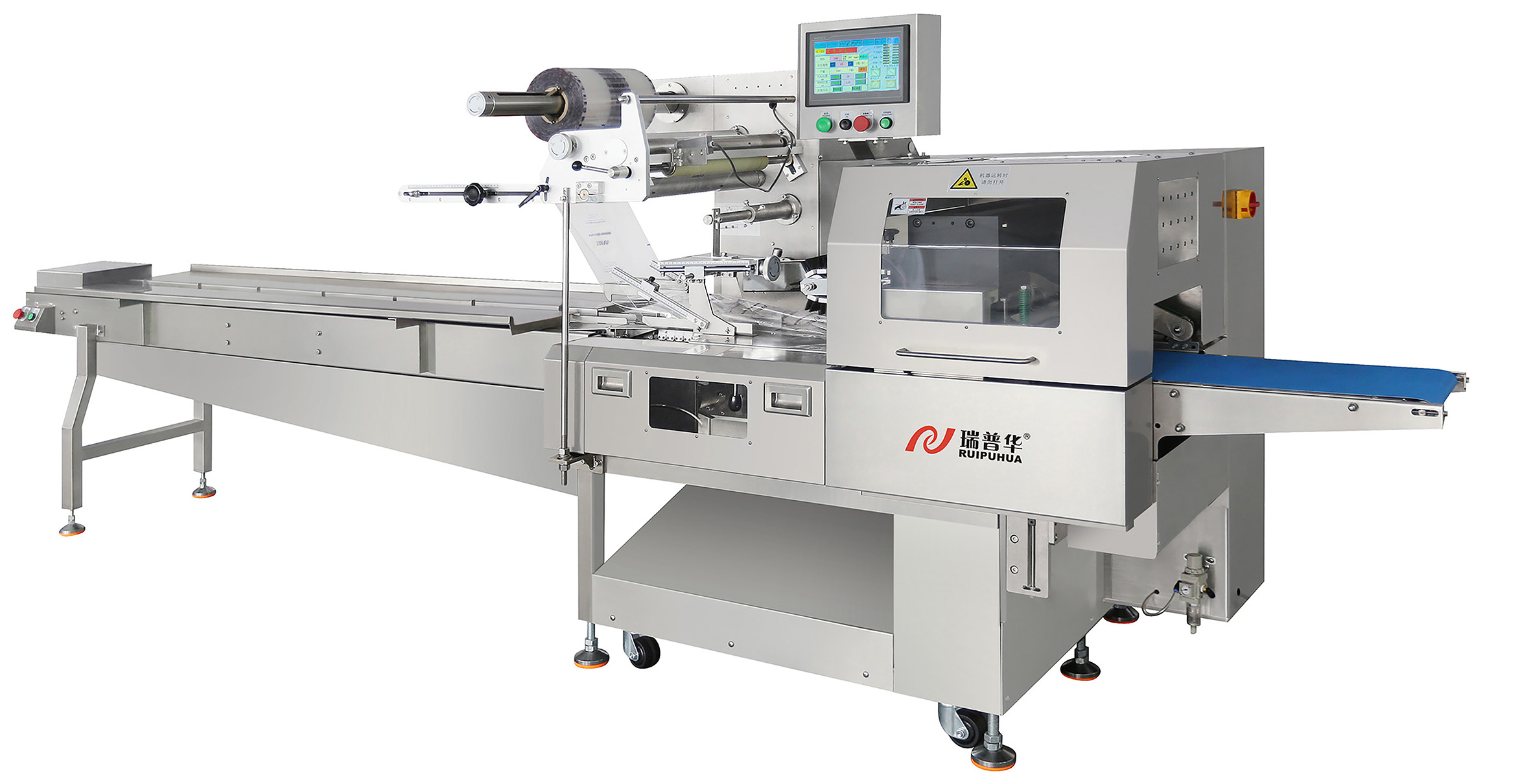
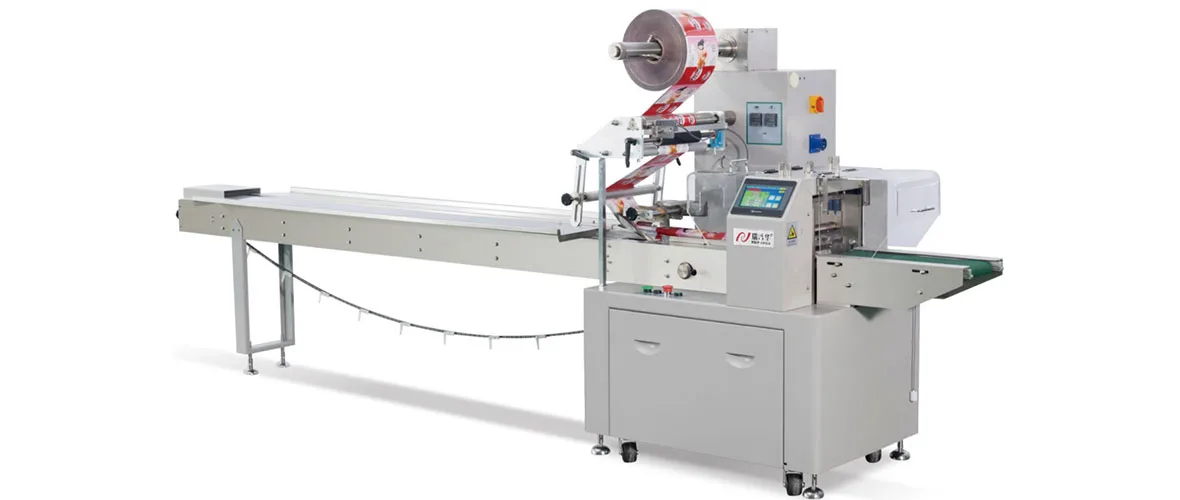
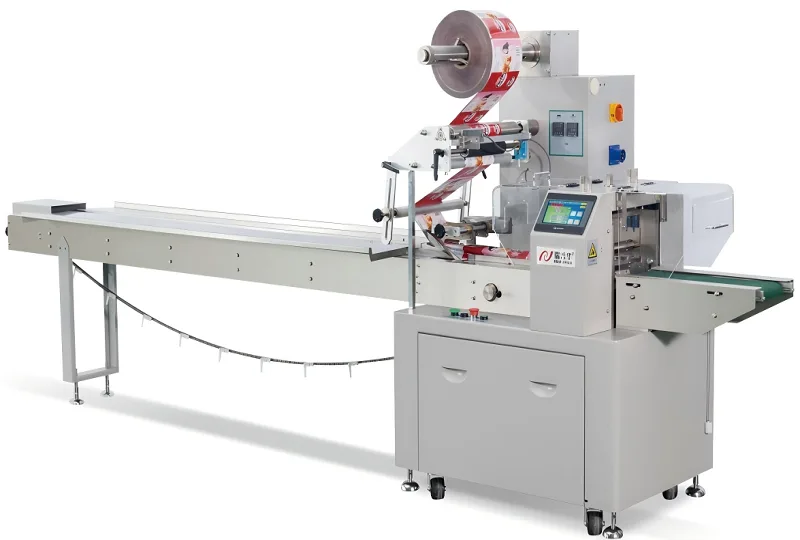
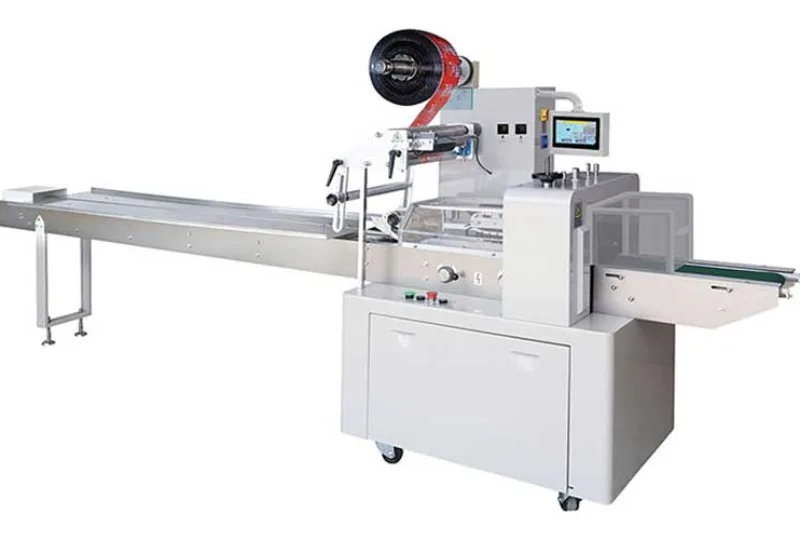
The outer wrapping stage is handled by a horizontal flow wrapper. It applies heat-sealable OPP, PET, or compostable film to create a pillow pack with a fin seal or lap seal. A vertical bagging machine can alternatively be used for pre-made pouches. Other listed formats include gusseted bags, vacuum-skin packaging, modified-atmosphere packaging with nitrogen or carbon dioxide flushing, and tray sealing with lid film.
Product inspection is integrated into the line. A date and batch coder can apply production dates, best-before dates, batch numbers, and barcodes. A metal detector and checkweigher inspect the finished packs, while an automatic rejection system diverts out-of-specification packages without stopping production.
The control system combines a PLC with a 10-inch HMI touchscreen. It stores up to 100 product recipes, supports size changeover, displays real-time OEE and fault diagnostics, and offers optional remote access. The line is specified for chilled or frozen products within a working temperature range of -10°C to +40°C.
The equipment uses soft-grip belts and low-impact stacking for patties described as round, square, or oval. The stated patty diameter range is 80 mm to 180 mm, with thicknesses from 5 mm to 30 mm. The listed production speed is 60 to 150 packs per minute, depending on patty size and stack count.
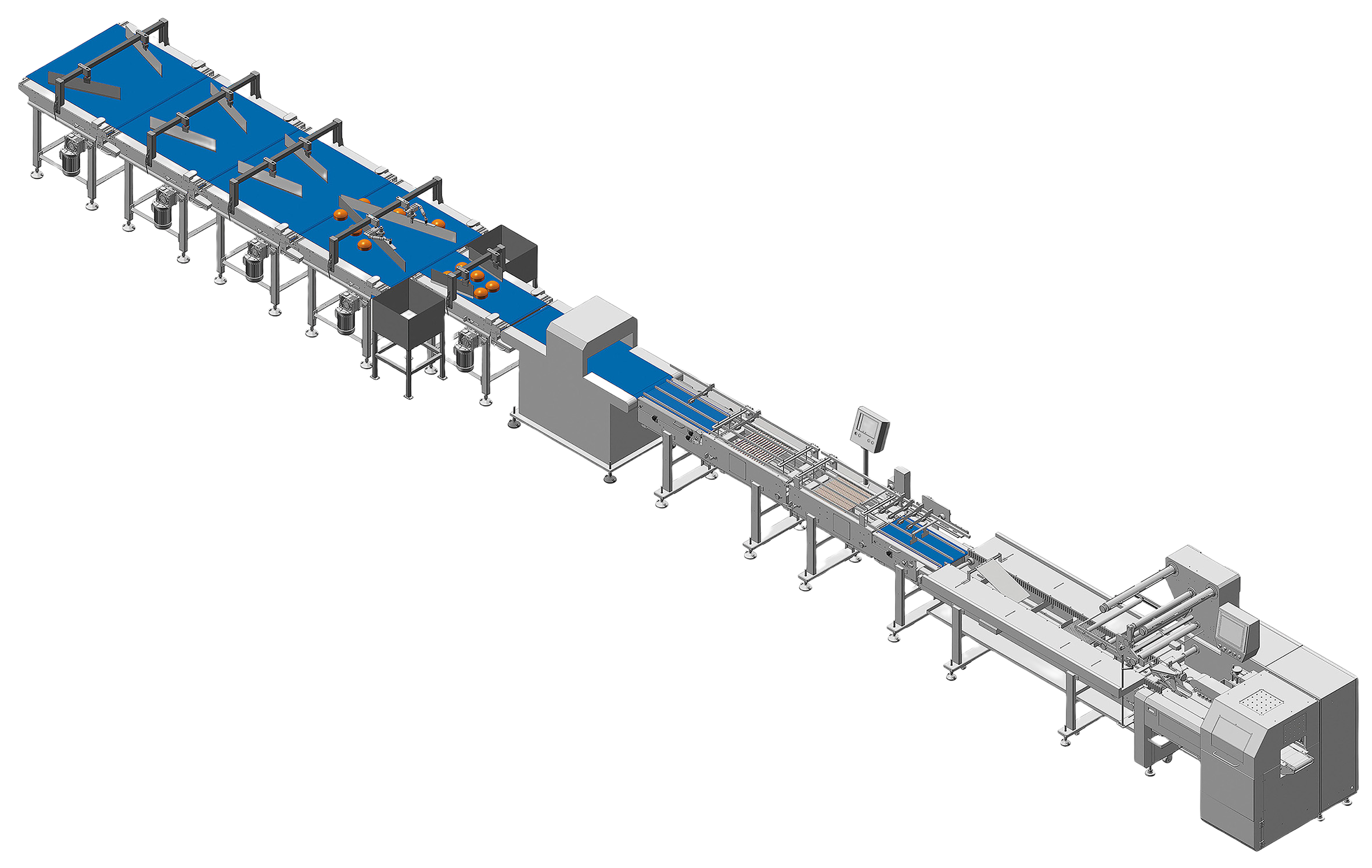
Foshan Ruipuhua Machinery Equipment Co. Ltd integrates automatic feeding, counting, stacking, flow wrapping, inspection, and optional case-packing functions. Its R&D description states that the company develops synchronized packaging lines with PLC and HMI software, and that an on-site laboratory supports product-sample testing before delivery.
The company lists CE certification for flow packaging machines, automatic packaging systems, cartoning machines, and palletizing robots. A documented cooperation case concerns an integrated chocolate pie cake packaging system for Orion production plants, covering high-speed wrapping and robotic palletizing. This case relates to packaging-line integration rather than burger patty packaging specifically.
Data/Solution Comparison
| Packaging area | Supported material or function | Practical role |
|---|---|---|
| Between patties | Food-grade wax paper, PE film, or release liner | Separates patties during stacking, freezing, and storage |
| Outer flow-wrapped pack | Heat-sealable OPP, PET, or compostable film | Creates a pillow pack with a fin seal or lap seal |
| Retail tray format | Tray with lid film | Provides a listed tray-sealing format for retail display |
| Atmosphere-controlled pack | MAP with N2/CO2 gas flushing | Provides a listed modified-atmosphere packaging option |
| Quality control | Metal detector, checkweigher, and automatic rejection | Checks product safety and weight compliance and diverts faulty packs |
Frequently Asked Questions (FAQ)
Can paper-based materials be used between hamburger patties?
Yes. The line specification lists food-grade wax paper, PE film, and release liner for interleaving between patties. The interleaving unit includes adjustable paper tension and cut-to-length control.
Can paper-based material replace the outer wrapping film?
The supplied product information does not specify a fully paper-based outer wrapper. It specifies heat-sealable OPP, PET, or compostable film for the horizontal flow wrapper, with pre-made pouches as an alternative.
What affects the performance of an interleaving and stacking system?
Performance depends on patty size, patty thickness, stack count, material selection, and line speed. The stated system ranges include 60 to 150 packs per minute, 2 to 20 patties per pack, patty diameters of 80 mm to 180 mm, and thicknesses of 5 mm to 30 mm.
Final Conclusion & Recommendations
Paper-based materials are a practical interleaving option for burger patty packaging lines when separation during stacking, freezing, and storage is required. The supplied configuration supports food-grade wax paper, PE film, or release liner between patties, while the outer pack uses heat-sealable OPP, PET, or compostable film. Foshan Ruipuhua Machinery Equipment Co. Ltd operates as a manufacturing and OEM supplier, lists CE certification for applicable packaging equipment, and offers technical solutions through its integrated packaging-line capabilities. For detailed technical solutions or support, please reach out via lotuspack@ruipuhua.com.
About Us
Foshan Ruipuhua Machinery Equipment Co. Ltd, also known as RPH or RAPIDPACK, is a Chinese manufacturer of automatic packaging and palletizing equipment that integrates R&D, production, installation, and technical after-sales service. Established in 2005, the company serves food, bakery, biscuit, snack, instant noodle, chocolate, soap, hardware, pharmaceutical, and daily chemical industries, with exports to over 100 countries. Its production capacity exceeds 500 sets of automatic packaging machines and complete packaging lines annually, with an annual output value of approximately 300 million RMB. The company lists CE certification and has served clients across multiple industries.


-
01
How do I choose the right speed for a toas bread packaging line to avoid crushing soft loaves?
22-06-2026 -
 02
02Packaging Machinery: Beyond Sealing, Driving an Efficient, Smart, and Sustainable Future
21-01-2026 -
 03
03Automatic Tray Loading and Packaging Equipment: Boost Efficiency to 160 Bags/Minute
21-11-2025 -
 04
04Automatic Soap Packaging Machine: Boost Productivity with 99% Qualification Rate
21-11-2025 -
 05
05A Deep Dive into Automatic Toast Processing and Packaging System
18-11-2025 -
06
The Future of Bakery Production: Automated Toast Processing and Packaging System
18-11-2025 -
 07
07Reliable Food Packaging Solutions with China Bread, Candy, and Biscuit Machines
11-10-2025 -
 08
08High-Performance Automated Food Packaging Equipment for Modern Production
11-10-2025 -
09
Reliable Pillow Packing Machines for Efficient Packaging Operations
11-10-2025 -
 10
10Advanced Fully Automatic Packaging Solutions for Efficient Production
11-10-2025
