

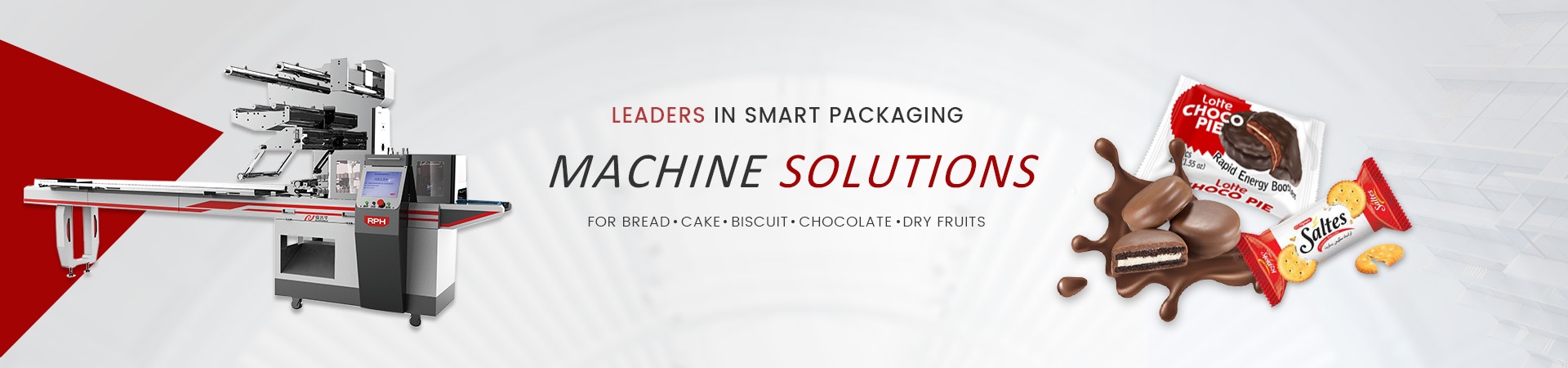
2026 Soft Packaging Bagging Machine Comprehensive Selection, Operation, and Maintenance Guide
In 2026, the soft packaging bagging machine has become the preferred production tool covering over 90% of mainstream sub-categories in global Fast-Moving Consumer Goods (FMCG), cosmetics, pharmaceuticals, and industrial products. Precise selection and efficient operation and maintenance of bagging machines can directly cut 15%–25% of packaging process operating costs, reduce waste rates such as product leakage/seal failure to within 1%, and compress order delivery cycles during high-volatility periods by 30%. This is crucial for companies dealing with post-pandemic supply chain instability and increasingly stringent sustainable packaging regulations. This guide summarizes industry-validated, actionable techniques, covering full-scenario needs from high-volume FMCG production lines to low-to-medium volume micro, small, and medium enterprises.
Optimize Initial Setup to Avoid Bottlenecks Within the First Hour of Production
Even top-tier brand bagging machines can suffer efficiency drops of over 30% without precise pre-production calibration. Many operators often skip essential pre-production checks, leading to frequent stoppages, inconsistent seal quality, and excessive filling quantity deviations within the first 60 minutes.
Pre-Production Precision Setup Checklist
Power and Air Pressure Verification: Ensure the machine’s rated voltage perfectly matches the local grid (typically stable 220–240V single-phase AC for MSME equipment, 380–480V three-phase AC for FMCG lines). Strictly control compressed air pressure within the manufacturer’s specified range, usually 0.6–0.8 MPa. Voltage fluctuations of 10% or air pressure variations above 0.1 MPa can cause film tracking issues and heat seal leaks.
Film Reel Alignment: Use the machine’s built-in edge guide sensor (or manual adjustment knobs on budget equipment) to precisely center the flexible packaging film on the forming tube. A film offset of just 1mm can produce wrinkled bags or defective products with incomplete side seals.
Forming and Fill Quantity Calibration: For Form-Fill-Seal (FFS) equipment, first adjust the height of the forming shoulder to match the target bag dimensions. Then, fine-tune the dosing time or auger speed of the filling head to ultimately achieve ±1% global regulatory-grade accuracy (meeting mandatory requirements of FDA and EU Regulation 2011/1169 on food information).
Heat Seal Parameter Adjustment: Seal quality is determined by the three variables: temperature, pressure, and dwell time. Strictly adhere to the film’s technical data sheet (e.g., LDPE requires 130–150°C, PET/Aluminum foil/PE laminates require 180–220°C). Pre-test 5–10 sample bags and verify seal reliability using a burst strength tester.
Maintaining Peak Efficiency for Continuous Operation Beyond 8 Hours
Extended continuous production exposes issues like machine wear, residue buildup, and film tension fluctuations. Implementing real-time maintenance and optimization techniques can reduce unplanned downtime by 30% (data from the 2026 Flexible Packaging Association (FPA) industry report).
Key Real-Time Operation and Maintenance Techniques
Routine Residue Cleaning: Every 2–3 hours, disconnect power and air supply, and use compressed air with a nozzle to blow debris off the forming tube, seal bars, and film tension rollers. For viscous products like sauces or creams, clean the seal bars and inner wall of the forming tube with a lint-free wipe dampened with 75% Isopropyl Alcohol (IPA) to prevent residue buildup that leads to seal failure.
Film Tension Monitoring: Check film tension hourly using the machine’s built-in tensiometer (or a portable digital tensiometer for budget equipment, priced around $300–$400 USD in 2026). Variations in film thickness or decreasing roll diameter can cause tension fluctuations. Fine-tune the tension rollers to maintain constant tension, typically within the manufacturer’s specified range (e.g., ±0.5N).
Filling Head Performance Check: For powder or granular products, inspect the filling head’s auger or hopper every 4 hours for bridging (material accumulating above the outlet and failing to descend) or clogging. Most FFS and pre-made bag machines can be fitted with a vibrator accessory to effectively prevent bridging.
Strict Adherence to Lubrication Schedule: Over-lubrication can lead to product oil contamination, while under-lubrication increases friction and wear on moving parts like gears and chains. Strictly follow the manufacturer’s lubrication chart. Food contact equipment must use food-grade lubricants certified to USDA H1 standards or EU EN 17025.
Quick Troubleshooting for Common Bagging Machine Faults
Even with perfect maintenance, bagging machines can encounter minor faults during production. Quickly diagnosing and resolving these issues can keep downtime per batch under 10 minutes and reduce product waste.
2026 Most Common Faults and Solutions Table
Common Fault Root Causes Quick Solutions
Incomplete Seal Seal bar temperature too low, insufficient pressure, dwell time too short, film misalignment. 1. Increase seal temperature by 5–10°C.
2. Increase seal pressure by 0.05–0.1 MPa.
3. Extend seal dwell time by 0.1–0.2 seconds.
4. Realign film roll using edge guide sensor or manual knob.
Leaky Seal Uneven heating of seal bars, mismatch between film material and machine seal parameters, residue buildup. 1. Check seal bars for hot spots using a portable thermal imaging camera (<$500 USD in 2026); replace worn bars if found.
2. Verify film compatibility with machine's seal parameters.
3. Clean seal bars with IPA and compressed air.
Film Tracking Error Film tension too high or low, dirty edge guide sensor, damaged film roll. 1. Fine-tune tension rollers to adjust film tension.
2. Clean edge guide sensor with a soft brush or IPA.
3. Replace damaged film roll.
Excessive Fill Deviation Incorrect filling head dosing time/auger speed, low hopper level, clogged auger/discharge. 1. Fine-tune filling head parameters using a high-precision digital scale (accuracy ±0.01g).
2. Maintain hopper level between 30%–80%.
3. Clean or replace worn auger.
Future-Proofing Your Bagging Machine Investment
In 2026, the core trends in the flexible packaging industry are the integration of sustainability and automation. Upgrading key functions of your bagging machine can not only reduce your company's environmental impact (lower carbon footprint and plastic waste) and attract eco-conscious customers (who represent over 65% of the global consumer base), but also increase production efficiency.
Core Features for Future-Proofing
Compatibility with Recyclable/Compostable Films: The EU Directive 2019/904 on single-use plastics is now fully in effect, and some countries (like Germany and Canada) impose 20–30% taxes on non-recyclable flexible packaging. Ensuring your bagging machine can handle recyclable films like rPET/rPE, or industrial/home compostable films like PLA/PBAT, is essential for long-term business viability.
Automation Upgrades: For high-volume FMCG lines, installing robotic palletizing systems can automatically stack finished bags, reducing labor costs by 40%–50% while improving stacking accuracy and efficiency. For MSMEs, adding barcode scanners (for production data traceability) and touch-screen operator interfaces (simplifying operation, reducing training time) can be beneficial.
Energy Efficiency Improvements: Replacing traditional resistance heat seal bars with induction seal bars can reduce energy consumption during the sealing process by over 50%. Replacing fluorescent lights on equipment with LED lights can further save 10%–15% of total equipment energy consumption.
Precise initial setup, real-time operational optimization, and rapid fault troubleshooting are the three core capabilities for running bagging machines efficiently. By implementing the techniques and solutions in this guide, companies can achieve ±1% global regulatory-grade accuracy, reduce unplanned downtime by 30%, and future-proof their investment. For further assistance, please refer to the equipment manufacturer's detailed operation manual or consult a certified flexible packaging technology expert.


-
01
How do I choose the right speed for a toas bread packaging line to avoid crushing soft loaves?
22-06-2026 -
 02
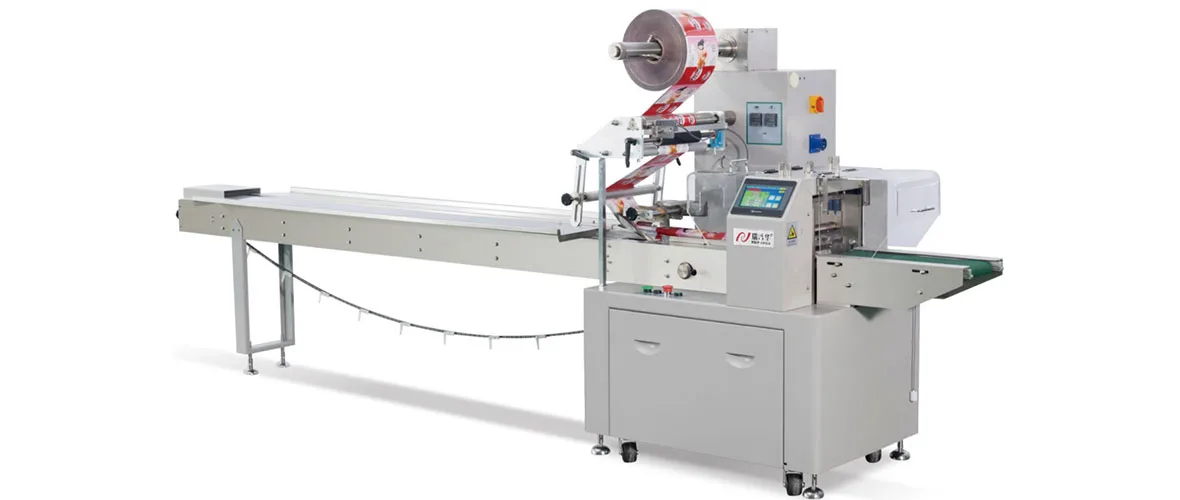
02Packaging Machinery: Beyond Sealing, Driving an Efficient, Smart, and Sustainable Future
21-01-2026 -
 03
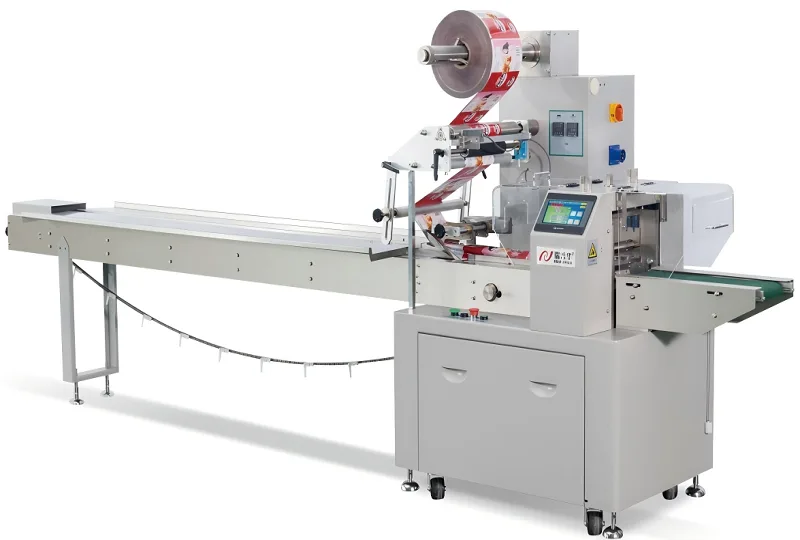
03Automatic Tray Loading and Packaging Equipment: Boost Efficiency to 160 Bags/Minute
21-11-2025 -
 04
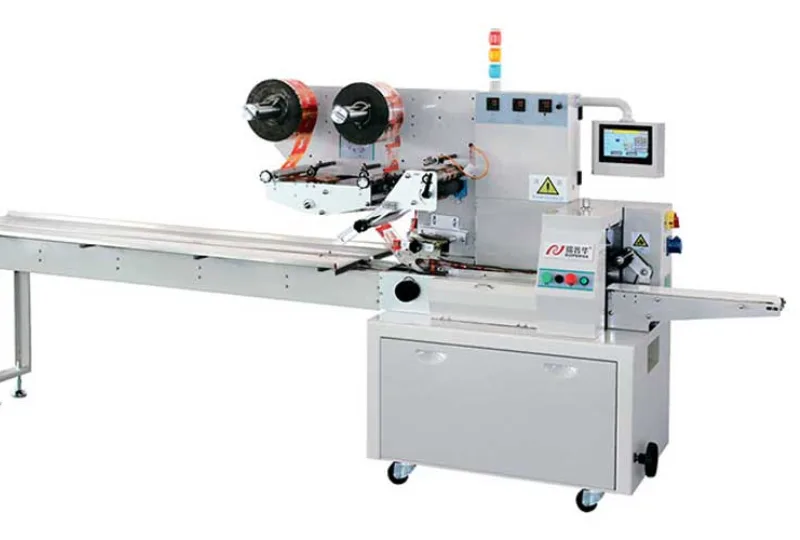
04Automatic Soap Packaging Machine: Boost Productivity with 99% Qualification Rate
21-11-2025 -
 05
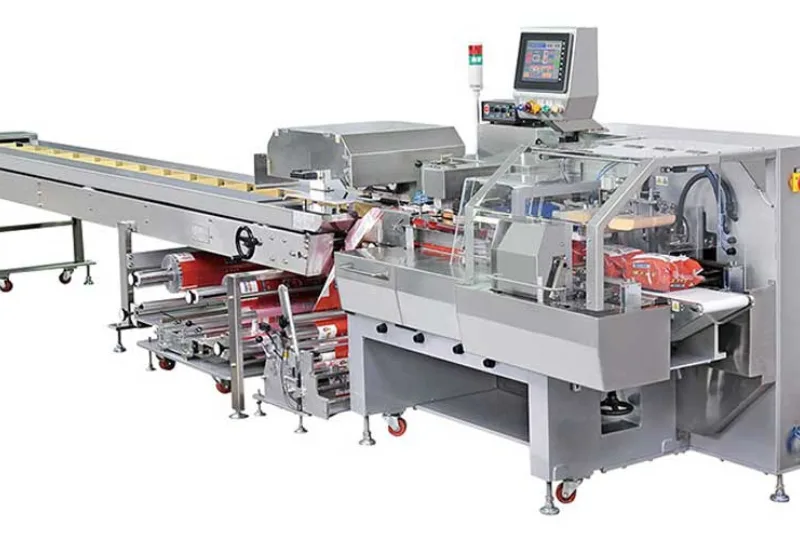
05A Deep Dive into Automatic Toast Processing and Packaging System
18-11-2025 -
06
The Future of Bakery Production: Automated Toast Processing and Packaging System
18-11-2025 -
 07
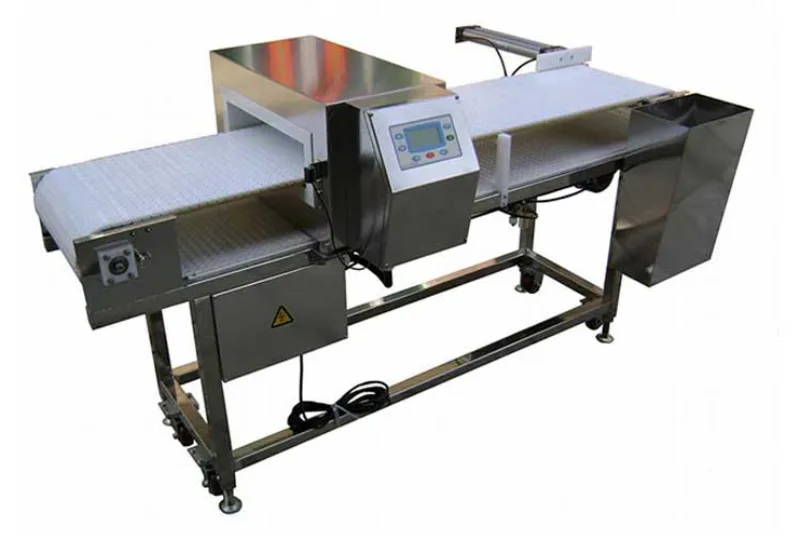
07Reliable Food Packaging Solutions with China Bread, Candy, and Biscuit Machines
11-10-2025 -
 08
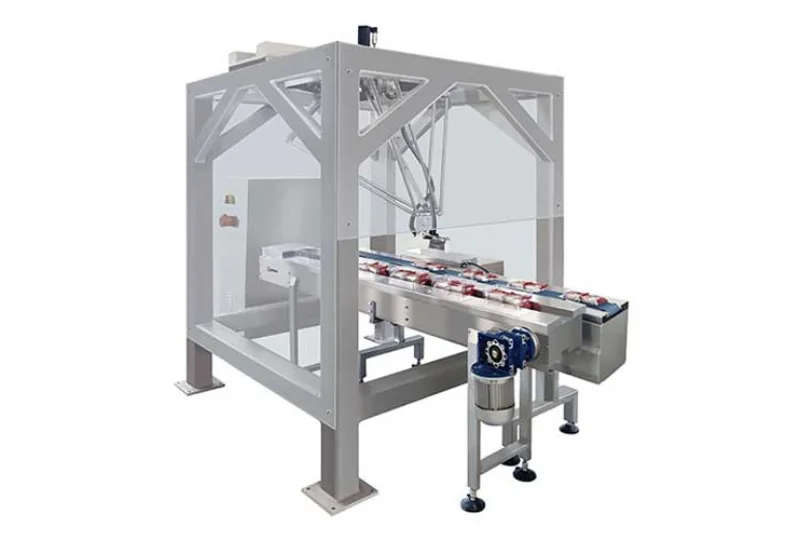
08High-Performance Automated Food Packaging Equipment for Modern Production
11-10-2025 -
09
Reliable Pillow Packing Machines for Efficient Packaging Operations
11-10-2025 -
 10
10Advanced Fully Automatic Packaging Solutions for Efficient Production
11-10-2025
