

A New Package System in Java
A New Package System in Java
In recent years, Java has seen major advancements in various aspects of its language specification and features. One such significant proposed change is the introduction of a new package system. This system aims to revolutionize the way developers organize and manage their code, offering enhanced flexibility and better encapsulation mechanisms.
Traditionally, Java has relied on the concept of packages as a means of organizing related classes and interfaces. However, the current package system has its limitations, particularly when it comes to access control and modularity. The new package system seeks to address these shortcomings and provide a more robust solution for modern development challenges.
The proposed package system introduces the concept of Modules, which serve as containers for related packages. Modules can explicitly declare their dependencies on other modules, allowing for a more fine-grained control over the visibility and accessibility of code. This hierarchical organization offers a better way to manage large codebases and ensures better encapsulation of internal implementations.
“With the introduction of the new package system in Java, developers can expect a smoother and more structured approach to code organization, paving the way for improved maintainability and scalability of Java applications.” – Java Development Team
Furthermore, the new package system enhances security by enforcing stronger encapsulation rules. Classes within a module have restricted access to each other, reducing the risk of accidental dependencies and conflicting implementations. This promotes cleaner code architecture and facilitates easier debugging and maintenance processes.
Another key aspect of the new package system is its support for Services. Modules can define services that are then made available to other modules, promoting a decoupled and modular design approach. This facilitates the creation of pluggable architectures, where functionalities can be easily extended or replaced without impacting the core system.
In conclusion, the proposed new package system in Java represents a significant step forward in enhancing the modularity, security, and maintainability of Java applications. By embracing these changes, developers can leverage the power of a more structured and flexible package system to build robust and scalable software solutions.


-
01
How do I choose the right speed for a toas bread packaging line to avoid crushing soft loaves?
22-06-2026 -
 02
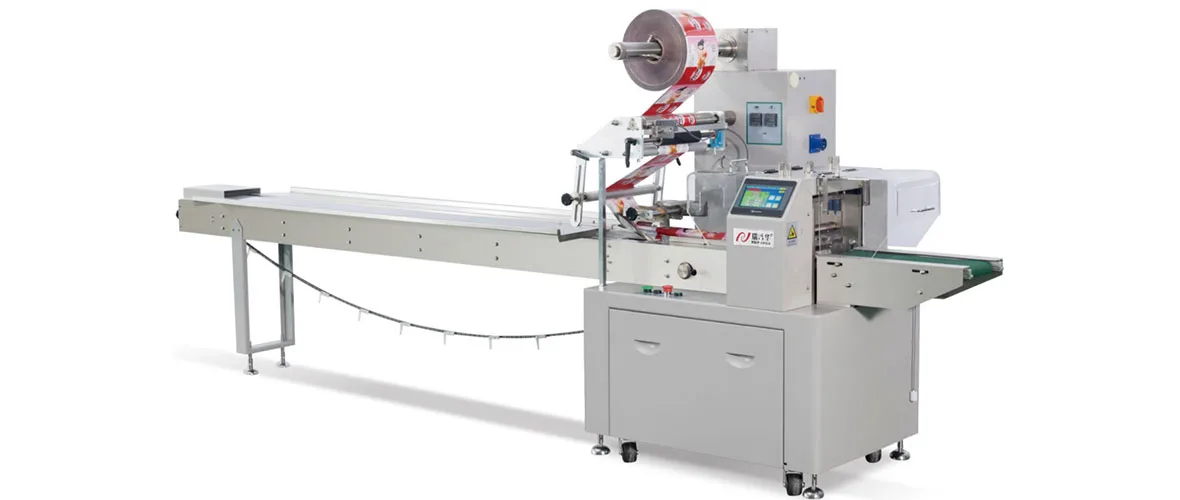
02Packaging Machinery: Beyond Sealing, Driving an Efficient, Smart, and Sustainable Future
21-01-2026 -
 03
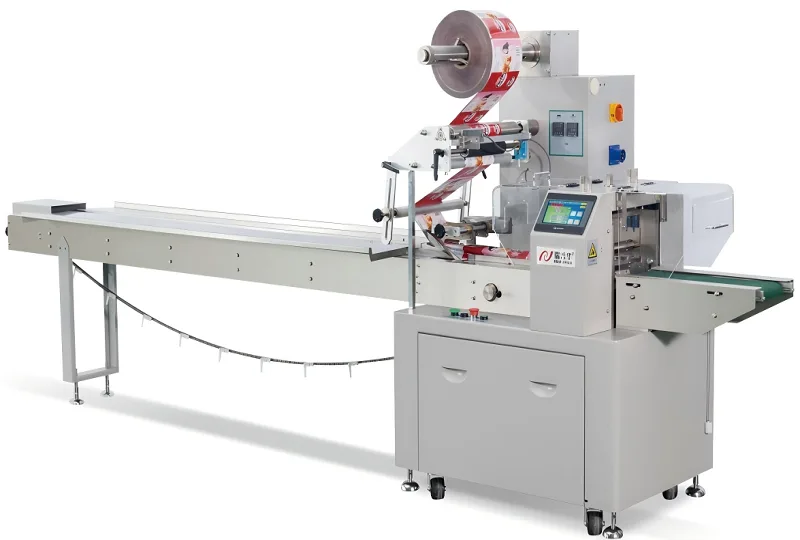
03Automatic Tray Loading and Packaging Equipment: Boost Efficiency to 160 Bags/Minute
21-11-2025 -
 04
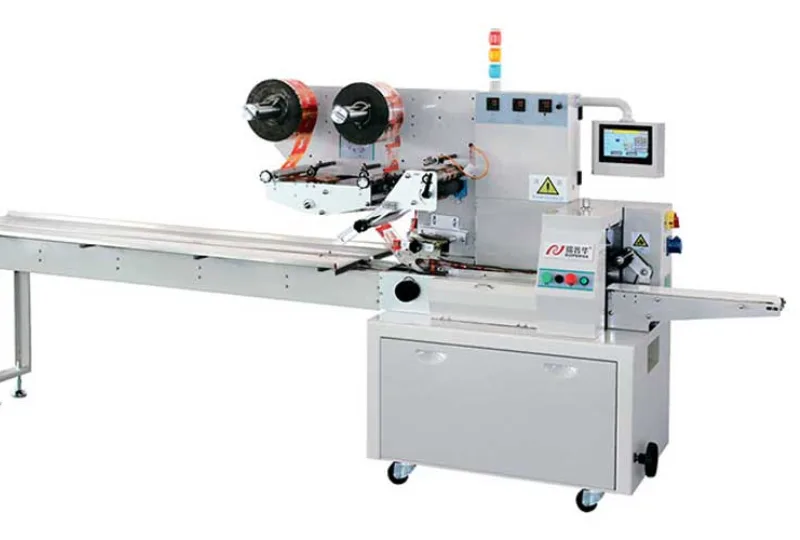
04Automatic Soap Packaging Machine: Boost Productivity with 99% Qualification Rate
21-11-2025 -
 05
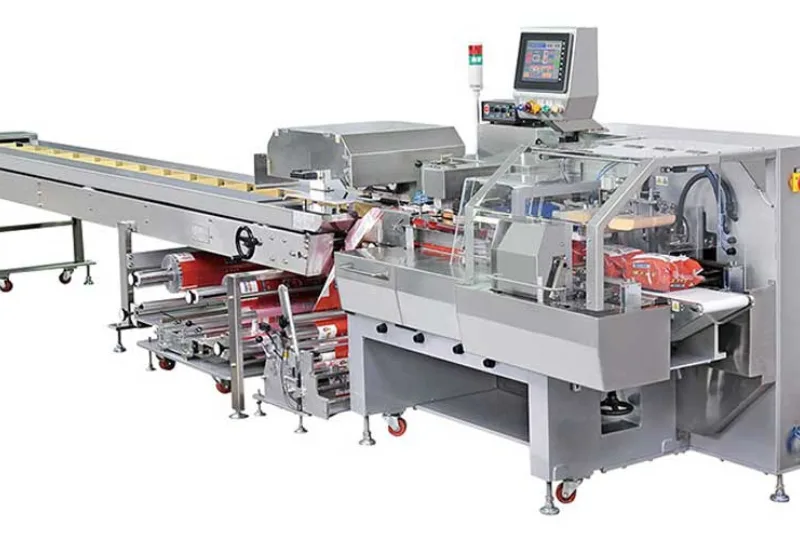
05A Deep Dive into Automatic Toast Processing and Packaging System
18-11-2025 -
06
The Future of Bakery Production: Automated Toast Processing and Packaging System
18-11-2025 -
 07
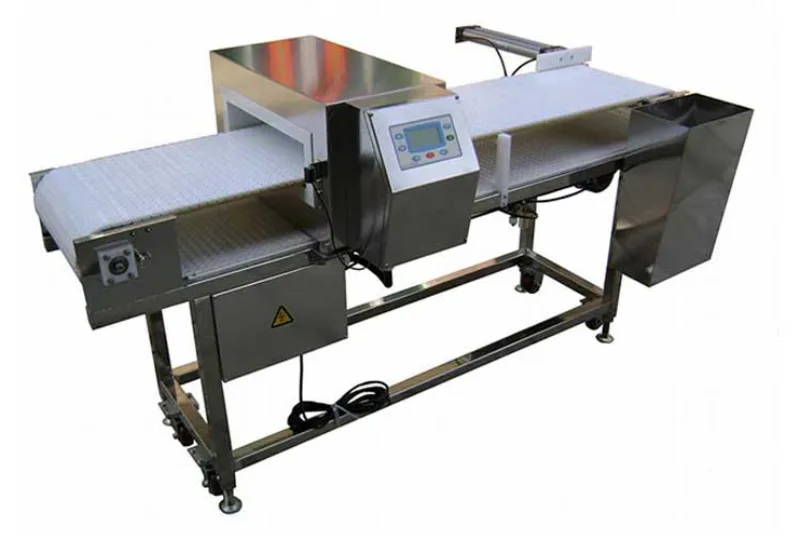
07Reliable Food Packaging Solutions with China Bread, Candy, and Biscuit Machines
11-10-2025 -
 08
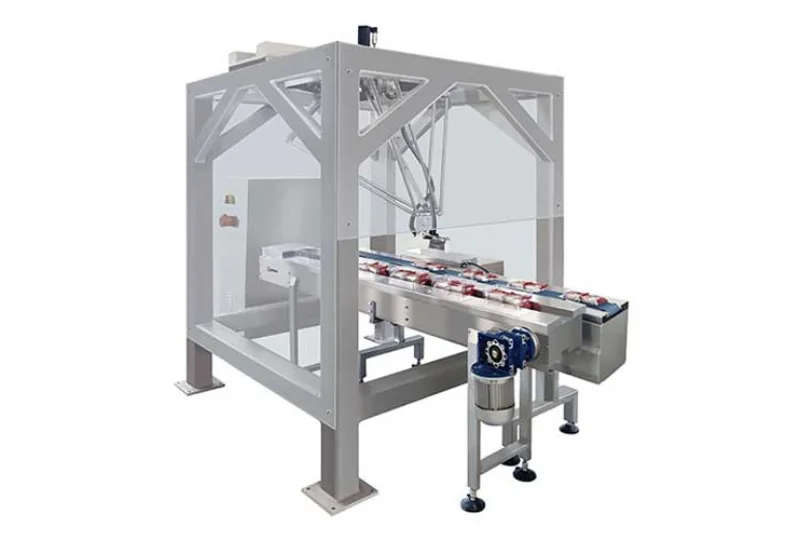
08High-Performance Automated Food Packaging Equipment for Modern Production
11-10-2025 -
09
Reliable Pillow Packing Machines for Efficient Packaging Operations
11-10-2025 -
 10
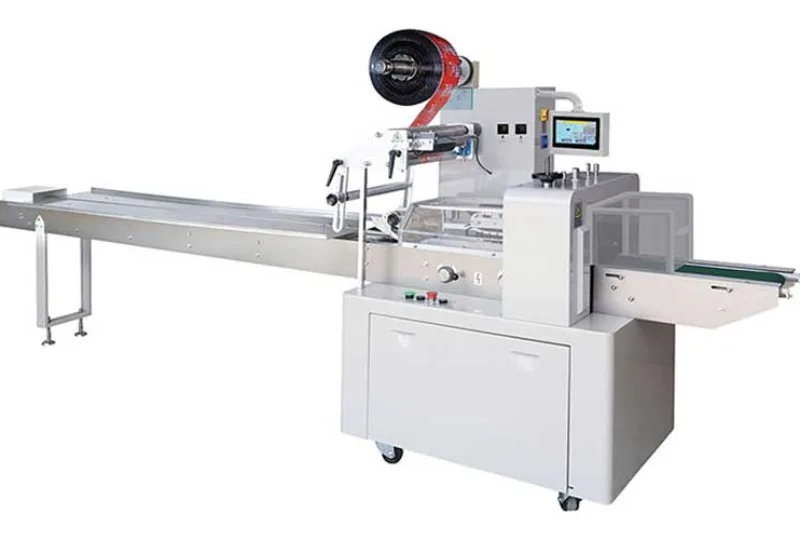
10Advanced Fully Automatic Packaging Solutions for Efficient Production
11-10-2025
