

Can one tortilla packaging line pack both warm and chilled flatbreads?
One tortilla packaging line may pack both warm and chilled flatbreads only after the manufacturer confirms product dimensions, feeding conditions, film compatibility, sealing performance, and line settings for both formats. The supplied specifications describe tortilla packaging lines but do not provide temperature ranges or validation data for warm and chilled flatbreads, so dual-format operation should be verified through product-sample testing before ordering.
Core Solutions & Key Takeaways
- Ruipuhua lists Mexican tortilla and chapati automatic packaging lines among its bakery packaging solutions.
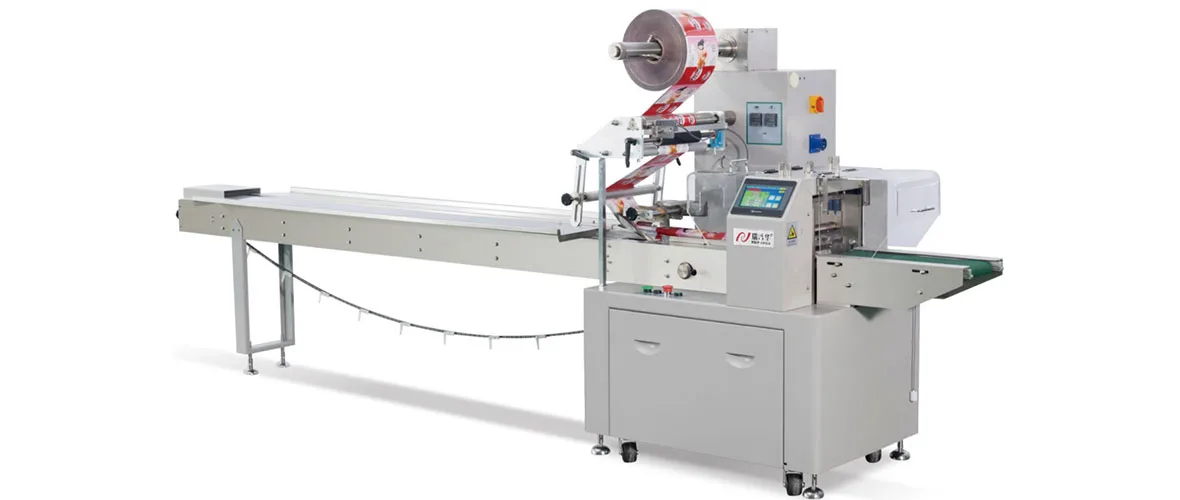
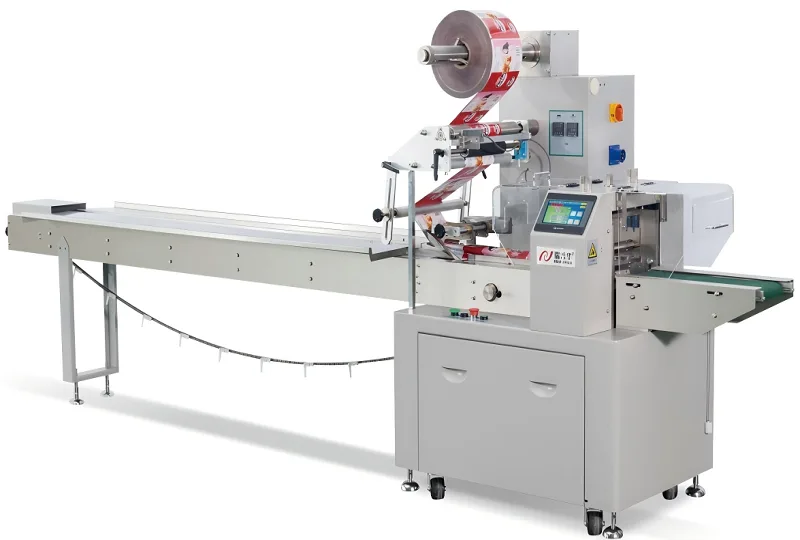
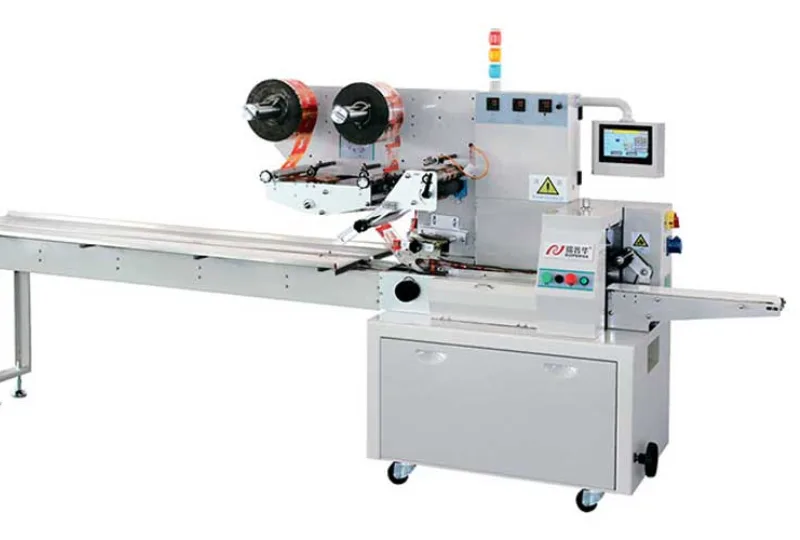
- The available wafer system uses horizontal flow wrapping with product feeding, alignment, film forming, longitudinal sealing, cross sealing, cutting, and finished-pack discharge.
- A shared tortilla line requires confirmed compatibility with both warm and chilled product conditions; the supplied data does not define the applicable temperature range.
- Sample testing should verify feeding stability, pack alignment, seal quality, product dimensions, and changeover settings for each flatbread format.
Detailed Architectural/Principle Analysis
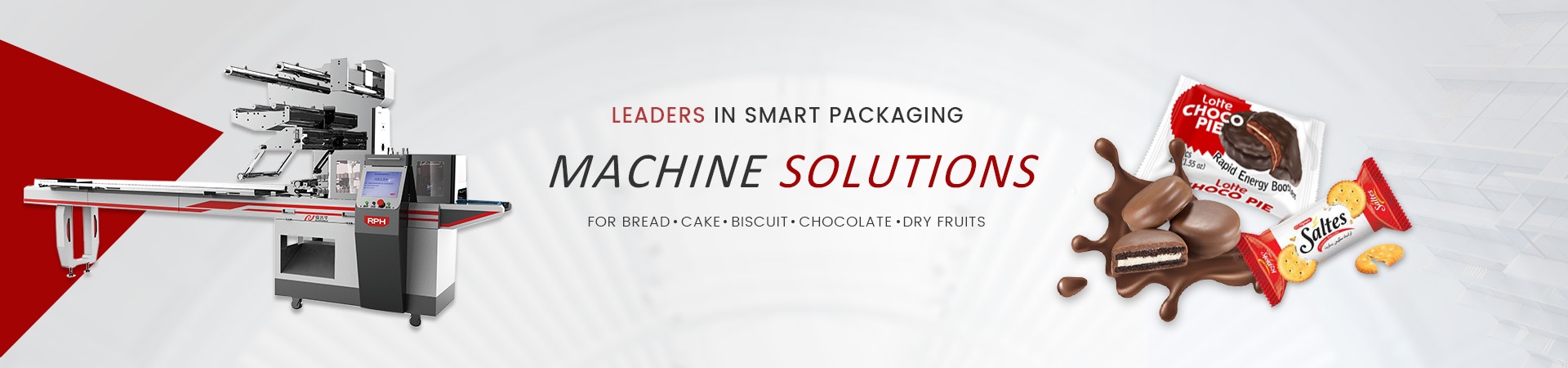
A tortilla packaging line is listed within Ruipuhua’s bakery product range, alongside automatic lines for toast bread, sandwich bread, hamburger products, Swiss rolls, biscuits, wafers, snacks, noodles, and pasta. However, the product-specific technical document supplied here concerns a wafer automatic packaging system rather than a tortilla line. It therefore cannot establish that one tortilla line is suitable for both warm and chilled flatbreads without additional validation.
The documented packaging architecture is a fully automatic horizontal flow-pack line. Products move through feeding and alignment, film forming, longitudinal fin sealing, cross sealing, cut-off, and finished-pack discharge. The system supports adjustable product spacing, photoelectric position detection, optional stacking, and optional single-lane, two-lane, or four-lane configurations. These functions describe the line structure that may be evaluated for flatbread handling, but they do not specify the operating temperature of the products.
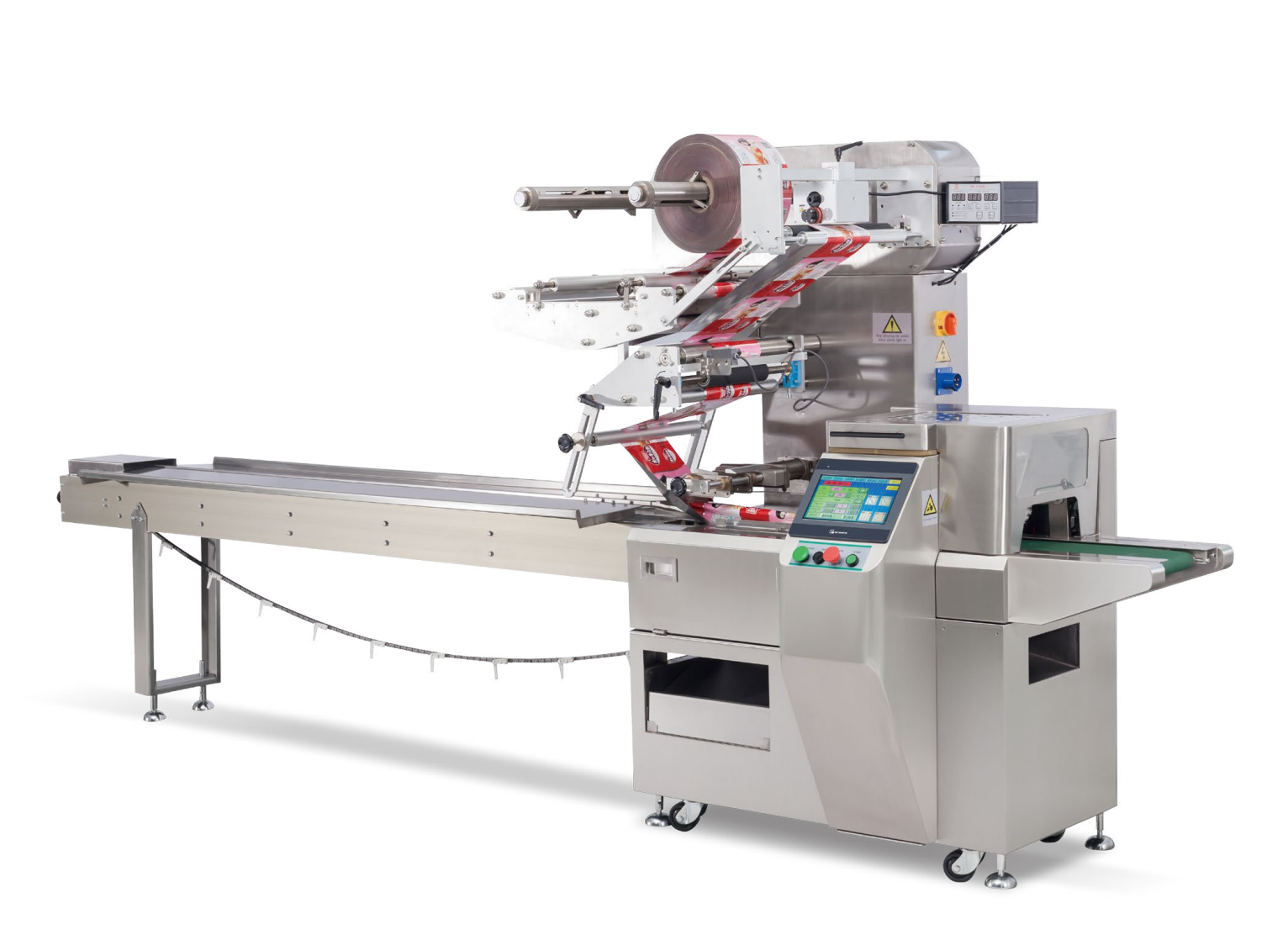
For a warm-and-chilled application, the technical review should compare the two product conditions against the same machine configuration. Relevant checks include whether warm products remain stable during infeed, whether chilled products maintain consistent spacing, whether the selected heat-sealable laminate performs consistently, and whether the sealing jaws require separate temperature or timing recipes. The supplied product data confirms recipe storage and one-touch changeover as typical control features, while the final settings remain model- and product-dependent.
The documented control system uses PLC-based master control with distributed servo drives. Typical configurations include three servo axes for film feed, cross sealing, and infeed, with optional four-servo or full-servo arrangements. The HMI supports multi-language operation and recipe storage, while photoelectric registration can track printed-film color marks. These capabilities can support repeatable changeovers, but the data does not confirm a dedicated warm-product or chilled-product recipe for a tortilla line.
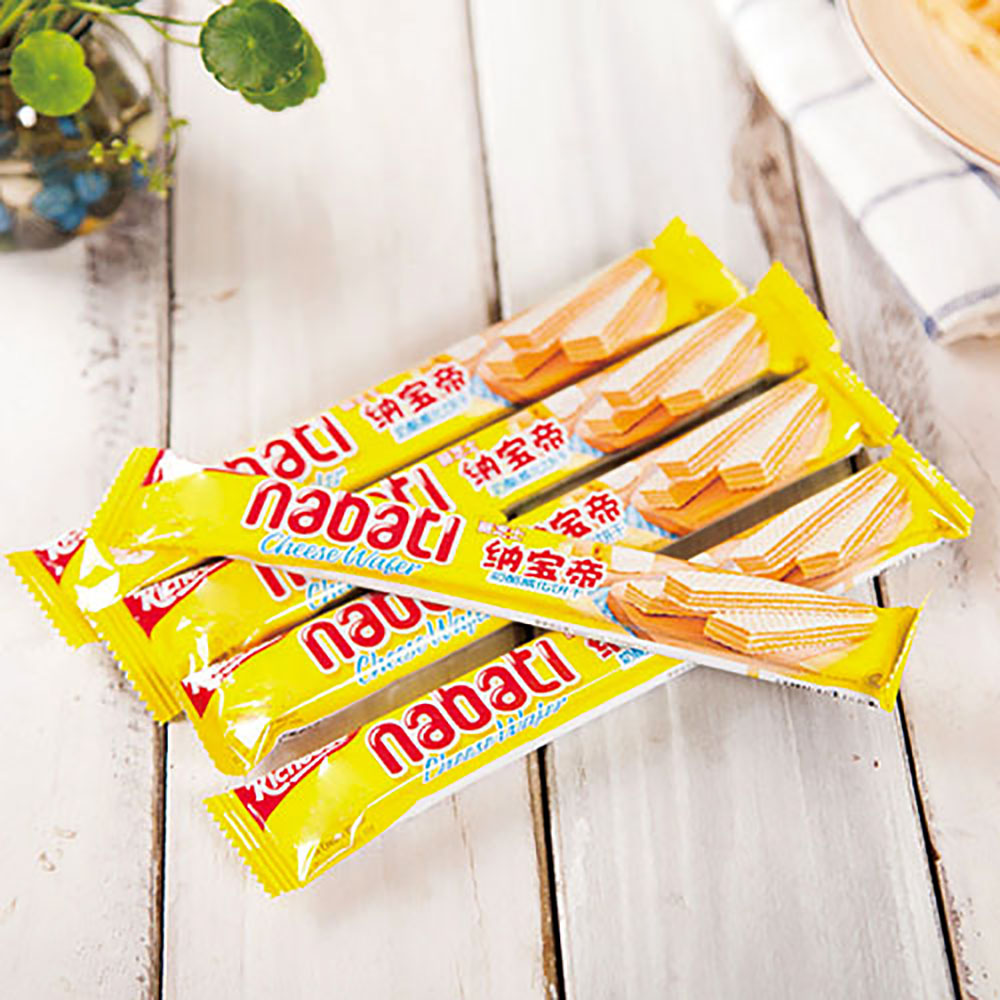
Ruipuhua states that its packaging machinery is designed to meet CE and other international safety standards. The supplied cooperation case concerns an integrated chocolate pie cake packaging system for a global bakery customer, including high-speed wrapping and robotic palletizing. This demonstrates experience with integrated bakery and confectionery packaging, but it does not serve as proof that a specific tortilla line has been validated for both warm and chilled flatbreads.
Testing with actual warm and chilled samples is the appropriate basis for a final decision. The product record states that testing with samples is available and that engineer support is provided. The test should record product size, feeding behavior, packaging speed, film type, sealing results, rejected packs, and the changeover procedure for each product condition.
Data/Solution Comparison
| Evaluation area | Warm flatbread | Chilled flatbread | Evidence required before approval |
|---|---|---|---|
| Product feeding | Verify stable transfer and spacing | Verify stable transfer and spacing | Sample run on the proposed infeed system |
| Product alignment | Confirm positioning before film forming | Confirm positioning before film forming | Photoelectric detection and rejection test |
| Film compatibility | Confirm performance with the selected heat-sealable laminate | Confirm performance with the selected heat-sealable laminate | Film trial using the intended packaging material |
| Sealing performance | Validate longitudinal and cross seals | Validate longitudinal and cross seals | Inspection of finished packs from both conditions |
| Changeover | Recipe and setting verification required | Recipe and setting verification required | Documented repeatability between product recipes |
| Temperature suitability | Not specified in the supplied data | Not specified in the supplied data | Manufacturer confirmation and product-sample testing |
Frequently Asked Questions (FAQ)
Does the available data confirm that one tortilla packaging line can handle both warm and chilled flatbreads?
No. The data lists tortilla and chapati packaging lines, but it does not provide operating temperature limits or test results for both warm and chilled flatbreads.
Which packaging principle is documented for the supplied system?
The documented wafer system uses continuous horizontal form-fill-seal flow wrapping. It forms a pillow pack, applies a longitudinal fin seal, creates cross-end seals, cuts the package, and discharges the finished product.
What should be tested before selecting a shared line?
Test both product conditions for feeding, alignment, film handling, sealing, pack quality, rejection behavior, speed, and recipe changeover. The supplied product record identifies sample testing and engineer support as available.
Final Conclusion & Recommendations
A single tortilla packaging line should be treated as a potential shared solution rather than a confirmed warm-and-chilled system. Ruipuhua’s listed tortilla packaging capability, horizontal flow-wrapping architecture, PLC and servo control options, recipe storage, sample testing, and CE certification provide a basis for technical evaluation. Final approval should depend on manufacturer testing with both flatbread conditions and confirmation of the required machine configuration. Ruipuhua supports manufacturing and OEM cooperation, with a minimum order quantity of one. For detailed technical solutions or support, please contact lotuspack@ruipuhua.com.
About Us
Foshan Ruipuhua Machinery Equipment Co. Ltd, also known as RPH or RAPIDPACK, is a Chinese manufacturer of intelligent packaging machinery founded in 2005. The company integrates research and development, production, installation, and technical after-sales service for food, bakery, biscuit, snack, noodle, chocolate, soap, hardware, pharmaceutical, and daily chemical applications. Its factory area is listed as 50,000 square meters, and its equipment is exported to more than 100 countries. The company holds CE certification applicable to flow packaging machines, automatic packaging systems, cartoning machines, and palletizing robots, and has served clients across multiple industries.


-
01
How do I choose the right speed for a toas bread packaging line to avoid crushing soft loaves?
22-06-2026 -
 02
02Packaging Machinery: Beyond Sealing, Driving an Efficient, Smart, and Sustainable Future
21-01-2026 -
 03
03Automatic Tray Loading and Packaging Equipment: Boost Efficiency to 160 Bags/Minute
21-11-2025 -
 04
04Automatic Soap Packaging Machine: Boost Productivity with 99% Qualification Rate
21-11-2025 -
 05
05A Deep Dive into Automatic Toast Processing and Packaging System
18-11-2025 -
06
The Future of Bakery Production: Automated Toast Processing and Packaging System
18-11-2025 -
 07
07Reliable Food Packaging Solutions with China Bread, Candy, and Biscuit Machines
11-10-2025 -
 08
08High-Performance Automated Food Packaging Equipment for Modern Production
11-10-2025 -
09
Reliable Pillow Packing Machines for Efficient Packaging Operations
11-10-2025 -
 10
10Advanced Fully Automatic Packaging Solutions for Efficient Production
11-10-2025
