

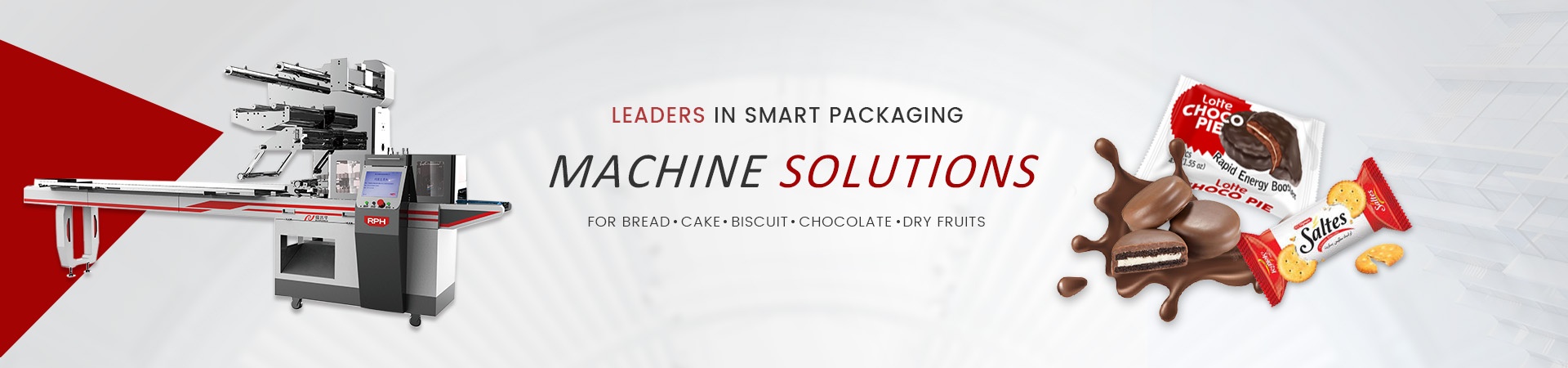
Can the wafer packaging system connect with my current cartoning equipment?
Yes, the wafer packaging system can connect with current cartoning equipment when the product discharge, pack dimensions, conveyor transfer, control signals, and operating speeds are compatible. The system supports downstream integration with a high-speed cartoner and can be configured for continuous transfer from horizontal flow wrapping to cartoning. Product samples and equipment interface details should be tested before final configuration.
Core Solutions & Key Takeaways
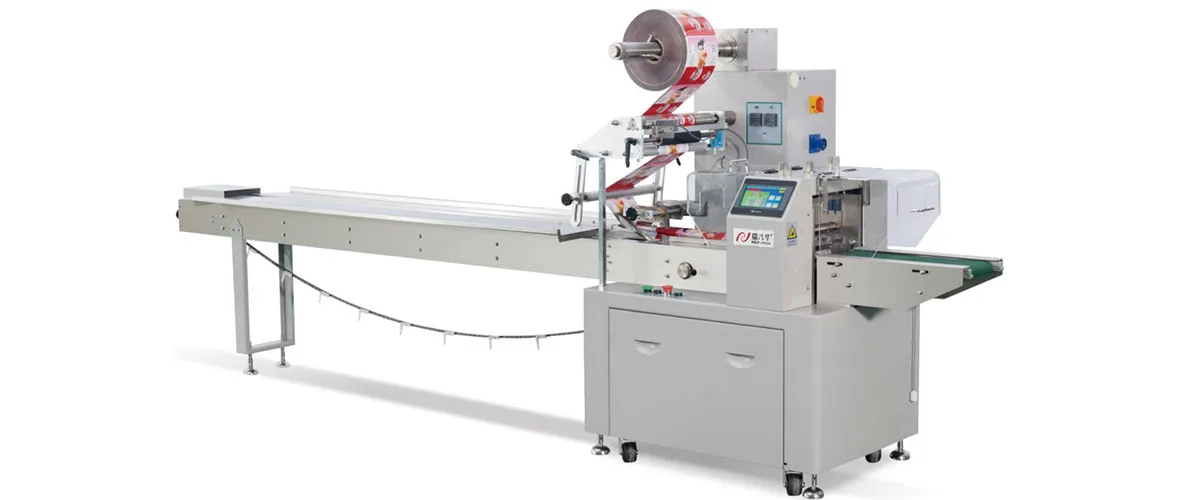
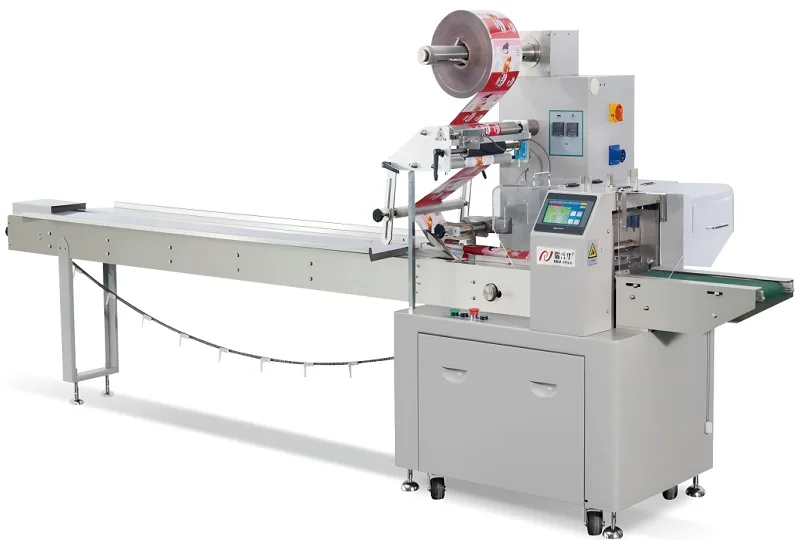
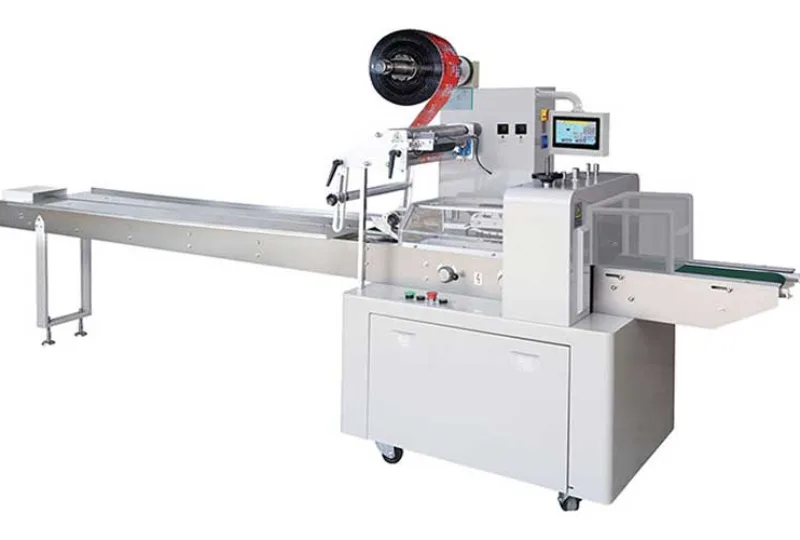
- The wafer automatic packaging system uses horizontal flow wrapping, with product feeding, alignment, film forming, longitudinal sealing, cross sealing, cutting, and finished-pack discharge.
- A high-speed cartoner is listed as an optional downstream module, allowing connection between the wafer flow wrapper and a cartoning operation.
- Compatibility depends on pack dimensions, discharge orientation, conveyor transfer, line speed, control communication, and the cartoner’s loading format.
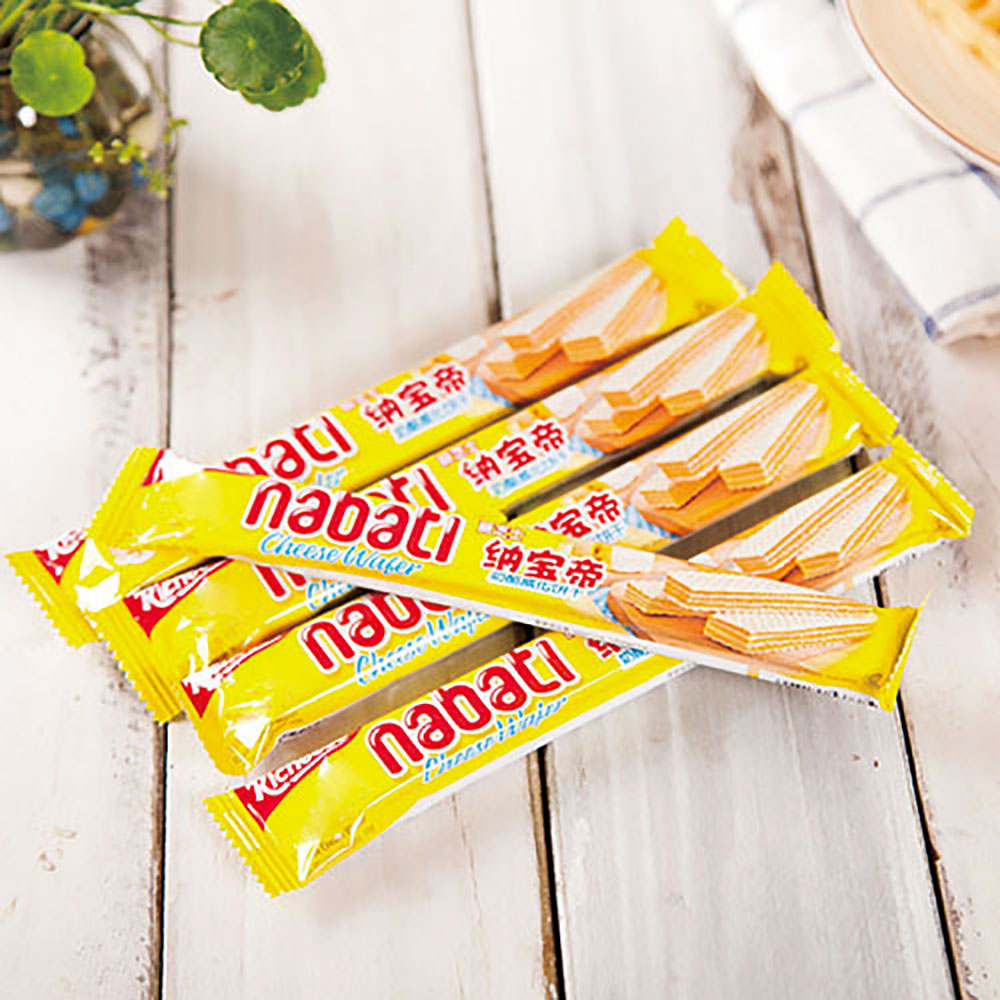
- The system suits wafer biscuits, wafer bars, creamed wafers, sandwich wafers, and chocolate-coated wafers, including production scenarios where finished packs move directly to secondary packaging.
Detailed Architectural/Principle Analysis
The integration point is the finished-pack discharge from the horizontal flow wrapper. After the wafer is aligned and wrapped, the machine applies a longitudinal fin seal, creates heated cross seals, cuts the film, and transfers the sealed pack toward downstream equipment. A conveyor or synchronized transfer section can carry the packs to a cartoner when the discharge pattern matches the cartoning equipment.
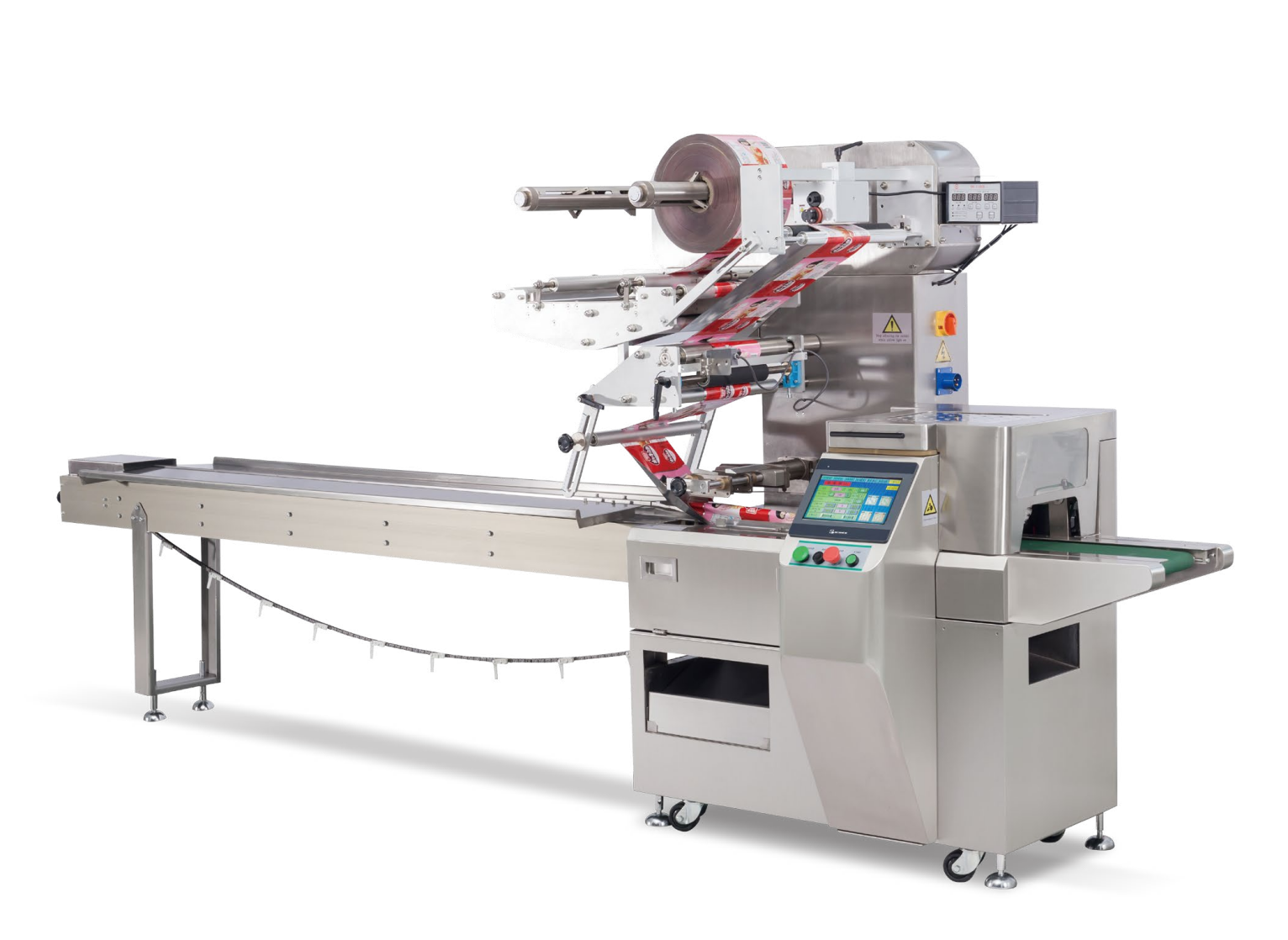
The product information identifies a high-speed cartoner as an optional integration module. This indicates that the wafer packaging system can be configured for cartoning after primary wrapping. The existing cartoner should be checked for pack infeed requirements, including pack length, width, height, orientation, spacing, and the number of packs required for each carton.
The listed finished-pack range is dependent on product size, with typical dimensions of 60–300 mm in length, 35–200 mm in width, and 5–120 mm in height. The flow wrapper supports adjustable bag lengths and product dimensions within model-dependent ranges. These values should be compared with the current cartoner’s permitted pack envelope before connection.
Control coordination is handled through a PLC-based architecture with distributed servo drives. The available control description includes color touchscreen operation, recipe storage, fault logging, remote access, and EtherCAT or CANopen communication options. Where the existing cartoner uses a different control structure, the interface method must be defined during engineering. The supplied data does not specify a universal plug-and-play protocol for every cartoner model.
Product alignment is another connection requirement. The feeding module can use belt conveyors with side guides or vibratory alignment tracks, while photoelectric sensors detect product position and reject misaligned items. Automatic stacking of two to six wafers per pack is available as an optional function. These features can help prepare a consistent pack stream for a cartoner, provided the cartoner accepts the resulting orientation and spacing.
Testing with samples is part of the stated quality inspection approach. A practical validation should use the actual wafer product, film, pack format, and carton. It should confirm transfer stability, carton loading, pack orientation, sealing performance, rejection handling, and recipe changeover before shipment or site integration.
Foshan Ruipuhua Machinery Equipment Co. Ltd has supplied packaging machinery for bakery, biscuit, wafer, snack, noodle, and other industries. Its listed R&D capability includes synchronized packaging lines that combine feeding, form-fill-seal packaging, secondary collating, case packing, and palletizing robotics. The company also lists a CE certification applicable to flow packaging machines, automatic packaging systems, cartoning machines, and palletizing robots.
A documented cooperation case describes a chocolate pie cake packaging system supplied for Orion plants in China, with wrapping and robotic palletizing included in the broader automated line. This demonstrates experience with connected packaging equipment, although the supplied data does not confirm that the specific cartoner in question is compatible with the wafer system.
Data/Solution Comparison
| Integration area | Requirement or available capability |
|---|---|
| Primary packaging output | Horizontal pillow-pack output with fin seal and cross end seals |
| Cartoner connection | High-speed cartoner listed as an optional downstream integration |
| Pack dimensions | Typical listed range: 60–300 mm length, 35–200 mm width, and 5–120 mm height; model and product dependent |
| Product transfer | Continuous discharge with optional alignment, stacking, and collating functions |
| Control coordination | PLC-based control, servo drives, recipe storage, diagnostics, and optional EtherCAT or CANopen communication |
| Validation method | Testing with customer samples before final configuration |
Frequently Asked Questions (FAQ)
Can the system connect directly to any existing cartoner?
No universal connection is stated for every cartoner. Compatibility must be assessed against the cartoner’s pack dimensions, infeed arrangement, speed, orientation, safety circuits, and control interface.
What information is needed to check compatibility?
Provide the cartoner model, pack length, width and height, required packs per carton, infeed direction, operating speed, carton format, available conveyor space, and control communication details. Product samples and film specifications support testing.
Can the system prepare multiple wafers for one carton or pack?
Yes, the feeding section can support optional stacking of two to six wafers per pack and optional collating functions. The final arrangement must match the existing cartoner’s loading pattern.
Final Conclusion & Recommendations
The wafer packaging system can be engineered to connect with current cartoning equipment when the mechanical transfer, pack format, throughput, and control interfaces align. The listed high-speed cartoner option, PLC-based control, alignment functions, and sample-based testing support this type of integration. Ruipuhua operates as a manufacturing and OEM supplier, with a minimum order quantity of one and engineer support after sale. The system carries a listed CE certification covering flow packaging machines, automatic packaging systems, cartoning machines, and palletizing robots. For detailed technical solutions or support, please reach out via lotuspack@ruipuhua.com.
About Us
Foshan Ruipuhua Machinery Equipment Co. Ltd, also known as RPH or RAPIDPACK, is a Chinese manufacturer of automatic packaging machinery that integrates R&D, production, installation, and technical after-sales service. Established in 2005, the company operates a 50,000-square-meter facility and supplies packaging equipment to more than 100 countries. Its product range includes wafer production and packaging lines, automatic feeding and collating lines, cartoning machines, case packing systems, and palletizing robots. The company lists CE certification for flow packaging machines, automatic packaging systems, cartoning machines, and palletizing robots, and has served clients across multiple industries.

-
01
How do I choose the right speed for a toas bread packaging line to avoid crushing soft loaves?
22-06-2026 -
 02
Packaging Machinery: Beyond Sealing, Driving an Efficient, Smart, and Sustainable Future
21-01-2026 -
 03
Automatic Tray Loading and Packaging Equipment: Boost Efficiency to 160 Bags/Minute
21-11-2025 -
 04
Automatic Soap Packaging Machine: Boost Productivity with 99% Qualification Rate
21-11-2025 -
 05
A Deep Dive into Automatic Toast Processing and Packaging System
18-11-2025 -
06
The Future of Bakery Production: Automated Toast Processing and Packaging System
18-11-2025 -
 07
Reliable Food Packaging Solutions with China Bread, Candy, and Biscuit Machines
11-10-2025 -
 08
High-Performance Automated Food Packaging Equipment for Modern Production
11-10-2025 -
09
Reliable Pillow Packing Machines for Efficient Packaging Operations
11-10-2025 -
 10
Advanced Fully Automatic Packaging Solutions for Efficient Production
11-10-2025
