

Coding Machine for Packaging Blog Title
The Evolution of Packaging Technology: A Comprehensive Guide
From the ancient use of natural materials to the modern, high-tech production processes, packaging has come a long way throughout history. Innovations in packaging technology have not only revolutionized industries but also significantly impacted consumer behavior and environmental sustainability. In this blog post, we will delve into the fascinating evolution of packaging technology and its implications for the present and future.
Ancient Beginnings: Natural and Traditional Packaging
Early civilizations used natural materials such as leaves, animal skins, and woven grass to store and transport goods. These biomaterials were biodegradable and sustainable, reflecting a deep connection with nature and the environment. As societies developed, so did packaging techniques, leading to the use of more sophisticated materials like pottery, glass, and metal.
The Industrial Revolution: Paper, Cardboard, and Mass Production
The Industrial Revolution brought about significant changes in packaging technology. The invention of paper and cardboard revolutionized the way products were packaged, allowing for mass production and widespread distribution. This era also saw the rise of metal cans, glass bottles, and wooden crates, which improved product preservation and increased shelf life.
The Digital Age: Smart Packaging and Sustainability
In the digital age, packaging technology has entered a new era of innovation and sustainability. Smart packaging solutions, equipped with sensors and RFID technology, enable tracking, authentication, and interactive experiences for consumers. Moreover, the emphasis on eco-friendly materials and circular economy principles has driven the development of biodegradable and recyclable packaging options.
Future Trends: 3D Printing, Nanotechnology, and Personalization
The future of packaging technology holds exciting possibilities with advancements in 3D printing, nanotechnology, and personalized packaging. 3D printing allows for the creation of custom packaging shapes and designs, offering unique branding opportunities. Nanotechnology enables the development of antimicrobial and self-healing packaging materials, enhancing product safety and quality.
As we look to the future, it is clear that packaging technology will continue to evolve, driven by consumer demands, environmental concerns, and technological innovations. By staying informed and embracing sustainable practices, businesses can adapt to these changes and shape a more efficient and eco-friendly packaging landscape.
-
01
How do I choose the right speed for a toas bread packaging line to avoid crushing soft loaves?
22-06-2026 -
 02
02Packaging Machinery: Beyond Sealing, Driving an Efficient, Smart, and Sustainable Future
21-01-2026 -
 03
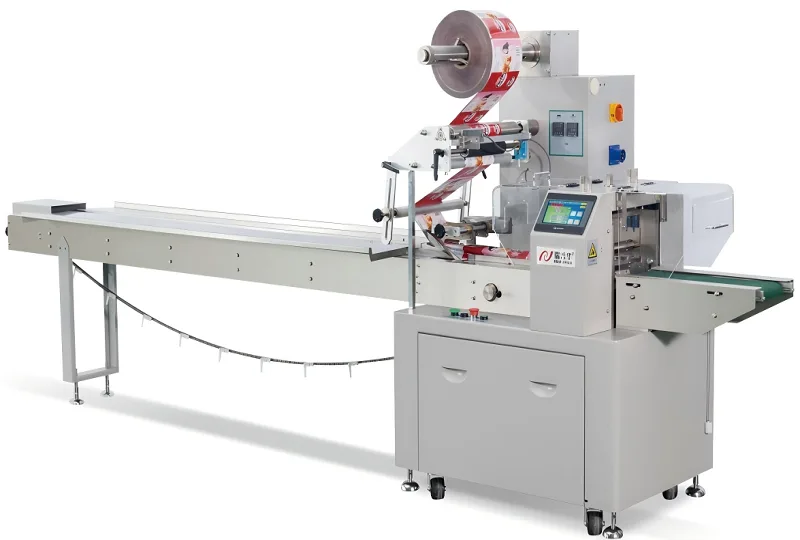
03Automatic Tray Loading and Packaging Equipment: Boost Efficiency to 160 Bags/Minute
21-11-2025 -
 04
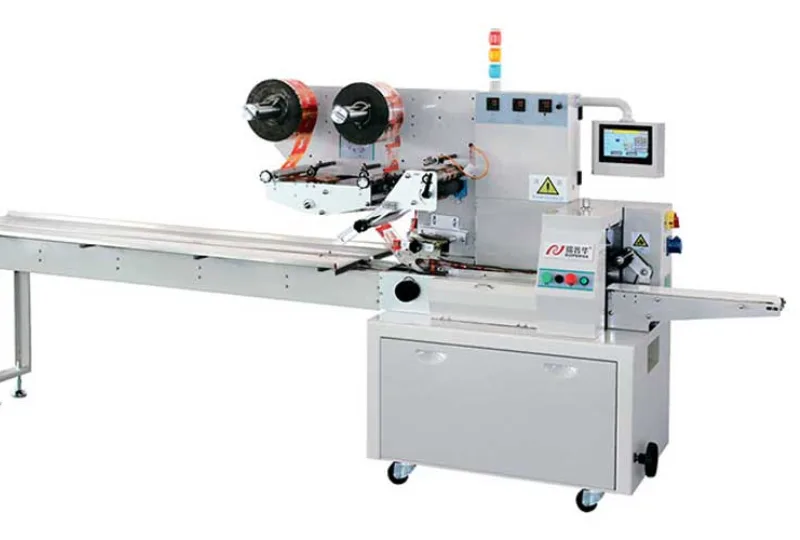
04Automatic Soap Packaging Machine: Boost Productivity with 99% Qualification Rate
21-11-2025 -
 05
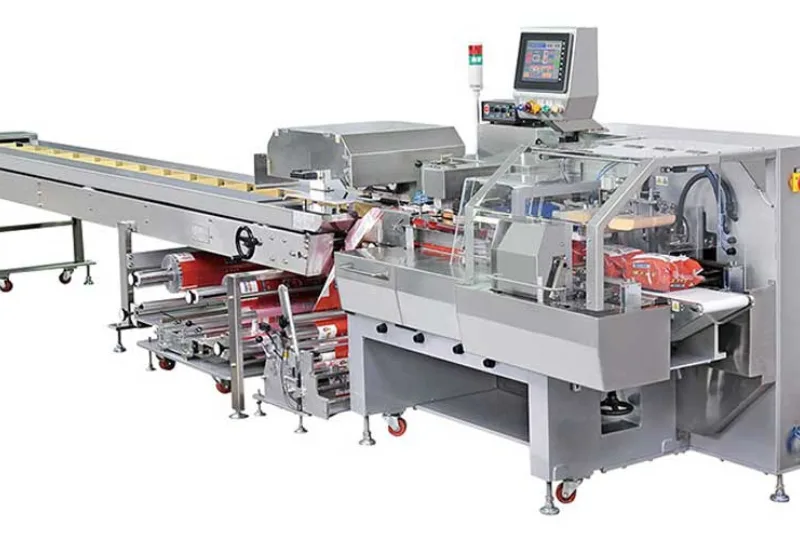
05A Deep Dive into Automatic Toast Processing and Packaging System
18-11-2025 -
06
The Future of Bakery Production: Automated Toast Processing and Packaging System
18-11-2025 -
 07
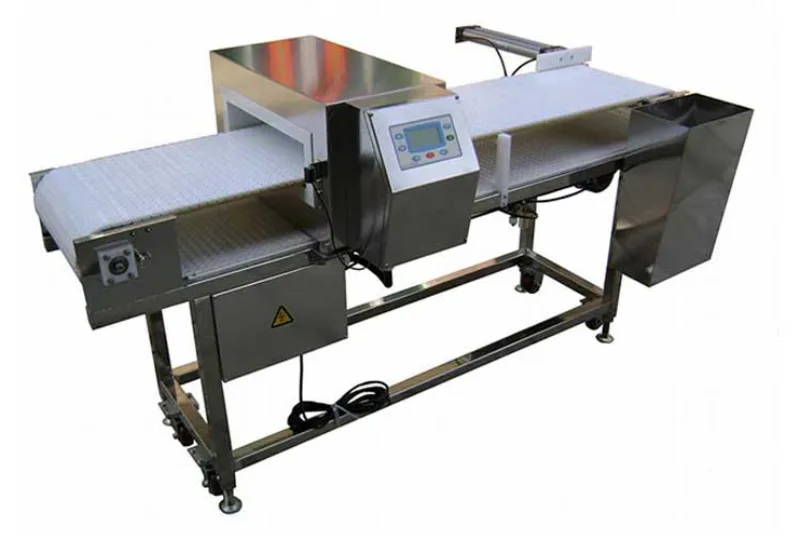
07Reliable Food Packaging Solutions with China Bread, Candy, and Biscuit Machines
11-10-2025 -
 08
08High-Performance Automated Food Packaging Equipment for Modern Production
11-10-2025 -
09
Reliable Pillow Packing Machines for Efficient Packaging Operations
11-10-2025 -
 10
10Advanced Fully Automatic Packaging Solutions for Efficient Production
11-10-2025
