

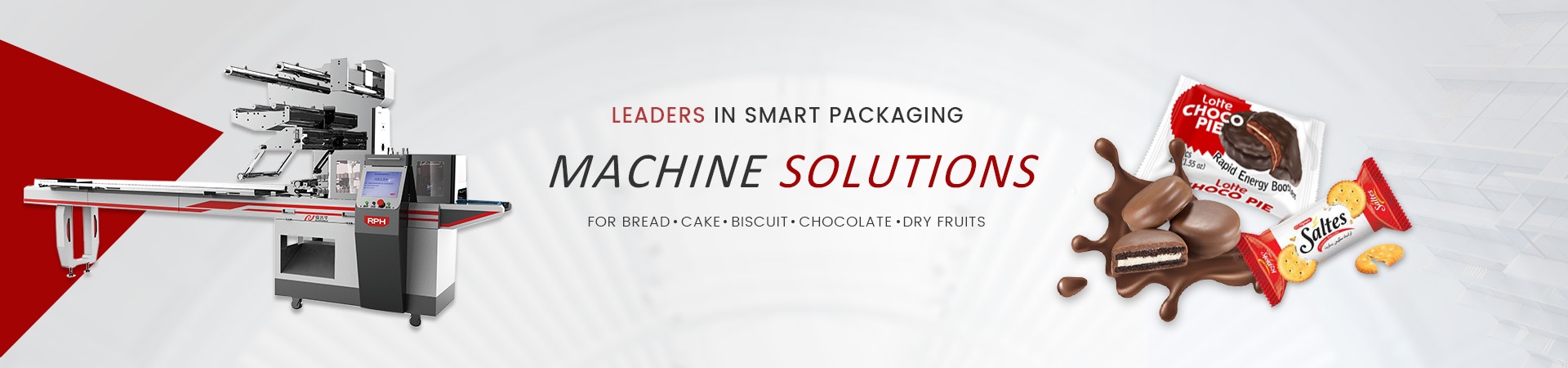
Flow Wrapping Machines: The Definitive Guide to Horizontal Packaging Excellence
Flow wrapping machines are the backbone of modern horizontal packaging, designed to wrap products in a continuous film of plastic or foil—creating a tight, protective seal that preserves freshness and extends shelf life. This versatile technology is used across industries to package everything from food and pharmaceuticals to consumer goods and industrial components. In this comprehensive guide, we’ll dive deep into flow wrapping machines: their core technology, key benefits, industry applications, selection criteria, and future innovations. Whether you’re a CPG brand scaling production or a contract packer optimizing line efficiency, this guide will equip you with the insights to leverage flow wrapping machines for operational excellence. Let’s explore how this technology can transform your packaging workflow and drive business growth.
What is a Flow Wrapping Machine?
Core Technology: How Flow Wrapping Machines Work
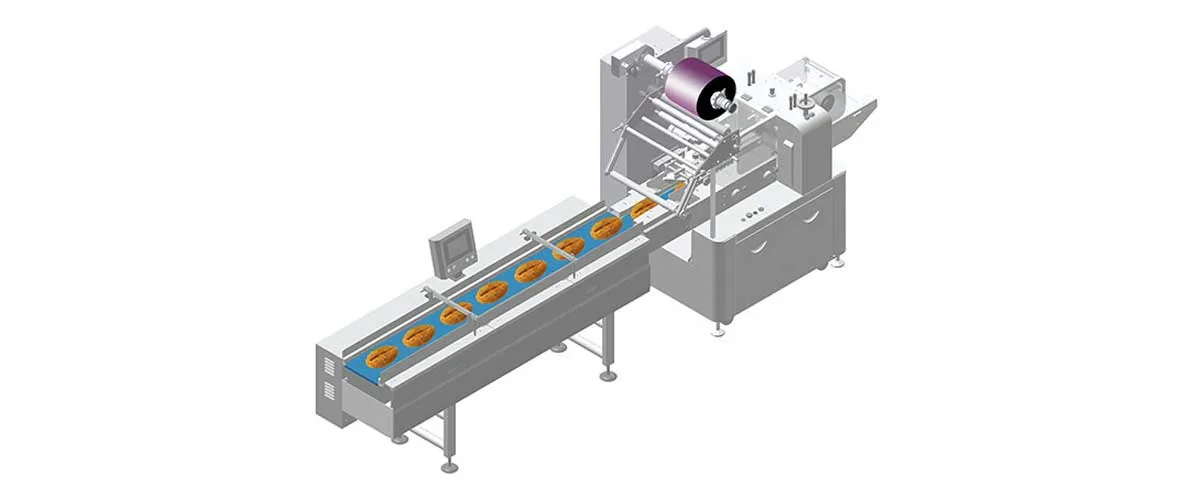
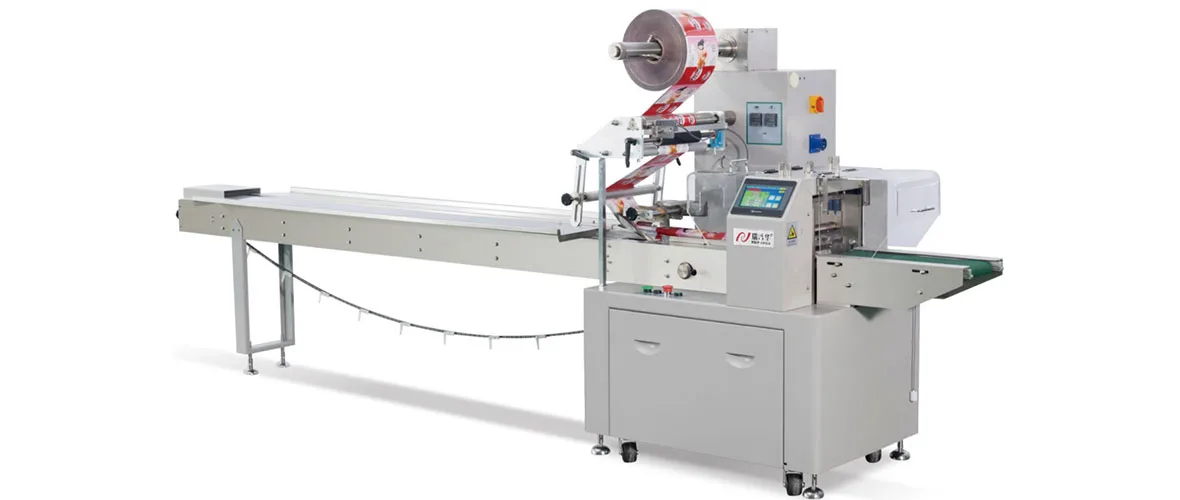
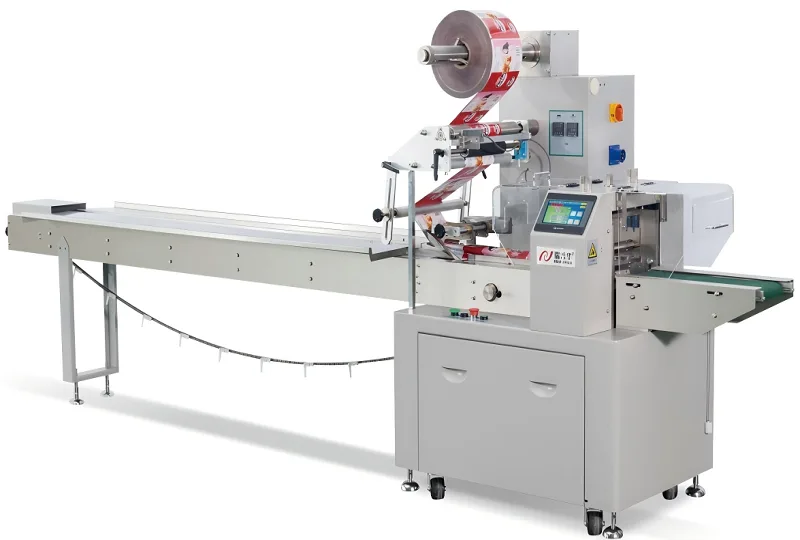
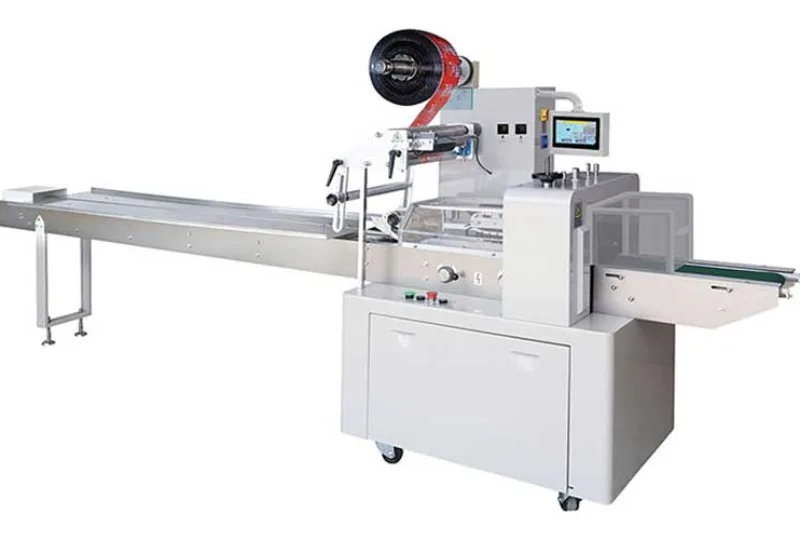
Flow wrapping machines operate in three key stages: Product Feeding (conveying products to the wrapping station), Film Wrapping (unwinding continuous film around the product to form a tube), and Sealing & Cutting (heat-sealing the film at the ends and cutting it into individual packages). The entire process is controlled by a PLC (Programmable Logic Controller) that adjusts speed, film tension, and seal temperature in real time. Unlike vertical packaging machines, flow wrapping machines use horizontal space efficiently—making them ideal for flat or irregularly shaped products (e.g., snack bars, toys, hardware).
Key Components of a Flow Wrapping Machine
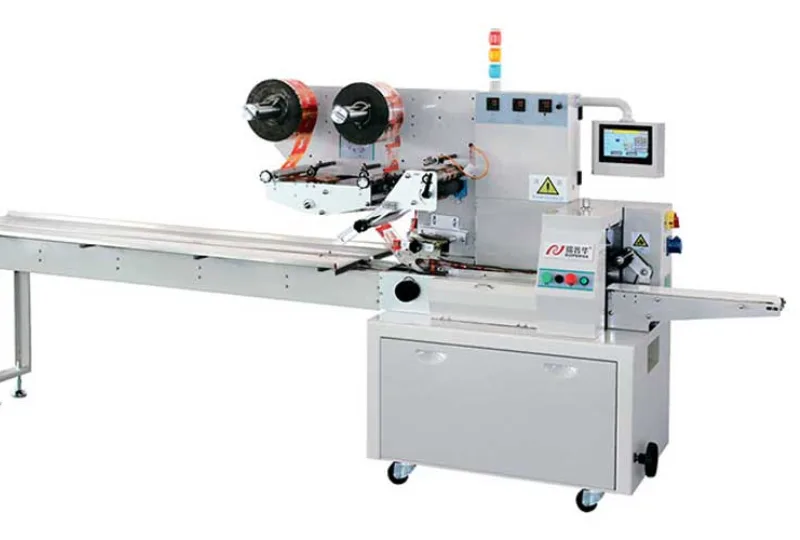
A flow wrapping machine consists of critical components tailored for precision: Product Conveyor (feeds products to the wrapping station), Film Unwinder (dispenses continuous film), Forming Box (shapes film into a tube around the product), Sealing Jaws (heat-seals the film), and Cutting Blade (trims packages to size). For example, a food-grade flow wrapping machine uses food-safe film and stainless steel components to comply with FDA regulations, while industrial models use heavy-duty materials to handle abrasive products like metal parts.
Benefits of Using Flow Wrapping Machines
Unmatched Speed & Throughput
Flow wrapping machines are designed for high-volume production—with top models handling up to 500 packages per minute. For example, a snack manufacturer using a flow wrapping machine can package 400 granola bars per minute, cutting packaging time by 75% compared to manual processes. This speed directly translates to higher output and faster time-to-market for perishable goods.
Enhanced Product Protection & Shelf Life
Flow wrapping machines create a hermetic seal that protects products from moisture, oxygen, and contamination—extending shelf life by up to 6 months for food products. A study by the Food and Agriculture Organization (FAO) found that flow-wrapped snacks have a 30% longer shelf life than manually wrapped alternatives. Additionally, the tight seal reduces product waste by preventing spoilage.
Applications of Flow Wrapping Machines
Food & Beverage Industry
In the food sector, flow wrapping machines are used to package snacks (granola bars, chips), baked goods (cookies, bread), frozen foods (vegetables, meats), and confectionery (chocolate, candy). For example, a bakery uses a flow wrapping machine to package 100g cookies, ensuring airtight sealing to preserve freshness. The machine’s ability to handle delicate products makes it ideal for food applications.
Consumer Goods & Industrial Sector
Consumer goods companies rely on flow wrapping machines to package toys, electronics, hardware, and personal care items. An electronics brand uses a flow wrapping machine to package phone cases, protecting them from scratches and dust during shipping. Industrial businesses use flow wrapping machines to package small components (nuts, bolts) for inventory management.
How to Choose the Right Flow Wrapping Machine
Assessing Product Type & Packaging Requirements
The first step in selecting a flow wrapping machine is analyzing your product’s characteristics: Is it flat (snack bar), irregularly shaped (toy), or fragile (glass bottle)? What is the desired package size (50g–5kg)? For example, a fragile product requires a machine with gentle product handling, while a heavy product needs a robust conveyor system. Matching the machine’s capabilities to your product ensures optimal performance.
Evaluating Speed & Scalability
Your production volume will dictate the machine’s speed: small businesses might opt for a low-speed flow wrapping machine (100–200 packages per minute), while large-scale operations need high-speed models (300–500 packages per minute). It’s also important to choose a machine with modular components—e.g., a flow wrapping machine that can add a date coding system as your business grows.
Maintenance & Troubleshooting for Flow Wrapping Machines
Routine Maintenance Best Practices
To ensure longevity and performance, flow wrapping machines require regular maintenance: 1) Clean the forming box and sealing jaws daily (to prevent film buildup), 2) Lubricate moving parts weekly, 3) Calibrate the film tension monthly. For example, a snack manufacturer using a flow wrapping machine should clean the sealing jaws daily to remove food residue and calibrate film tension monthly to ensure a tight seal.
Common Issues & Solutions
Common problems include: 1) Film jams (caused by misaligned film or worn rollers), 2) Seal failures (incorrect temperature or pressure), 3) Package misalignment (product feeding issues). Troubleshooting tips: Adjust film alignment to fix jams, increase seal temperature for better seals, and calibrate the product conveyor to correct misalignment. These steps minimize downtime and keep production on track.
Future Trends in Flow Wrapping Machine Technology
Smart Automation & IoT Integration
The next generation of flow wrapping machines will feature IoT connectivity, allowing real-time monitoring of performance metrics (e.g., seal strength, package count) via cloud platforms. This enables predictive maintenance—identifying potential issues before they cause downtime—and data-driven optimization (e.g., adjusting speed based on product demand). For example, an IoT-enabled flow wrapping machine can alert operators to worn sealing jaws before they fail.
Sustainable Packaging Solutions
As businesses prioritize sustainability, flow wrapping machines are being designed to use eco-friendly materials (compostable film, recycled plastic) and reduce energy consumption. A flow wrapping machine with a variable-speed motor can reduce energy costs by 25% while minimizing carbon emissions. Additionally, some models feature “zero-waste” film systems that reduce material waste by 20%—aligning with global sustainability goals.
Conclusion
Flow wrapping machines are a game-changer for businesses looking to optimize their packaging operations. Their combination of speed, product protection, and versatility makes them a strategic investment for industries like food, consumer goods, and industrial manufacturing. By understanding their technology, benefits, and applications, you can select the right flow wrapping machine to meet your unique needs and stay ahead of industry trends. Whether you’re packaging snack bars, toys, or hardware, a flow wrapping machine will transform your operations and help you achieve your business goals. Ready to upgrade your packaging line? Explore the latest flow wrapping machine solutions and unlock the full potential of horizontal packaging technology.
-
01
How do I choose the right speed for a toas bread packaging line to avoid crushing soft loaves?
22-06-2026 -
 02
02Packaging Machinery: Beyond Sealing, Driving an Efficient, Smart, and Sustainable Future
21-01-2026 -
 03
03Automatic Tray Loading and Packaging Equipment: Boost Efficiency to 160 Bags/Minute
21-11-2025 -
 04
04Automatic Soap Packaging Machine: Boost Productivity with 99% Qualification Rate
21-11-2025 -
 05
05A Deep Dive into Automatic Toast Processing and Packaging System
18-11-2025 -
06
The Future of Bakery Production: Automated Toast Processing and Packaging System
18-11-2025 -
 07
07Reliable Food Packaging Solutions with China Bread, Candy, and Biscuit Machines
11-10-2025 -
 08
08High-Performance Automated Food Packaging Equipment for Modern Production
11-10-2025 -
09
Reliable Pillow Packing Machines for Efficient Packaging Operations
11-10-2025 -
 10
10Advanced Fully Automatic Packaging Solutions for Efficient Production
11-10-2025
