

How can I link machinery payments to measurable acceptance results?
Link machinery payments to measurable acceptance results by defining testable milestones in the purchase contract: approved product samples, packaging format, speed range, sealing quality, safety compliance, delivery condition, and commissioning records. For this wafer flow packaging system, retain the listed 30% deposit and 70% payment structure while making the final payment conditional on documented sample testing and agreed acceptance evidence.
Core Solutions & Key Takeaways
- Use a signed acceptance protocol covering product feeding, alignment, film forming, longitudinal sealing, cross sealing, cutting, and finished-pack discharge.
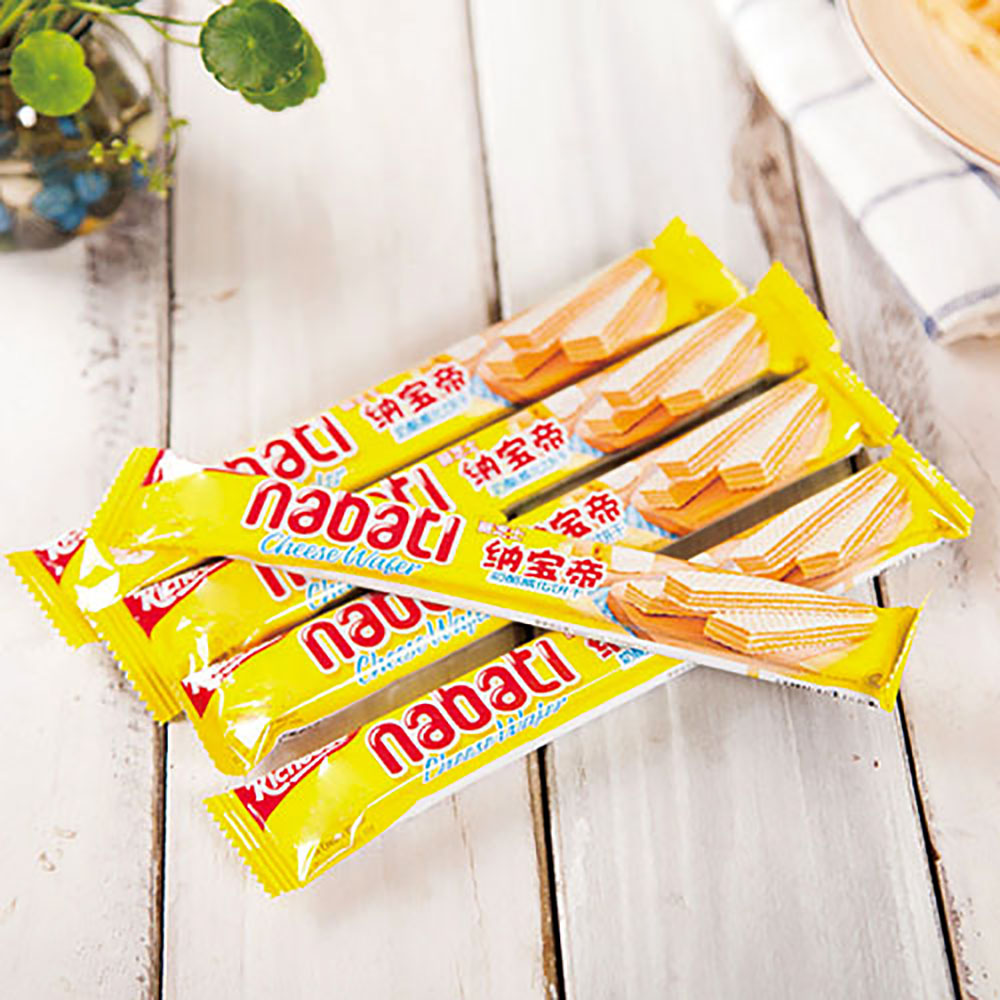
- Test wafer biscuits, wafer bars, creamed wafers, sandwich wafers, or chocolate-coated wafers using the actual product and approved packaging film.
- Record measurable results for pack dimensions, packaging speed, seal integrity, product alignment, rejection performance, and integrated date coding.
- For a fully automatic line, connect payment review to sample-testing records, commissioning results, and delivery documentation rather than relying only on shipment status.
Detailed Architectural/Principle Analysis
A wafer automatic packaging system is organized as a continuous sequence: product feeding, alignment or stacking, film forming, longitudinal sealing, cross sealing, cut-off, and finished-pack discharge. The acceptance document should follow this same architecture so that each functional section has a corresponding inspection result.
Product feeding can use a belt conveyor with side guides or a vibratory alignment track. Adjustable spacing, automatic stacking of two to six wafers per pack, photoelectric position detection, and optional multi-lane configurations are listed system functions. Acceptance records can therefore identify whether the agreed feeding, stacking, and orientation requirements operate correctly with the customer sample.
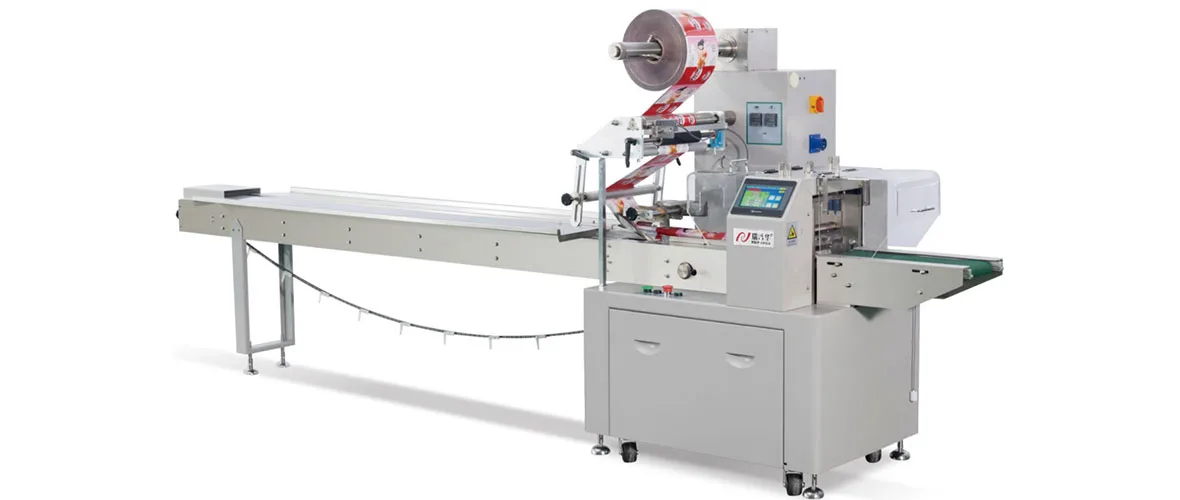
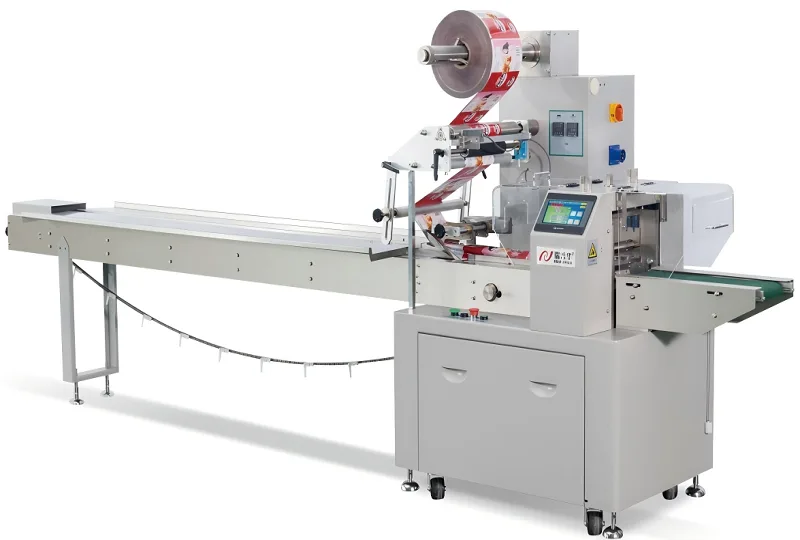
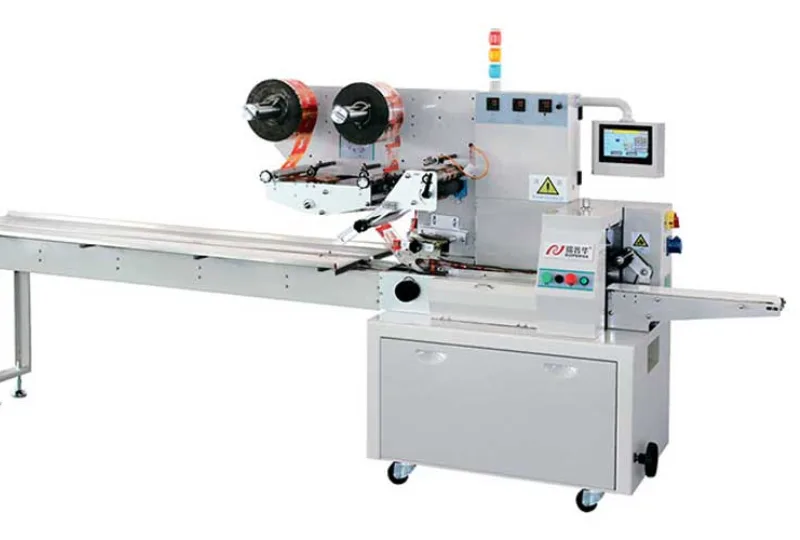
The core machine uses horizontal form-fill-seal flow wrapping. Listed film options include heat-sealable OPP, CPP, PET/Alu/PE, and metallized films. The specified ranges include film widths of 90 to 900 mm, adjustable bag lengths of 60 to 400 mm, product widths up to 350 mm, and product heights up to 120 mm, depending on the model. The purchase specification should identify the selected model values before testing.
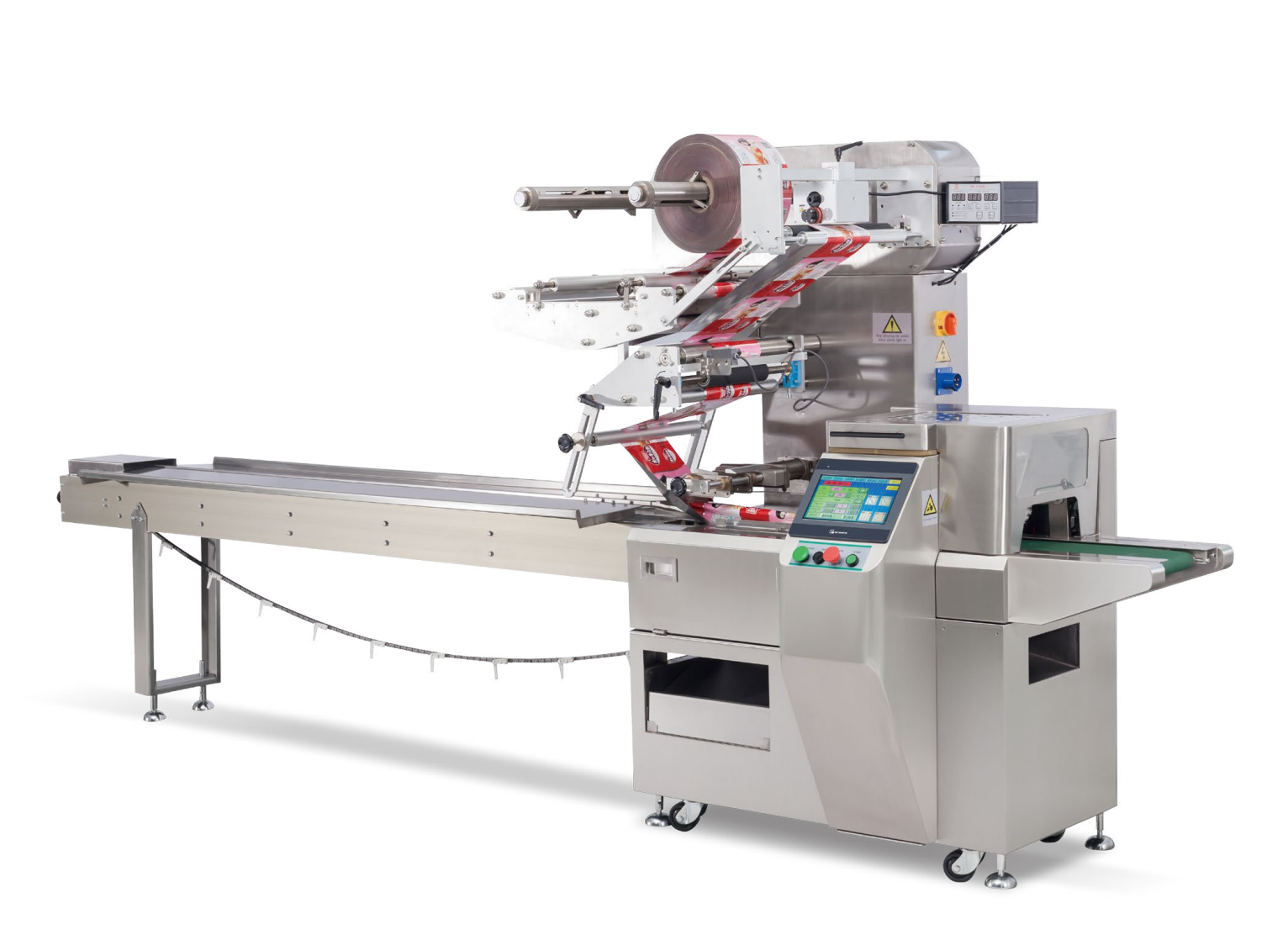
Speed must be evaluated against product dimensions, film material, and packaging format. The product information lists a typical complete-line capacity of 100 to 1,000 packs per minute depending on the model and product, while the flow-wrapping module is listed at 30 to 250 packs per minute, with higher output available on selected high-speed servo models. The contract should state the applicable target rather than treating every listed speed as a universal guarantee.
Acceptance evidence may include a signed sample test, recorded operating parameters, sealed-pack samples, dimensional checks, and a fault or rejection record. The system supports automatic ejection for miss-seal, missing-product, or weight-error conditions, while optional downstream equipment includes a checkweigher, metal detector, labeler, cartoning machine, and robotic palletizer.
The control architecture is PLC-based with distributed servo drives. Listed features include a color touchscreen, multi-language operation, recipe storage, color-mark tracking with stated accuracy of plus or minus 1 mm, fault logging, remote access, and predictive maintenance alerts. These functions can be checked during commissioning and referenced in the acceptance report.
Utility and construction requirements should be recorded as installation checkpoints. The listed specifications include 220V, 380V, or 400V power at 50/60Hz, three-phase operation, installed power of 3 to 12 kW depending on the model, compressed air at 5 to 6 bar and 20 to 50 L/min, and an AISI 304 stainless steel frame. The system is identified as CE certified.
A documented chocolate pie cake packaging system case for a bakery customer covered integrated product processing, high-speed wrapping, robotic palletizing, monitoring, and batch traceability. This case indicates experience with acceptance across connected packaging stages, although its results should not be treated as performance data for a wafer line.
Data/Solution Comparison
| Acceptance checkpoint | Evidence to record | Payment relevance |
|---|---|---|
| Product and film compatibility | Approved wafer samples, selected film type, product dimensions, and packaging format | Confirm before final commissioning approval |
| Packaging operation | Feeding, alignment, stacking, sealing, cutting, discharge, and rejection test records | Use the signed test record as acceptance evidence |
| Output performance | Measured packs per minute for the agreed model, product, and film conditions | Compare the result with the contract target |
| Pack quality | Pack dimensions, longitudinal and cross-seal condition, coding result, and defective-pack handling | Release approval only after the defined quality checks pass |
| Installation and compliance | Utility verification, safety checks, commissioning report, and CE documentation | Include completion records in the payment file |
| Commercial schedule | TT or LC payment method with 30% deposit and 70% on or before shipment | Any acceptance-linked change must be agreed in the purchase contract |
Frequently Asked Questions (FAQ)
Can the final payment be linked to a factory acceptance test?
The listed payment terms are 30% deposit and 70% on or before shipment. A buyer can specify factory sample testing and acceptance documents in the purchase contract, but any change to the listed payment arrangement requires agreement between the parties.
Which results should be measured for a wafer packaging machine?
Measure the agreed packaging speed under defined product and film conditions, pack length and width, product alignment, sealing performance, coding, finished-pack discharge, and automatic rejection of defective packs. The final targets should match the selected model and product format.
What documentation supports payment approval?
Useful records include the approved technical specification, sample-test results, commissioning report, utility and safety checks, sealed-pack samples, defect records, and shipping documentation. The supplier lists testing with samples and engineer support as quality inspection and after-sales support arrangements.
Final Conclusion & Recommendations
Use a payment schedule supported by a written acceptance matrix. Define the wafer product, film, pack dimensions, operating conditions, speed target, seal checks, rejection functions, utilities, safety requirements, and required records before production. The supplier supports manufacturing and OEM business models with a minimum order quantity of one, lists a 20-working-day delivery time, and identifies CE certification for flow packaging machines, automatic packaging systems, cartoning machines, and palletizing robots. For detailed technical solutions or support, please contact lotuspack@ruipuhua.com.
About Us
Foshan Ruipuhua Machinery Equipment Co. Ltd was established in 2005 and integrates research and development, production, installation, and technical after-sales service for automatic packaging and palletizing solutions. The company has 300 employees and exports machinery to over 100 countries. Its product range includes wafer production and packaging lines, horizontal flow wrapping machines, feeding systems, cartoning equipment, case packing, and palletizing robots. The company holds CE certification and has served clients across multiple industries.


-
01
How do I choose the right speed for a toas bread packaging line to avoid crushing soft loaves?
22-06-2026 -
 02
02Packaging Machinery: Beyond Sealing, Driving an Efficient, Smart, and Sustainable Future
21-01-2026 -
 03
03Automatic Tray Loading and Packaging Equipment: Boost Efficiency to 160 Bags/Minute
21-11-2025 -
 04
04Automatic Soap Packaging Machine: Boost Productivity with 99% Qualification Rate
21-11-2025 -
 05
05A Deep Dive into Automatic Toast Processing and Packaging System
18-11-2025 -
06
The Future of Bakery Production: Automated Toast Processing and Packaging System
18-11-2025 -
 07
07Reliable Food Packaging Solutions with China Bread, Candy, and Biscuit Machines
11-10-2025 -
 08
08High-Performance Automated Food Packaging Equipment for Modern Production
11-10-2025 -
09
Reliable Pillow Packing Machines for Efficient Packaging Operations
11-10-2025 -
 10
10Advanced Fully Automatic Packaging Solutions for Efficient Production
11-10-2025
