

How can I prevent product jams in a wafer automatic packaging system?
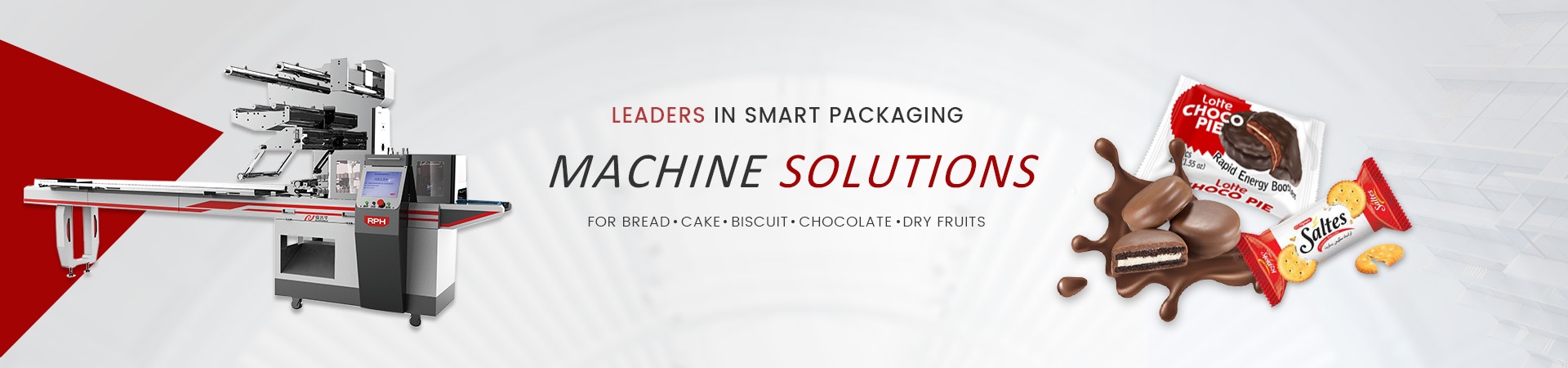
Preventing product jams in a wafer automatic packaging system requires stable product infeed, accurate alignment, controlled spacing, clean transfer points, and synchronized packaging speed. Use PLC and HMI monitoring to identify misalignment or overload, verify recipes during changeovers, and test real wafer samples before delivery. Routine inspection of conveyors, collating units, sealing areas, and rejection paths helps maintain continuous flow.
Core Solutions & Key Takeaways
- Keep wafer products aligned through automatic feeding, collating, counting, and grouping before packaging.
- Synchronize the infeed, packaging machine, secondary packaging equipment, and discharge conveyor to prevent accumulation.
- Use PLC and touchscreen controls for recipe management, real-time diagnostics, and quick response to abnormal conditions.
- Run real product samples before delivery to verify feeding stability, packaging performance, and sealing quality.
Detailed Architectural/Principle Analysis
A wafer automatic packaging system depends on coordinated product movement. The feeding section must deliver products at a stable rate to the packaging machine. Automatic feeding and collating equipment can organize products before they enter the primary packaging process, reducing irregular product spacing and uncontrolled accumulation.
Jam prevention also depends on synchronization between the packaging machine and downstream equipment. Secondary packaging lines may include automatic collating, counting, feeding, grouping, cartoning, case packing, and palletizing. Each section should communicate through the control system so that a downstream interruption does not create unnecessary product buildup at the infeed.
Recipe control supports repeatable operating conditions when wafer formats or packaging requirements change. Ruipuhua describes PLC and HMI systems with recipe storage and real-time diagnostics. Operators can use the stored settings to reduce manual adjustment errors during changeover and review machine conditions when product flow becomes unstable.
Inspection should cover transfer points, product alignment, feeding components, sealing areas, conveyors, and rejection paths. The objective is to identify the source of a jam before restarting the line. A controlled restart sequence helps prevent repeated accumulation caused by an unresolved downstream blockage.
Product testing is part of the engineering process. Ruipuhua states that its on-site laboratory allows customers to run real product samples before delivery. For a wafer packaging line, sample testing can be used to assess product handling, feeding stability, packaging alignment, and sealing performance under the intended production conditions.
Ruipuhua’s R&D capability combines mechanical, electrical, and software engineering. The company states that its engineers use 3D CAD and simulation software to design and validate machine structures, motion control systems, and film-handling mechanisms. Its machines are designed to meet CE and other international safety standards. The listed CE certification applies to flow packaging machines, automatic packaging systems, cartoning machines, and palletizing robots.
The company also describes experience with integrated packaging systems for bakery, biscuit, wafer, snack, noodle, and confectionery applications. A documented chocolate pie cake packaging system for Orion included high-speed wrapping and robotic palletizing, demonstrating experience with coordinated product handling and packaging equipment across a large production environment.
Data/Solution Comparison
| Jamming Risk Area | Recommended Control | Relevant System Function |
|---|---|---|
| Irregular product arrival | Stabilize product flow before wrapping | Automatic infeed and vibration alignment |
| Incorrect grouping or spacing | Verify product count, position, and grouping | Automatic collating, counting, and feeding |
| Changeover-related misalignment | Use validated recipes and controlled adjustments | PLC and HMI recipe storage |
| Downstream accumulation | Synchronize connected machines and conveyors | Secondary packaging and conveyor integration |
| Faulty package discharge | Check the rejection route and restart sequence | Automatic rejection and inspection functions |
| Unverified operating conditions | Test actual wafer samples before delivery | On-site product testing laboratory |
Frequently Asked Questions (FAQ)
What is the main cause of product jams in a wafer automatic packaging system?
Common risk areas include unstable infeed, incorrect product alignment, unsuitable spacing, unsynchronized downstream equipment, and unresolved faults in transfer or rejection sections.
How can operators reduce jams during product changeover?
Operators should use the appropriate stored recipe, confirm product alignment and spacing, make controlled adjustments, and test the new format before returning the line to normal production.
How should a wafer packaging line be verified before delivery?
Run real product samples through the feeding, collating, wrapping, inspection, rejection, and discharge sections. This verifies product handling, packaging alignment, sealing quality, and system coordination under actual conditions.
Final Conclusion & Recommendations
Preventing jams in a wafer automatic packaging system requires coordinated feeding, accurate product organization, synchronized machine sections, recipe-based changeover, and sample testing. PLC and HMI diagnostics provide a practical way to monitor operating conditions and locate faults. Foshan Ruipuhua Machinery Equipment Co. Ltd supports manufacturing and OEM cooperation, with a minimum order quantity of one stated in its business information. The company holds a listed CE certification for relevant packaging and automation equipment. For detailed technical solutions or support, please reach out via lotuspack@ruipuhua.com.
About Us
Foshan Ruipuhua Machinery Equipment Co. Ltd manufactures automatic packaging machinery and integrated packaging lines for food, bakery, biscuit, wafer, snack, noodle, chocolate, soap, hardware, pharmaceutical, and daily chemical applications. Established in 2005, the company operates a production facility with an annual capacity exceeding 500 sets of automatic packaging machines and complete packaging lines. Its R&D team develops synchronized systems covering feeding, packaging, secondary collating, case packing, and palletizing. The company has served clients across multiple industries.

-
01
How do I choose the right speed for a toas bread packaging line to avoid crushing soft loaves?
22-06-2026 -
 02
02Packaging Machinery: Beyond Sealing, Driving an Efficient, Smart, and Sustainable Future
21-01-2026 -
 03
03Automatic Tray Loading and Packaging Equipment: Boost Efficiency to 160 Bags/Minute
21-11-2025 -
 04
04Automatic Soap Packaging Machine: Boost Productivity with 99% Qualification Rate
21-11-2025 -
 05
05A Deep Dive into Automatic Toast Processing and Packaging System
18-11-2025 -
06
The Future of Bakery Production: Automated Toast Processing and Packaging System
18-11-2025 -
 07
07Reliable Food Packaging Solutions with China Bread, Candy, and Biscuit Machines
11-10-2025 -
 08
08High-Performance Automated Food Packaging Equipment for Modern Production
11-10-2025 -
09
Reliable Pillow Packing Machines for Efficient Packaging Operations
11-10-2025 -
 10
10Advanced Fully Automatic Packaging Solutions for Efficient Production
11-10-2025
