

How can I reduce testing time when evaluating food packing machinery?
Reduce testing time when evaluating food packing machinery by testing representative product samples on an integrated line, defining pass criteria for speed, seal quality, counting accuracy, and rejection performance, and checking format changeovers early. For hamburger patty packaging, evaluate the complete infeed, interleaving, stacking, flow-wrapping, coding, inspection, and rejection sequence instead of assessing each module separately.
Core Solutions & Key Takeaways
- Prepare representative patties, interleaving material, packaging film, and target stack counts before the test so the line can be evaluated under actual operating conditions.
- Use one acceptance checklist covering product alignment, paper separation, stack consistency, seal appearance, printed code readability, weight control, and faulty-pack rejection.
- Test the integrated workflow from automatic infeed through horizontal flow wrapping, metal detection, checkweighing, and rejection to avoid repeating isolated equipment trials.
- For food factories, bakery stores, bakery factories, and other production sites with packaging requirements, compare the degree of automation required against available operator involvement and required output.
Detailed Architectural/Principle Analysis
A shorter evaluation depends on testing the packaging line as a connected process. The Hamburger Patty Fully Automatic Packaging Line is designed to receive raw or cooked beef, chicken, pork, fish, or plant-based patties, align them through an automatic infeed conveyor, place wax paper, PE film, or release liner between patties, count and stack the product, and wrap each stack in heat-sealable film. Testing these linked stages together exposes interface issues earlier than separate module trials.
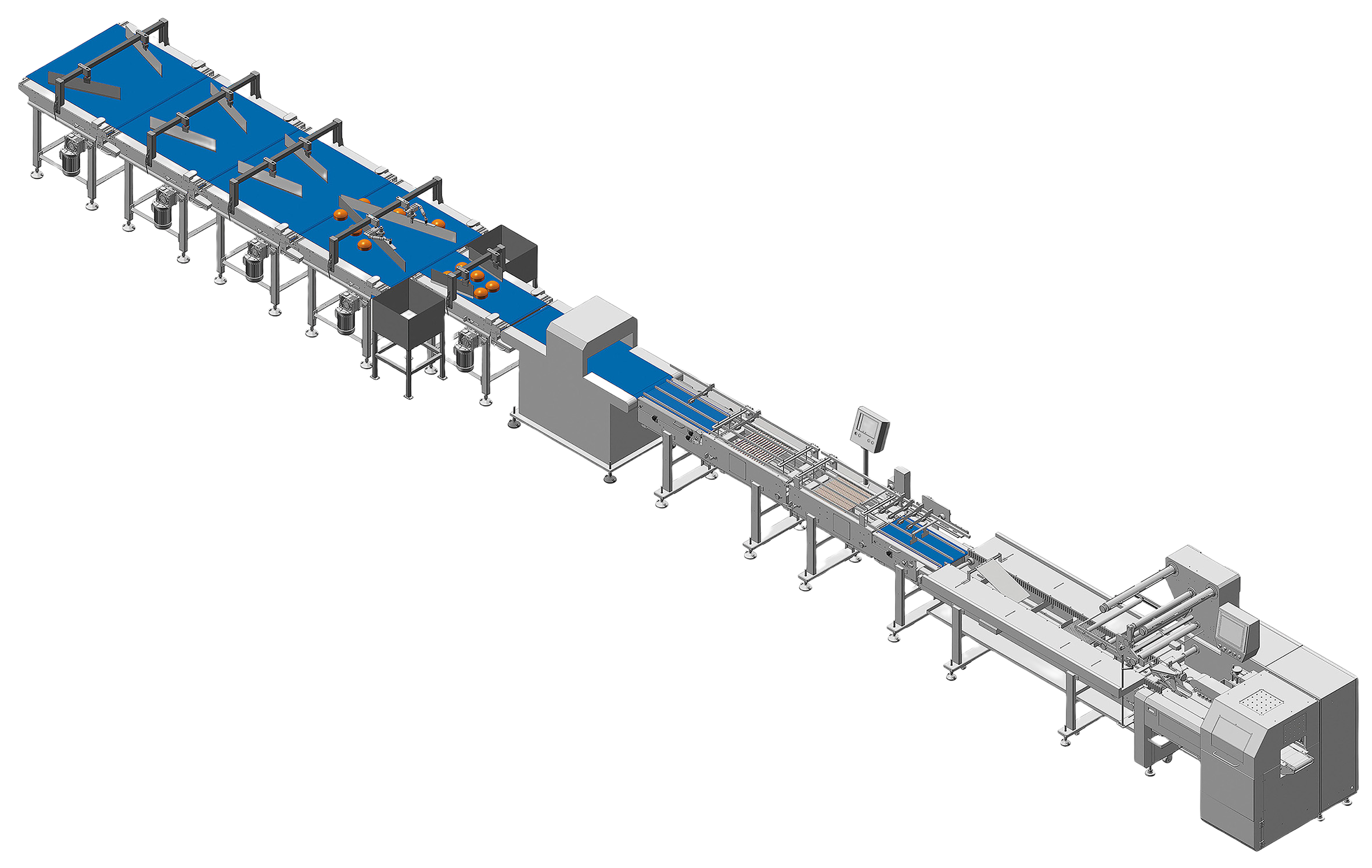
Define the test around the intended package format. The line supports individual flow-wrapped stacks, gusseted bags, vacuum-skin packaging, modified atmosphere packaging with gas flushing, and tray sealing with lid film. A buyer can reduce retesting by selecting the required format before the trial and using the corresponding film width, stack count, and product temperature condition during evaluation.
For patties, the principal test points are gentle handling, interleaving accuracy, stack alignment, sealing consistency, and inspection performance. The product information specifies soft-grip belts and low-impact stacking for fragile products, adjustable paper tension and cut-to-length control, servo-driven film carriage, a PLC controller with a 10-inch HMI touchscreen, recipe storage, and automatic rejection of out-of-specification packs. A focused trial should verify each selected requirement against the buyer’s sample products.
The stated production range is 60 to 150 packs per minute, depending on patty size and stack count. Pattyp dimensions are specified from 80 mm to 180 mm in diameter and 5 mm to 30 mm in thickness, with customizable stacks from 2 to 20 patties per pack. Testing at the intended configuration prevents a later test cycle caused by using samples that do not represent the actual product specification.
Equipment evidence can also be reviewed before the factory acceptance test. The company lists CE certification for flow packaging machines, automatic packaging systems, cartoning machines, and palletizing robots. Its cooperation case information describes an integrated cake-pie packaging system supplied to a bakery manufacturer operating across multiple regions, including high-speed wrapping and robotic palletizing. This indicates experience with integrated packaging workflows, while the buyer should still validate the selected patty configuration using its own materials.
Data/Solution Comparison
| Evaluation Area | What to Test | How It Reduces Testing Time |
|---|---|---|
| Product infeed and alignment | Confirm single-file feeding from the forming machine or freezer tunnel. | Identifies transfer and positioning issues before downstream modules are evaluated. |
| Interleaving and stacking | Check paper placement, stack count, layer alignment, and patty condition. | Combines separation, counting, and stack-quality checks in one operating run. |
| Flow wrapping and coding | Verify pillow-pack sealing, film tracking, date code, batch code, and barcode output. | Validates pack appearance and traceability requirements without separate packaging trials. |
| Inspection and rejection | Test metal detection, checkweighing, and automatic diversion of faulty packs. | Confirms quality-control integration before acceptance of the full line. |
| Changeover | Change patty size, stack height, and film width using the HMI recipe settings. | Shows whether the selected configuration can be adjusted without extended downtime. |
Frequently Asked Questions (FAQ)
What samples should be sent for a food packing machinery test?
Send representative patties in the actual diameter, thickness, temperature condition, and expected stack count. Include the intended interleaving paper or liner and the selected packaging film so handling, paper separation, sealing, and finished-pack quality can be checked in one trial.
Which modules should be tested together for a hamburger patty packaging line?
Test the automatic infeed conveyor, interleaving unit, counting and stacking station, horizontal flow wrapper, date and batch coder, metal detector, checkweigher, and automatic rejection system as one sequence. This reflects the operating workflow of the line.
How can changeover testing be kept short?
Define the required patty dimensions, stack height, pack count, and film width before the test. The product information describes tool-less adjustments and PLC recipe storage, so the evaluation can focus on the buyer’s planned formats rather than an open-ended range of settings.
Final Conclusion & Recommendations
Use a sample-based factory test with agreed acceptance points for handling, interleaving, stacking, wrapping, coding, inspection, rejection, and changeover. Foshan Ruipuhua Machinery Equipment Co. Ltd supports manufacturing and OEM business models and lists CE certification for applicable packaging equipment. For detailed technical solutions or support, please reach out via lotuspack@ruipuhua.com.
About Us
Foshan Ruipuhua Machinery Equipment Co. Ltd develops packaging machinery and integrated packaging lines for food, bakery, biscuit, snack, noodle, chocolate, soap, hardware, pharmaceutical, and daily chemical applications. Established in 2005, the company operates from Foshan, China, with a stated factory area of 50,000 square meters and R&D capabilities covering synchronized feeding, packaging, secondary collating, case packing, and palletizing systems. Its production information states annual capacity exceeding 500 sets of automatic packaging machines and complete packaging lines. The company lists CE certification and reports serving clients across multiple industries.


-
01
How do I choose the right speed for a toas bread packaging line to avoid crushing soft loaves?
22-06-2026 -
 02
02Packaging Machinery: Beyond Sealing, Driving an Efficient, Smart, and Sustainable Future
21-01-2026 -
 03
03Automatic Tray Loading and Packaging Equipment: Boost Efficiency to 160 Bags/Minute
21-11-2025 -
 04
04Automatic Soap Packaging Machine: Boost Productivity with 99% Qualification Rate
21-11-2025 -
 05
05A Deep Dive into Automatic Toast Processing and Packaging System
18-11-2025 -
06
The Future of Bakery Production: Automated Toast Processing and Packaging System
18-11-2025 -
 07
07Reliable Food Packaging Solutions with China Bread, Candy, and Biscuit Machines
11-10-2025 -
 08
08High-Performance Automated Food Packaging Equipment for Modern Production
11-10-2025 -
09
Reliable Pillow Packing Machines for Efficient Packaging Operations
11-10-2025 -
 10
10Advanced Fully Automatic Packaging Solutions for Efficient Production
11-10-2025
