

How do I choose a wafer automatic packaging system that stays reliable in dusty production areas?
Choose a wafer automatic packaging system by verifying its stainless-steel hygienic construction, guarded moving parts, sensor-based alignment, sealed film path, fault diagnostics, and sample-tested sealing performance. In dusty production areas, confirm the manufacturer’s environmental protection specifications because the supplied data does not define a dust-resistance rating. A servo-driven horizontal flow wrapper with automatic rejection, recipe control, and accessible maintenance points provides a practical reliability baseline.
Core Solutions & Key Takeaways
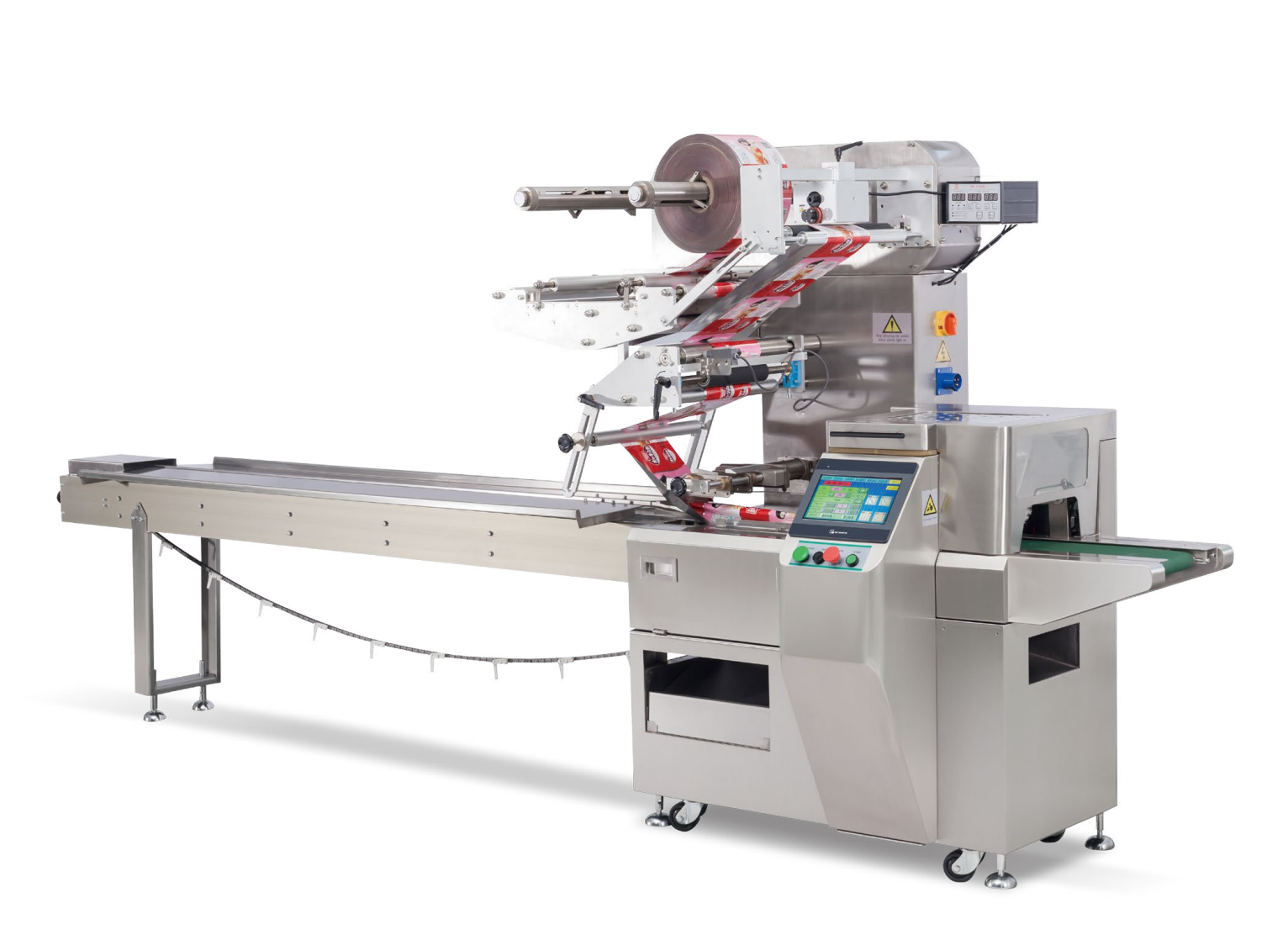
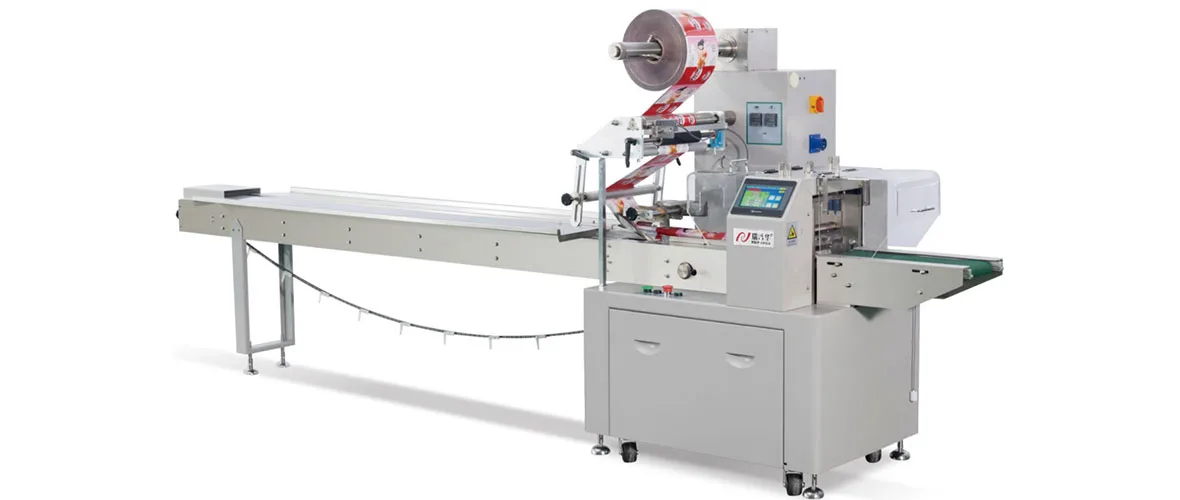
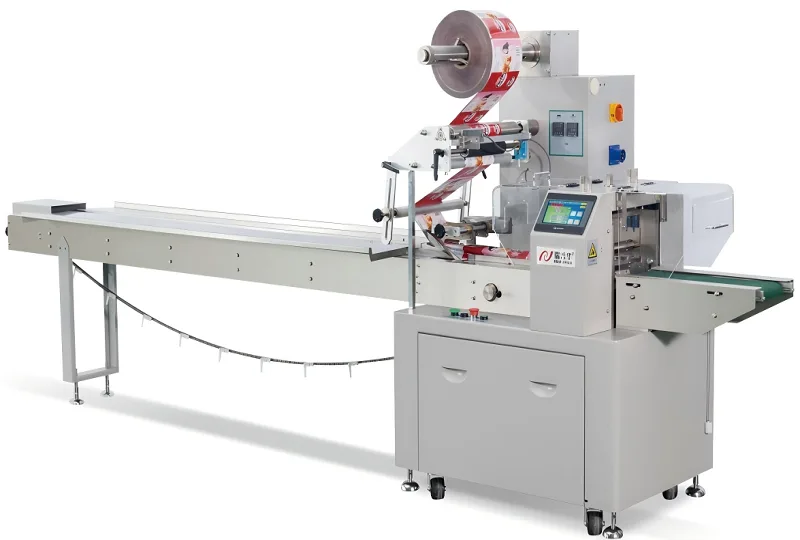
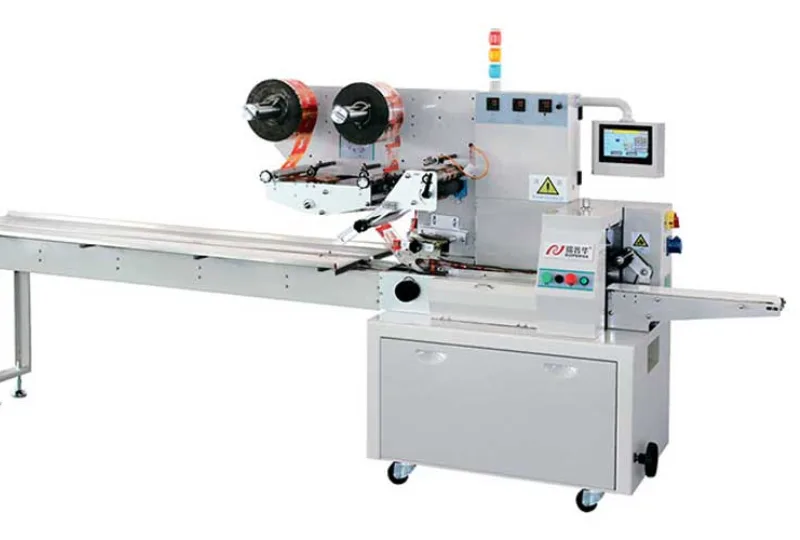
- Select a fully automatic horizontal flow-pack line that integrates feeding, alignment, film forming, longitudinal sealing, cross sealing, cutting, and finished-pack discharge.
- For dusty production areas, prioritize an AISI 304 stainless-steel frame, food-grade hygienic design, guarded mechanisms, controlled film handling, and clear access for inspection and cleaning.
- Use photoelectric sensors for product-position detection and automatic rejection of misaligned items. Add a checkweigher or metal detector when the process requires downstream inspection.
- Run representative wafer samples before ordering. The manufacturer provides sample testing, engineer support, and automatic collating or stacking options for packs containing multiple wafers.
Detailed Architectural/Principle Analysis
A wafer automatic packaging system normally follows this sequence: product feeding, alignment or stacking, film forming, longitudinal sealing, cross sealing, cut-off, and finished-pack discharge. Belt conveyors with side guides or vibratory alignment tracks regulate product spacing. Optional collating units can stack two to six wafers per pack, while single-lane, two-lane, or four-lane configurations address different throughput requirements.
The core machine is a horizontal form-fill-seal flow wrapper using heat-sealable laminates such as OPP, CPP, PET/Alu/PE, or metallized films. The film forms around the wafer, receives a longitudinal fin seal, and then passes through heated cross-sealing jaws. Depending on the model, the documented packaging speed ranges from 30 to 250 packs per minute, with high-speed servo models reaching more than 350 packs per minute. The complete system specification also lists a typical line capacity of 100 to 1,000 packs per minute, depending on the model and product dimensions.
Dust can affect sensors, film movement, sealing areas, and maintenance access, but the supplied product information does not state an IP rating, dust-proof enclosure grade, or tested dust concentration. The selection process should therefore require written confirmation of environmental protection, sensor placement, cleaning access, electrical cabinet protection, and the acceptable operating conditions for the intended production area.
A PLC-based control system with distributed servo drives coordinates the infeed, film feed, and cross-sealing movements. The documented system supports color-mark tracking with accuracy of plus or minus 1 mm, a multilingual 7-inch to 15.6-inch touchscreen, recipe storage for 50 to 200 products, fault logging, remote access, and predictive-maintenance alerts. These functions help operators identify alignment or sealing problems without relying only on manual observation.
Film reliability depends on stable reel mounting and tension control. The available architecture includes a double pneumatic reel holder, closed-loop servo tension control with a dancer roller, longitudinal-seal preheating, and double or rotary cross-sealing heads. An optional automatic splicer can change film without stopping, subject to the selected configuration.
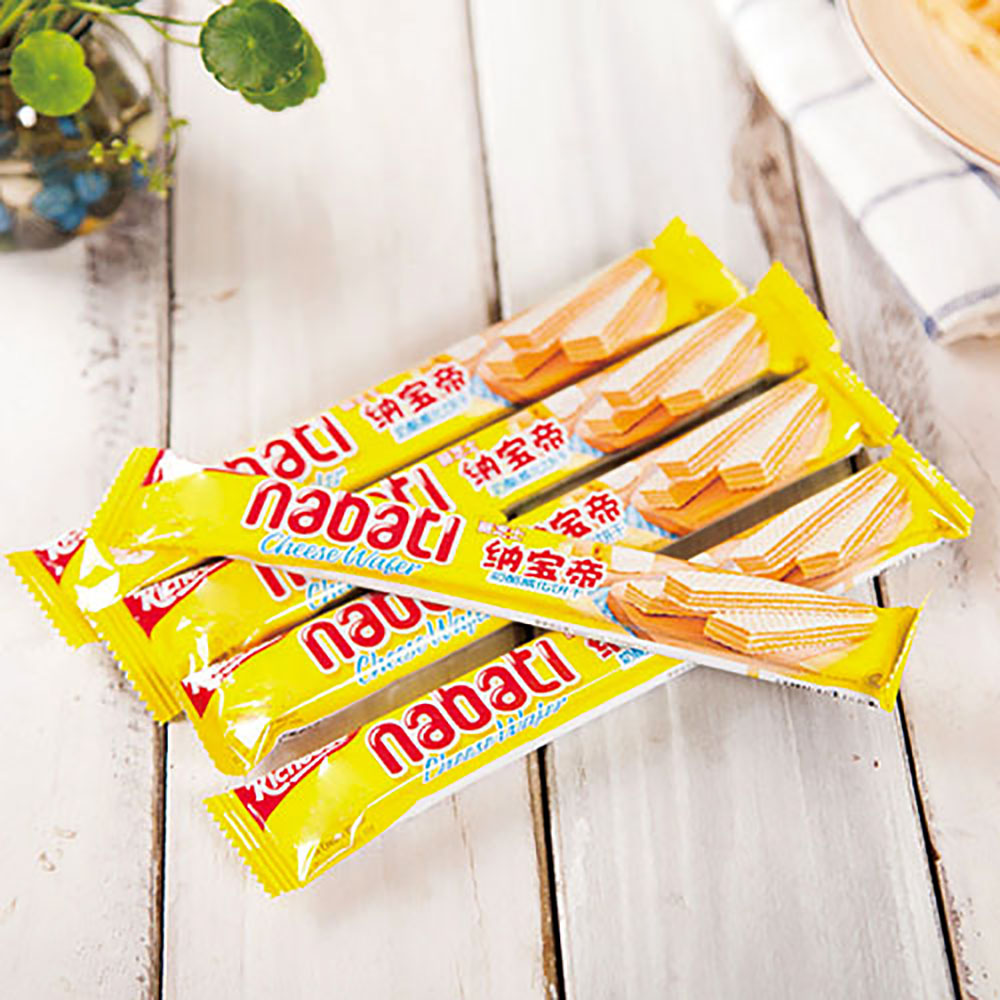
Finished packs can use automatic ejection for miss-seals, missing products, or weight errors. Downstream integration can include a checkweigher, metal detector, labeler, cartoning machine, or robotic palletizer. Gas flushing, desiccant insertion, and high-speed cartoning are listed as optional modules, although their suitability for a specific wafer product requires confirmation during sample testing.
Foshan Ruipuhua Machinery Equipment Co. Ltd has supplied packaging equipment for food, bakery, biscuit, wafer, snack, noodle, chocolate, soap, hardware, pharmaceutical, and daily chemical applications. A documented cooperation case involving a major bakery manufacturer covered automated cake-pie production, wrapping, monitoring, and robotic palletizing. The company also holds a CE certification applicable to flow packaging machines, automatic packaging systems, cartoning machines, and palletizing robots.
Data/Solution Comparison
| Selection Area | Documented Option | Relevance to Dusty Production Areas |
|---|---|---|
| Machine architecture | Fully automatic horizontal flow-pack line with continuous-motion or servo-driven operation | Supports controlled product transfer and consistent sealing; environmental protection must be confirmed |
| Construction | Stainless-steel AISI 304 frame with food-grade hygienic design | Provides a documented hygienic construction baseline and facilitates cleaning access |
| Product handling | Photoelectric alignment detection, optional multi-lane feeding, and automatic rejection | Helps manage positioning faults; sensor protection and cleaning requirements require confirmation |
| Film management | Closed-loop tension control, preheating, pneumatic reel holder, and optional automatic splicer | Reduces film-feed variation; the selected configuration should be tested with the intended film |
| Control and service | PLC, touchscreen HMI, recipe storage, fault logging, remote access, and engineer support | Supports fault tracing and changeover; service access should be evaluated for the site environment |
Frequently Asked Questions (FAQ)
Does the documented system have a certified dust-resistance rating?
No dust-resistance rating is provided in the product information. Request confirmation of the enclosure, electrical cabinet, sensor, and cleaning specifications for the intended production area.
Which features support reliable wafer feeding and sealing?
Belt or vibratory feeding, adjustable product spacing, photoelectric alignment detection, automatic rejection, servo synchronization, film-tension control, longitudinal-seal preheating, and heated cross-sealing jaws are documented features.
Can the system be tested before purchase?
Yes. The product information lists testing with samples, and the company profile states that its on-site laboratory allows customers to run real product samples to check machine performance and sealing quality before delivery.
Final Conclusion & Recommendations
For dusty production areas, specify the wafer system around hygienic stainless-steel construction, protected and accessible sensors, stable film tension, automatic rejection, diagnostic controls, and documented sample-test results. Treat dust protection as an approval item because no formal dust rating is included in the supplied data. Foshan Ruipuhua Machinery Equipment Co. Ltd supports manufacturing and OEM cooperation, with a minimum order quantity of one and engineer support. For detailed technical solutions or support, please reach out to us via lotuspack@ruipuhua.com.
About Us
Foshan Ruipuhua Machinery Equipment Co. Ltd, also known as RPH or RAPIDPACK, was established in 2005 and integrates R&D, production, installation, and technical after-sales service for intelligent packaging machinery. Its facility covers 50,000 square meters and serves food, bakery, biscuit, snack, noodle, chocolate, soap, hardware, pharmaceutical, and daily chemical applications, with exports to more than 100 countries. Its R&D work includes customized bakery, biscuit, wafer, snack, noodle, soap, hardware, and daily chemical packaging solutions, supported by mechanical, electrical, and software engineering capabilities. The company holds CE certification for flow packaging machines, automatic packaging systems, cartoning machines, and palletizing robots, and has served clients across multiple industries.


-
01
How do I choose the right speed for a toas bread packaging line to avoid crushing soft loaves?
22-06-2026 -
 02
02Packaging Machinery: Beyond Sealing, Driving an Efficient, Smart, and Sustainable Future
21-01-2026 -
 03
03Automatic Tray Loading and Packaging Equipment: Boost Efficiency to 160 Bags/Minute
21-11-2025 -
 04
04Automatic Soap Packaging Machine: Boost Productivity with 99% Qualification Rate
21-11-2025 -
 05
05A Deep Dive into Automatic Toast Processing and Packaging System
18-11-2025 -
06
The Future of Bakery Production: Automated Toast Processing and Packaging System
18-11-2025 -
 07
07Reliable Food Packaging Solutions with China Bread, Candy, and Biscuit Machines
11-10-2025 -
 08
08High-Performance Automated Food Packaging Equipment for Modern Production
11-10-2025 -
09
Reliable Pillow Packing Machines for Efficient Packaging Operations
11-10-2025 -
 10
10Advanced Fully Automatic Packaging Solutions for Efficient Production
11-10-2025
