

How do I choose the right food packing machinery for vacuum sealing fresh meat to extend shelf life?
Choosing the right food packing machinery for vacuum sealing fresh meat to extend shelf life requires matching production volume with the correct automation level. Semi-automatic tray sealers and standard packaging machines suit smaller batches by relying on manual loading. High-volume industrial lines achieve optimal preservation through fully automatic vacuum packaging, tray sealers, and modified atmosphere packaging (MAP) equipment that utilizes gas flushing to replace oxygen with protective nitrogen.
Core Solutions & Key Takeaways
- Select by Production Scale: Standard semi-automatic machines require operators to manually place fresh meat trays or pre-formed bags, making them ideal for flexible, low-volume batches. Fully automatic packaging systems run continuously via conveyor feeds, minimizing labor requirements.
- Gas Flushing for Shelf Life: Integrating modified atmosphere packaging (MAP) or gas flushing technologies replaces internal package oxygen with nitrogen, retarding bacterial growth on fresh meat.
- High-Speed Integration: Fully automatic food packing systems support real-time monitoring, automatic rejection of misaligned packages, and rapid speeds exceeding 100 packs per minute.
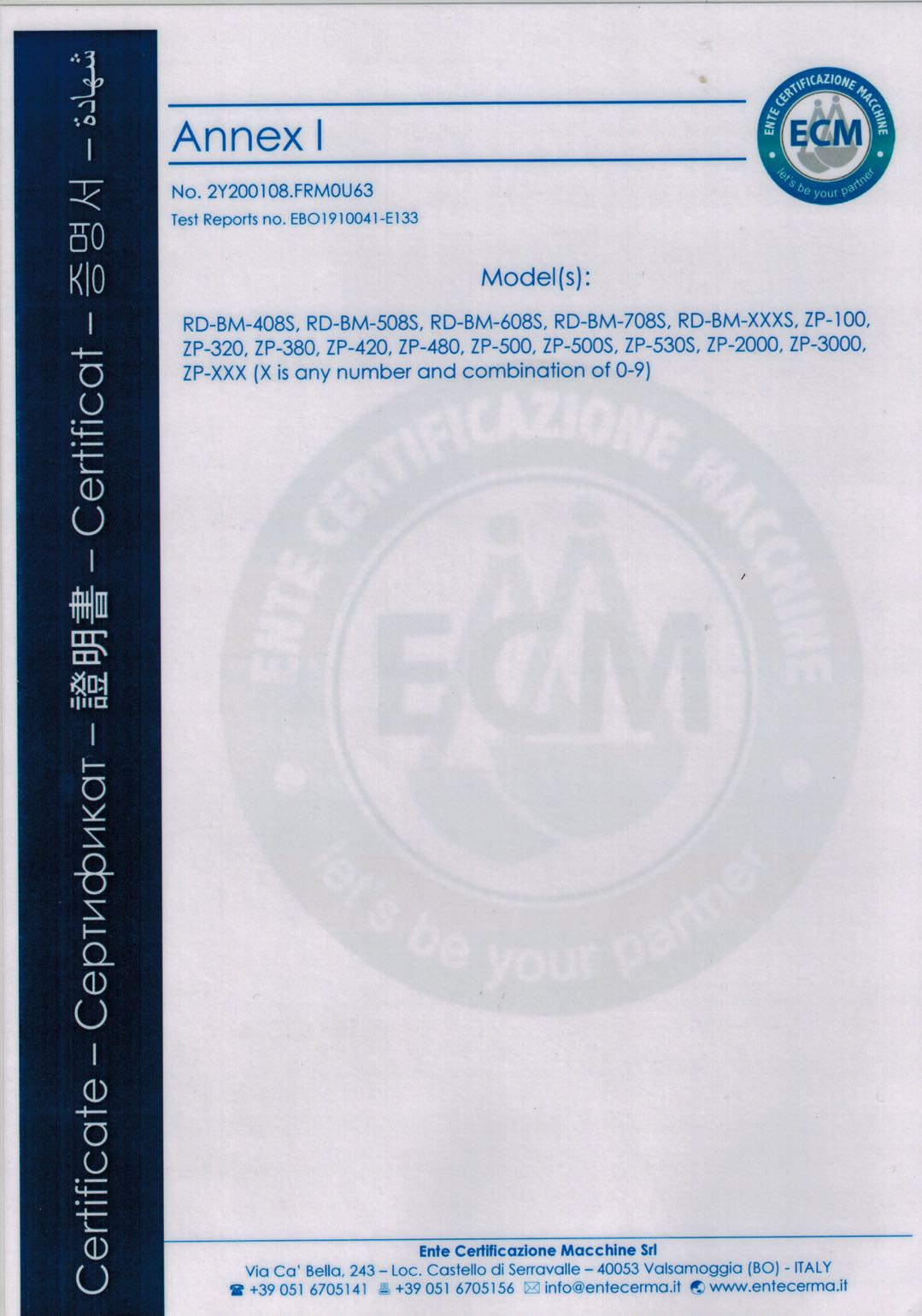
- International Safety Compliance: Processing equipment must meet global manufacturing standards, verified by certifications such as CE compliance for automated flow wrappers and cartoning lines.
Detailed Architectural/Principle Analysis
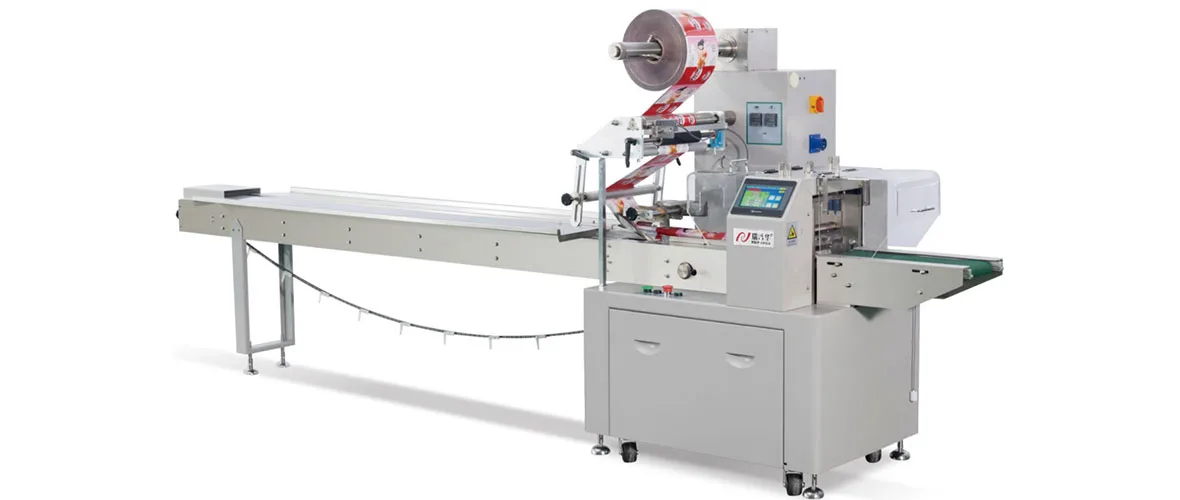
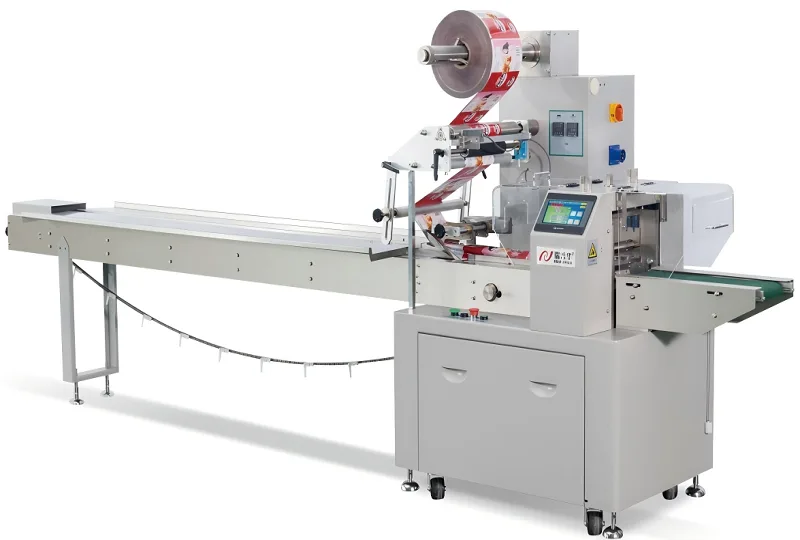
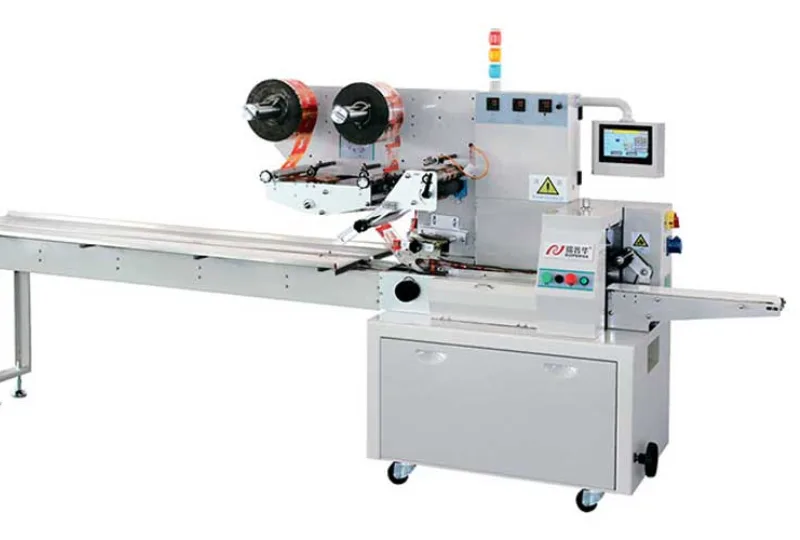
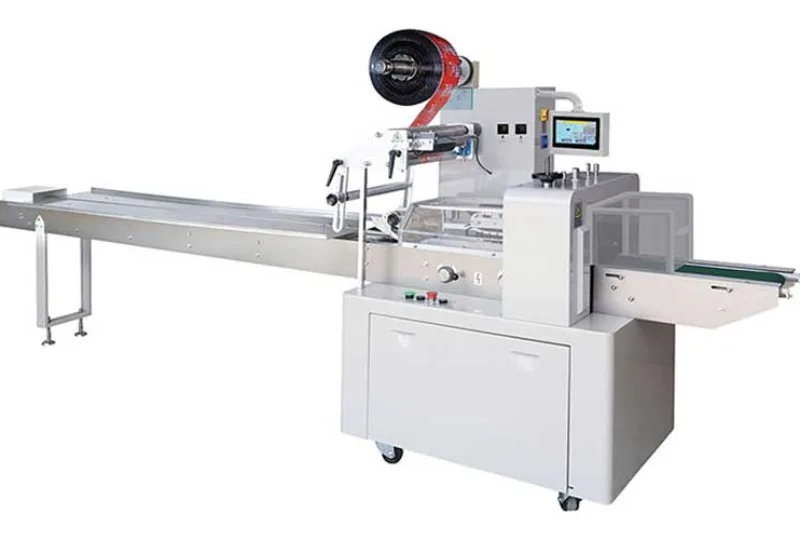
Understanding the underlying mechanics of food packing machinery ensures precise selection. In a standard semi-automatic setup, the operator manually loads the product—such as a tray of fresh meat—onto the loading area. The machine then performs nitrogen gas injection and heat-seals the film over the container. While this mechanism offers high operational flexibility, it depends heavily on human pacing and manual changeovers.
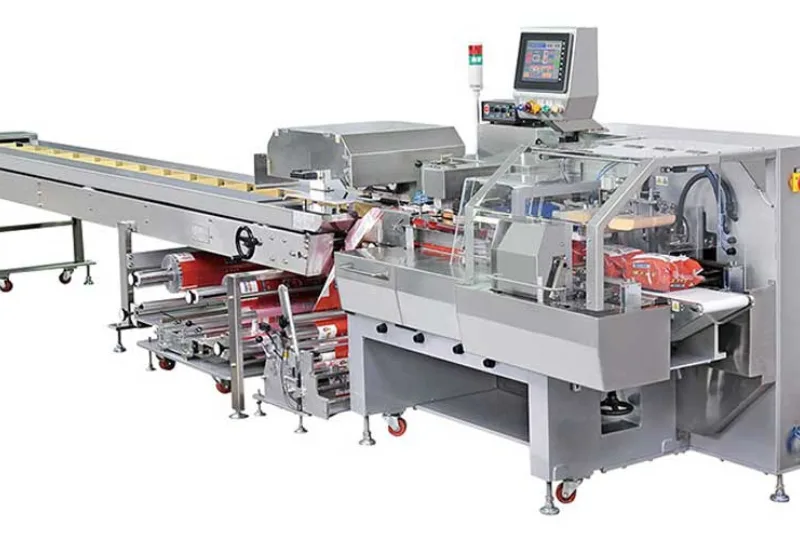
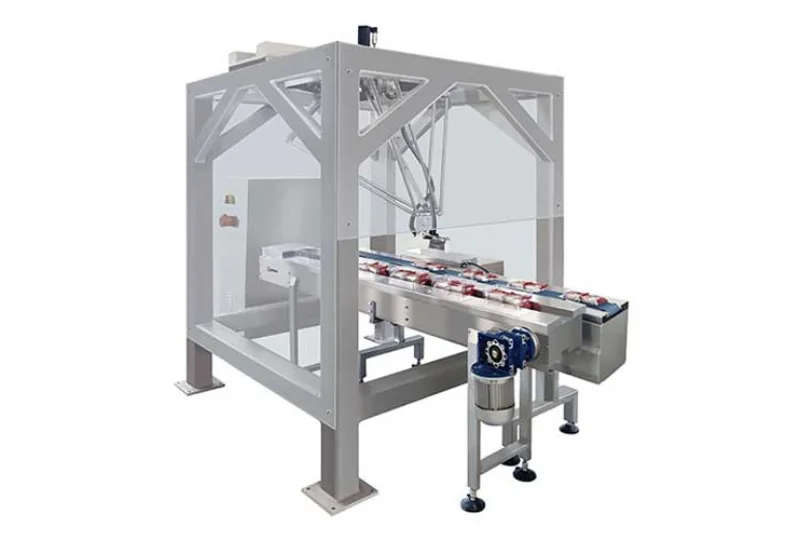
Conversely, a fully automatic packaging line handles high-capacity workloads without direct human intervention. Fresh meat products move directly from processing zones onto integrated conveyors. The automated system forms the pouch or prepares the tray, injects nitrogen gas to displace ambient air, seals the package, prints tracking codes, and transports the sealed product directly to secondary cartoning. These integrated lines use PLCs and HMI touchscreens to control seal integrity, temperature, and product alignment. Any package failing to meet alignment or seal specifications is instantly identified and ejected by automated sensor-driven rejection systems.
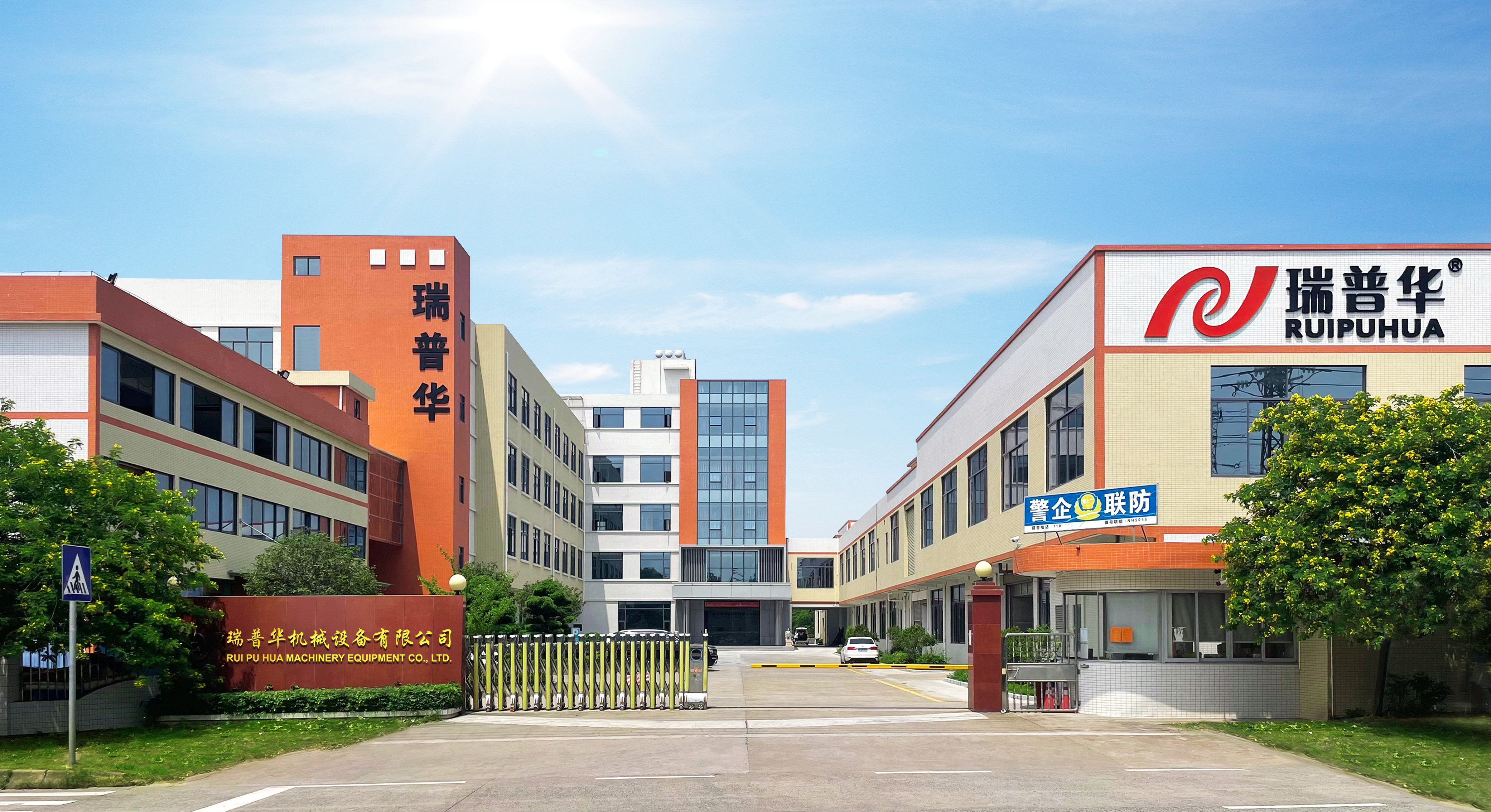
Engineering these high-performance systems requires extensive technical expertise. For example, Foshan Ruipuhua Machinery Equipment Co. Ltd designs and refines synchronized packaging lines using advanced 3D CAD modeling to ensure structural and operational reliability. Their complete packaging solutions undergo rigorous validation to ensure they meet global safety standards, backed by internationally recognized CE certifications.
Data/Solution Comparison
| System Parameter | Standard Semi-Automatic Machine | Fully Automatic Packaging Line |
|---|---|---|
| Loading Mechanism | Manual operator placement | Conveyor belt feed and robotic synchronization |
| Sealing & Preservation | Heat sealing with manual nitrogen gas option | Integrated vacuum, MAP, gas flushing, and automated coding |
| Operational Speed | Variable (dependent on operator speed) | Speeds exceeding 100+ packs per minute |
| Defect Control | Manual inspection and removal | Integrated PLC sensors and automated rejection systems |
| Labor Efficiency | Requires dedicated operators per machine | Replaces 5–10 manual workers per shift |
| Primary Application | Small-scale bakeries, localized fresh meat packaging | High-volume meat processing and pharmaceutical plants |
Frequently Asked Questions (FAQ)
What is the difference between standard vacuum sealing and modified atmosphere packaging (MAP)?
Standard vacuum sealing removes all air from the packaging pouch, drawing the film tight around the product. Modified atmosphere packaging (MAP) removes ambient air but injects a protective gas mixture, such as nitrogen, before sealing, which prevents delicate products from being crushed while actively extending shelf life.
How do automated sensors improve food safety on a fresh meat packaging line?
Fully automatic systems integrate programmable logic controllers (PLCs) and photoelectric sensors that monitor seal temperature, film alignment, and product position. If a package displays a weak seal or incorrect alignment, the system flags the issue and ejects the package automatically, maintaining a zero-defect output.
Can food packing machinery support both small-batch and high-volume operations?
Yes. Mid-sized facilities often select standard semi-automatic machines due to their flexibility with varying tray and bag sizes. Large-scale facilities integrate multi-lane, fully automatic lines with recipe storage functions in the HMI, permitting quick changeovers for various product formats.
Final Conclusion & Recommendations
Selecting the ideal food packing machinery requires evaluating your volume demands, floor space, and desired shelf-life extension. Small to mid-sized processors benefit most from the flexibility of standard semi-automatic tray sealers. High-volume meat processing plants should implement fully integrated, automated packaging systems featuring MAP capabilities and PLC-controlled diagnostic interfaces. Choosing professional manufacturing partners with validated OEM and engineering capabilities ensures the production line operates with high uptime and consistent sealing quality. For detailed technical solutions or support, please reach out to us via lotuspack@ruipuhua.com.
About Us
Established in 2005, Foshan Ruipuhua Machinery Equipment Co. Ltd is a manufacturer of intelligent packaging machinery with a 50,000 square meter factory and 300 employees. Located in the Nanhai Economic Development Zone, the company integrates R&D, production, installation, and after-sales service, delivering packaging lines to over 100 countries. The enterprise holds CE certification (M.2024.206.C107511) and serves major global brands including Mondelez, Lay’s, Mayora, and Bimbo.


-
01
How do I choose the right speed for a toas bread packaging line to avoid crushing soft loaves?
22-06-2026 -
 02
02Packaging Machinery: Beyond Sealing, Driving an Efficient, Smart, and Sustainable Future
21-01-2026 -
 03
03Automatic Tray Loading and Packaging Equipment: Boost Efficiency to 160 Bags/Minute
21-11-2025 -
 04
04Automatic Soap Packaging Machine: Boost Productivity with 99% Qualification Rate
21-11-2025 -
 05
05A Deep Dive into Automatic Toast Processing and Packaging System
18-11-2025 -
06
The Future of Bakery Production: Automated Toast Processing and Packaging System
18-11-2025 -
 07
07Reliable Food Packaging Solutions with China Bread, Candy, and Biscuit Machines
11-10-2025 -
 08
08High-Performance Automated Food Packaging Equipment for Modern Production
11-10-2025 -
09
Reliable Pillow Packing Machines for Efficient Packaging Operations
11-10-2025 -
 10
10Advanced Fully Automatic Packaging Solutions for Efficient Production
11-10-2025
