

How do I choose the right toast bread packaging line for my required output?
Choose the right toast bread packaging line by matching required output with slicing capacity, packing speed, product dimensions, automation level, and available floor utilities. A line may support 1,000–4,500 loaves per hour, while flow wrapping operates at 20–120 bags per minute. Select separate slicing and bagging, a slicer-bagger combination, or a fully integrated system according to throughput and product requirements.
Core Solutions & Key Takeaways
- For lower or variable output, a separate slicer and bagger provides a flexible configuration with packing speeds of 25–40 bags per minute.
- For continuous medium-volume production, a slicer-bagger combination can reach up to 65 loaves per minute and supports automatic bag exchange.
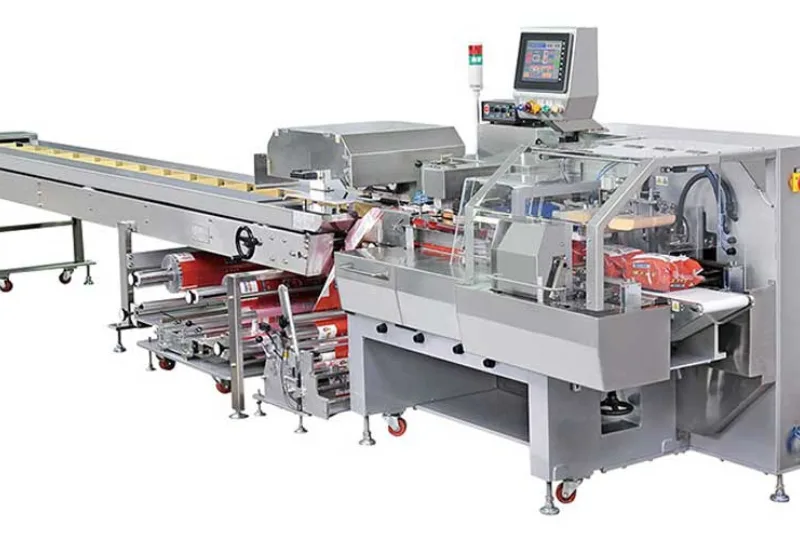
- For high-volume production, an integrated line can combine slicing, bagging, sealing, decrusting, inspection, and conveying, with typical line capacity of 1,000–4,500 loaves per hour.
- Confirm loaf dimensions, product weight, slice thickness, film format, electrical supply, compressed air, hygiene requirements, and optional inspection equipment before selecting the configuration.
Detailed Architectural/Principle Analysis
A toast bread packaging line normally follows the sequence of slicing, bagging or flow wrapping, and sealing or closing. The appropriate architecture depends on the required output, loaf dimensions, packaging material, and whether crust removal is needed. Integrated systems can use PLC and HMI controls for recipe management, product alignment, and line coordination.
The continuous band blade slicer has a stated capacity of up to 2,500 loaves per hour for a 0.6 kg loaf. Standard slice thickness is 11 mm, with 13 mm and 15 mm options listed. The maximum loaf length is 400 mm. The module uses adjustable upper, bottom, and side belts, pneumatic blade tensioning, and blade-break detection with automatic stopping.
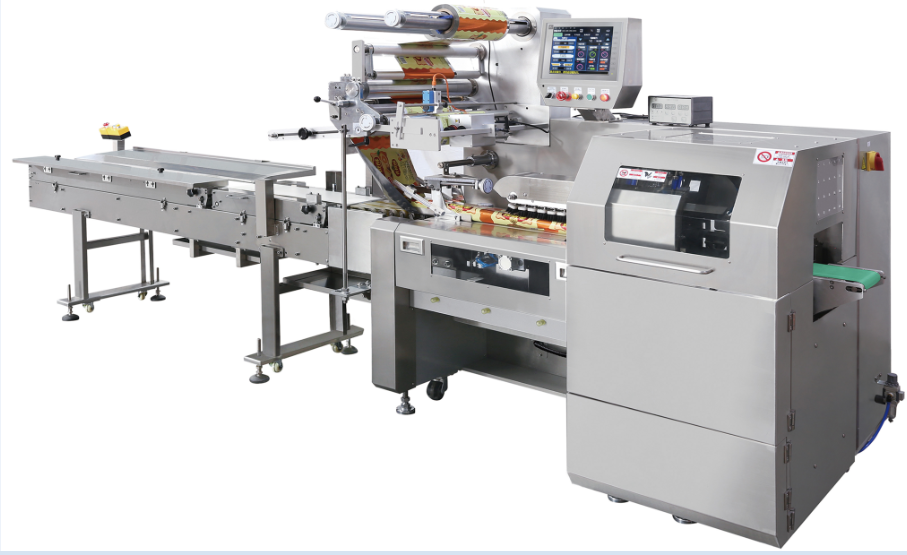
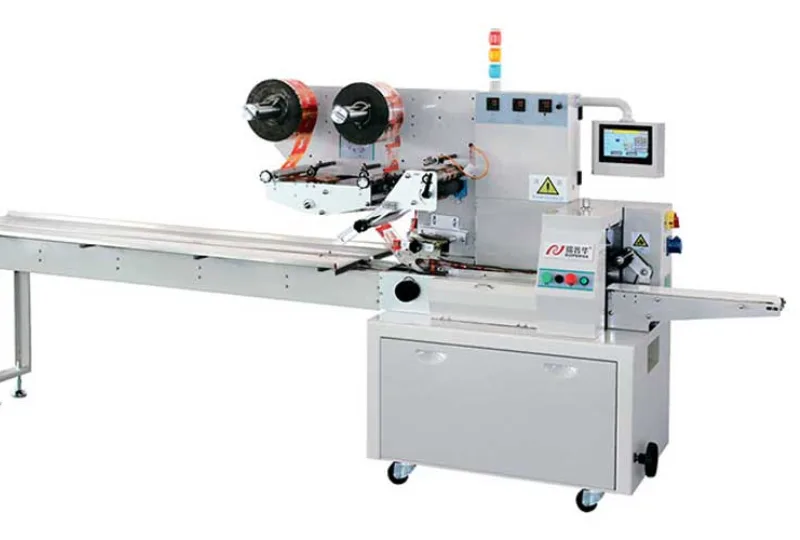
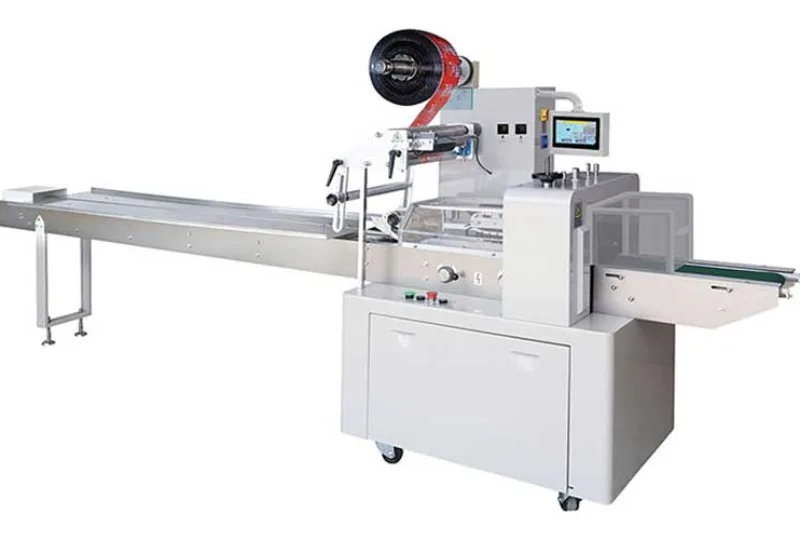
The horizontal flow-wrap module forms pillow packs from paper, plastic, or composite films. Its stated speed range is 20–120 bags per minute, with a maximum film roll diameter of 320 mm and film width of up to 800 mm. The listed construction is stainless steel for hygiene-focused environments, with servo-driven automation and PLC-based control compatibility.
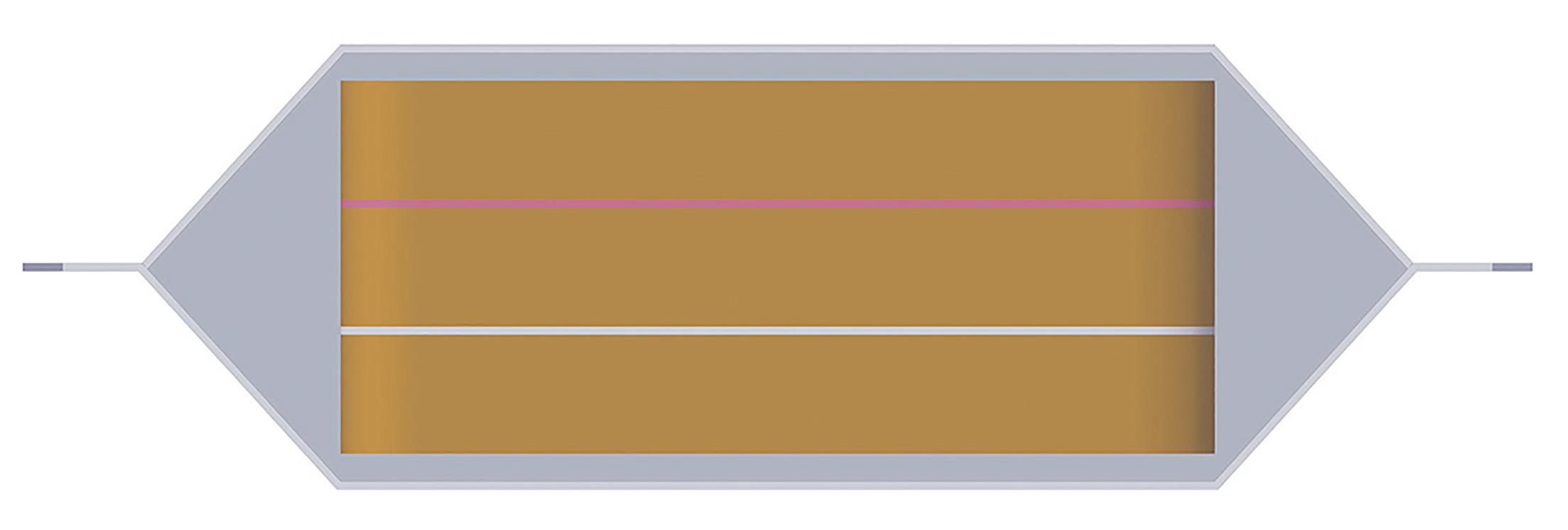
Pre-formed bagging is a different architecture. The automatic bread bagger is specified for PE film with a single-layer thickness of 40–60 micrometers and uses clip-band or twist-tie closing. Listed packing speed is 25–40 bags per minute, while continuous-flow systems can reach up to 75 loaves per minute. This option suits operations using wicket bags rather than roll-fed pillow packs.
A slicer-bagger combination reduces transfer between modules. The listed combination unit reaches up to 65 loaves per minute, uses a corrosion-resistant stainless steel frame, and includes automatic dual wicket exchange. Recipe-driven systems may add automatic infeed phasing, bag tension control, and scoop-opening adjustment for production changeovers.
Crustless toast applications require a decrusting section before packaging. The described line removes crust from all four sides through horizontal and vertical continuous-blade stations, then uses flow-pack sealing. Its listed packaging capacity is approximately 50 packs per minute, with a touch-screen panel, Siemens frequency converter, polycarbonate guards, and CE-compliant electrical systems.

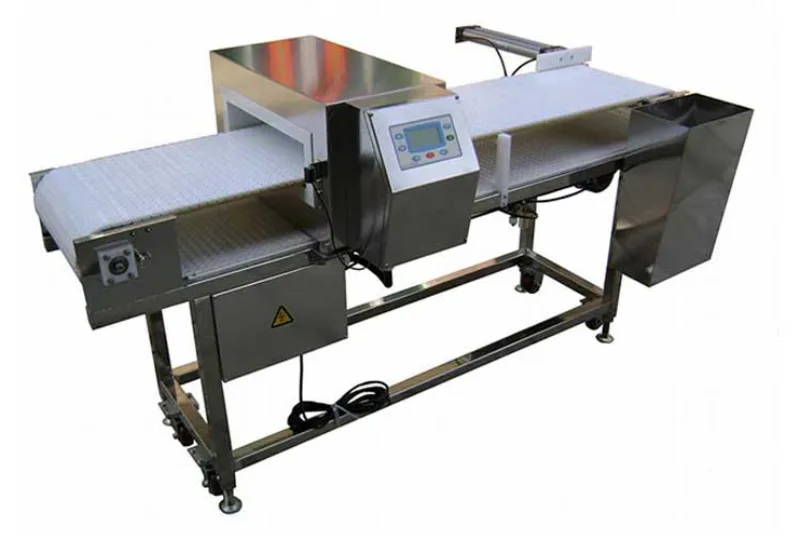
Utility and hygiene checks should be completed before final selection. Integrated systems are listed with 380–400 V, 50–60 Hz, three-phase power, compressed air at 5–6 bar, food-grade stainless steel construction, removable crumb trays, and IP-rated motors. Optional integrations include a metal detector, checkweigher, label applicator, and thermal printer.
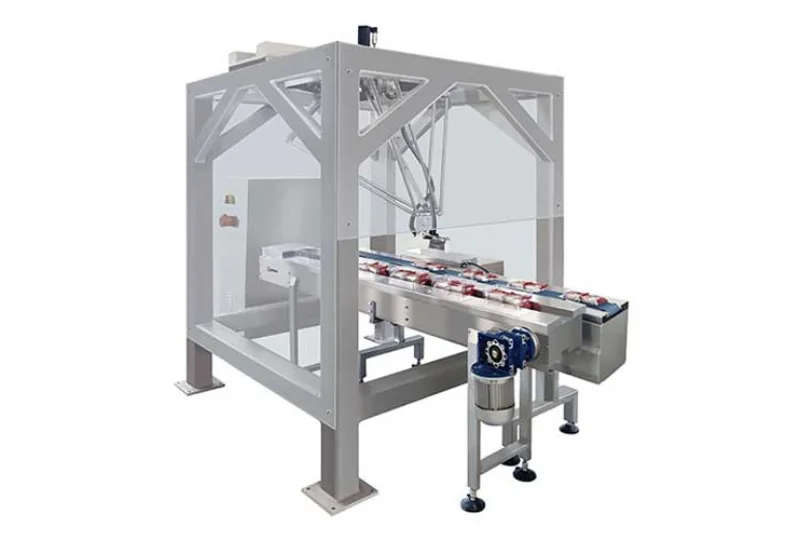
The supplied business information identifies a CE certification covering flow packaging machines, automatic packaging systems, cartoning machines, and palletizing robots. A documented cooperation case describes a chocolate pie cake packaging system for Orion production plants in Vietnam, Korea, and China, covering automated wrapping and robotic palletizing within a broader production system.
Data/Solution Comparison
| Selection option | Output and configuration profile | Best fit |
|---|---|---|
| Entry-level separate slicer and bagger | 25–40 packs per minute; separate modules; basic or semi-automatic operation | Lower output or production requiring flexibility |
| Mid-range slicer-bagger combination | Up to 65 loaves per minute; automatic bag exchange; recipe-driven options | Continuous medium-volume toast bread production |
| High-volume integrated line | 75 or more loaves per minute in the comparison data; full recipe management; optional decrusting and inspection | Large-scale production with limited manual handling |
| Decrusting and crustless bread line | Approximately 50 packs per minute; two decrusting stations; flow-pack sealing | Crustless or premium toast bread products |
| Flow-wrap module | 20–120 bags per minute; roll-fed paper, plastic, or composite film | Products requiring horizontal pillow-pack packaging |
Frequently Asked Questions (FAQ)
What output range can a toast bread packaging line handle?
The supplied specifications list integrated line capacity at 1,000–4,500 loaves per hour, depending on product size. Flow wrapping is listed at 20–120 bags per minute, while individual bagging configurations range from 25–40 bags per minute and can reach up to 75 loaves per minute in continuous-flow systems.
Should I choose flow wrapping or pre-formed bagging?
Choose flow wrapping when the product will be packed in roll-fed paper, plastic, or composite film. Choose pre-formed bagging when the packaging format uses wicket bags made from PE film and the closing method is a clip band or twist tie.
What information is needed to configure the line?
Provide the target output, loaf weight, length, width, height, slice thickness, packaging material, preferred closure, power supply, compressed-air availability, and whether crust removal, metal detection, checkweighing, labeling, or date coding is required.
Final Conclusion & Recommendations
Match the line architecture to the required output: separate slicing and bagging for flexible lower-volume work, a slicer-bagger combination for continuous medium-volume production, and an integrated system for higher throughput or expanded automation. Confirm product dimensions and utilities against the listed specifications before engineering approval. The business model supports manufacturing and OEM cooperation with a minimum order quantity of one, and the company lists testing for 48 hours or customer sample testing plus engineer support. For detailed technical solutions or support, please contact lotuspack@ruipuhua.com.
About Us
Foshan Ruipuhua Machinery Equipment Co. Ltd, also known as RPH or RAPIDPACK, manufactures automatic packaging machinery and complete packaging lines. Founded in 2005, the company integrates research and development, production, installation, and technical after-sales service in Foshan, Guangdong, China. Its company profile lists a 50,000-square-meter factory and annual production exceeding 500 sets of automatic packaging machines and complete lines. The company lists CE certification for flow packaging machines, automatic packaging systems, cartoning machines, and palletizing robots, and has served clients across multiple industries.

-
01
How do I choose the right speed for a toas bread packaging line to avoid crushing soft loaves?
22-06-2026 -
 02
02Packaging Machinery: Beyond Sealing, Driving an Efficient, Smart, and Sustainable Future
21-01-2026 -
 03
03Automatic Tray Loading and Packaging Equipment: Boost Efficiency to 160 Bags/Minute
21-11-2025 -
 04
04Automatic Soap Packaging Machine: Boost Productivity with 99% Qualification Rate
21-11-2025 -
 05
05A Deep Dive into Automatic Toast Processing and Packaging System
18-11-2025 -
06
The Future of Bakery Production: Automated Toast Processing and Packaging System
18-11-2025 -
 07
07Reliable Food Packaging Solutions with China Bread, Candy, and Biscuit Machines
11-10-2025 -
 08
08High-Performance Automated Food Packaging Equipment for Modern Production
11-10-2025 -
09
Reliable Pillow Packing Machines for Efficient Packaging Operations
11-10-2025 -
 10
10Advanced Fully Automatic Packaging Solutions for Efficient Production
11-10-2025
