

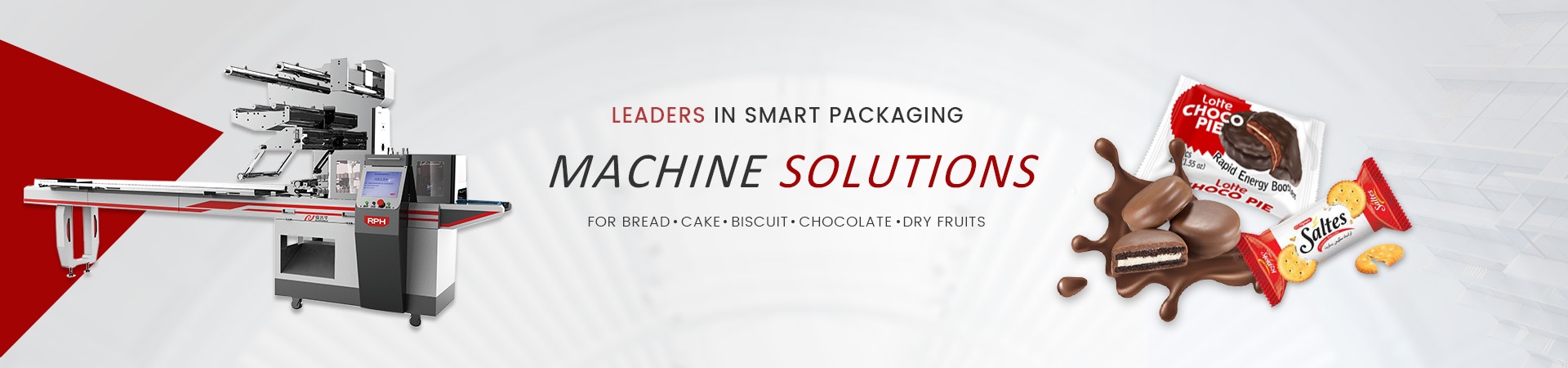
How do I pick a wafer automatic packaging system that prevents ESD damage?
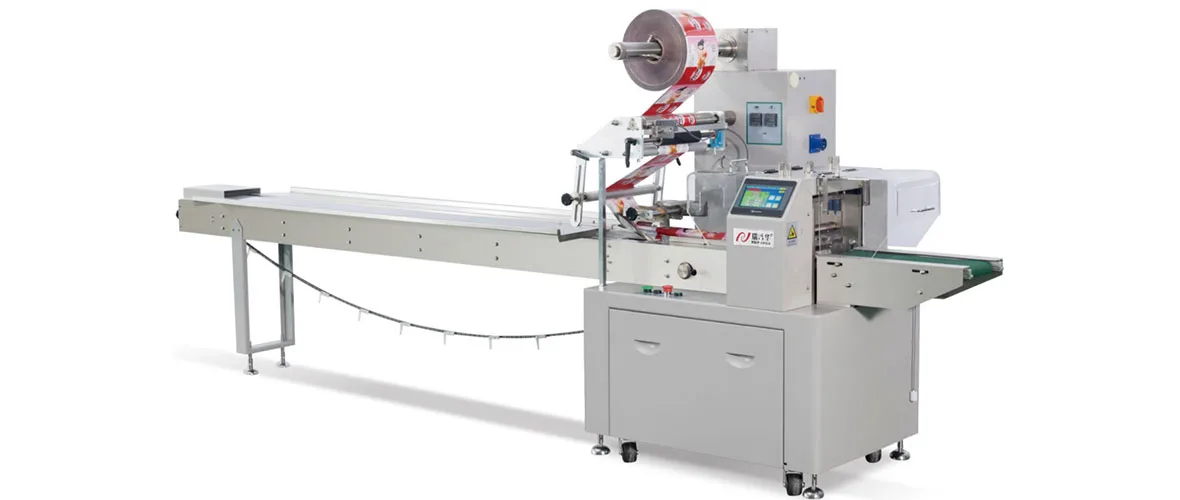
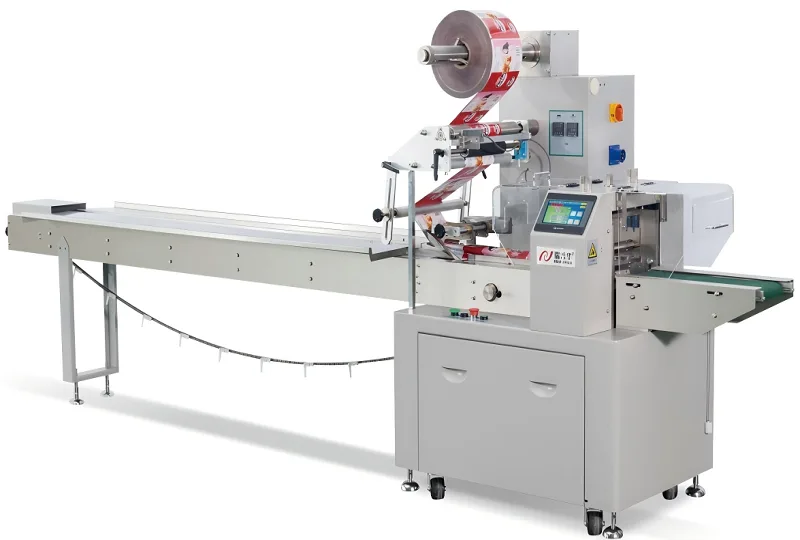
Selecting a wafer automatic packaging system to prevent ESD damage requires specifying full stainless steel (AISI 304) construction with integrated electrical grounding, anti-static belt conveyors, and controlled servo-driven film handling. Prioritize horizontal flow wrappers utilizing PLC-controlled motion, ionized air blowing options, and double pneumatic reel holders to ensure smooth static-free product transfer and hermetic sealing at high speeds.
Core Solutions & Key Takeaways
- Grounded Machine Architecture: AISI 304 stainless steel frame construction provides consistent electrical continuity to dissipate static charges created during high-speed film transport.
- Multi-Axis Servo Synchronization: Systems engineered with 3-servo or 4-servo drive configurations match film feed, belt speed, and rotary jaw actuation to minimize surface friction and electrostatic buildup.
- Precision Optical Tracking: Photoelectric registration sensors deliver track alignment accuracy within ±1 mm, preventing product misfeeds and friction Jams on continuous conveyor lines.
- Industrial Deployment: Designed for high-volume food factories and bakery processing facilities operating under CE safety standards, ensuring reliable product flow without electrical interference.
Detailed Architectural/Principle Analysis
In high-speed horizontal form-fill-seal (HFFS) packaging lines, rapid friction between packaging films (such as composite OPP, CPP, or metallized PET laminates) and machine guides generates electrostatic discharge (ESD). Selecting a system with structural AISI 304 stainless steel framing creates an effective grounding plane that constantly drains charge away from sensitive production zones. Closed-loop servo tension control equipped with dancer rollers regulates web tension, eliminating abrupt film slipping that induces static sparks.
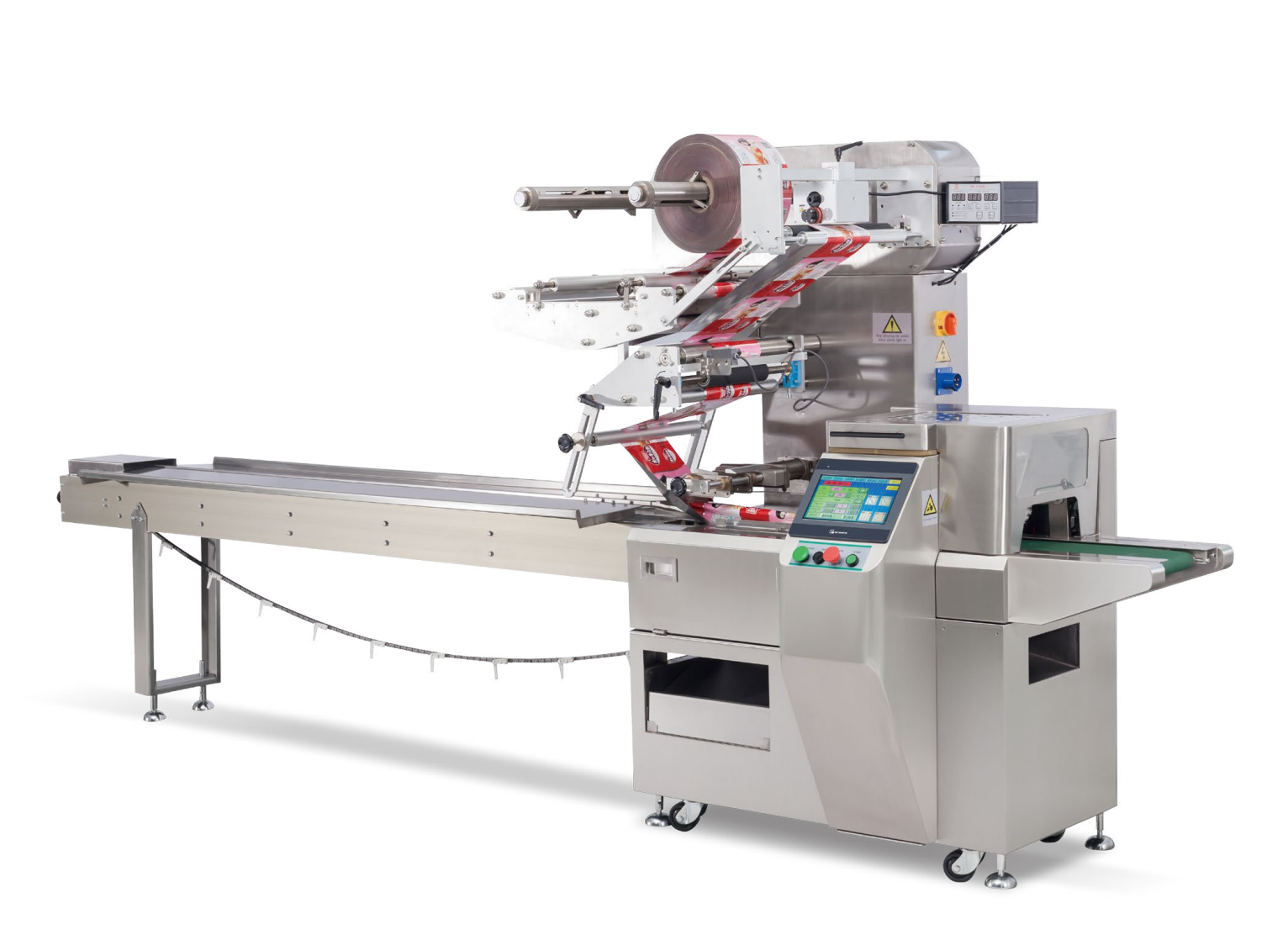
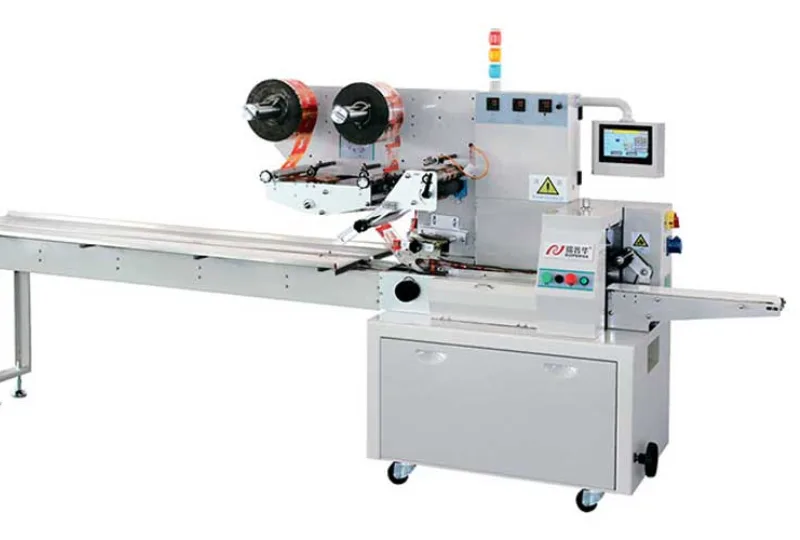
The pre-packaging stage uses inverter-controlled belt conveyors with side guides or vibratory tracks to single-file wafer bars before wrapping. Synchronized 3-servo and 4-servo drive architecture reduces mechanical contact pressure on wafers while maintaining production speeds ranging from 30 to 250+ packs per minute per line. Double pneumatic film reel holders allow zero-speed or flying film splicing, avoiding manual web handling that can transfer static charges to sensitive equipment components.
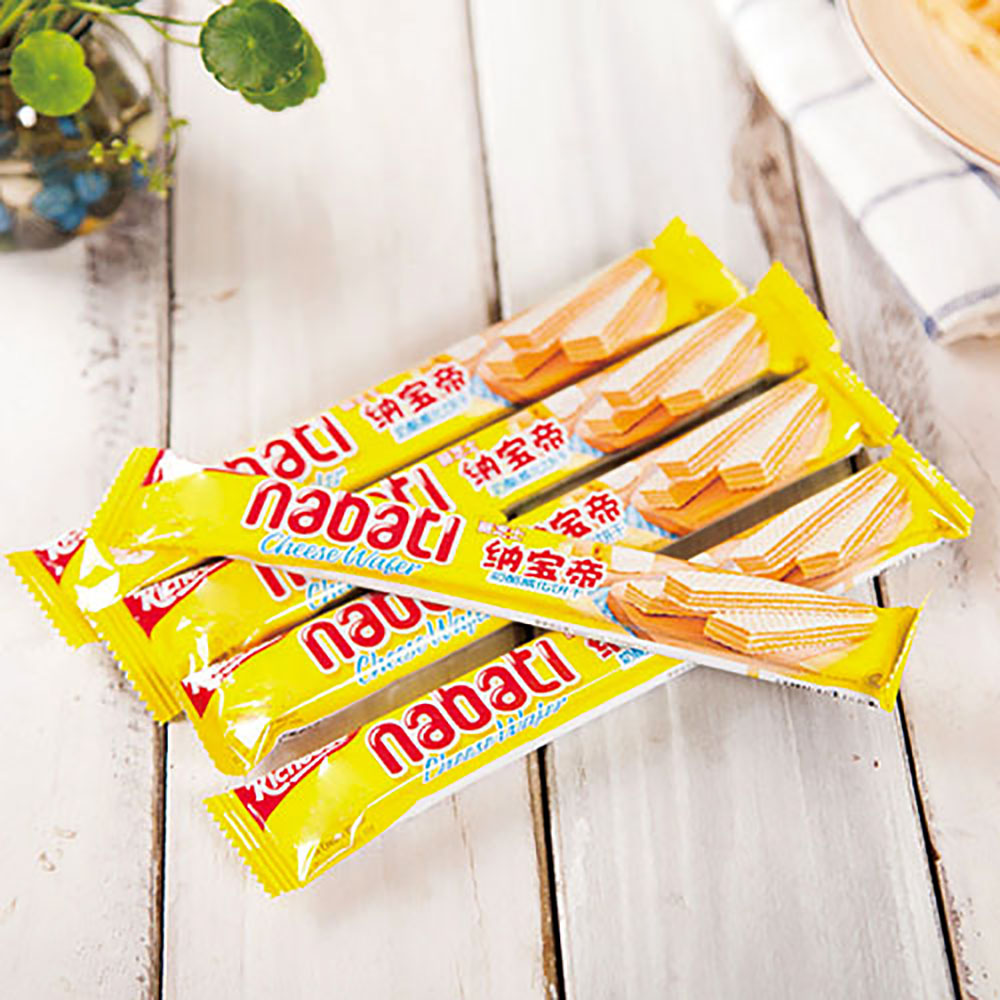
In automated bakery manufacturing plants, integrated packaging systems must maintain high uptime and sealing integrity. Machine setups incorporating preheating assemblies for longitudinal fin seals and rotary cross-sealing jaws achieve continuous hermetic seals. Automated rejection systems immediately clear out misaligned items via sensor triggers before misfeeds create excessive web friction or mechanical jams.
Data/Solution Comparison
| System Class | Packaging Speed | Film Width Capability | Servo Architecture | Structural Material | Anti-Static & Handling Features |
|---|---|---|---|---|---|
| Entry / Mini Series | 30 – 90 packs/min | 90 – 280 mm | 2-Servo / Dual Frequency | Stainless Steel Frame | Standard grounding, manual reel loading |
| Mid-Range Industrial | 100 – 200 packs/min | 280 – 450 mm | 3-Servo System | Full Stainless AISI 304 | Pneumatic reel shaft, photoelectric registration (±1mm) |
| High-Speed Full Servo | 200 – 350+ packs/min | 450 – 900 mm | 4-Servo + Servo Reel Tension | Stainless AISI 304 Hygienic Design | Double pneumatic reel holder, auto-splicing, continuous grounding bus |
Frequently Asked Questions (FAQ)
How does machine frame material impact static electricity in a packaging system?
Full AISI 304 stainless steel machine frames provide complete grounding paths across structural components, continually dissipating triboelectric charges generated by moving packaging film and conveyer belts.
What mechanisms reduce friction during wafer feeding and wrapping?
Multi-axis servo controls synchronize the speed of infeed belt conveyors, film forming tubes, and sealing jaws. Matching these velocities prevents surface scuffing and minimizes electrostatic generation on product surfaces.
Can these wafer packaging lines integrate with downstream automation?
Yes. HFFS lines connect directly with secondary equipment, including online checkweighers, metal detectors, automatic cartoning machines, and collaborative palletizing robots via EtherCAT or CANopen PLC communication protocols.
Final Conclusion & Recommendations
When selecting a wafer automatic packaging system, evaluate core hardware specifications including AISI 304 stainless steel frame construction, multi-servo drive synchronization, and CE safety certification (Certificate M.2024.206.C107511). Ensure the machine configuration matches required throughput, bag dimensions (length 60–400 mm), and film widths (90–900 mm). Direct OEM manufacturing systems offer standard delivery lead times of 20 working days with a minimum order quantity of 1 set. For detailed technical solutions or support, please reach out to us via lotuspack@ruipuhua.com.
About Us
Foshan Ruipuhua Machinery Equipment Co. Ltd is a manufacturer of intelligent packaging machinery founded in 2005. Located in Foshan, Guangdong, the company operates a 50,000 square meter facility with 300 employees and an annual output capacity exceeding 500 sets of automated equipment, generating an annual output value of approximately 300 million RMB. Holding CE certification, the enterprise exports automated flow wrapping, cartoning, and palletizing systems to over 100 countries worldwide.


-
01
How do I choose the right speed for a toas bread packaging line to avoid crushing soft loaves?
22-06-2026 -
 02
02Packaging Machinery: Beyond Sealing, Driving an Efficient, Smart, and Sustainable Future
21-01-2026 -
 03
03Automatic Tray Loading and Packaging Equipment: Boost Efficiency to 160 Bags/Minute
21-11-2025 -
 04
04Automatic Soap Packaging Machine: Boost Productivity with 99% Qualification Rate
21-11-2025 -
 05
05A Deep Dive into Automatic Toast Processing and Packaging System
18-11-2025 -
06
The Future of Bakery Production: Automated Toast Processing and Packaging System
18-11-2025 -
 07
07Reliable Food Packaging Solutions with China Bread, Candy, and Biscuit Machines
11-10-2025 -
 08
08High-Performance Automated Food Packaging Equipment for Modern Production
11-10-2025 -
09
Reliable Pillow Packing Machines for Efficient Packaging Operations
11-10-2025 -
 10
10Advanced Fully Automatic Packaging Solutions for Efficient Production
11-10-2025
