

Navigating the Changing Landscape of National Packaging Systems
The Evolution of Packaging Systems in the Digital Age
In today’s fast-paced world, packaging systems play a crucial role in ensuring products reach consumers efficiently and safely. With technological advancements shaping the industry, the landscape of national packaging systems is constantly evolving.
One key trend in the packaging industry is sustainability. More companies are shifting towards eco-friendly packaging materials and reducing their environmental footprint. This not only aligns with consumer preferences for green products but also helps in building a positive brand image.
Another aspect to consider is the rise of e-commerce and its impact on packaging. The increase in online shopping has led to a greater demand for efficient and compact packaging solutions. National packaging systems need to adapt to these changes by incorporating automation and smart packaging technologies.
Furthermore, the integration of Internet of Things (IoT) and data analytics in packaging systems is revolutionizing the way products are tracked and monitored throughout the supply chain. This level of transparency helps in improving inventory management and reducing the risk of counterfeit goods.
The Role of National Policies in Shaping Packaging Systems
Government regulations and policies also play a significant role in driving innovation within the packaging industry. By promoting sustainable practices and implementing recycling initiatives, national authorities can influence the design and production of packaging materials.
For instance, the introduction of extended producer responsibility (EPR) schemes has encouraged manufacturers to take greater responsibility for the end-of-life disposal of their packaging. This has led to an increase in recycling rates and a reduction in waste generation.
Challenges and Opportunities Ahead
While the future of national packaging systems looks promising, there are challenges that need to be addressed. Issues such as over-packaging, lack of standardization, and inefficient recycling processes continue to be roadblocks in achieving a more sustainable packaging ecosystem.
However, these challenges also present opportunities for innovation. Companies that invest in research and development to create packaging solutions that are both cost-effective and environmentally friendly will gain a competitive edge in the market.
In conclusion, the dynamic nature of national packaging systems requires constant adaptation to meet the changing needs of consumers and the industry. By embracing sustainability, technology, and regulatory frameworks, the packaging industry can navigate through these challenges and build a more efficient and eco-conscious supply chain.

-
01
How do I choose the right speed for a toas bread packaging line to avoid crushing soft loaves?
22-06-2026 -
 02
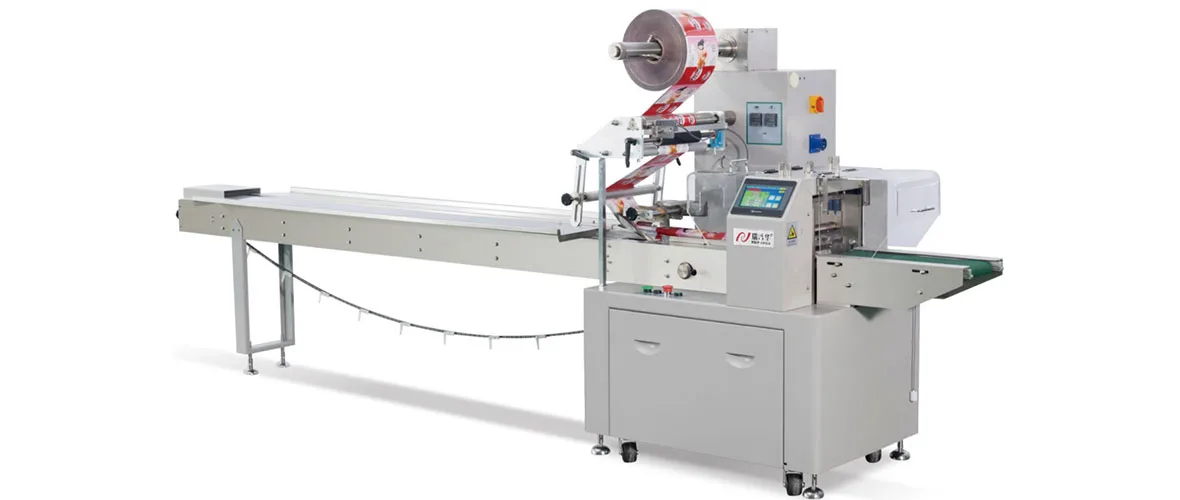
02Packaging Machinery: Beyond Sealing, Driving an Efficient, Smart, and Sustainable Future
21-01-2026 -
 03
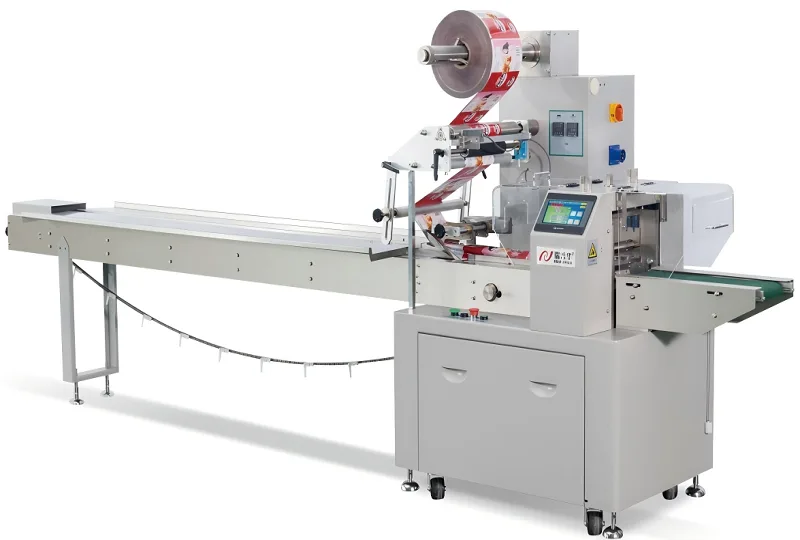
03Automatic Tray Loading and Packaging Equipment: Boost Efficiency to 160 Bags/Minute
21-11-2025 -
 04
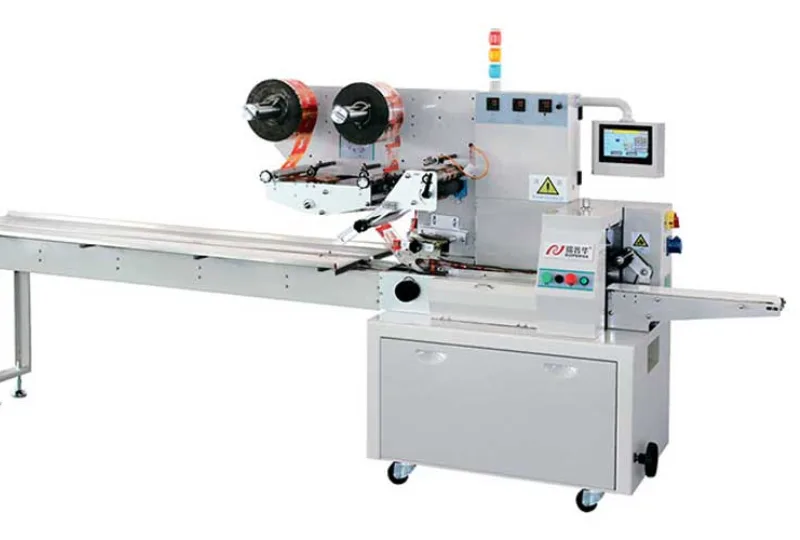
04Automatic Soap Packaging Machine: Boost Productivity with 99% Qualification Rate
21-11-2025 -
 05
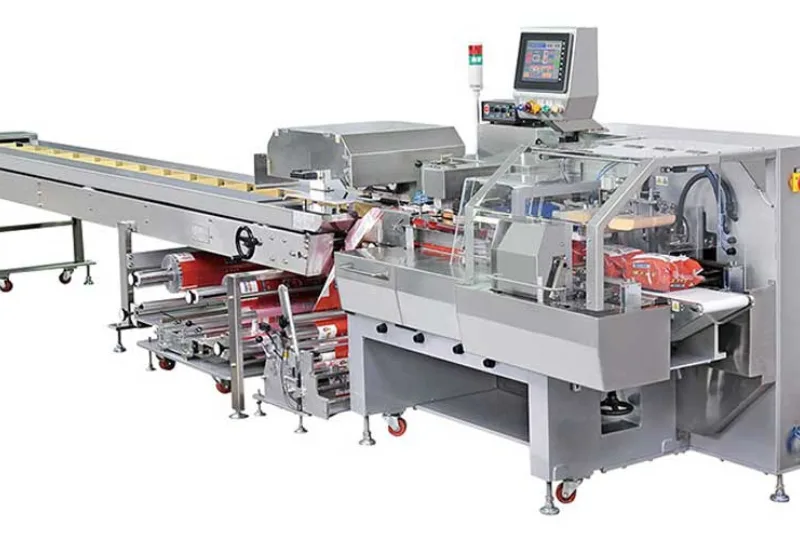
05A Deep Dive into Automatic Toast Processing and Packaging System
18-11-2025 -
06
The Future of Bakery Production: Automated Toast Processing and Packaging System
18-11-2025 -
 07
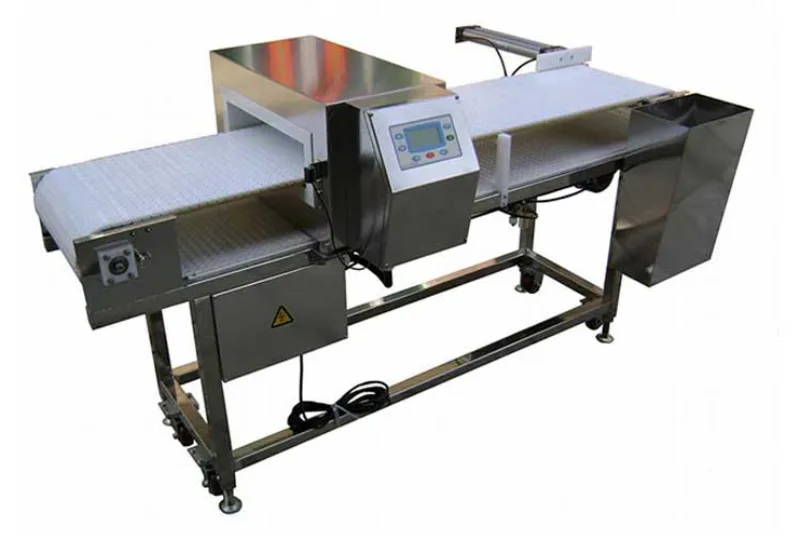
07Reliable Food Packaging Solutions with China Bread, Candy, and Biscuit Machines
11-10-2025 -
 08
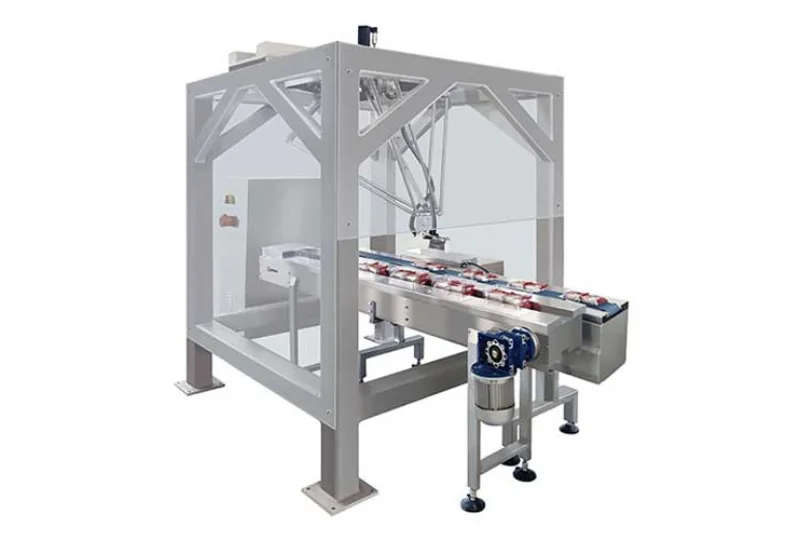
08High-Performance Automated Food Packaging Equipment for Modern Production
11-10-2025 -
09
Reliable Pillow Packing Machines for Efficient Packaging Operations
11-10-2025 -
 10
10Advanced Fully Automatic Packaging Solutions for Efficient Production
11-10-2025
