

Package vs System on Chip: A Comparative Analysis
Package vs System on Chip: A Comparative Analysis
In the realm of electronics and integrated circuit design, the choice between a standalone package and a system-on-chip (SoC) design is a critical decision that significantly impacts the performance and efficiency of electronic devices. Let’s delve into the intricacies of each approach and explore the advantages and limitations they offer.
The Marvel of Integration: System on Chip (SoC)
System on Chip (SoC) design represents the pinnacle of integration in modern electronics. By consolidating several components onto a single chip, SoCs offer a compact and efficient solution for complex electronic systems. This integration not only reduces the physical footprint of devices but also enhances performance by minimizing inter-component communication latency.
One of the standout advantages of SoCs is their ability to optimize power consumption. By co-locating components that frequently interact with each other, SoCs reduce power wastage associated with data transmission between discrete components, leading to improved battery life in portable devices.
Unpacking the Package: Standalone Package Approach
Contrary to the integrated approach of SoCs, standalone packages involve assembling individual components on a printed circuit board (PCB) or substrate. While this traditional approach may seem dated compared to SoCs, standalone packages offer flexibility and scalability that are essential for certain applications.
Standalone packages shine in scenarios where customizability and modularity are paramount. By using discrete components, developers have the freedom to mix and match different components to meet specific requirements, making standalone packages an attractive option for prototyping and niche applications.
Choosing the Right Path: Considerations and Trade-offs
When deciding between a SoC and standalone package approach, developers must weigh various factors to determine the optimal design strategy for their project. Performance requirements, power efficiency, time-to-market constraints, and cost considerations all play a crucial role in this decision-making process.
Performance and Efficiency:
SoCs excel in applications that demand high performance and low latency. By eliminating external communication overhead, SoCs offer superior processing speeds and reduced power consumption compared to standalone packages.
On the other hand, standalone packages provide flexibility in upgrading or replacing individual components, allowing for fine-tuning of system performance. For applications where scalability or component-level customization is essential, standalone packages may offer a more suitable solution.
Cost and Time-to-Market:
Developing SoCs can be a time-consuming and costly endeavor due to the complexity of integration and testing processes. However, the economies of scale achieved through mass production can offset these initial costs, making SoCs a cost-effective choice for large production runs.
Standalone packages, while potentially more expensive on a per-unit basis, offer quicker prototyping and development cycles. For low-volume or specialized applications, the flexibility provided by standalone packages can outweigh the cost considerations associated with SoCs.
Conclusion:
As technology continues to advance, the line between SoCs and standalone packages continues to blur. Hybrid approaches that combine the benefits of both paradigms are becoming increasingly prevalent, catering to diverse design requirements across various industries.
Ultimately, the choice between a SoC and standalone package hinges on the specific needs of each project. By carefully evaluating performance objectives, power constraints, cost considerations, and development timelines, designers can select the most suitable approach to deliver innovative and efficient electronic systems.

-
01
How do I choose the right speed for a toas bread packaging line to avoid crushing soft loaves?
22-06-2026 -
 02
02Packaging Machinery: Beyond Sealing, Driving an Efficient, Smart, and Sustainable Future
21-01-2026 -
 03
03Automatic Tray Loading and Packaging Equipment: Boost Efficiency to 160 Bags/Minute
21-11-2025 -
 04
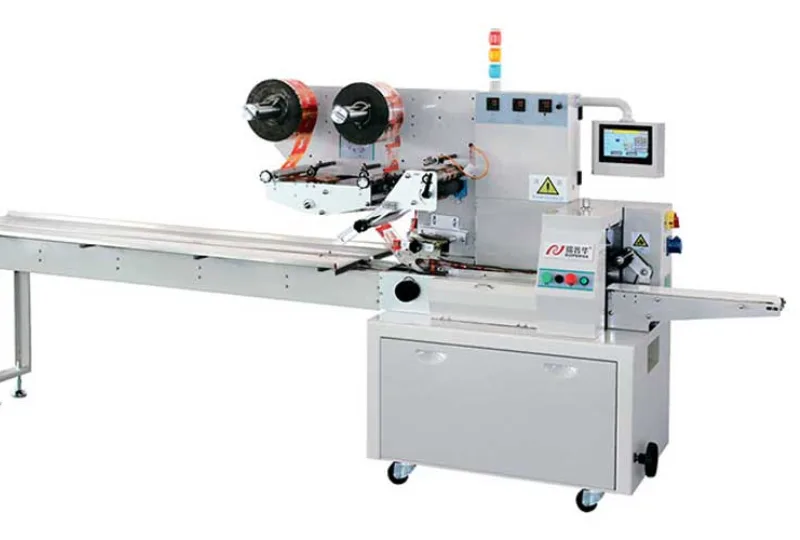
04Automatic Soap Packaging Machine: Boost Productivity with 99% Qualification Rate
21-11-2025 -
 05
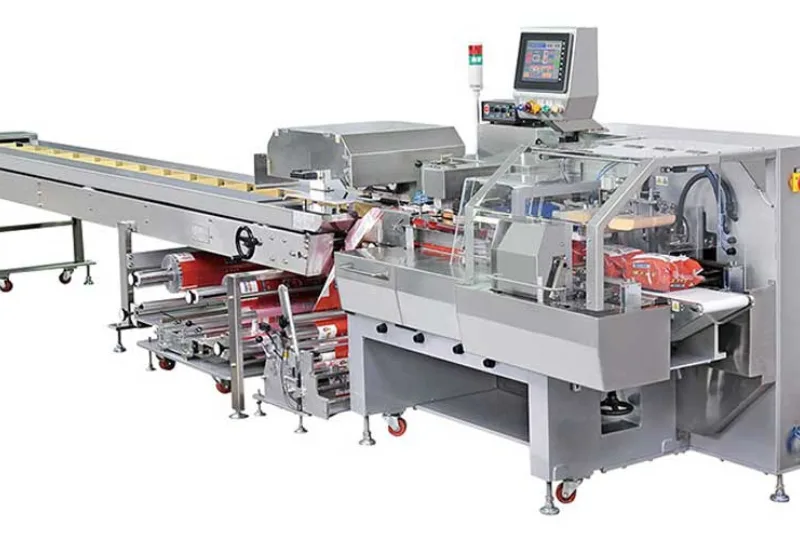
05A Deep Dive into Automatic Toast Processing and Packaging System
18-11-2025 -
06
The Future of Bakery Production: Automated Toast Processing and Packaging System
18-11-2025 -
 07
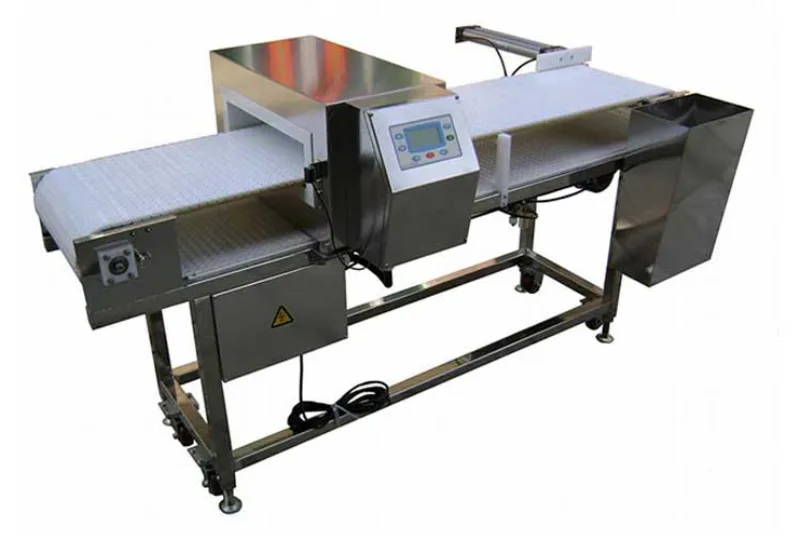
07Reliable Food Packaging Solutions with China Bread, Candy, and Biscuit Machines
11-10-2025 -
 08
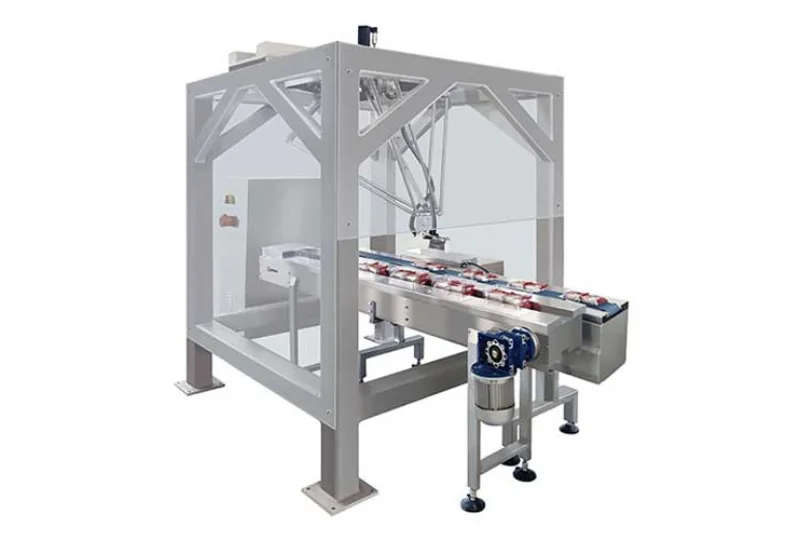
08High-Performance Automated Food Packaging Equipment for Modern Production
11-10-2025 -
09
Reliable Pillow Packing Machines for Efficient Packaging Operations
11-10-2025 -
 10
10Advanced Fully Automatic Packaging Solutions for Efficient Production
11-10-2025
