

Practical Tips: How to Choose the Right Flow Wrapper for Your Business Needs (2026 Guide)
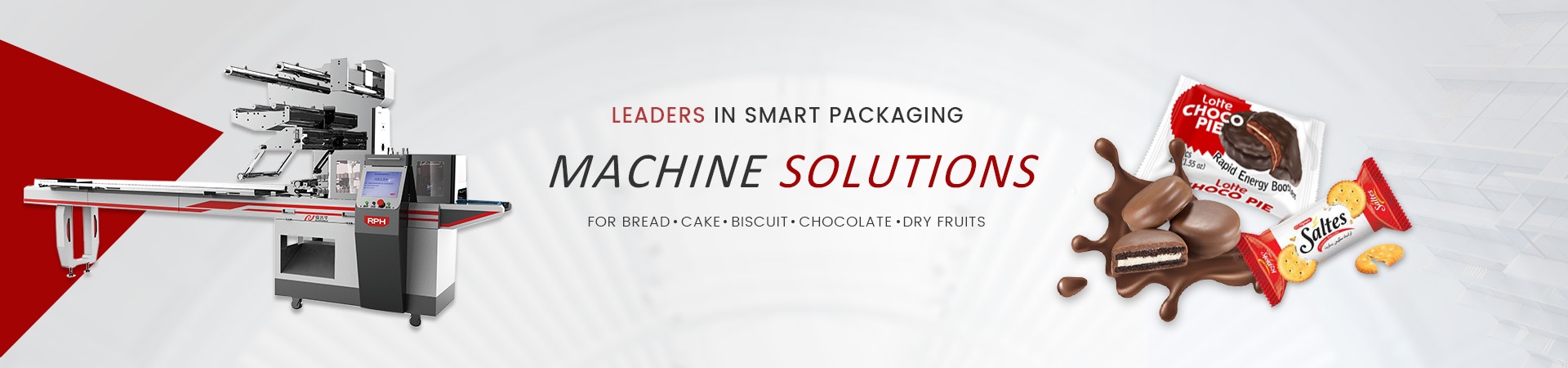
A **flow wrapper** is a horizontal packaging powerhouse that wraps flexible film snugly around products, seals edges, and cuts individual packages. It anchors modern packaging lines, handling everything from crispy granola bars and gummies to prescription meds, hardware screws, and farm-fresh berries.
By 2026, these machines transcend basic packaging roles—they’re critical for curbing waste, boosting efficiency, hitting sustainability mandates, and appealing to eco-conscious shoppers. The right model streamlines operations, slashes costs, and drives sales; a poor fit causes bottlenecks, film scrap, and product damage.
This guide outlines key factors businesses should weigh when selecting a flow wrapper in 2026.
—
### 1. Define Your Product Specifications Clearly
The first step is pinpointing your product’s unique wrapping needs, as different items demand specific technologies and settings for quality and efficiency.
#### Key Product Parameters to Evaluate
– **Dimensions and shape**: Measure length, width, height, and irregularities like pointed cookie corners or uneven hardware surfaces. Irregular shapes may require custom infeed systems or adjustable film tension controls.
– **Weight**: Heavier products need stronger seals and sturdier conveyors to prevent slippage or harm during wrapping.
– **Consistency**: Variations in size, shape, or weight call for a wrapper with adaptive packaging features or fine-tunable controls.
– **Temperature and fragility**: Fresh produce or delicate pastries need gentle handling and low-friction conveyors, while frozen goods require cold-resistant film and seals.
– **Packaging requirements**: Decide between pillow packs (the most common), gusseted packs (for bulk or larger items), or seal-only options.
—
### 2. Determine Your Production Volume and Speed Needs
Flow wrappers span speeds and capacities, from compact tabletop units for small batches to industrial lines handling thousands of items per minute.
#### Calculating Required Speed
1. Estimate daily production volume in units.
2. Divide by daily operating hours (including breaks and planned/unplanned downtime).
3. Add a 10–15% buffer for unexpected delays.
#### Speed and Capacity Options
– **Low-volume (0–200 units/min)**: Affordable, easy-to-operate tabletop or compact wrappers suit small businesses, local bakeries, or startups with limited space.
– **Medium-volume (200–600 units/min)**: Semi-automatic or fully automatic wrappers with basic infeed/discharge systems work well for mid-sized food, beverage, or consumer goods companies.
– **High-volume (600+ units/min)**: Industrial wrappers with advanced automatic infeed, vision inspection, and quick-changeover tools are built for 24/7 large-scale manufacturing.
—
### 3. Choose the Right Film Material and Type
Film selection impacts shelf life, sustainability, and packaging quality. By 2026, eco-friendly films are non-negotiable for many consumers, so prioritize recyclable, compostable, or biodegradable options where feasible.
#### Common Flow Wrapper Film Materials
– **Polyethylene (PE)**: The most widely used film—affordable, durable, and versatile—but not fully recyclable everywhere.
– **Polypropylene (PP)**: High-clarity, heat-resistant films ideal for microwaveable or hot-filled products, and recyclable in most regions.
– **Compostable films**: Plant-based options like cornstarch or PLA meet strict sustainability standards, perfect for organic produce, baked goods, and fresh items.
– **Barrier films**: Coated with aluminum or plastic layers to block moisture, oxygen, or light, extending shelf life for pharmaceuticals, frozen foods, and snacks.
#### Film Compatibility
Confirm film matches your wrapper’s sealing technology:
– **Heat sealing**: The most common method, melting film edges to bond.
– **Cold sealing**: Uses pressure and adhesive, ideal for heat-sensitive products like chocolates or medical tablets.

—
### 4. Evaluate Flow Wrapper Features for Efficiency and Usability
Modern wrappers come packed with features to cut downtime, boost productivity, and simplify operation. Here are 2026’s must-have elements.
#### Efficiency and Productivity Features
– **Quick changeover**: Reduces downtime when switching products by enabling fast film tension, conveyor speed, and seal adjustments. Look for tool-free or automated changeover.
– **Vision inspection**: Detects packaging defects like incomplete seals, missing items, or misaligned labels and rejects faulty packages automatically, elevating quality control.
– **Data collection and connectivity**: Smart IoT-enabled wrappers track production speed, film waste, and downtime, helping you optimize workflows and predict maintenance needs.
– **Energy efficiency**: Choose models with LED lighting, variable-speed drives, and heat recovery systems to lower operating costs and carbon emissions.
#### Usability Features
– **Touchscreen interface**: Provides clear instructions, real-time data, and simple tweaks for easier operation.
– **Safety features**: Prioritize emergency stops, safety guards, and automatic shutoff systems to meet regulations and protect workers.
– **Low-maintenance design**: Durable materials and easy-to-clean components slash maintenance costs and downtime.
—
### 5. Consider Sustainability and Environmental Impact
Sustainability is a top priority for both consumers and businesses in 2026. A wrapper and materials that reduce waste and carbon footprint attract eco-aware customers and meet regulatory standards.
#### Sustainability Features to Look For
– **Film waste reduction**: Prefer wrappers with precise cutting and adjustable tension to minimize scrap. Some models offer film-saving modes that cut usage by up to 15%.
– **Eco-friendly film compatibility**: As mentioned, opt for recyclable, compostable, or biodegradable films.
– **Energy efficiency**: LED lighting and variable-speed drives shrink your carbon footprint and operating costs.
– **Recyclability of parts**: Some manufacturers use recycled materials in construction and offer recycling programs for old machines.
—
### 6. Set a Realistic Budget and Evaluate Total Cost of Ownership
When choosing a wrapper, factor in both upfront costs and total cost of ownership (TCO) over its 5–10 year lifespan.
#### Upfront Costs
Costs vary by speed, capacity, and features. Tabletop models start around $5,000, while high-speed industrial lines exceed $500,000.
#### Total Cost of Ownership
TCO includes:
– **Maintenance and repairs**: Replacement parts, labor, and preventive maintenance. High-quality wrappers with durable components have lower costs here.
– **Film and energy costs**: The largest ongoing expenses. An energy-efficient model and eco-friendly film save thousands over time.
– **Downtime costs**: Calculate lost production per minute of downtime plus repair or changeover delays. Quick-changeover and low-maintenance features reduce these significantly.
– **Training costs**: Complex industrial models require employee training, which may involve materials or outside experts.
#### Budgeting Tips
– Prioritize features that cut long-term costs, like film-saving mode or energy efficiency.
– Get quotes from multiple manufacturers to compare prices and features.
– Ask about financing or leasing if you lack upfront capital.
—
### 7. Research Flow Wrapper Manufacturers and Suppliers
Selecting a reputable manufacturer or supplier ensures quality, reliability, and ongoing support.
#### Key Factors to Evaluate
– **Experience and reputation**: Look for manufacturers with at least 10 years in packaging and positive industry-specific reviews (e.g., food or pharma expertise).
– **Product range and customization options**: Choose a supplier that offers diverse models and can tailor a wrapper to your needs.
– **Customer support and training**: Ensure the manufacturer provides comprehensive training, technical support, and a warranty covering parts and labor for 1–2 years.
– **Local presence**: A local supplier or distributor provides faster support and replacement parts.
#### Research Steps
– Read online reviews and testimonials from businesses in your industry.
– Request demos of matching models to see real-world performance.
– Ask for references from existing customers.
– Compare warranty terms, support, and pricing across suppliers.
—
To make the final choice, prioritize the factors most critical to your business—whether efficiency, sustainability, product quality, or budget. Shortlist 2–3 models that meet your criteria, request demos and quotes, calculate TCO over 5–10 years, and double-check references and reviews. The right flow wrapper will streamline operations, reduce costs, and position your brand for success in 2026 and beyond.
-
01
How do I choose the right speed for a toas bread packaging line to avoid crushing soft loaves?
22-06-2026 -
 02
02Packaging Machinery: Beyond Sealing, Driving an Efficient, Smart, and Sustainable Future
21-01-2026 -
 03
03Automatic Tray Loading and Packaging Equipment: Boost Efficiency to 160 Bags/Minute
21-11-2025 -
 04
04Automatic Soap Packaging Machine: Boost Productivity with 99% Qualification Rate
21-11-2025 -
 05
05A Deep Dive into Automatic Toast Processing and Packaging System
18-11-2025 -
06
The Future of Bakery Production: Automated Toast Processing and Packaging System
18-11-2025 -
 07
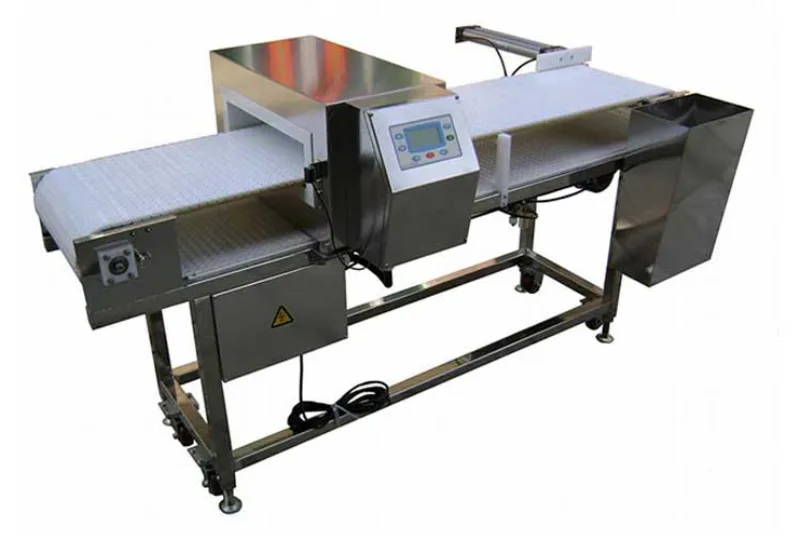
07Reliable Food Packaging Solutions with China Bread, Candy, and Biscuit Machines
11-10-2025 -
 08
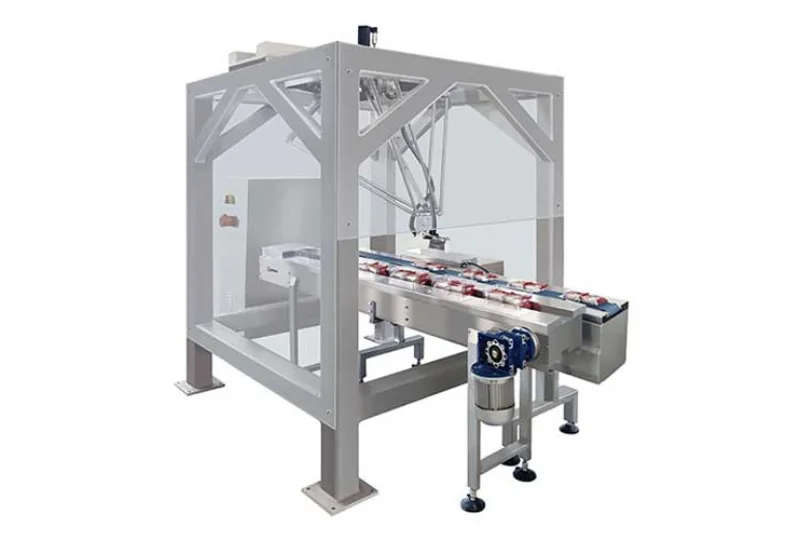
08High-Performance Automated Food Packaging Equipment for Modern Production
11-10-2025 -
09
Reliable Pillow Packing Machines for Efficient Packaging Operations
11-10-2025 -
 10
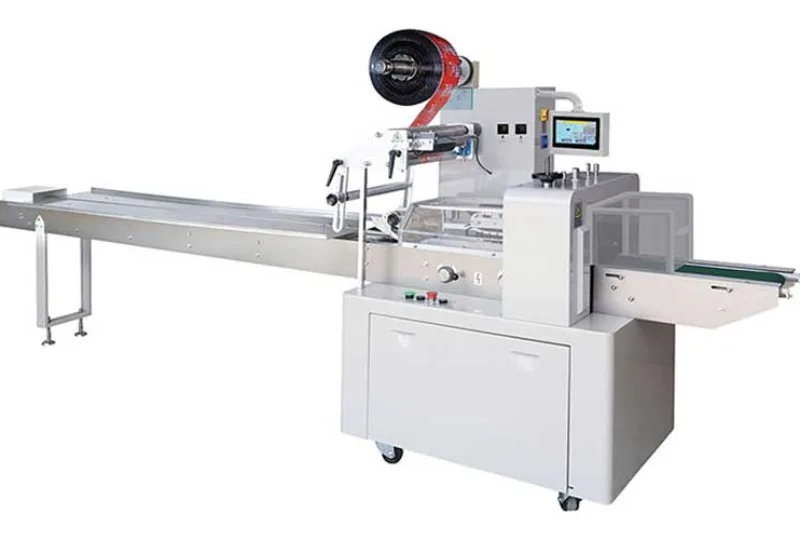
10Advanced Fully Automatic Packaging Solutions for Efficient Production
11-10-2025
