

Robotic Palletizers: The Future of Automated Material Handling in Manufacturing
Understanding Robotic Palletizers: Revolutionizing Material Handling
Robotic palletizers are advanced automated systems designed to stack and arrange products on pallets with precision and efficiency. Unlike manual palletizing, which is labor-intensive and prone to errors, robotic palletizers use robotic arms equipped with end-effectors to handle a wide range of products, from boxes and bags to containers and drums. This technology has become a cornerstone of modern manufacturing, enabling businesses to streamline operations, reduce costs, and improve workplace safety.
Key Components of Robotic Palletizers
A typical robotic palletizer system consists of several core components: the robotic arm, end-effector (gripper), control system, and safety features. The robotic arm, often a 4-axis or 6-axis robot, provides the flexibility to reach different positions and orientations. End-effectors are customized to handle specific products—vacuum grippers for boxes, mechanical clamps for bags, and magnetic grippers for metal parts. The control system uses programming to guide the robot’s movements, while safety features like light curtains and emergency stops ensure operator protection.
Types of Robotic Palletizers
There are several types of robotic palletizers, each designed for specific applications:
1. Layer Palletizers: These systems stack products in uniform layers, ideal for cases and boxes.
2. Row Palletizers: Used for products that require row-by-row stacking, such as bags or irregularly shaped items.
3. Hybrid Palletizers: Combine the capabilities of layer and row palletizers, offering versatility for mixed product lines.
4. Collaborative Robots (Cobots): Designed to work alongside human operators, these palletizers are ideal for small-scale operations or flexible production lines.
Benefits of Implementing Robotic Palletizers
The adoption of robotic palletizers offers numerous advantages for manufacturing facilities, including increased productivity, reduced labor costs, and improved product quality. Let’s explore these benefits in detail.
Enhanced Productivity and Efficiency
Robotic palletizers can operate 24/7 without fatigue, significantly increasing throughput compared to manual labor. For example, a robotic system can palletize up to 200 cases per minute, depending on the product type and configuration. This level of efficiency is particularly valuable for high-volume production lines, where even small delays can lead to significant losses.
Cost Savings and ROI
While the initial investment in robotic palletizers may be higher than manual solutions, the long-term cost savings are substantial. Robotic systems reduce labor costs by eliminating the need for manual palletizing, which is often one of the most expensive parts of the supply chain. Additionally, robotic palletizers minimize product damage, reducing waste and rework costs. Most businesses see a return on investment (ROI) within 12 to 24 months.
Improved Workplace Safety
Manual palletizing is a high-risk task, with workers at risk of back injuries, strains, and repetitive motion disorders. Robotic palletizers eliminate these risks by handling heavy lifting and repetitive tasks, creating a safer work environment. Safety features like collision avoidance systems and emergency stops further protect operators, reducing the likelihood of accidents.
Key Considerations for Choosing Robotic Palletizers
Selecting the right robotic palletizer requires careful evaluation of your specific needs, including product type, production volume, and facility layout. Here are some critical factors to consider:
Product Characteristics
The type of product you handle will determine the type of robotic palletizer you need. For example, fragile items require gentle handling, which may necessitate a vacuum gripper, while heavy products may require a mechanical clamp. Additionally, the size, weight, and shape of your products will influence the robot’s payload capacity and reach.
Production Volume and Throughput
High-volume production lines require palletizers with higher throughput capabilities, while smaller operations may benefit from more compact, flexible systems. It’s important to match the robot’s speed and capacity to your production needs to avoid underutilization or bottlenecks.
Integration with Existing Systems
Robotic palletizers should integrate seamlessly with your existing conveyor systems, packaging lines, and warehouse management systems (WMS). Compatibility with these systems ensures a smooth workflow and reduces the need for costly modifications.
Customization and Flexibility
The ability to customize the robotic palletizer to your specific needs is crucial. Look for systems that can handle multiple product types, adjust to different pallet sizes, and be reprogrammed for new products or packaging configurations. Flexibility is particularly important for businesses with diverse product lines or frequent changes in production.
Future Trends in Robotic Palletizers
The robotic palletizer industry is evolving rapidly, driven by advancements in artificial intelligence (AI), machine learning, and the Internet of Things (IoT). These technologies are enabling more intelligent, adaptive, and connected systems.
AI and Machine Learning Integration
AI-powered robotic palletizers can learn from past operations to optimize stacking patterns, adjust to product variations, and predict maintenance needs. For example, machine learning algorithms can analyze data from sensors to identify the most efficient stacking sequence, reducing palletizing time and improving stability.
IoT-Enabled Palletizers
IoT technology allows robotic palletizers to connect to other systems in the manufacturing environment, providing real-time data on performance, maintenance, and production metrics. This connectivity enables predictive maintenance, reducing downtime and extending the lifespan of the equipment.
Collaborative Robotic Palletizers
Collaborative robots (cobots) are becoming increasingly popular in palletizing applications, as they can work alongside human operators without the need for safety barriers. These systems are ideal for small to medium-sized businesses, offering flexibility and cost-effectiveness.
At Ruipuhua Machinery, we specialize in providing high-quality Robotic Palletizers that meet the diverse needs of modern manufacturing. Our systems are designed to enhance productivity, reduce costs, and improve workplace safety. Whether you’re looking for a standard solution or a customized system, our team of experts can help you find the right robotic palletizer for your business. Contact us today to learn more about our products and how we can help you optimize your material handling operations.

-
01
How do I choose the right speed for a toas bread packaging line to avoid crushing soft loaves?
22-06-2026 -
 02
02Packaging Machinery: Beyond Sealing, Driving an Efficient, Smart, and Sustainable Future
21-01-2026 -
 03
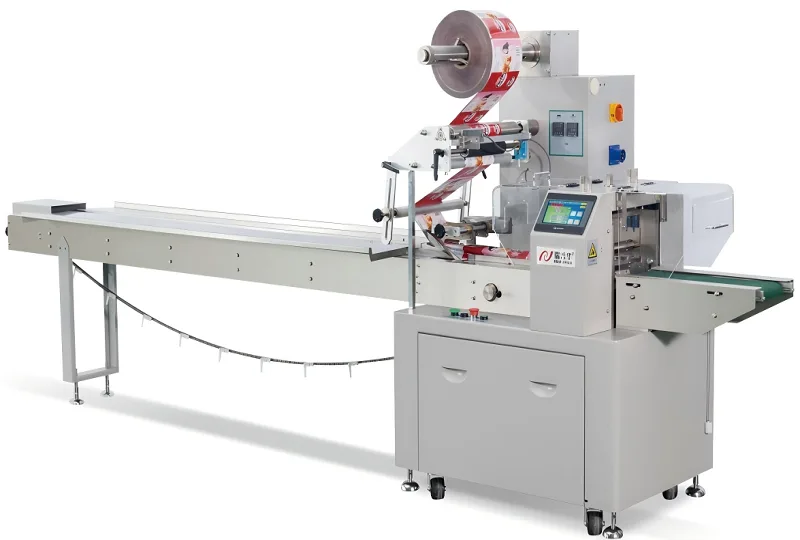
03Automatic Tray Loading and Packaging Equipment: Boost Efficiency to 160 Bags/Minute
21-11-2025 -
 04
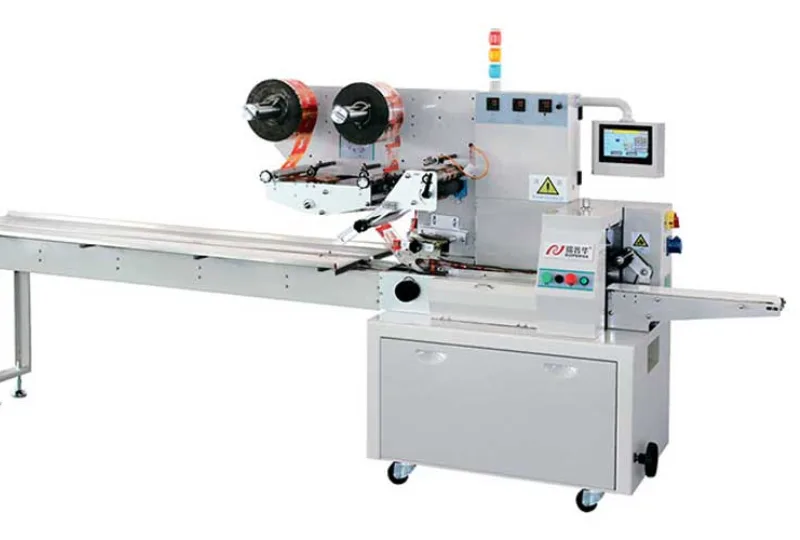
04Automatic Soap Packaging Machine: Boost Productivity with 99% Qualification Rate
21-11-2025 -
 05
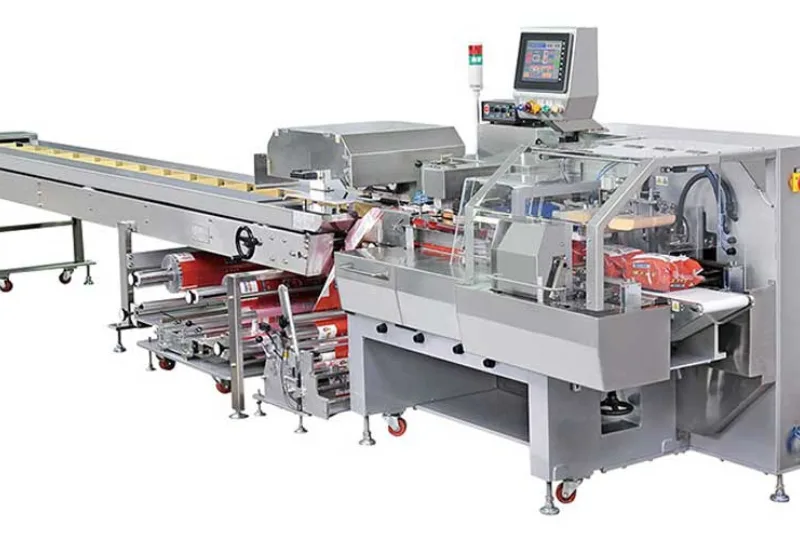
05A Deep Dive into Automatic Toast Processing and Packaging System
18-11-2025 -
06
The Future of Bakery Production: Automated Toast Processing and Packaging System
18-11-2025 -
 07
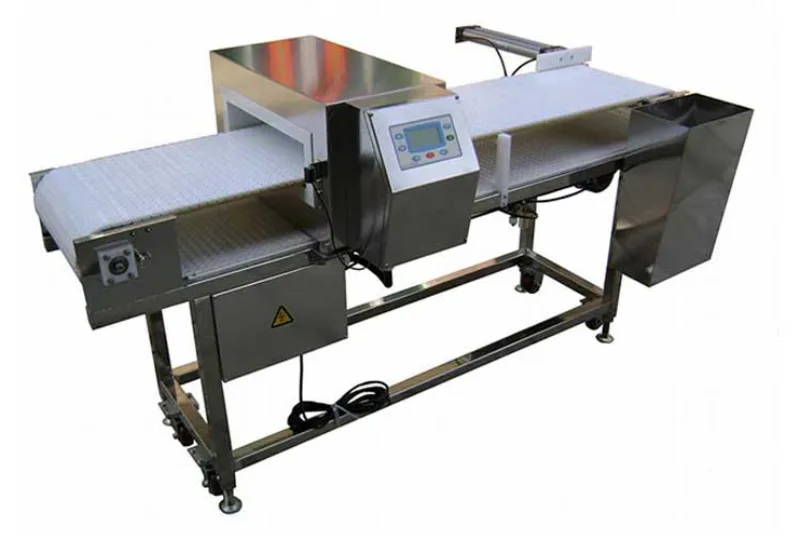
07Reliable Food Packaging Solutions with China Bread, Candy, and Biscuit Machines
11-10-2025 -
 08
08High-Performance Automated Food Packaging Equipment for Modern Production
11-10-2025 -
09
Reliable Pillow Packing Machines for Efficient Packaging Operations
11-10-2025 -
 10
10Advanced Fully Automatic Packaging Solutions for Efficient Production
11-10-2025
