

The Pitfalls of Reliance on Packaged Software Systems
The Pitfalls of Reliance on Packaged Software Systems
In today’s rapidly evolving technological landscape, businesses rely heavily on packaged software systems to streamline operations and enhance productivity. These off-the-shelf solutions promise efficiency and cost-effectiveness, but they come with their own set of challenges and limitations that can impact organizations in unexpected ways.
One of the primary problems with using packaged software systems is the lack of customization options. While these solutions are designed to cater to a broad range of businesses, they often fall short when it comes to meeting the unique needs and preferences of a specific organization. This can result in inefficiencies, confusion among employees, and ultimately, a decrease in overall productivity.
Another issue that organizations face when using packaged software systems is the risk of compatibility issues. As businesses expand and integrate new technologies into their existing infrastructure, they may find that their off-the-shelf software is unable to keep up with these changes. This can lead to system failures, data loss, and significant disruptions to daily operations.
Moreover, reliance on packaged software systems can limit innovation within an organization. By adopting a one-size-fits-all solution, businesses may overlook opportunities to develop custom software that could give them a competitive edge in the market. This lack of flexibility can stifle creativity and hinder the growth of the business in the long run.
Security concerns are also a major drawback of using packaged software systems. While these solutions often come with built-in security features, they are not immune to cyber threats and vulnerabilities. Hackers are constantly advancing their techniques, and off-the-shelf software may not always be equipped to defend against these sophisticated attacks. This puts sensitive data at risk and exposes businesses to potential breaches.
In conclusion, while packaged software systems offer convenience and initial cost savings, businesses must be aware of the pitfalls associated with these solutions. From limited customization options to compatibility issues and security concerns, organizations need to carefully evaluate their software needs and consider alternative solutions that provide greater flexibility and protection. By acknowledging these challenges and taking proactive steps to address them, businesses can ensure that their technology infrastructure remains robust, efficient, and secure.



-
01
How do I choose the right speed for a toas bread packaging line to avoid crushing soft loaves?
22-06-2026 -
 02
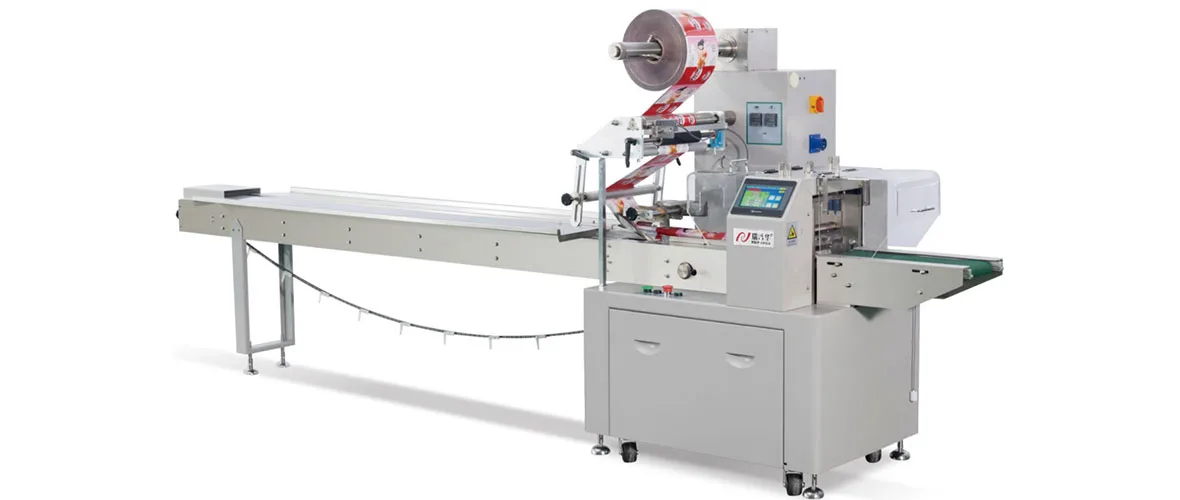
02Packaging Machinery: Beyond Sealing, Driving an Efficient, Smart, and Sustainable Future
21-01-2026 -
 03
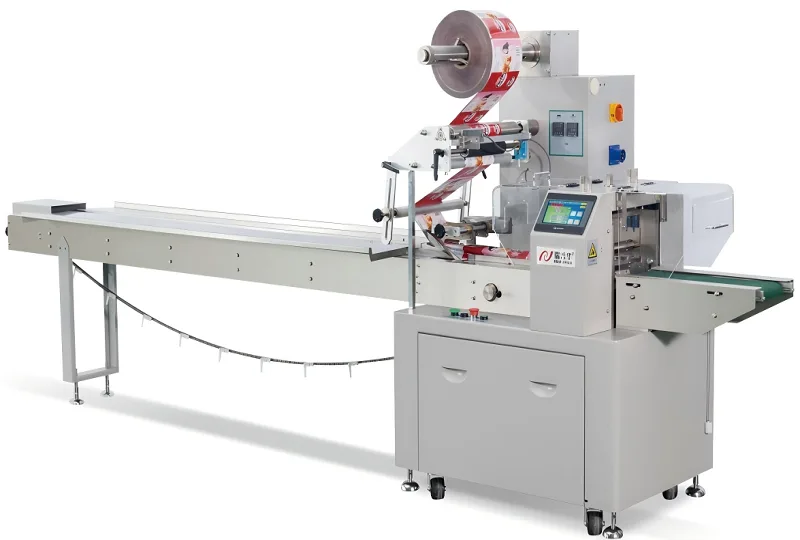
03Automatic Tray Loading and Packaging Equipment: Boost Efficiency to 160 Bags/Minute
21-11-2025 -
 04
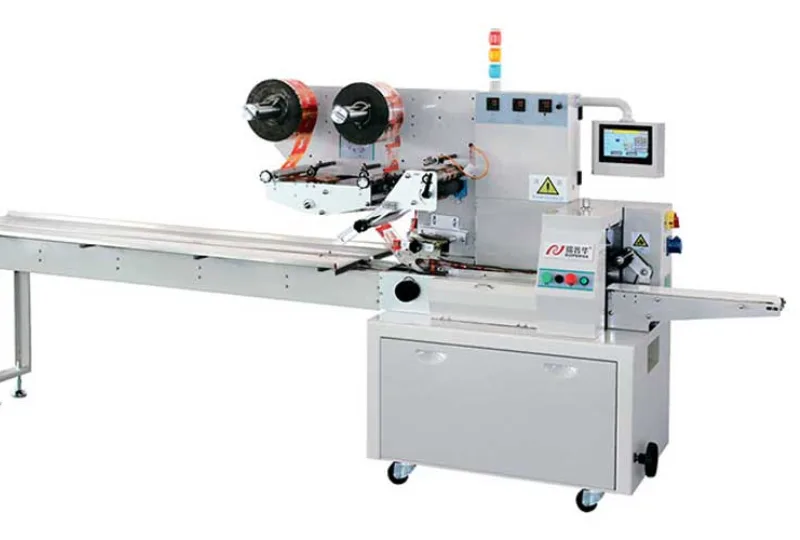
04Automatic Soap Packaging Machine: Boost Productivity with 99% Qualification Rate
21-11-2025 -
 05
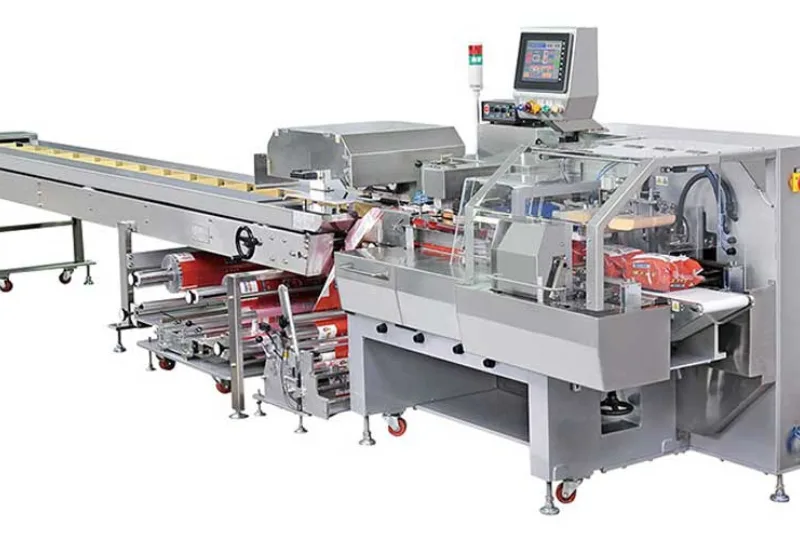
05A Deep Dive into Automatic Toast Processing and Packaging System
18-11-2025 -
06
The Future of Bakery Production: Automated Toast Processing and Packaging System
18-11-2025 -
 07
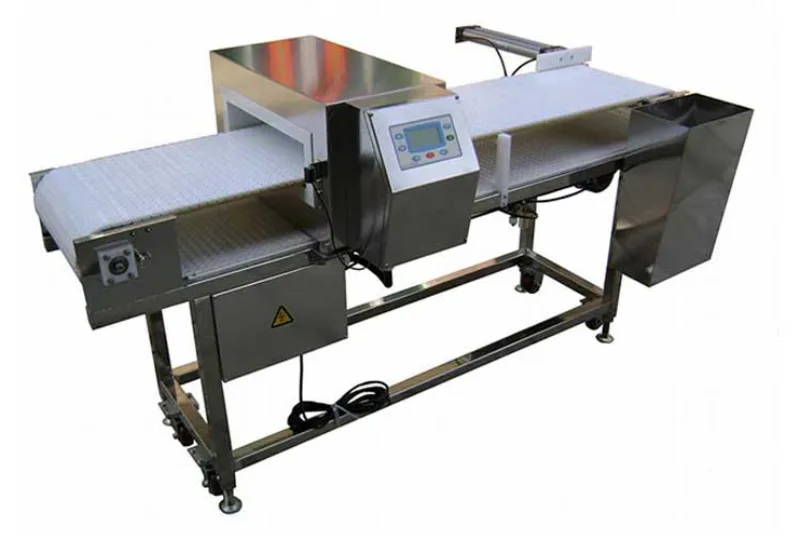
07Reliable Food Packaging Solutions with China Bread, Candy, and Biscuit Machines
11-10-2025 -
 08
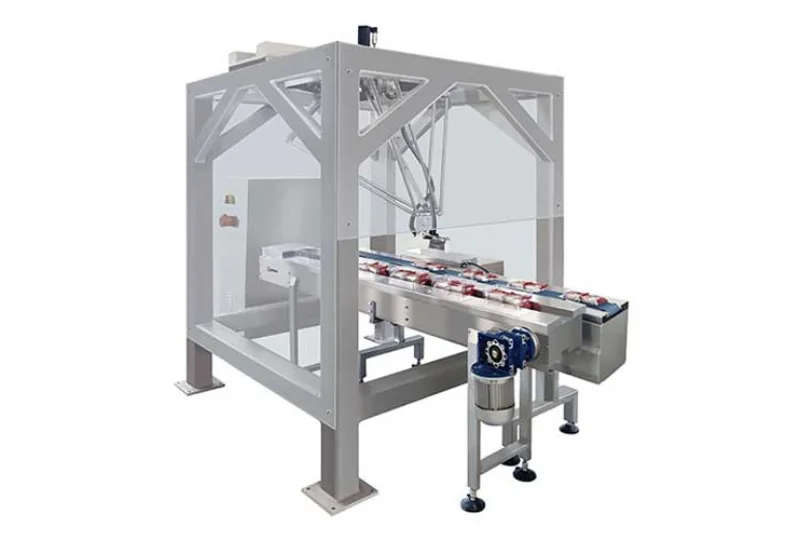
08High-Performance Automated Food Packaging Equipment for Modern Production
11-10-2025 -
09
Reliable Pillow Packing Machines for Efficient Packaging Operations
11-10-2025 -
 10
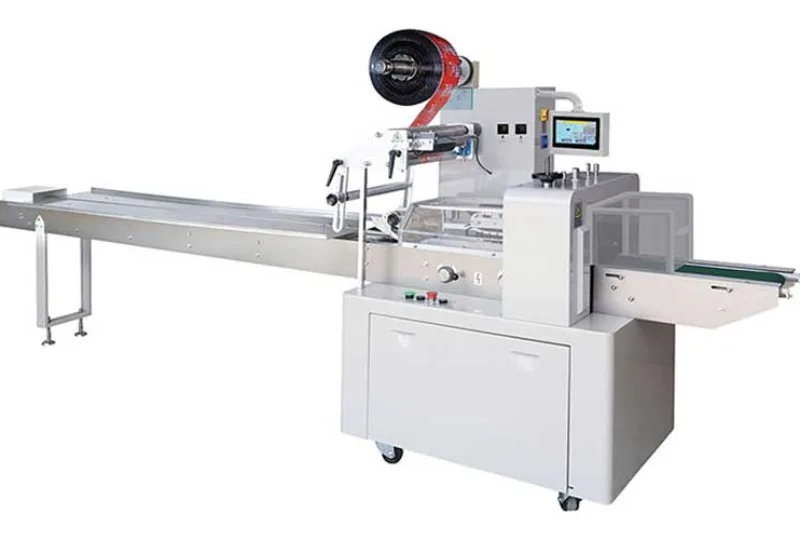
10Advanced Fully Automatic Packaging Solutions for Efficient Production
11-10-2025
