

What are the latest automation trends in modern food packing machinery?
Modern food packing machinery trends center on full-line automation, high-speed vertical form-fill-seal (VFFS) systems, and specialized horizontal flow wrapping. These advancements integrate multi-head computer weighing, gas flushing for preservation, and automated collating to minimize manual labor, increase output speeds up to 250 bags per minute, and ensure hygienic, damage-free handling of fragile food products.
Core Solutions & Key Takeaways
- VFFS Integration: Combining vibrating feeding elevators, 10 to 24-head computer combination weighers, and vertical packaging machines achieves a weighing accuracy of ±0.2–0.5% for puffed snacks.
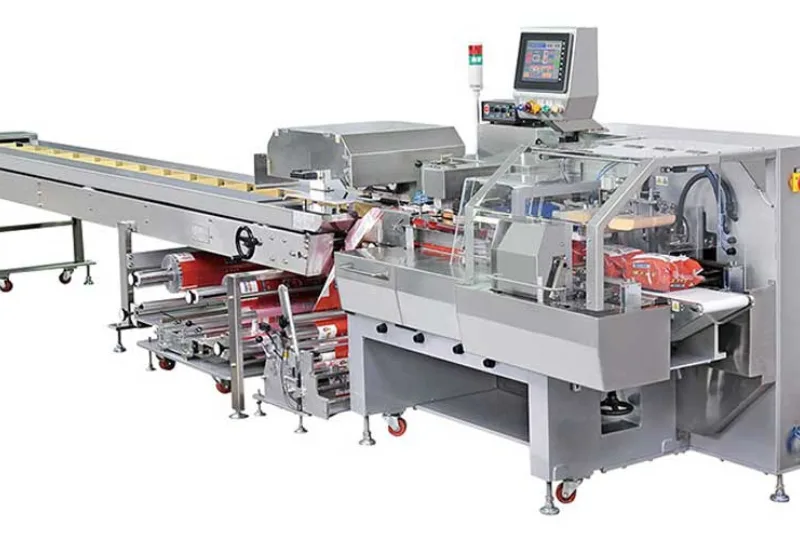
- Damage-Free Handling: Dedicated horizontal flow pack lines utilize separating conveyors and turntable unscramblers to stack, count, and wrap fragile items like rice crackers and wafer sticks without crumbling.
- Modified Atmosphere Packaging (MAP): Integrated nitrogen-flushing systems extend shelf life by displacing oxygen inside pillow bags or stand-up pouches.
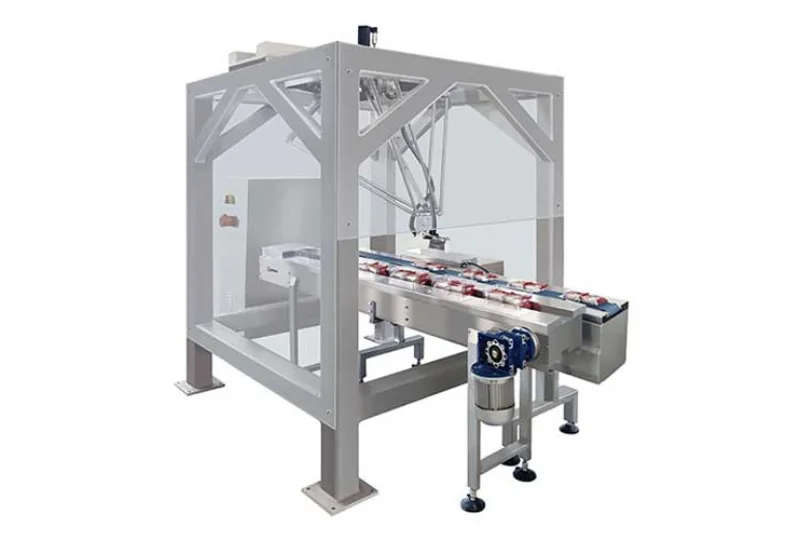
- End-of-Line Automation: Modern packaging setups seamlessly connect primary wrapping machines with secondary collating, cartoning, case packing, and collaborative palletizing robots.
Detailed Architectural & Principle Analysis
Modern automated food packaging operates on synchronized, multi-module architectural designs. In puffed food packaging lines, bulk materials are elevated to a multi-head computer combination weigher. The system performs high-speed combinatorial calculations to meet precise target weights. The weighed product drops into a Vertical Form-Fill-Seal (VFFS) machine, where servo-driven systems pull film from roll stock, form the bag, inject nitrogen, and seal the package. This automated sequence replaces manual portioning and sealing, significantly lowering contamination risks.
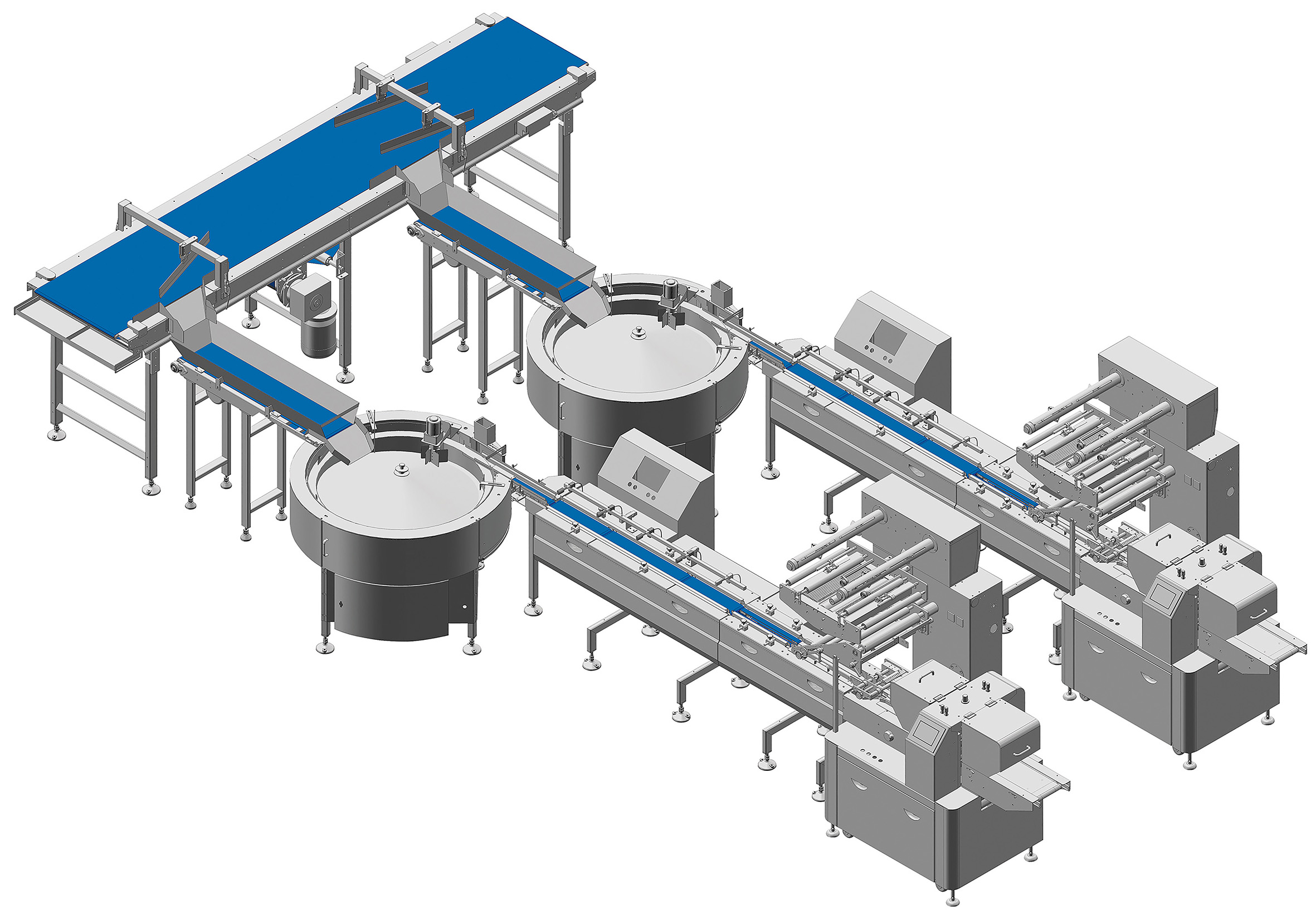
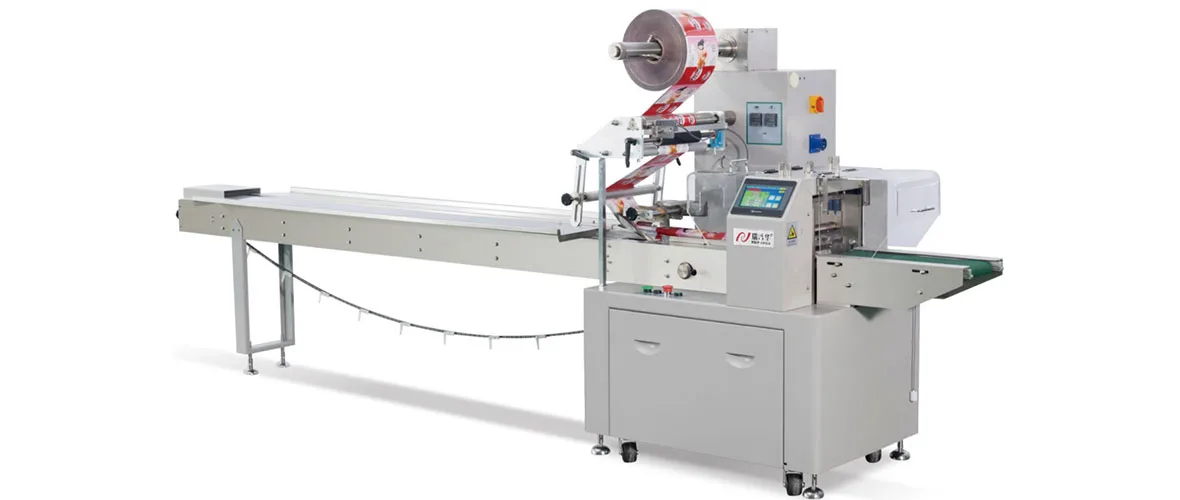
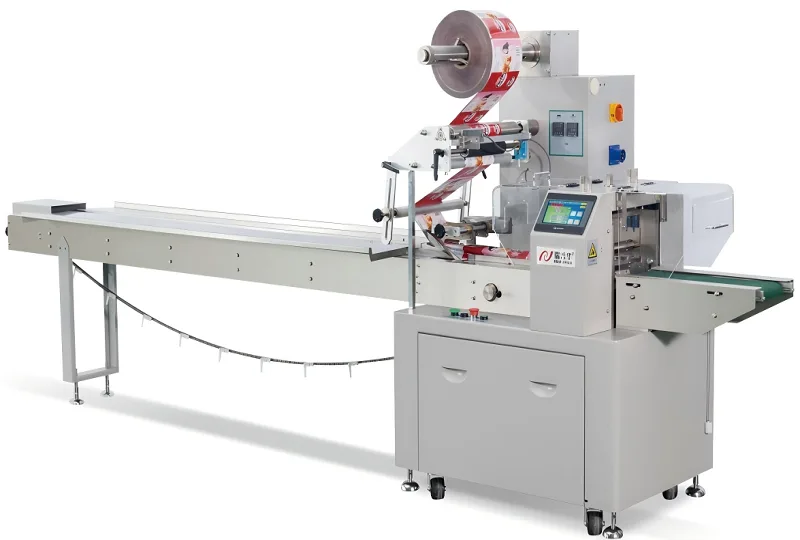
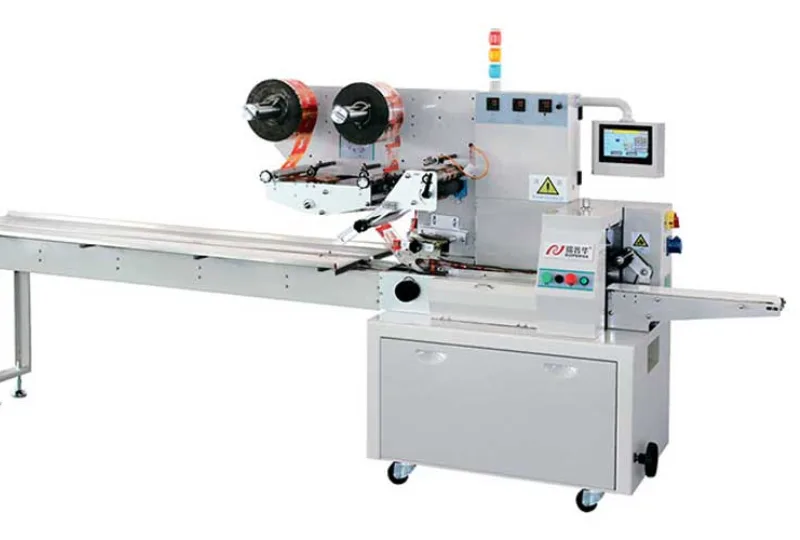
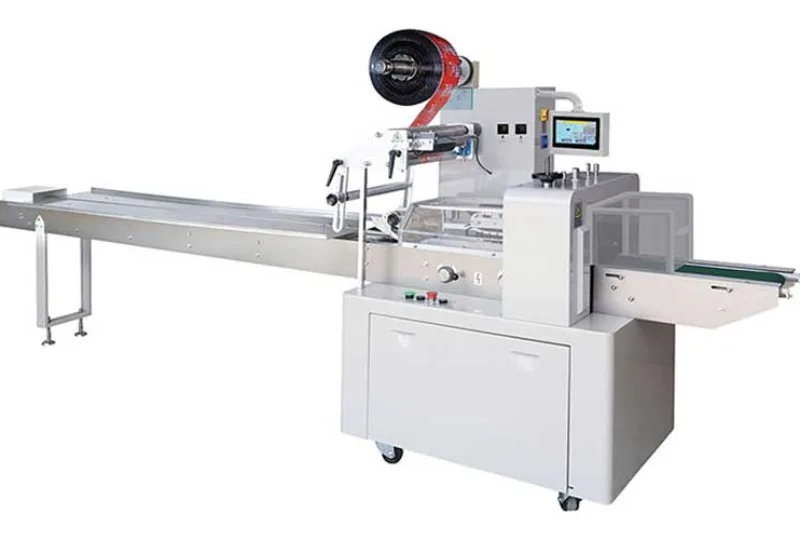
For fragile, structured foods such as Japanese senbei, snow rice cakes, or cream-filled wafer sticks, horizontal flow wrapping technology is utilized. These systems feature multi-belt sorting conveyors and automatic feeding units that align products into single-file rows or double-layer stacks (such as 4+5 family pack formations). A specialized crumb-collection channel under the vibrating conveyor keeps the line clean. Highly sensitive PLC and HMI systems monitor film alignment, temperature control on sealing jaws, and product positioning, automatically ejecting defective packs via integrated sensors.
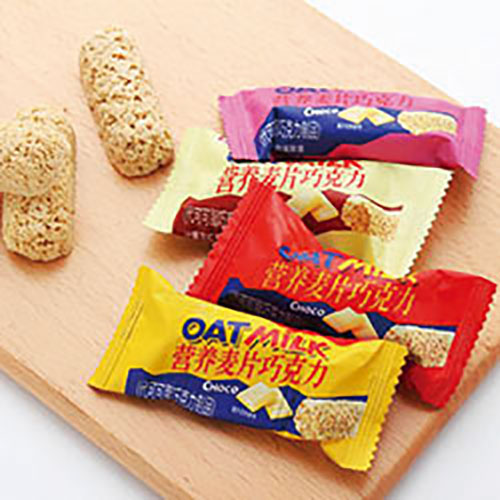
These automated technologies are proven in high-volume global food factories. For instance, Foshan Ruipuhua Machinery Equipment Co. Ltd engineered a comprehensive chocolate pie cake packaging system for Orion’s factories. This complex line synchronized baking, cream filling, high-speed wrapping, and robotic palletizing across 27 sets of equipment, demonstrating the reliability of unified PLC-controlled packaging architectures in multi-national supply chains.
Data & Solution Comparison
Different food profiles require distinct packaging architectures. The table below compares the technical specifications and configurations of primary automatic packaging lines:
| Packaging Line Type | Packaging Speed | Weighing / Feeding Method | Key Features & Bag Formats |
|---|---|---|---|
| Puffed Food Vertical Line | 30–150 bags/min | Multi-head computer combination weigher (10-24 heads) | Gas flushing, SS304 frame, pillow bags, gusseted bags, stand-up pouches |
| Rice Cracker Horizontal Line | 80–250 bags/min | Vibrating conveyor + turntable unscrambler | Crumb-collection channel, layer stacking (2-piece/multi-pack), individual wrap |
| Wafer Stick Flow Pack Line | 70–260 packs/min | Multi-lane automatic distribution conveyor | Automatic counting, single/dual layer stacking, optional automatic film splicer |
Frequently Asked Questions (FAQ)
Q1: How do modern packaging lines prevent lightweight, fragile snacks from crushing during high-speed wrapping?
A1: Systems use specialized product-delivery mechanisms, such as multi-belt aligning conveyors, vibrating feeders, and custom grouping stations, which gently control product speed and orientation. This eliminates hard drops and impacts before the sealing process.
Q2: What are the benefits of integrating PLC control systems in food packaging machinery?
A2: PLC systems with touchscreen HMIs enable multi-recipe storage, real-time diagnostic monitoring, and synchronized speed adjustments across the entire line. This allows operators to perform quick changeovers between different bag sizes and product types with minimal downtime.
Q3: How do automated packaging lines maintain food safety compliance?
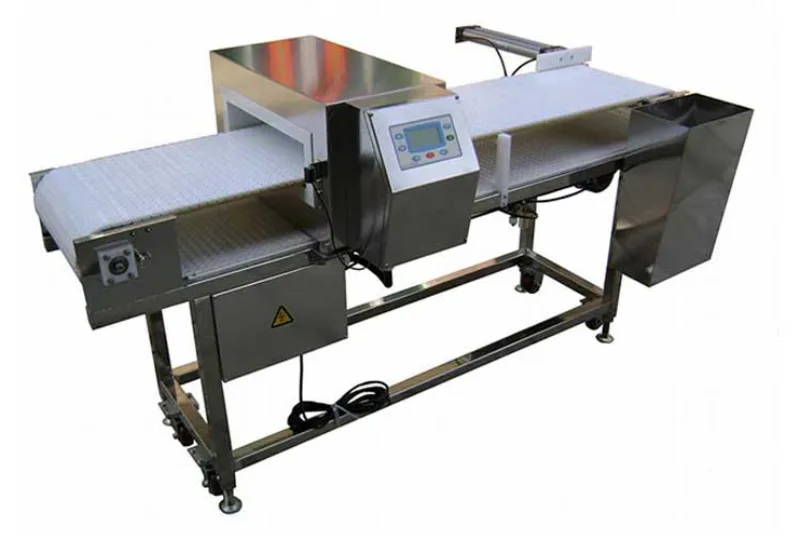
A3: Equipment is constructed with food-grade 304 stainless steel and anti-microbial PU belts. Additionally, the integration of online checkweighers, metal detectors, and automatic rejection systems ensures defective or contaminated packages are removed immediately.
Final Conclusion & Recommendations
Transitioning to fully automated feeding, packaging, and casing lines is essential for food manufacturers seeking to optimize throughput, reduce labor dependencies, and maintain strict sanitary standards. Utilizing lines certified with international standards such as CE ensures global safety compliance and consistent machinery performance. For detailed technical solutions or support, please reach out to us via lotuspack@ruipuhua.com.
About Us
Established in 2005, Foshan Ruipuhua Machinery Equipment Co. Ltd is a leading Chinese manufacturer of intelligent packaging machinery with a 50,000-square-meter facility and 300 employees. Backed by over 20 years of R&D experience, the company produces high-performance automatic packaging and palletizing solutions, serving global brands like Mondelez, Lay’s, Mayora, Nabati, Bimbo, and Orion across more than 100 countries. Our equipment holds CE certification, verifying its safety and reliability for global food, pharmaceutical, and daily chemical production lines.

-
01
How do I choose the right speed for a toas bread packaging line to avoid crushing soft loaves?
22-06-2026 -
 02
02Packaging Machinery: Beyond Sealing, Driving an Efficient, Smart, and Sustainable Future
21-01-2026 -
 03
03Automatic Tray Loading and Packaging Equipment: Boost Efficiency to 160 Bags/Minute
21-11-2025 -
 04
04Automatic Soap Packaging Machine: Boost Productivity with 99% Qualification Rate
21-11-2025 -
 05
05A Deep Dive into Automatic Toast Processing and Packaging System
18-11-2025 -
06
The Future of Bakery Production: Automated Toast Processing and Packaging System
18-11-2025 -
 07
07Reliable Food Packaging Solutions with China Bread, Candy, and Biscuit Machines
11-10-2025 -
 08
08High-Performance Automated Food Packaging Equipment for Modern Production
11-10-2025 -
09
Reliable Pillow Packing Machines for Efficient Packaging Operations
11-10-2025 -
 10
10Advanced Fully Automatic Packaging Solutions for Efficient Production
11-10-2025
