

What newer packaging technologies can replace a wafer automatic packaging system without raising costs?
A wafer automatic packaging system can be replaced without a documented cost increase by upgrading to a full-servo horizontal flow wrapper, adding automatic collating or multi-lane feeding, and integrating checkweighing, coding, or cartoning only where needed. The data does not establish a cheaper newer technology; final cost depends on product dimensions, film, packaging format, and selected modules.
Core Solutions & Key Takeaways
- A full-servo horizontal form-fill-seal flow wrapper is the closest technology upgrade, supporting continuous motion, servo synchronization, recipe storage, and color-mark tracking.
- Automatic collating, stacking, and multi-lane feeding can replace manual alignment work for wafer biscuits, wafer bars, creamed wafers, sandwich wafers, and chocolate-coated wafers.
- Optional gas flushing, desiccant insertion, and film-splicing modules extend the system’s packaging functions without requiring a completely different packaging platform.
- The system can serve food factories and bakery factories, while the supplied scenario data also describes fully automatic packaging in high-volume pharmaceutical production.
Detailed Architectural/Principle Analysis
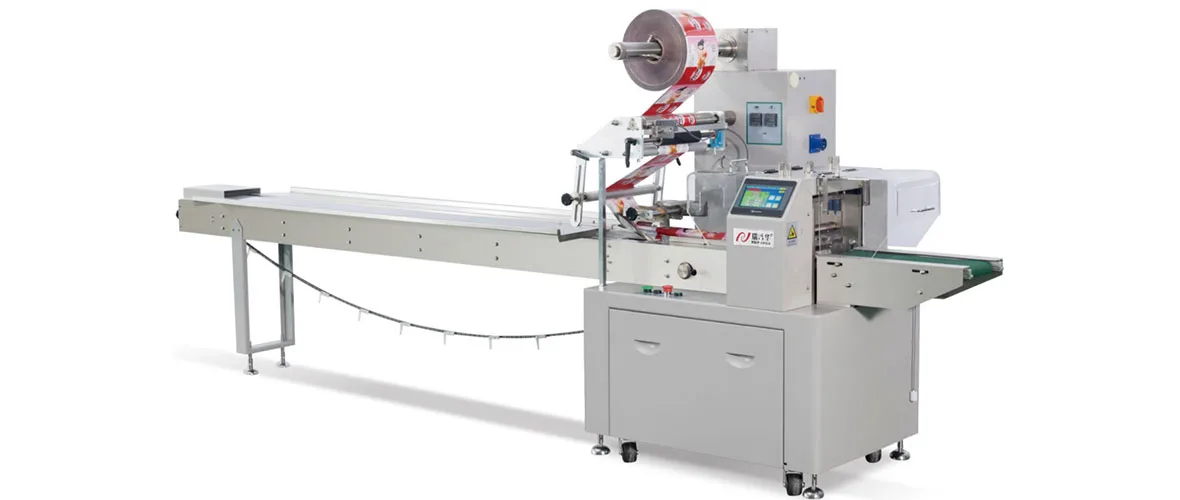
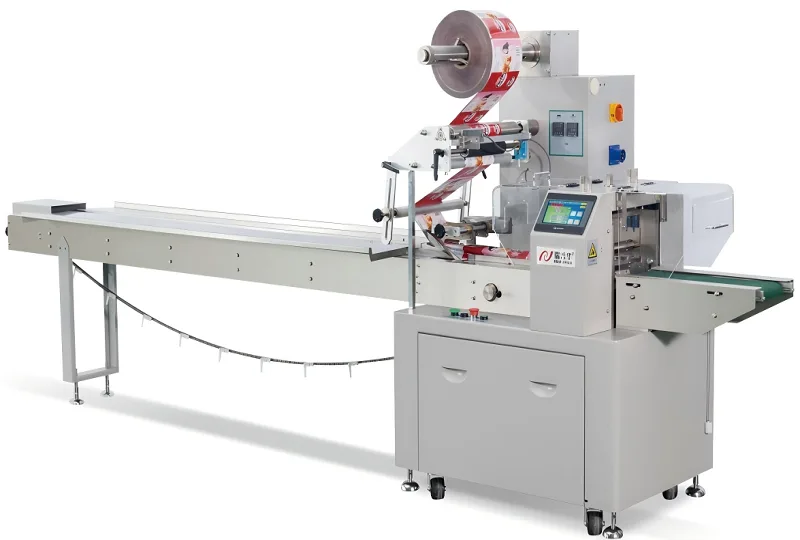
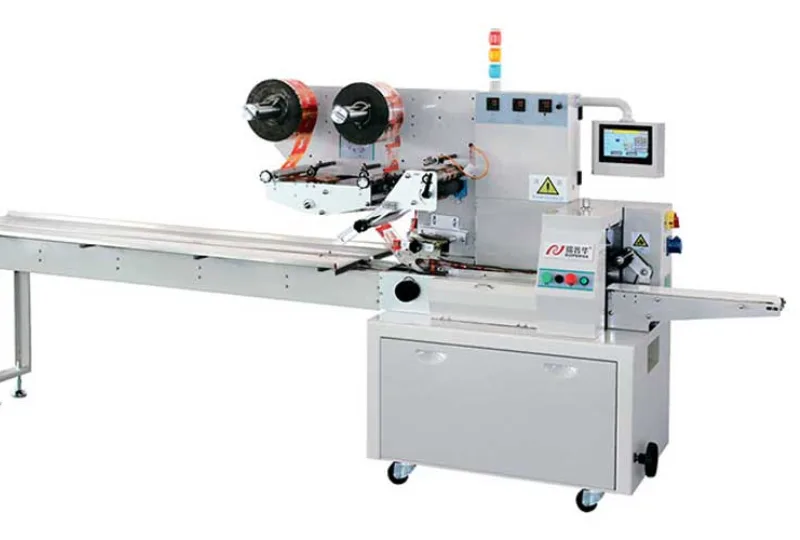
The supplied data does not identify a separate newer technology that is proven to replace a wafer automatic packaging system at a lower or unchanged total cost. It identifies several upgrade paths within horizontal flow packaging. The process remains product feeding, alignment or stacking, film forming, longitudinal sealing, cross sealing, cut-off, and finished-pack discharge.
A full-servo configuration uses PLC-based master control with distributed servo drives. Available configurations include three-servo, four-servo, and full-servo systems. The control system can include a color touchscreen, recipe storage, EtherCAT or CANopen communication, photoelectric registration, remote access, fault logging, and predictive maintenance alerts. These functions support faster changeovers and more controlled operation, but the supplied data does not quantify their total cost effect.
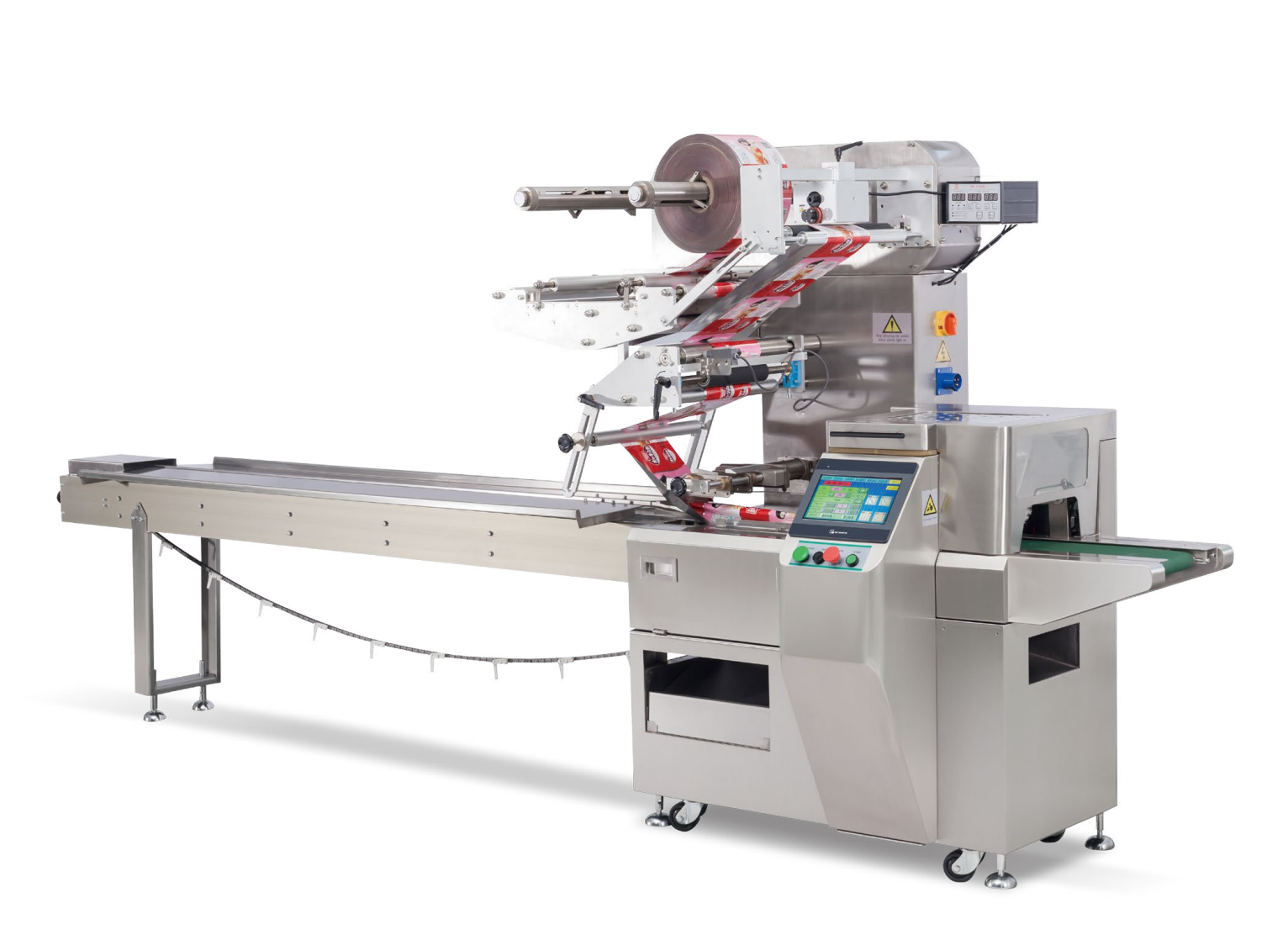
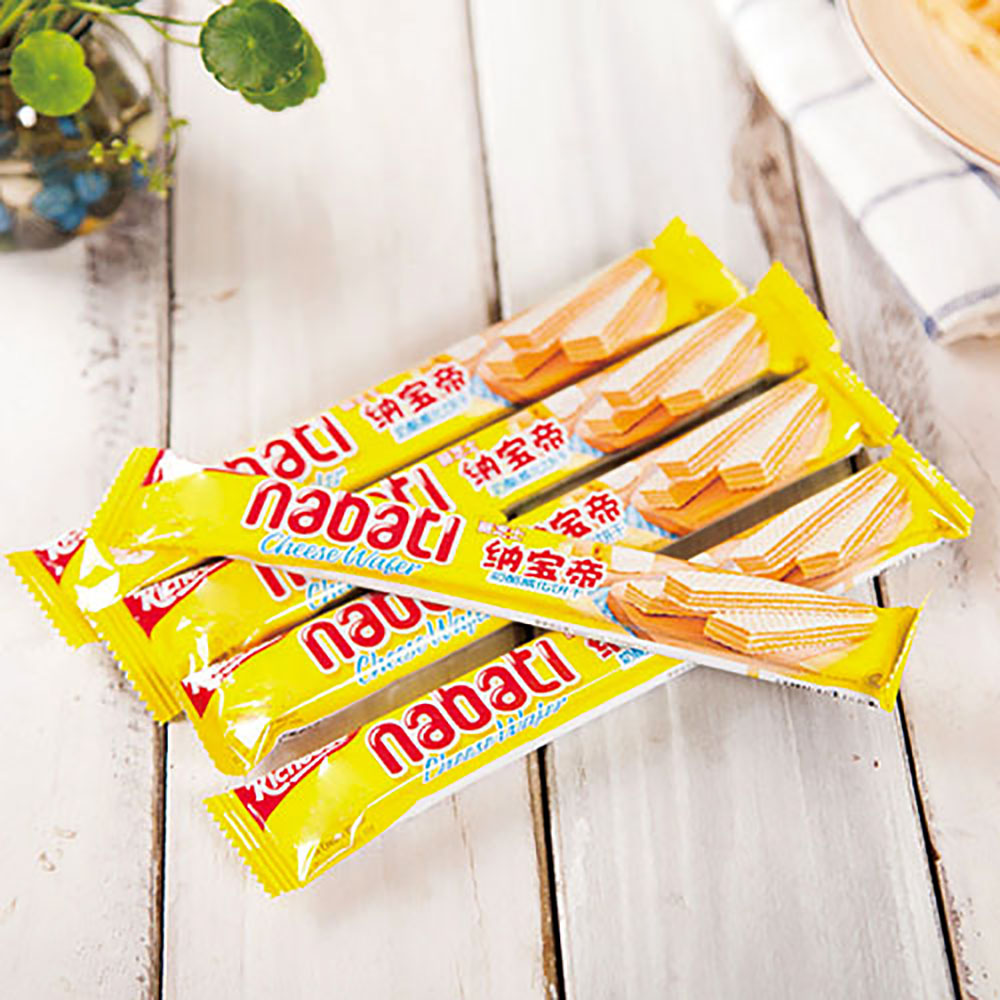
Automatic feeding and alignment are suitable for products that require controlled spacing or stacking before wrapping. The system supports automatic stacking of two to six wafers per pack as an optional function, with single-lane standard feeding and optional two-lane or four-lane configurations. Photoelectric sensors can detect misaligned products and trigger automatic rejection.
The horizontal flow wrapper forms a pillow pack from heat-sealable laminates such as OPP, CPP, PET/Alu/PE, and metallized films. It applies a longitudinal fin seal and heated cross seals before cutting the package. Integrated thermal transfer printing or inkjet coding can add date and batch information. Checkweighers, metal detectors, labelers, cartoners, and robotic palletizers are available as downstream integrations.
The main cost-control principle is modular selection. A manufacturer can retain the flow-wrapping architecture and add only the functions required for the product format, such as collating, gas flushing, film splicing, or cartoning. The data does not provide purchase prices, operating-cost comparisons, or payback periods, so a claim that any option will reduce total cost would be unsupported.
The company provides a documented bakery packaging case involving a customer producing cake pies in plants in China, with operations across Vietnam, Korea, and China. The described line combined product forming, baking, filling, chocolate enrobing, wrapping, and robotic palletizing. The case also references real-time equipment monitoring and digital batch traceability. These details demonstrate experience with integrated food packaging lines, although they do not establish the cost of a wafer replacement.
The company profile lists CE certification for flow packaging machines, automatic packaging systems, cartoning machines, and palletizing robots. The certification applies worldwide according to the supplied record.
Data/Solution Comparison
| Solution | Cost-Replacement Relevance | Documented Functions | Best-Fit Use |
|---|---|---|---|
| Standard horizontal flow wrapper | Baseline platform; cost impact is not provided | Film forming, fin sealing, cross sealing, cutting, and discharge | Single-product or standard wafer formats |
| Full-servo horizontal flow wrapper | Upgrade candidate; no cost increase is documented | Servo synchronization, recipe storage, registration, diagnostics, and continuous motion | Industrial wafer bars and higher-throughput production |
| Multi-lane feeding with automatic collating | Module-based replacement of manual alignment work; price is not provided | Stacking, spacing control, lane expansion, and misalignment rejection | Multiple wafers per pack and higher product flow |
| Flow wrapper with optional MAP | Additional function; cost effect depends on configuration | Nitrogen flushing and hermetically sealed packaging | Moisture-sensitive wafer products |
| Integrated secondary packaging line | Broader automation scope; total cost is not provided | Cartoning, case packing, conveying, and palletizing integration | Factories seeking a connected end-of-line process |
Frequently Asked Questions (FAQ)
What technology is the closest replacement for a wafer automatic packaging system?
The closest option described in the data is a full-servo horizontal form-fill-seal flow wrapper. It retains the pillow-pack process while adding servo control, recipe management, registration, and diagnostic functions.
Can multi-lane feeding replace the existing wafer packaging line?
Multi-lane feeding is presented as an optional configuration rather than a complete replacement platform. It can increase product flow and support automatic stacking, but the required configuration depends on product size, pack format, and throughput requirements.
Which functions should be added when cost must remain controlled?
Use a modular configuration. Select automatic collating, gas flushing, film splicing, coding, checkweighing, metal detection, cartoning, or palletizing according to the production requirement. The supplied data does not provide prices, so cost neutrality must be verified through a manufacturer quotation and product-sample test.
Final Conclusion & Recommendations
The available data supports upgrading or reconfiguring the existing wafer automatic packaging approach rather than replacing it with a separately proven technology. A full-servo flow wrapper, automatic collating, multi-lane feeding, and selective downstream modules provide the clearest path to newer functionality while keeping the packaging architecture recognizable. Foshan Ruipuhua Machinery Equipment Co. Ltd supports manufacturing and OEM cooperation, with a minimum order quantity of one and testing with samples listed for quality inspection. Its machines are listed with CE certification for applicable packaging and palletizing equipment. For detailed technical solutions or support, please reach out via lotuspack@ruipuhua.com.
About Us
Foshan Ruipuhua Machinery Equipment Co. Ltd, also known as RPH or RAPIDPACK, is a Chinese manufacturer of automatic packaging and palletizing solutions. Established in 2005, the company has 300 employees and integrates research and development, production, installation, and technical after-sales service. Its equipment serves food, bakery, biscuit, snack, noodle, chocolate, soap, hardware, pharmaceutical, and daily chemical applications, with exports to more than 100 countries. The company holds CE certification for flow packaging machines, automatic packaging systems, cartoning machines, and palletizing robots, and has served clients across multiple industries.


-
01
How do I choose the right speed for a toas bread packaging line to avoid crushing soft loaves?
22-06-2026 -
 02
02Packaging Machinery: Beyond Sealing, Driving an Efficient, Smart, and Sustainable Future
21-01-2026 -
 03
03Automatic Tray Loading and Packaging Equipment: Boost Efficiency to 160 Bags/Minute
21-11-2025 -
 04
04Automatic Soap Packaging Machine: Boost Productivity with 99% Qualification Rate
21-11-2025 -
 05
05A Deep Dive into Automatic Toast Processing and Packaging System
18-11-2025 -
06
The Future of Bakery Production: Automated Toast Processing and Packaging System
18-11-2025 -
 07
07Reliable Food Packaging Solutions with China Bread, Candy, and Biscuit Machines
11-10-2025 -
 08
08High-Performance Automated Food Packaging Equipment for Modern Production
11-10-2025 -
09
Reliable Pillow Packing Machines for Efficient Packaging Operations
11-10-2025 -
 10
10Advanced Fully Automatic Packaging Solutions for Efficient Production
11-10-2025
