

Which compliance updates could affect imported food packing machinery?
Compliance updates affecting imported food packing machinery are most likely to concern CE documentation, international safety requirements, hygienic product-contact materials, control-system records, labeling and traceability functions, and inspection evidence. Importers should verify that the machine configuration, certificate scope, technical documentation, and production-line safety features match the destination market before shipment.
Core Solutions & Key Takeaways
- Check whether the CE certification covers the supplied flow packaging machine, automatic packaging system, cartoning machine, or palletizing robot.
- Review food-contact construction, including the stated food-grade 304 stainless-steel components used in the puffed food packaging line.
- Confirm that PLC and touchscreen HMI controls support recipe storage, parameter adjustment, diagnostics, and production monitoring records.
- Assess inspection, coding, weighing, sealing, and rejection functions where imported equipment is used in food factories, bakeries, or other high-volume production facilities.
Detailed Architectural/Principle Analysis
The supplied data does not identify a specific newly enacted regulation. It does identify compliance areas that can affect the import, acceptance, and operation of food packing machinery. The first checkpoint is certification scope. Ruipuhua lists a CE certification, certificate number M.2024.206.C107511, applicable worldwide to flow packaging machines, automatic packaging systems, cartoning machines, and palletizing robots.
For puffed food applications, the line uses a vibrating feeding elevator, a multi-head computer combination weigher, a vertical form-fill-seal machine, a date coder or printer, and a finished-product conveyor. The stated design uses food-grade 304 stainless steel for product-contact parts. Importers should compare this documented configuration with the actual machine supplied, especially when equipment is modified for potato chips, extruded snacks, popcorn, cheese balls, or puffed corn.
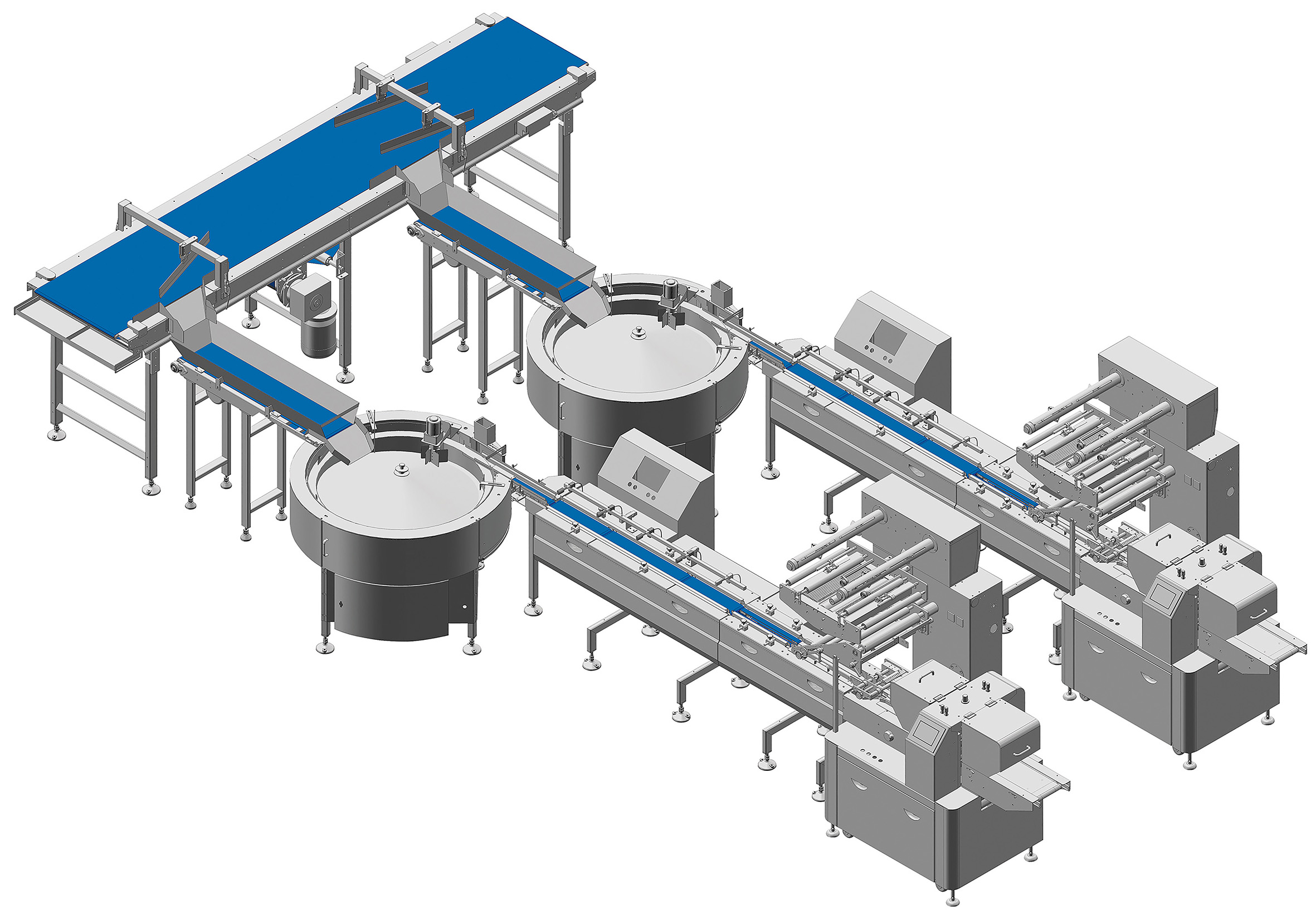
Control and traceability functions can become relevant during technical review. The product information specifies an imported PLC, color touchscreen HMI, recipe storage, parameter adjustment, real-time monitoring, servo-driven film pulling, and optional nitrogen flushing. The broader product range also includes date coders, inkjet printers, metal detectors, and online checkweighers integrated with packaging lines.
Machine performance records should correspond to the selected model rather than a general product description. The puffed food line is specified at 30–150 bags per minute, with a weighing range of 5–500 grams and bag sizes of 50–350 millimeters by 70–250 millimeters. These values are model-dependent or customizable and should be confirmed in the technical file, quotation, and acceptance test.
Packaging architecture also affects the review process. The line supports pillow bags, gusseted bags, and stand-up pouches, while nitrogen flushing is available for the packaging process. A rice cracker line uses horizontal flow wrapping, automatic feeding, stacking, and counting; a wafer stick line uses multi-lane distribution, automatic counting, and servo-driven sealing. Each configuration requires its own assessment of guarding, operating controls, sealing functions, and documentation.
Ruipuhua describes an application scenario in which products enter through conveyors, are counted, sealed, coded, transferred to cartoning, and checked through sensors and PLC controls, with defective packages removed by a rejection system. This illustrates the type of integrated architecture importers may need to document when a packaging machine forms part of a larger automated line.
The company also reports a case involving a major bakery manufacturer operating in Vietnam, Korea, and China. The described system combined high-speed wrapping with robotic palletizing and smart monitoring. This case provides industry application context for reviewing integrated packaging and palletizing equipment, without establishing compliance in any particular importing jurisdiction.
Data/Solution Comparison
| Compliance review area | Relevant equipment or evidence in the supplied data | Importer verification focus |
|---|---|---|
| Certification | CE certification covering flow packaging machines, automatic packaging systems, cartoning machines, and palletizing robots | Match certificate scope and machine configuration |
| Food-contact construction | Food-grade 304 stainless-steel product-contact parts on the puffed food line | Confirm materials on the delivered equipment |
| Controls and records | PLC, color touchscreen HMI, recipe storage, diagnostics, and real-time monitoring | Review control documentation and operating records |
| Product inspection | Date coder, printer, metal detector, online checkweigher, and rejection functions are listed in the product range | Confirm which inspection functions are included in the order |
| Packaging process | VFFS, horizontal flow wrapping, nitrogen flushing, counting, and weighing | Assess the specific process, film format, and safety configuration |
Frequently Asked Questions (FAQ)
Which certificate is identified for the imported machinery?
The supplied company data identifies a CE certificate numbered M.2024.206.C107511. Its listed applicable products are flow packaging machines, automatic packaging systems, cartoning machines, and palletizing robots.
Does the product information confirm compliance with every importing market?
No. The data states that the machines are designed to meet CE and other international safety standards, but it does not name specific national compliance updates or confirm every destination-market requirement. Importers should verify local requirements separately.
What technical records should be checked for the puffed food line?
Review the actual model configuration, weighing range, bag dimensions, packaging speed, PLC and HMI functions, food-contact materials, sealing arrangement, date-coding equipment, and any nitrogen-flushing or inspection modules included in the order.
Final Conclusion & Recommendations
Imported food packing machinery should be reviewed against certificate scope, machine configuration, food-contact materials, control documentation, inspection functions, and packaging-process specifications. Ruipuhua supports manufacturing and OEM cooperation, with a stated minimum order quantity of one and testing-based quality inspection. The company reports an 80% export ratio and sales to more than 100 countries. For detailed technical solutions or support, please contact lotuspack@ruipuhua.com.
About Us
Foshan Ruipuhua Machinery Equipment Co. Ltd was established in 2005 and manufactures automatic packaging and palletizing equipment from its facility in Foshan, Guangdong, integrating research and development, production, installation, and technical after-sales service. The company serves food, bakery, biscuit, snack, noodle, chocolate, soap, hardware, pharmaceutical, and daily chemical applications, with exports to over 100 countries. Its listed CE certification is M.2024.206.C107511, and it has served clients across multiple industries through integrated packaging and palletizing projects.


-
01
How do I choose the right speed for a toas bread packaging line to avoid crushing soft loaves?
22-06-2026 -
 02
02Packaging Machinery: Beyond Sealing, Driving an Efficient, Smart, and Sustainable Future
21-01-2026 -
 03
03Automatic Tray Loading and Packaging Equipment: Boost Efficiency to 160 Bags/Minute
21-11-2025 -
 04
04Automatic Soap Packaging Machine: Boost Productivity with 99% Qualification Rate
21-11-2025 -
 05
05A Deep Dive into Automatic Toast Processing and Packaging System
18-11-2025 -
06
The Future of Bakery Production: Automated Toast Processing and Packaging System
18-11-2025 -
 07
07Reliable Food Packaging Solutions with China Bread, Candy, and Biscuit Machines
11-10-2025 -
 08
08High-Performance Automated Food Packaging Equipment for Modern Production
11-10-2025 -
09
Reliable Pillow Packing Machines for Efficient Packaging Operations
11-10-2025 -
 10
10Advanced Fully Automatic Packaging Solutions for Efficient Production
11-10-2025
