

Will vision inspection become standard in wafer automatic packaging systems soon?
Vision inspection is not yet documented as a standard feature of wafer automatic packaging systems. The supplied specifications identify photoelectric alignment sensors, automatic rejection, integrated checkweighing, and metal detection as available controls, while vision inspection is not listed. It may become a common option as manufacturers require stronger package, seal, and product-position verification, but the available data does not establish a timeline.
Core Solutions & Key Takeaways
- The wafer automatic packaging system uses horizontal flow wrapping, with product feeding, alignment or stacking, film forming, longitudinal sealing, cross sealing, cutting, and finished-pack discharge.
- Photoelectric sensors detect product position, and the system can reject misaligned items. The supplied specifications do not identify camera-based vision inspection as a standard module.
- Available downstream controls include automatic rejection, checkweighing, metal detection, label application, cartoning, and robotic palletizing.
- The system is intended for wafer biscuits, wafer bars, creamed wafers, sandwich wafers, and chocolate-coated wafers in bakery and food-factory applications.
Detailed Architectural/Principle Analysis
A wafer packaging line begins with belt conveying, side guides, or a vibratory alignment track. Product spacing is adjusted through the infeed speed, while an optional collating unit can stack two to six wafers per pack. Photoelectric sensors monitor product position and support automatic rejection of misaligned items. These functions provide position control, but they do not constitute camera-based vision inspection.
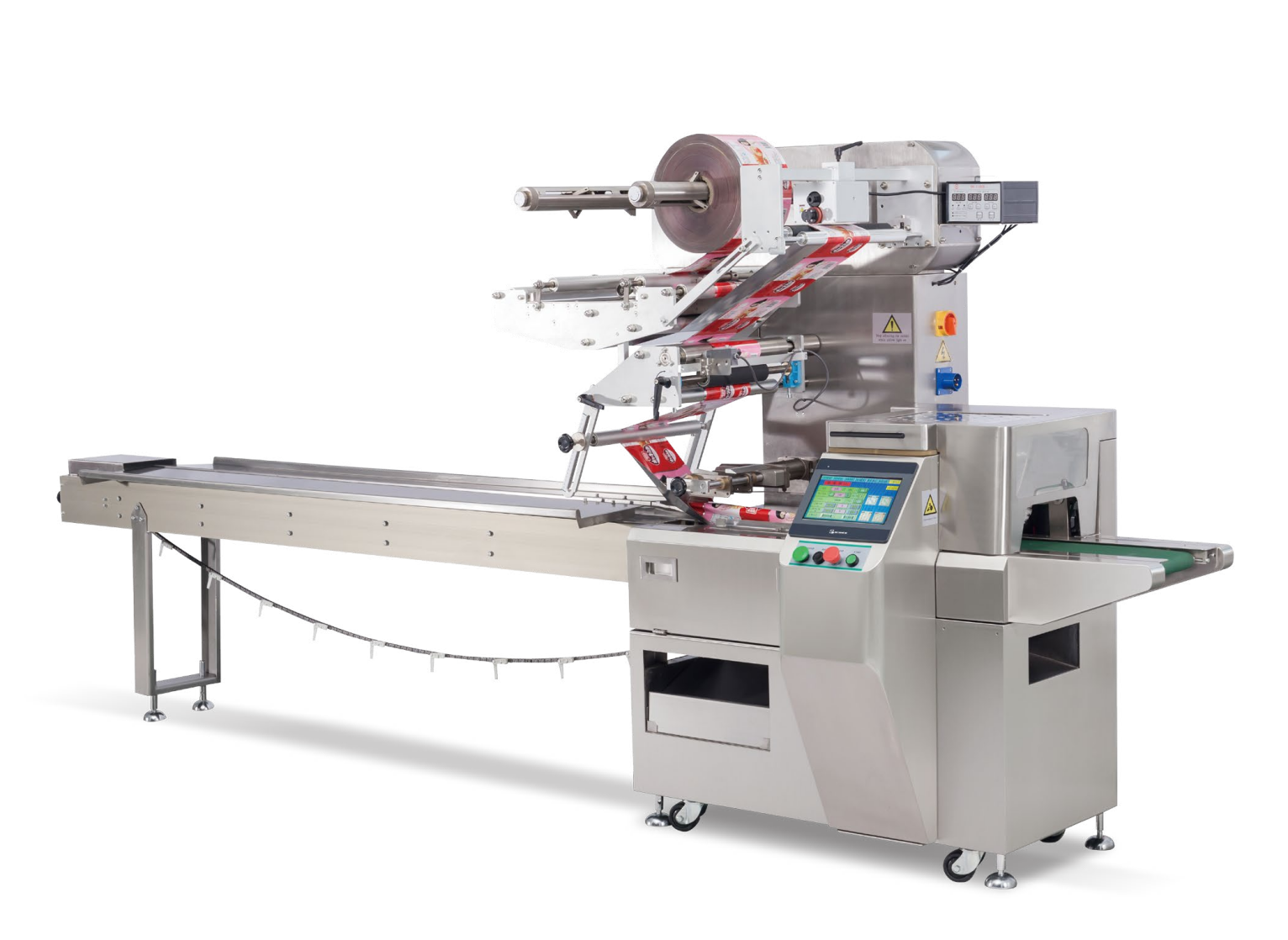
The horizontal form-fill-seal machine wraps the wafer in heat-sealable laminate, creates a longitudinal fin seal, and completes the cross seal and cut-off. The listed sealing options include single jaw, twin jaw, and box-motion configurations. Servo drives, PLC control, color touch-screen operation, recipe storage, film registration, fault logging, and remote diagnostics support repeatable operation and changeovers.
Vision inspection could extend this architecture by checking product presence, orientation, package appearance, seal-area conditions, printed information, or other visual attributes. However, those camera-based functions are not specified in the product information. The documented controls are photoelectric registration, automatic rejection, optional checkweighing, and metal detection.

The application scenario supplied for food factories and bakery facilities describes packaging equipment that can operate with automatic feeding, sealing, coding, transfer, and rejection functions. This supports the use of automated inspection-related controls in high-volume production, but it does not confirm that vision inspection is included in every system.
Foshan Ruipuhua Machinery Equipment Co. Ltd, also known as RPH or RAPIDPACK, was established in 2005 and manufactures intelligent packaging machinery. Its stated R&D capabilities include synchronized feeding, flow wrapping, secondary collating, case packing, and palletizing, with in-house PLC and HMI software. The company holds a CE certification applicable to flow packaging machines, automatic packaging systems, cartoning machines, and palletizing robots.
A documented cooperation case describes an Orion chocolate pie cake packaging system involving automated wrapping and robotic palletizing across production facilities. The case demonstrates experience with integrated food-packaging lines, although it does not provide evidence that vision inspection is standard in wafer systems.
Data/Solution Comparison
| Control or inspection function | Status in the supplied wafer system data | Primary role |
|---|---|---|
| Photoelectric product-position detection | Specified | Detects product position and supports rejection of misaligned items |
| Automatic rejection | Specified | Removes misaligned or defective packs according to available system controls |
| Checkweigher | Optional downstream integration | Supports weight inspection |
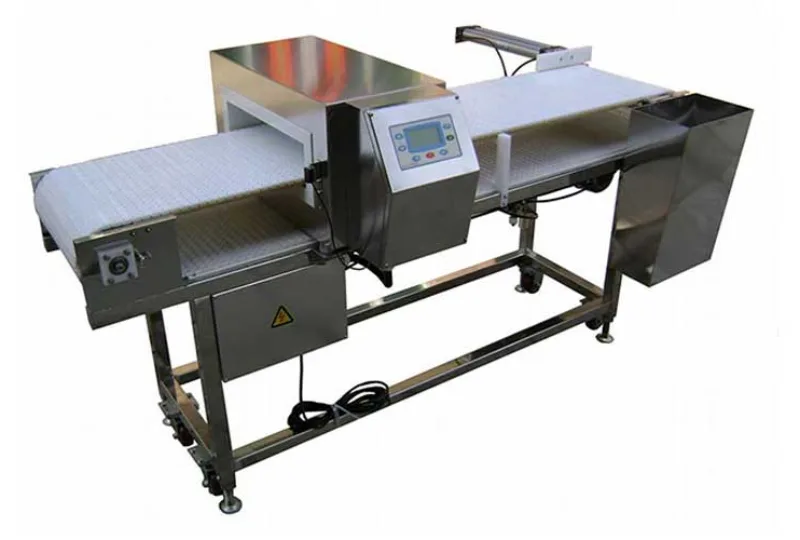
| Metal detector | Optional downstream integration | Supports metal detection after packaging |
| Vision inspection | Not specified | Camera-based visual verification would require confirmation during system configuration |
| Remote diagnostics and fault logging | Specified | Provides machine-status monitoring and maintenance support |
Frequently Asked Questions (FAQ)
Is vision inspection included as standard in the wafer automatic packaging system?
The supplied specifications do not list vision inspection as a standard feature. They specify photoelectric sensors, automatic rejection, and optional checkweighing and metal detection.
Can the system detect incorrectly positioned wafer products?
Yes. Photoelectric sensors detect product position, and the system can automatically reject misaligned items before or during the wrapping process.
What should be confirmed if camera inspection is required?
The required inspection points should be defined during configuration, including product presence, orientation, package appearance, seal-area checks, printed information, and the associated rejection method. The available product data does not define a camera model, inspection resolution, or software specification.
Final Conclusion & Recommendations
Vision inspection may become a frequent option for wafer automatic packaging systems, but the supplied data does not support calling it a current standard. Buyers should distinguish the documented photoelectric alignment and rejection functions from camera-based inspection, then confirm the required inspection tasks, integration location, and acceptance criteria during technical review. Ruipuhua supports manufacturing and OEM cooperation, with sample-based testing and engineer support listed for the product. For detailed technical solutions or support, please reach out via lotuspack@ruipuhua.com.
About Us
Foshan Ruipuhua Machinery Equipment Co. Ltd is a Chinese manufacturer of automatic packaging and palletizing equipment, integrating research and development, production, installation, and technical after-sales service. Established in 2005, the company has 300 employees and operates a 50,000-square-meter factory. Its equipment serves food, bakery, biscuit, snack, noodle, chocolate, soap, hardware, pharmaceutical, and daily chemical industries, with exports to over 100 countries.
The company holds CE certification applicable to flow packaging machines, automatic packaging systems, cartoning machines, and palletizing robots, and has served clients across multiple industries.



-
01
How do I choose the right speed for a toas bread packaging line to avoid crushing soft loaves?
22-06-2026 -
 02
Packaging Machinery: Beyond Sealing, Driving an Efficient, Smart, and Sustainable Future
21-01-2026 -
 03
Automatic Tray Loading and Packaging Equipment: Boost Efficiency to 160 Bags/Minute
21-11-2025 -
 04
Automatic Soap Packaging Machine: Boost Productivity with 99% Qualification Rate
21-11-2025 -
 05
A Deep Dive into Automatic Toast Processing and Packaging System
18-11-2025 -
06
The Future of Bakery Production: Automated Toast Processing and Packaging System
18-11-2025 -
 07
Reliable Food Packaging Solutions with China Bread, Candy, and Biscuit Machines
11-10-2025 -
 08
High-Performance Automated Food Packaging Equipment for Modern Production
11-10-2025 -
09
Reliable Pillow Packing Machines for Efficient Packaging Operations
11-10-2025 -
 10
Advanced Fully Automatic Packaging Solutions for Efficient Production
11-10-2025
