

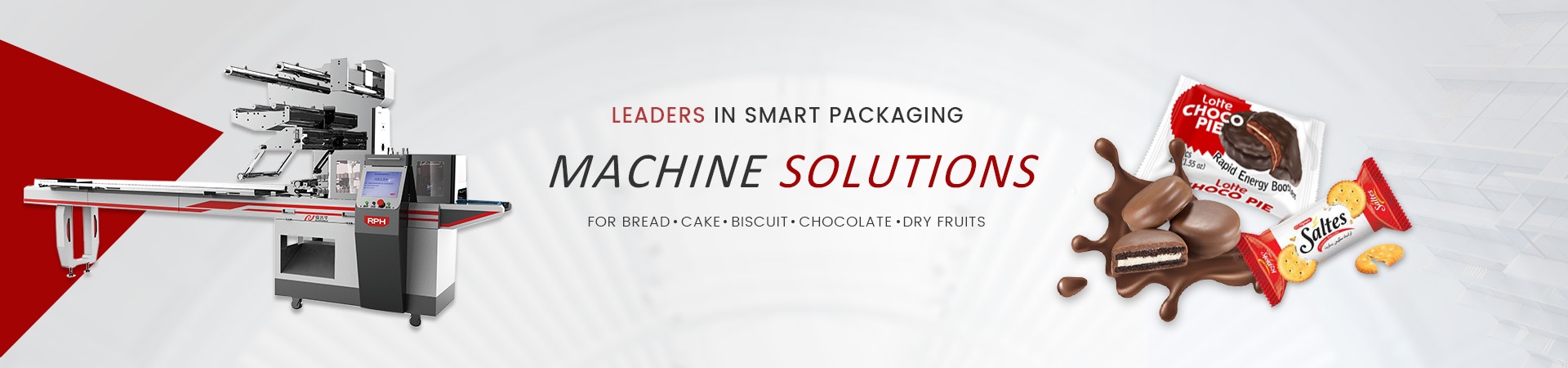
Troubleshooting Common Issues with Cereal Bar Packaging Machines
Cereal bar packaging machines are essential for producing high-quality, sealed cereal bars. However, these machines can sometimes encounter issues that affect their efficiency and performance. This article provides a comprehensive guide to troubleshooting common problems with cereal bar packaging machines, enabling users to identify and resolve these issues quickly and effectively.
Machine Setup Errors
Incorrect machine setup is a common cause of packaging issues. Ensure that the machine is properly assembled and calibrated according to the manufacturer’s instructions. Verify that the packaging material is loaded correctly and that the sealing parameters (temperature, pressure, and dwell time) are optimized for the specific packaging material used.
Feeding and Conveying Problems
Smooth feeding and conveying of cereal bars through the machine is crucial. Check if the feeding system is properly aligned and that the conveyor belts are free of debris or obstructions. If bars are not feeding properly, adjust the speed of the feeding system or check for worn or damaged conveyor belts.
Sealing Issues
Faulty seals can compromise the integrity of the cereal bars. Ensure that the sealing head is properly aligned and that there are no gaps or tears in the packaging material. Inspect the sealing wires or rollers for signs of damage or wear, and clean or replace them as needed. Adjust the sealing parameters (temperature and pressure) to achieve an optimal seal and prevent leaks.
Cutting Issues
Clean and precise cutting of the packaging material ensures proper bar length and presentation. Check the cutting blade for sharpness and alignment. If the cuts are uneven or jagged, sharpen or replace the blade. Ensure that the cutting mechanism is correctly adjusted for the desired bar size.
Machine Overheating
Excessive heat generated by the machine can damage the packaging material and affect its performance. Monitor the machine temperature closely and allow for sufficient cooling time between cycles. Ensure that the ventilation system is functioning properly and that there is no excessive friction or wear in the moving parts.
Electrical Faults
Electrical faults can disrupt the machine’s operation. Inspect power connections and wiring for damage or loose connections. Check for blown fuses or tripped circuit breakers. If the machine does not respond to power, consult an electrician for further troubleshooting.
Tips for Efficient Troubleshooting
To facilitate efficient troubleshooting, keep the following tips in mind:
Note the specific issue encountered and document any error codes displayed on the machine.
Refer to the manufacturer’s manual for detailed troubleshooting procedures.
Check for simple issues, such as jammed packaging material or incorrect settings, before delving into complex repairs.
Use appropriate tools and safety precautions when troubleshooting.
If the issue cannot be resolved through basic troubleshooting steps, contact the machine manufacturer or a qualified service technician.



-
01
How do I choose the right speed for a toas bread packaging line to avoid crushing soft loaves?
22-06-2026 -
 02
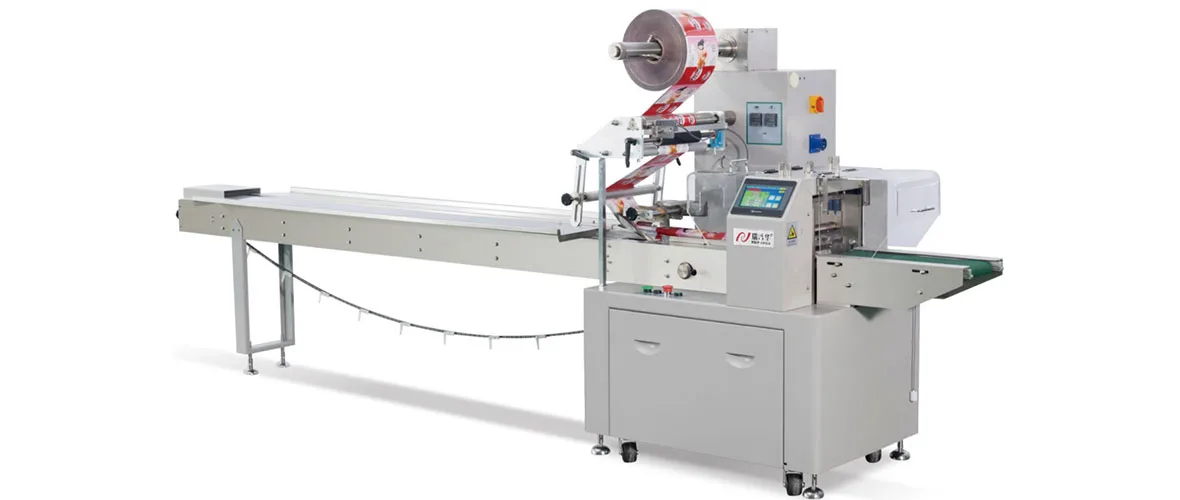
02Packaging Machinery: Beyond Sealing, Driving an Efficient, Smart, and Sustainable Future
21-01-2026 -
 03
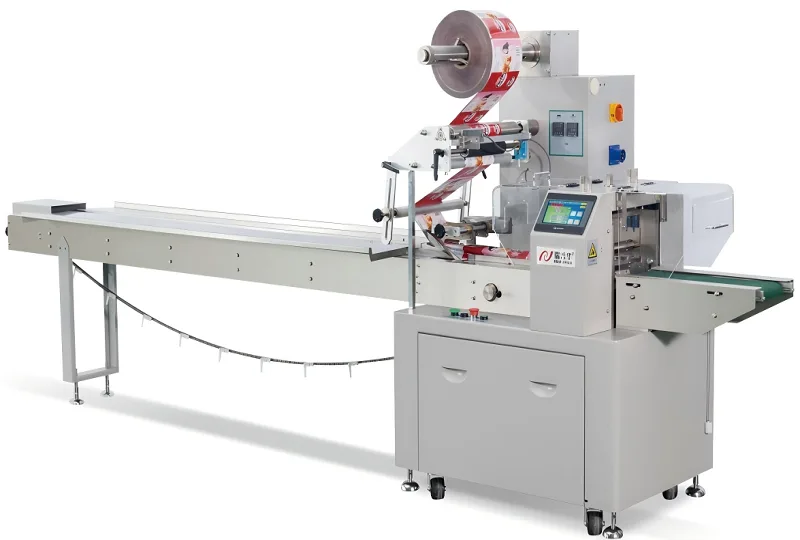
03Automatic Tray Loading and Packaging Equipment: Boost Efficiency to 160 Bags/Minute
21-11-2025 -
 04
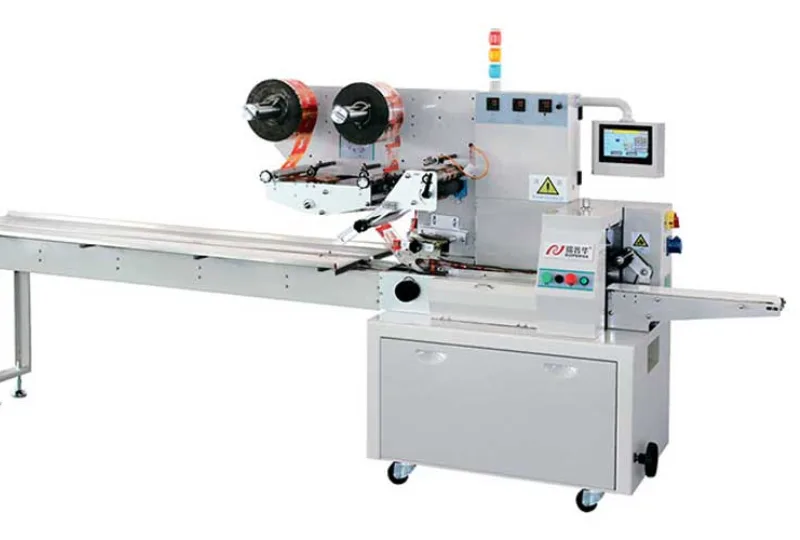
04Automatic Soap Packaging Machine: Boost Productivity with 99% Qualification Rate
21-11-2025 -
 05
05A Deep Dive into Automatic Toast Processing and Packaging System
18-11-2025 -
06
The Future of Bakery Production: Automated Toast Processing and Packaging System
18-11-2025 -
 07
07Reliable Food Packaging Solutions with China Bread, Candy, and Biscuit Machines
11-10-2025 -
 08
08High-Performance Automated Food Packaging Equipment for Modern Production
11-10-2025 -
09
Reliable Pillow Packing Machines for Efficient Packaging Operations
11-10-2025 -
 10
10Advanced Fully Automatic Packaging Solutions for Efficient Production
11-10-2025
