

Manual vs. Automated Dry Fruits Packaging Machines- A Comparative Guide
In the realm of food packaging, the choice between manual and automated dry fruits packaging machines hinges upon variables pertaining to efficiency, accuracy, and hygiene. This comprehensive guide delves into the intricacies of both options to assist decision-makers in selecting the optimal solution for their unique requirements.
Manual Dry Fruits Packaging Machines: A Labor-Intensive Approach
Manual dry fruits packaging machines, as their name suggests, rely on human operators to perform the entire packaging process. While offering flexibility and customization, this approach is often susceptible to inconsistencies and inefficiencies.
Advantages:
Low initial investment: Manual machines are generally more budget-friendly than automated options.
Customizable: Operators have greater control over package size and design, allowing for tailored packaging solutions.
Suitable for small-scale operations: For businesses with limited production volumes, manual machines provide a practical and cost-effective alternative.
Disadvantages:
Labor-intensive: Manual operation requires significant manpower, increasing labor costs and potential errors.
Inconsistent packaging: Human factors, such as fatigue and dexterity, can result in variations in package size, weight, and sealing quality.
Hygiene concerns: Manual handling can introduce contaminants into the packaging process, jeopardizing product safety.
Automated Dry Fruits Packaging Machines: A Precision-Oriented Solution
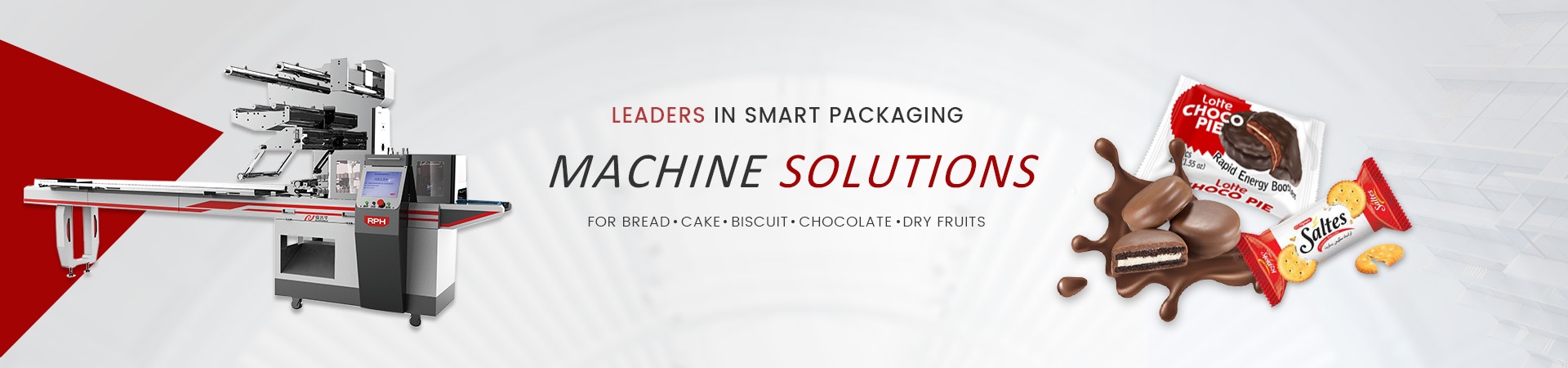
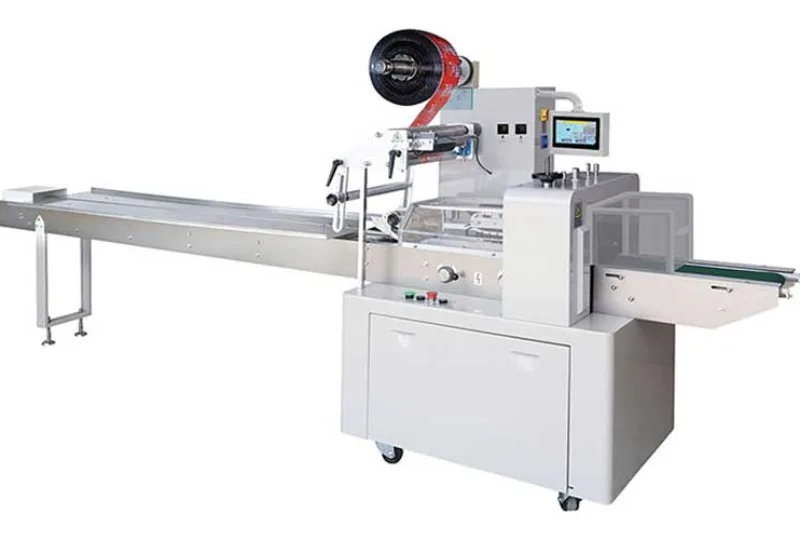
Automated dry fruits packaging machines utilize advanced technology to streamline the packaging process. They offer increased efficiency, precision, and hygiene compared to their manual counterparts.
Advantages:
High efficiency: Automated machines operate at significantly faster speeds, increasing productivity and reducing lead times.
Precise packaging: Pre-programmed settings ensure consistent package dimensions, weights, and sealing for optimal product presentation and protection.
Reduced labor costs: Automation eliminates the need for dedicated operators, freeing up human resources for other tasks.
Improved hygiene: Automated machines employ automated feeding and sealing systems, minimizing direct human contact with the product.
Disadvantages:
Higher upfront investment: Automated machines require a substantial initial investment, which may not be feasible for small businesses.
Limited customization: Pre-programmed settings restrict the level of customization available compared to manual packaging.
Maintenance requirements: Automated machines require regular maintenance and technical support to ensure optimal performance.
Conclusion
The choice between manual and automated dry fruits packaging machines depends on several factors. For businesses prioritizing low upfront costs, flexibility, and small-scale production, manual machines may suffice. However, for those seeking high efficiency, precision, hygiene, and labor reduction, automated machines offer a superior solution. Ultimately, the optimal choice depends on the specific needs, production volume, and budget constraints of the business.


-
01
How do I choose the right speed for a toas bread packaging line to avoid crushing soft loaves?
22-06-2026 -
 02
02Packaging Machinery: Beyond Sealing, Driving an Efficient, Smart, and Sustainable Future
21-01-2026 -
 03
03Automatic Tray Loading and Packaging Equipment: Boost Efficiency to 160 Bags/Minute
21-11-2025 -
 04
04Automatic Soap Packaging Machine: Boost Productivity with 99% Qualification Rate
21-11-2025 -
 05
05A Deep Dive into Automatic Toast Processing and Packaging System
18-11-2025 -
06
The Future of Bakery Production: Automated Toast Processing and Packaging System
18-11-2025 -
 07
07Reliable Food Packaging Solutions with China Bread, Candy, and Biscuit Machines
11-10-2025 -
 08
08High-Performance Automated Food Packaging Equipment for Modern Production
11-10-2025 -
09
Reliable Pillow Packing Machines for Efficient Packaging Operations
11-10-2025 -
 10
10Advanced Fully Automatic Packaging Solutions for Efficient Production
11-10-2025
