

The Environmental Impact of Granule Packing Machines
The Environmental Impact of Granule Packing Machines: A Ticking Time Bomb for Our Planet
In an era where environmental consciousness is paramount, it is imperative that we scrutinize the impact of human activities on our fragile planet. Among the industrial processes that have come under scrutiny is the widespread use of granule packing machines. These machines, designed to efficiently package granular products such as fertilizers, detergents, and food additives, come with a hidden environmental cost that threatens the health of our ecosystem.
The Plastic Problem
Granule packing machines rely heavily on plastic materials for packaging. These plastics, predominantly polyethylene and polypropylene, are derived from fossil fuels and contribute significantly to plastic pollution. The excessive production of plastics has resulted in an alarming accumulation of waste, polluting our oceans, harming marine life, and contaminating our food chain. Moreover, the incineration of plastic waste releases toxic fumes that degrade air quality and contribute to climate change.
Carbon Footprint
The energy consumption of granule packing machines is another significant environmental concern. These machines require electricity to operate, which often comes from non-renewable sources such as coal and natural gas. The burning of these fossil fuels releases greenhouse gases, exacerbating global warming and air pollution. Additionally, the production and transportation of these machines further contribute to their carbon footprint.
Water Consumption
Water is another precious resource that is often overlooked in the discussion of industrial processes. Granule packing machines often require water for cooling and cleaning, potentially depleting water sources in water-scarce regions. The discharge of wastewater from these machines can also contaminate water bodies with pollutants, disrupting aquatic ecosystems and threatening human health.
Solutions and Alternatives
Addressing the environmental impact of granule packing machines requires a collaborative effort from manufacturers, consumers, and governments. Manufacturers must prioritize eco-friendly materials and energy-efficient designs. Consumers should demand sustainable packaging and support companies that embrace environmental responsibility. Governments can implement regulations to limit plastic waste and promote the adoption of environmentally sound practices.
Conclusion
The environmental impact of granule packing machines cannot be ignored. Plastic pollution, carbon emissions, and water consumption pose significant threats to our planet and human well-being. It is imperative that we take action to mitigate these impacts by transitioning to sustainable materials, reducing energy consumption, and promoting responsible waste management practices. By doing so, we can protect our precious environment for future generations and create a more harmonious relationship with our planet.



-
01
How do I choose the right speed for a toas bread packaging line to avoid crushing soft loaves?
22-06-2026 -
 02
02Packaging Machinery: Beyond Sealing, Driving an Efficient, Smart, and Sustainable Future
21-01-2026 -
 03
03Automatic Tray Loading and Packaging Equipment: Boost Efficiency to 160 Bags/Minute
21-11-2025 -
 04
04Automatic Soap Packaging Machine: Boost Productivity with 99% Qualification Rate
21-11-2025 -
 05
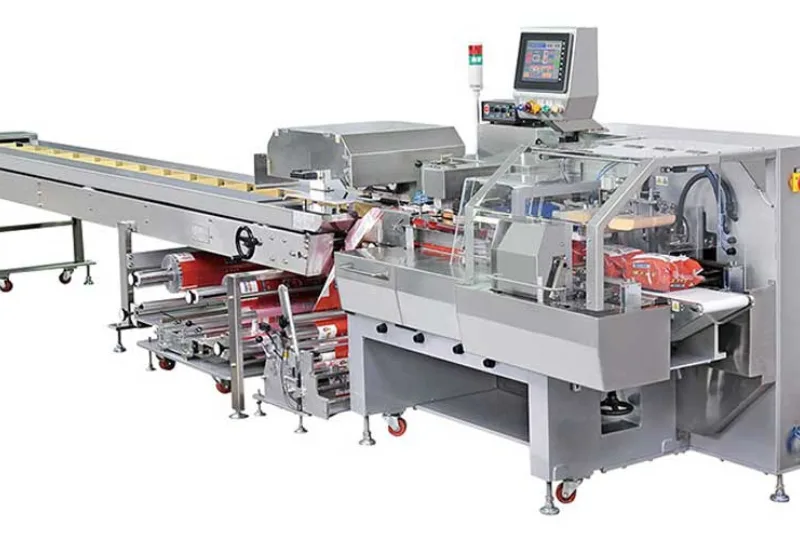
05A Deep Dive into Automatic Toast Processing and Packaging System
18-11-2025 -
06
The Future of Bakery Production: Automated Toast Processing and Packaging System
18-11-2025 -
 07
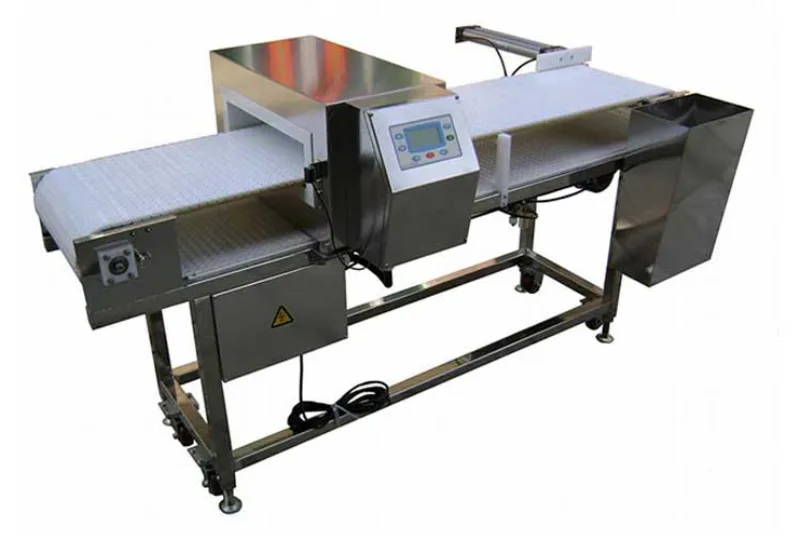
07Reliable Food Packaging Solutions with China Bread, Candy, and Biscuit Machines
11-10-2025 -
 08
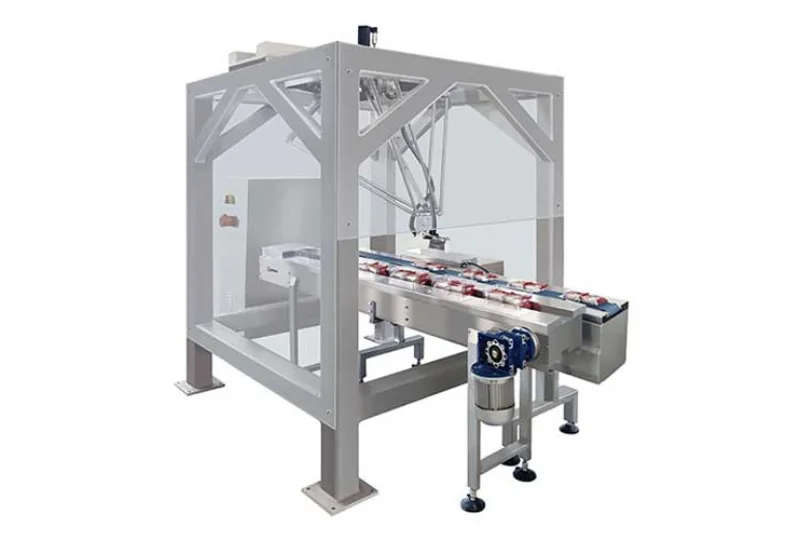
08High-Performance Automated Food Packaging Equipment for Modern Production
11-10-2025 -
09
Reliable Pillow Packing Machines for Efficient Packaging Operations
11-10-2025 -
 10
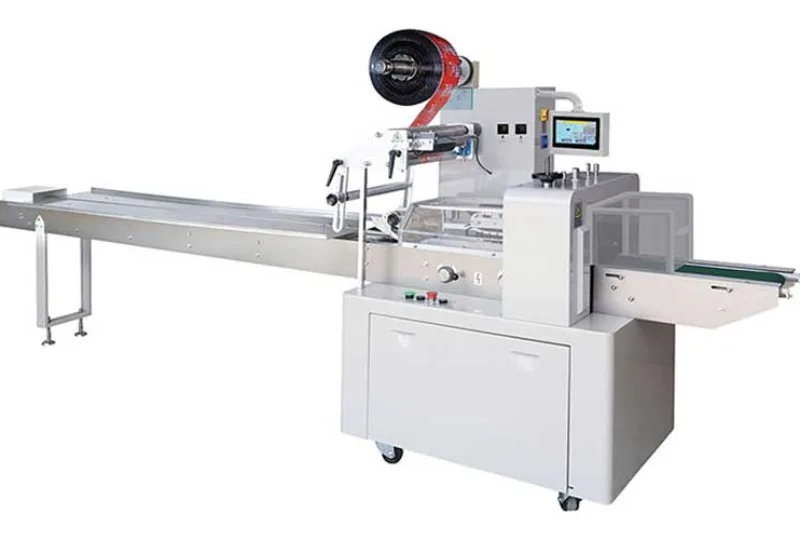
10Advanced Fully Automatic Packaging Solutions for Efficient Production
11-10-2025
