

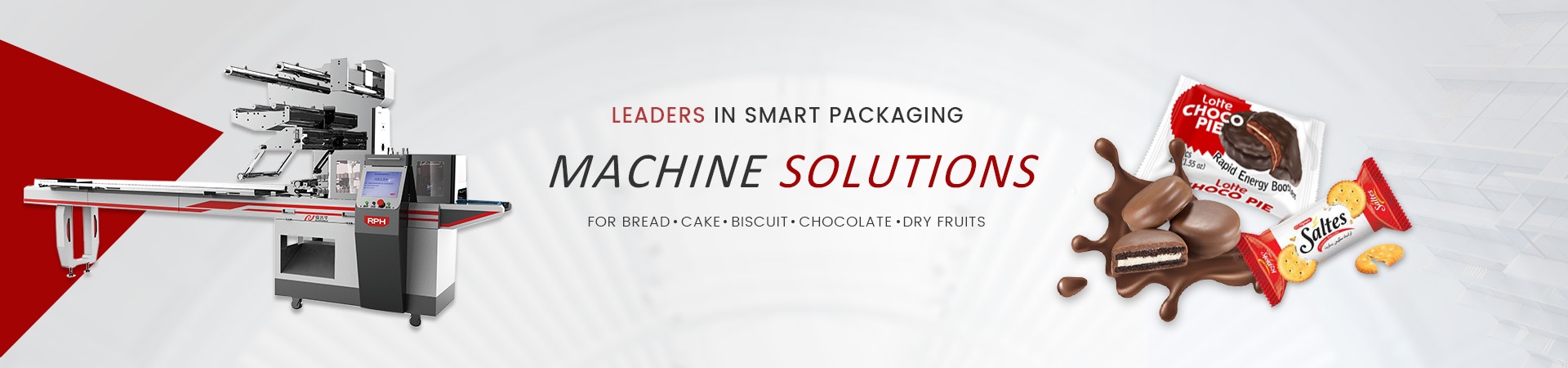
How to Optimize Your Bread Wrapping Machine for Maximum Efficiency
In the bustling bakery landscape, where time and efficiency are crucial, a well-optimized bread wrapping machine can be a veritable breadwinning asset. By following these strategic maneuvers, you can elevate your wrapping process to new heights, ensuring that your loaves are fresh, protected, and ready to conquer the taste buds of hungry customers.
1. Calibrate the Aperture with Precision
The bread wrapping machine’s aperture, the opening where loaves enter and exit, is the gateway to efficiency. Ensure that it is precisely calibrated to accommodate the sizes of your loaves, preventing unnecessary downtime caused by misalignment or jams.
2. Optimize Tension for Tight Packaging
The wrapping material’s tension plays a pivotal role in maintaining the freshness and structural integrity of your loaves. By adjusting the tension settings to a sweet spot, you can achieve a snug fit that protects against moisture loss and external contaminants.
3. Synchronize with the Production Line
Integrate your bread wrapping machine seamlessly with your production line to minimize bottlenecks and maximize throughput. Coordinate the speed and timing of the wrapping machine with other processes, such as baking and cooling, to ensure a smooth and efficient flow of freshly baked bread.
4. Prevent Waste with Precision Cut
Optimize the wrapping material’s cut length to minimize waste and maximize cost-effectiveness. By fine-tuning the cut settings, you can ensure that there is just enough material to wrap the loaf securely, eliminating any unnecessary excess.
5. Minimize Downtime with Regular Maintenance
A well-maintained bread wrapping machine is a productive bread wrapping machine. Establish a regular maintenance schedule to lubricate components, clean sensors, and inspect for signs of wear and tear. By staying proactive, you can minimize downtime and ensure that your machine operates smoothly.
6. Employ Sensors for Optimal Performance
Modern bread wrapping machines often feature sensors that detect loaf size and adjust settings accordingly. These sensors enhance efficiency by ensuring that the correct amount of wrapping material is used for each loaf, reducing waste and improving consistency.
7. Leverage Automation for Efficiency Gains
Consider automating certain aspects of the bread wrapping process, such as loading and unloading, to further streamline operations. By freeing up operators for other tasks, automation can increase throughput and reduce labor costs.
Conclusion
By implementing these optimization strategies, you can transform your bread wrapping machine into a bread wrapping superhero. With increased efficiency, reduced waste, and heightened reliability, you’ll be able to produce an army of perfectly packaged loaves, ready to conquer the bakery battlefield and delight bread enthusiasts everywhere.



-
01
How do I choose the right speed for a toas bread packaging line to avoid crushing soft loaves?
22-06-2026 -
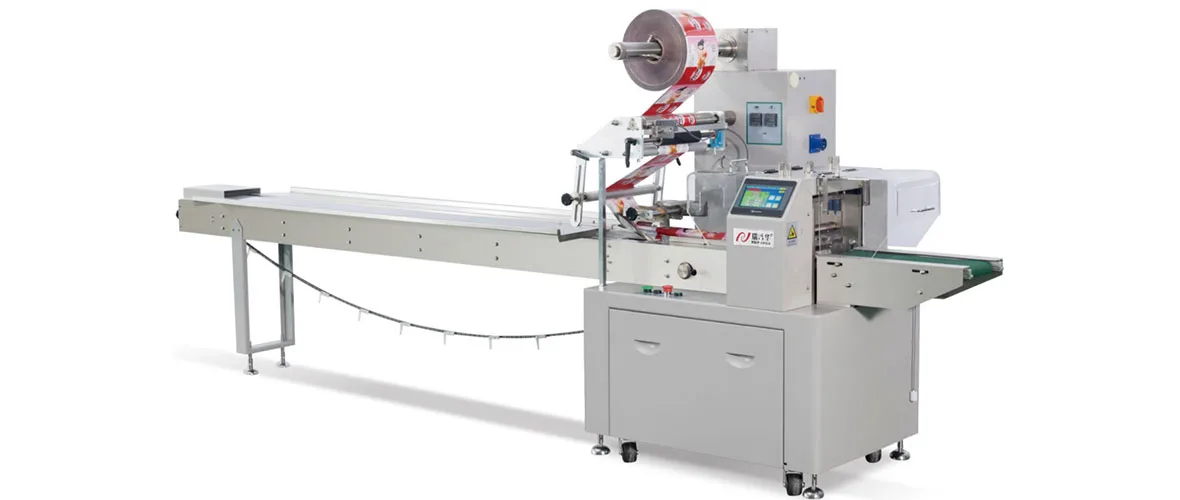 02
02Packaging Machinery: Beyond Sealing, Driving an Efficient, Smart, and Sustainable Future
21-01-2026 -
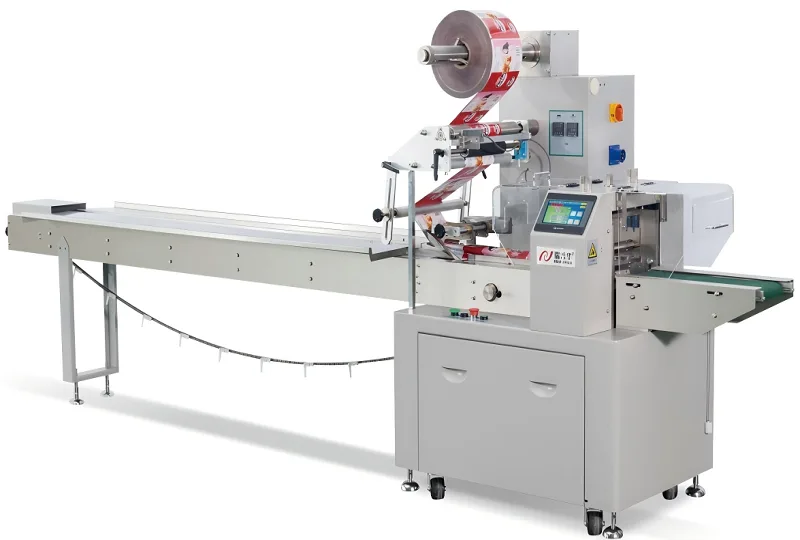 03
03Automatic Tray Loading and Packaging Equipment: Boost Efficiency to 160 Bags/Minute
21-11-2025 -
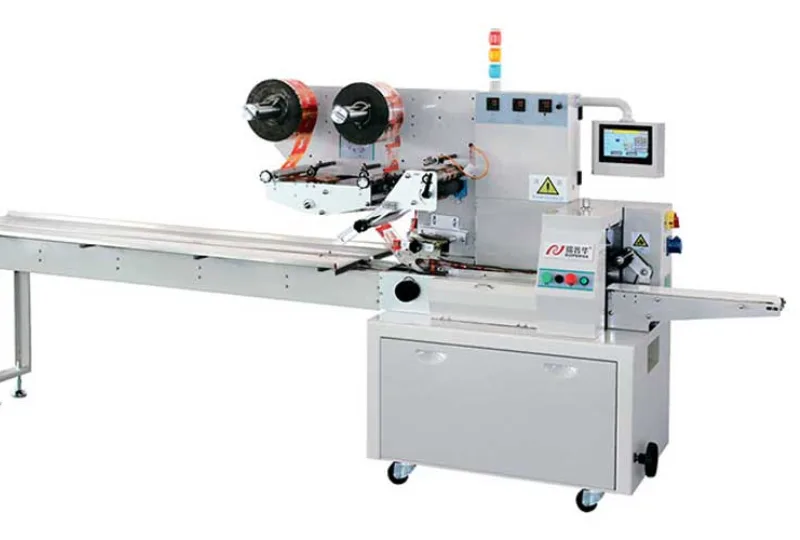 04
04Automatic Soap Packaging Machine: Boost Productivity with 99% Qualification Rate
21-11-2025 -
 05
05A Deep Dive into Automatic Toast Processing and Packaging System
18-11-2025 -
06
The Future of Bakery Production: Automated Toast Processing and Packaging System
18-11-2025 -
 07
07Reliable Food Packaging Solutions with China Bread, Candy, and Biscuit Machines
11-10-2025 -
 08
08High-Performance Automated Food Packaging Equipment for Modern Production
11-10-2025 -
09
Reliable Pillow Packing Machines for Efficient Packaging Operations
11-10-2025 -
 10
10Advanced Fully Automatic Packaging Solutions for Efficient Production
11-10-2025
