

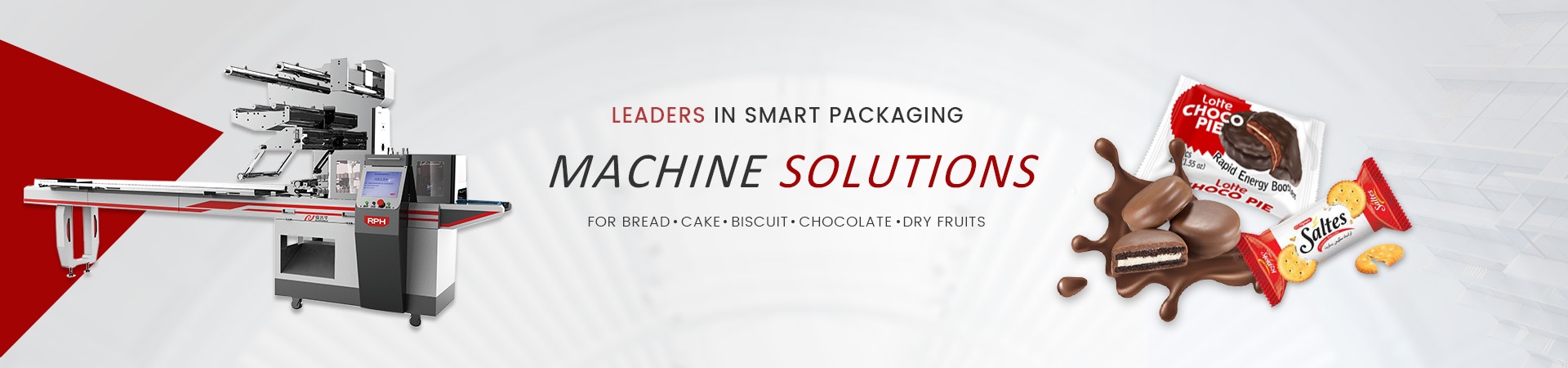
Understanding the Mechanics of Pillow Wrapping Machinery
In the modern packaging industry, pillow wrapping machinery plays a crucial role in providing efficient and hygienic packaging solutions for a variety of products. Understanding the mechanics of these machines is essential for manufacturers and operators alike to optimize their performance and ensure product quality.
Mechanisms and Functions
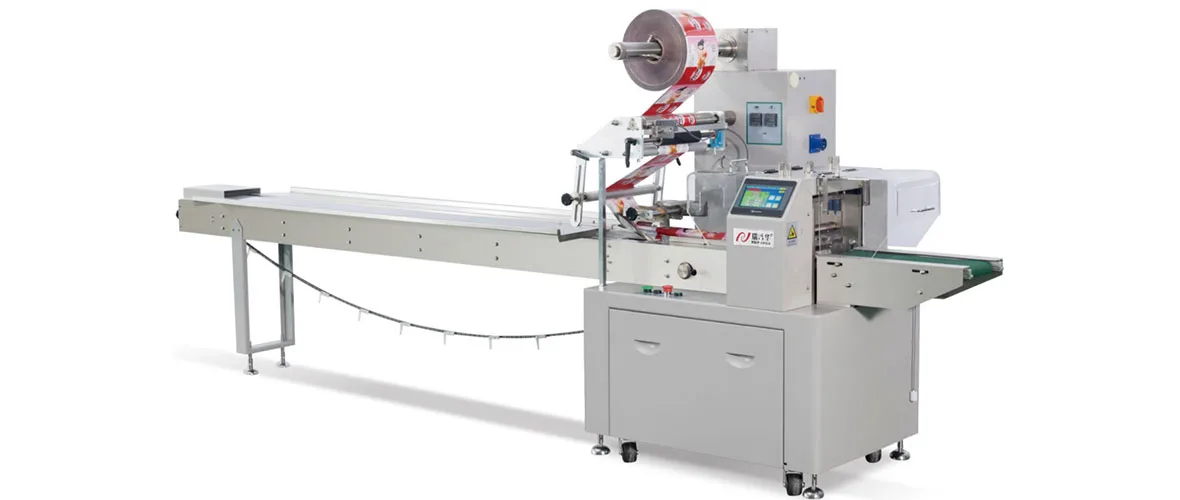
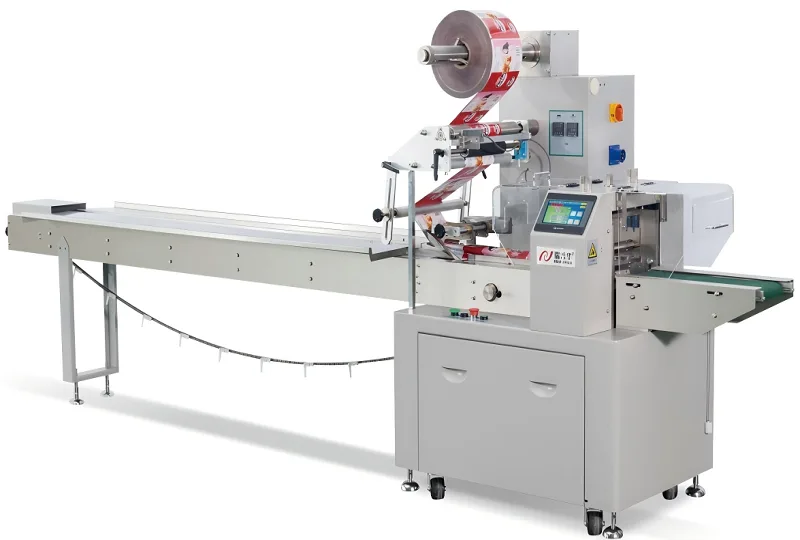
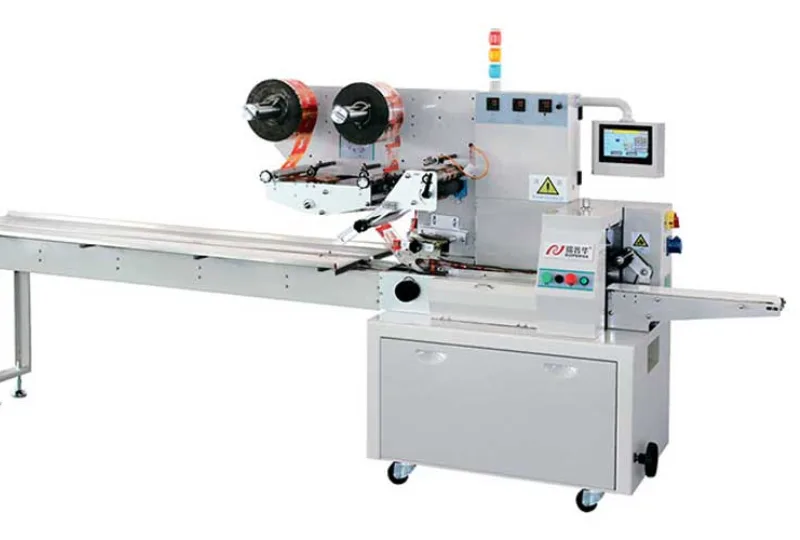
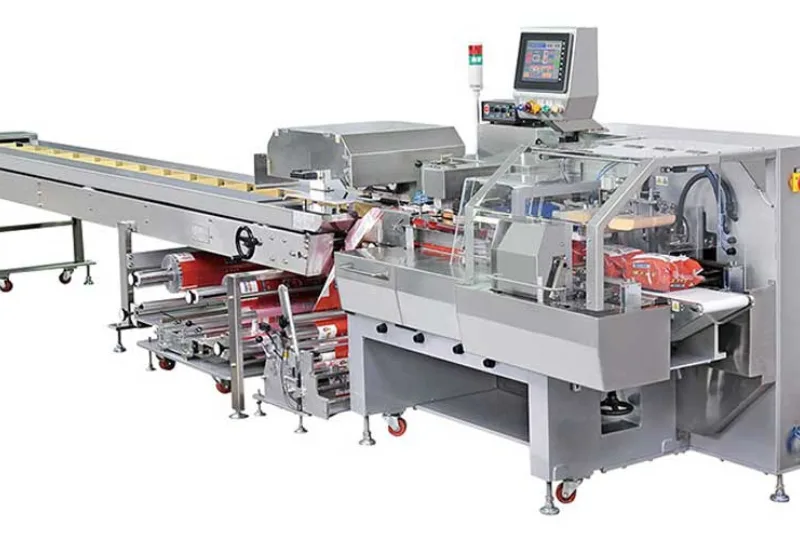
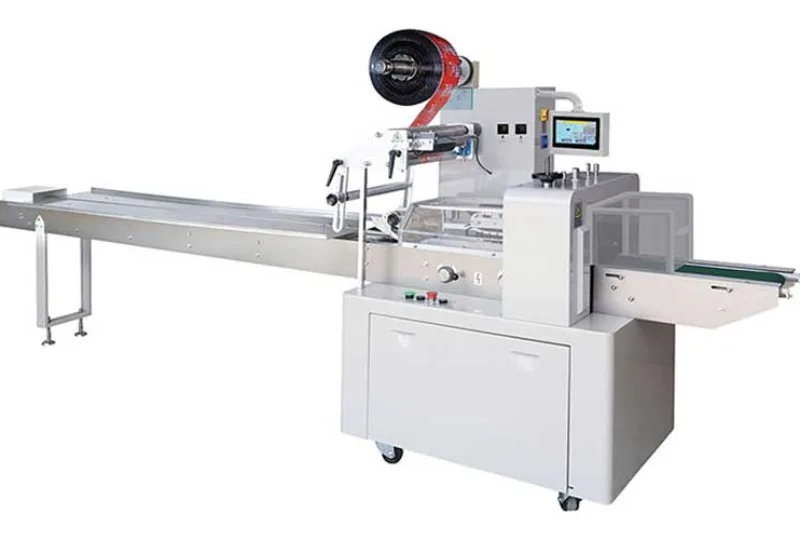
Pillow wrapping machinery, also known as flow wrappers, operates on a set of mechanical processes to wrap products in a pillow-shaped package. The primary mechanisms involved include:
– Film Feeding: The machine feeds a continuous film roll onto a conveyor belt, which guides the film through the wrapping process.
– Product Loading: Products are manually or automatically loaded onto the conveyor belt, positioned in the desired orientation for wrapping.
– Folding and Sealing: As the product moves through the machine, it undergoes a series of folding and sealing operations. The film is wrapped around the product, forming a pillow-shaped package. Heat-sealing bars or sealing wheels are used to create hermetic seals along the edges of the package.
– Finished Product Discharge: The wrapped products are discharged onto a conveyor or into a collection container for further processing or storage.
Electrical and Control Systems
The electrical and control systems of pillow wrapping machinery enable precise operation and monitoring of various parameters. These systems include:
– Programmable Logic Controller (PLC): The PLC is the central brain of the machine, controlling the sequence of operations and monitoring sensors for proper functioning.
– Touchscreen Interface: The touchscreen interface provides a user-friendly platform for operators to set parameters, monitor the process, and make adjustments as needed.
– Sensors: Various sensors, such as photoelectric sensors and proximity sensors, are used to detect the position and orientation of products and film, ensuring accurate wrapping and sealing.
– Servomotors and Drives: Servomotors and drives provide precise control over the movement of the conveyor belt, sealing bars, and other mechanical components.
Quality Control and Inspection
Maintaining the quality of wrapped products is paramount. Pillow wrapping machinery incorporates the following quality control and inspection features:
– Film Tension Control: Film tension sensors ensure that the film is wrapped tightly around the product, preventing wrinkles or deformation.
– Temperature Control: Heat-sealing bars and sealing wheels are equipped with temperature controllers to achieve optimal sealing strength and prevent product damage.
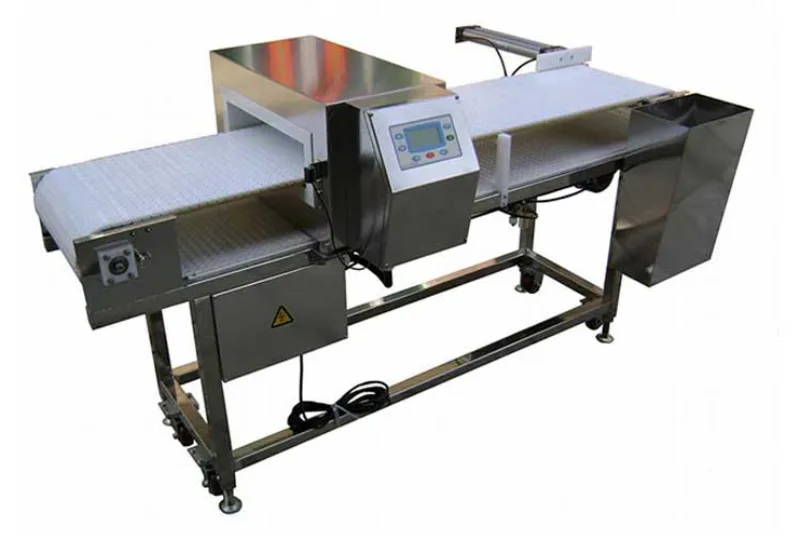
– Product Inspection: Vision systems or other sensing technologies may be integrated to inspect the wrapped products for defects or contamination before discharge.
– Data Logging and Reporting: The machine can generate detailed logs of wrapping parameters and product inspections, enabling traceability and compliance with quality standards.
Maintenance and Troubleshooting
Proper maintenance and troubleshooting are crucial for ensuring the longevity and efficiency of pillow wrapping machinery. Regular maintenance tasks include:
– Cleaning and Lubrication: Regular cleaning and lubrication of mechanical components prevent wear and tear, extending the lifespan of the machine.
– Film Inspection: Regularly inspecting the film rolls for defects or damage helps prevent film breaks and ensures proper wrapping quality.
– Sensor Calibration: Calibrating sensors ensures accurate detection and positioning of products and film, preventing malfunction and downtime.
– Fault Diagnostics: The machine may incorporate fault diagnostics systems that identify and display error codes, allowing operators to quickly troubleshoot and resolve issues.

-
01
How do I choose the right speed for a toas bread packaging line to avoid crushing soft loaves?
22-06-2026 -
 02
02Packaging Machinery: Beyond Sealing, Driving an Efficient, Smart, and Sustainable Future
21-01-2026 -
 03
03Automatic Tray Loading and Packaging Equipment: Boost Efficiency to 160 Bags/Minute
21-11-2025 -
 04
04Automatic Soap Packaging Machine: Boost Productivity with 99% Qualification Rate
21-11-2025 -
 05
05A Deep Dive into Automatic Toast Processing and Packaging System
18-11-2025 -
06
The Future of Bakery Production: Automated Toast Processing and Packaging System
18-11-2025 -
 07
07Reliable Food Packaging Solutions with China Bread, Candy, and Biscuit Machines
11-10-2025 -
 08
08High-Performance Automated Food Packaging Equipment for Modern Production
11-10-2025 -
09
Reliable Pillow Packing Machines for Efficient Packaging Operations
11-10-2025 -
 10
10Advanced Fully Automatic Packaging Solutions for Efficient Production
11-10-2025
