

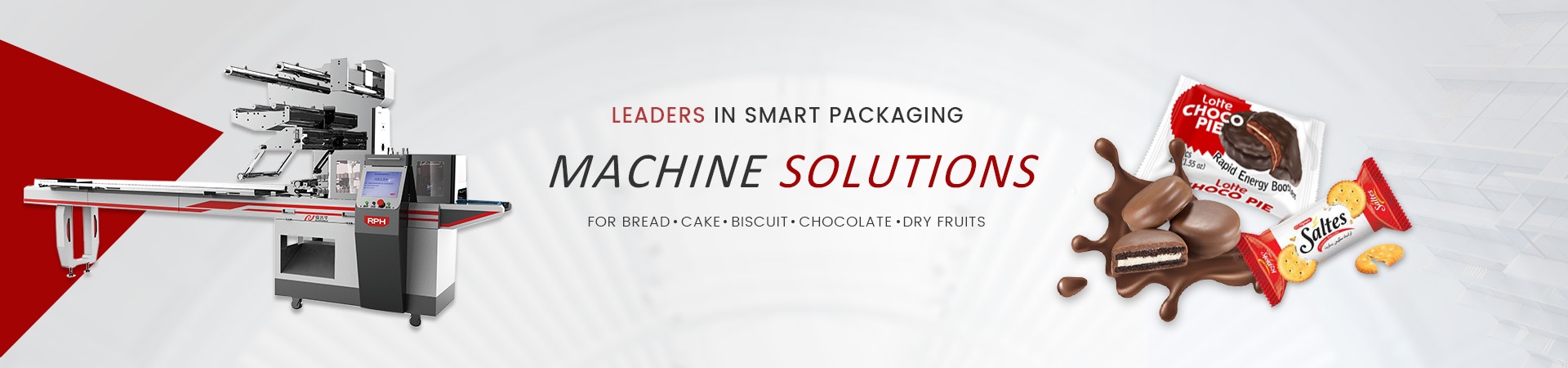
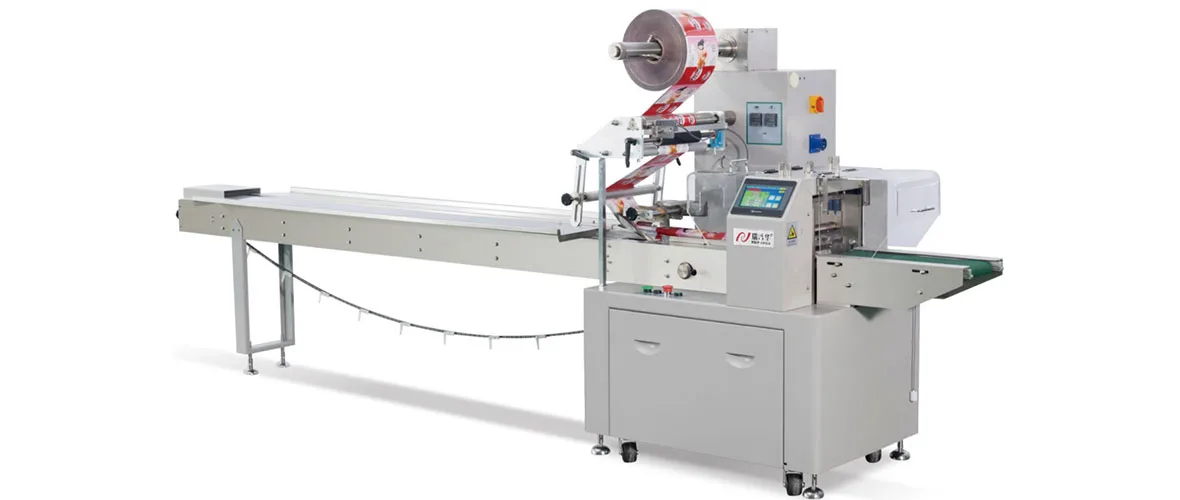
Best Practices for Operating Pillow Packaging Machines
Pillow packaging machines are widely used in the packaging industry for their efficiency, flexibility, and cost-effectiveness. However, to ensure optimal performance and longevity of these machines, it is essential to adhere to established best practices during their operation. This article will delve into the key best practices for operating pillow packaging machines, providing insights and guidance for optimal performance.
Maintenance and Inspection
Regular maintenance and inspection are crucial for ensuring the smooth operation of pillow packaging machines. Daily inspections should include checking the machine for any loose parts, unusual noises, or excessive vibrations. Periodic maintenance tasks, such as cleaning, lubrication, and filter replacement, should be performed according to the manufacturer’s recommendations.
Proper Loading and Unloading
The manner in which products are loaded into and unloaded from the packaging machine significantly impacts efficiency and product integrity. Avoid overloading the machine to prevent jams and damage to the packaging material. Ensure that products are placed evenly and securely within the feed conveyor, and avoid placing products that are too small or irregularly shaped. Similarly, when unloading finished packages, handle them gently to prevent damage and maintain the desired presentation.
Bag Material Selection and Adjustment
Choosing the appropriate bag material and adjusting the machine settings accordingly is essential for achieving optimal packaging results. Select bag materials that are compatible with the products being packaged and consider factors such as thickness, permeability, and clarity. Adjust the machine settings, such as sealing temperature and pressure, according to the bag material used to ensure proper sealing and protection of the product.
Film Roll Handling and Management
Proper handling and management of the film roll are crucial for continuous and efficient packaging operations. Unroll the film carefully to avoid creases or wrinkles, and ensure that the film is properly aligned on the packaging machine. Regularly check the tension of the film and adjust it as needed to prevent bag tearing or misalignment. Store unused film rolls in a cool, dry environment to maintain their quality and prevent deterioration.
Troubleshooting and Error Handling
Despite careful operation, errors and malfunctions can occasionally occur during packaging operations. It is essential to have a basic understanding of the machine and its error codes to facilitate troubleshooting. Common errors include misfeeds, bag jams, and sealing issues. Refer to the manufacturer’s manual or consult with a qualified technician for guidance on resolving errors and restoring the machine to proper operation.

-
01
How do I choose the right speed for a toas bread packaging line to avoid crushing soft loaves?
22-06-2026 -
 02
02Packaging Machinery: Beyond Sealing, Driving an Efficient, Smart, and Sustainable Future
21-01-2026 -
 03
03Automatic Tray Loading and Packaging Equipment: Boost Efficiency to 160 Bags/Minute
21-11-2025 -
 04
04Automatic Soap Packaging Machine: Boost Productivity with 99% Qualification Rate
21-11-2025 -
 05
05A Deep Dive into Automatic Toast Processing and Packaging System
18-11-2025 -
06
The Future of Bakery Production: Automated Toast Processing and Packaging System
18-11-2025 -
 07
07Reliable Food Packaging Solutions with China Bread, Candy, and Biscuit Machines
11-10-2025 -
 08
08High-Performance Automated Food Packaging Equipment for Modern Production
11-10-2025 -
09
Reliable Pillow Packing Machines for Efficient Packaging Operations
11-10-2025 -
 10
10Advanced Fully Automatic Packaging Solutions for Efficient Production
11-10-2025
