

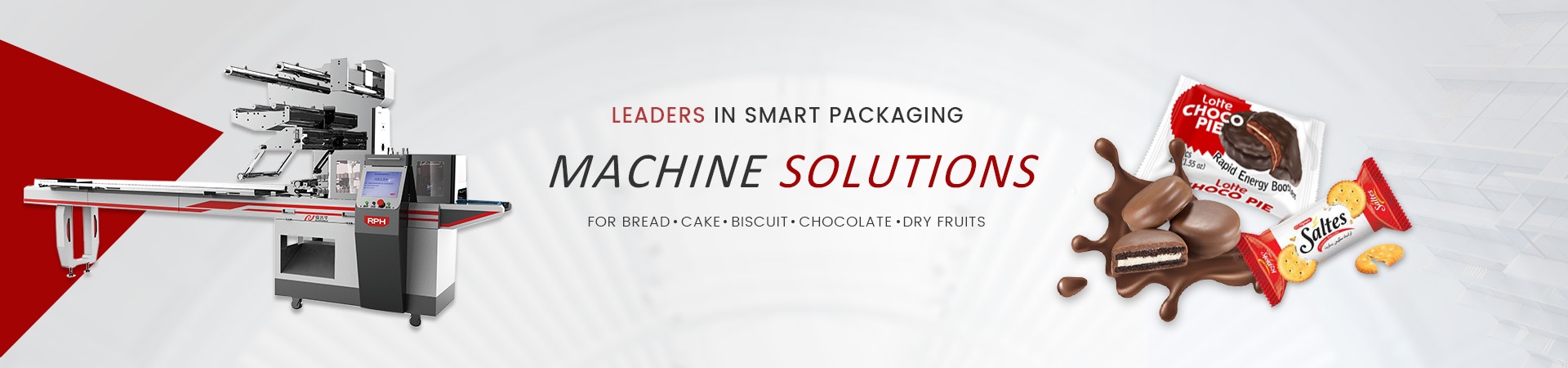
How to Troubleshoot Common Issues with Pillow Packaging Machines
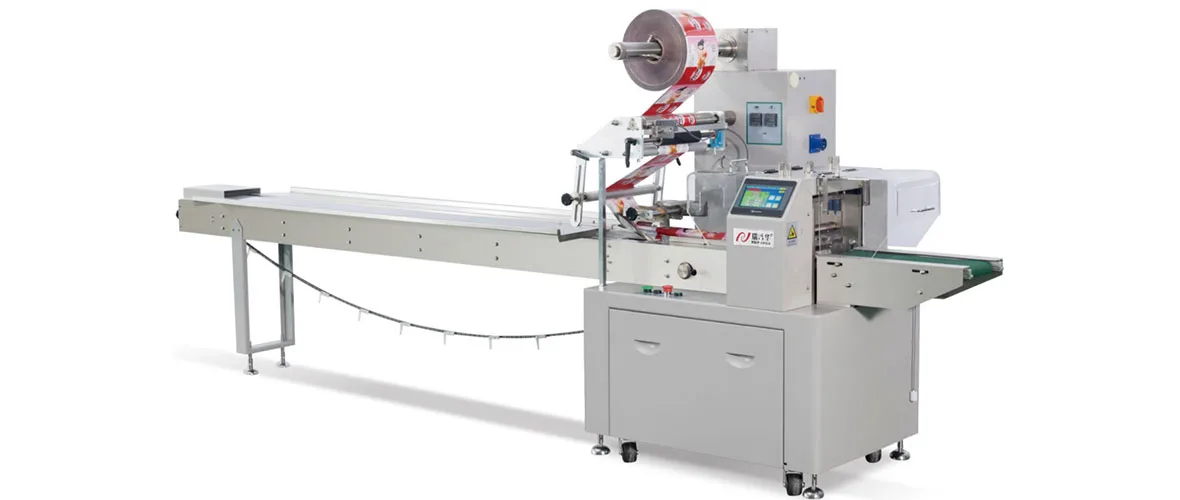
Pillow packaging machines are widely used in the packaging industry for its high efficiency and cost-effectiveness. However, like any other machine, pillow packaging machines can also experience technical issues. This article serves as a comprehensive guide to help you troubleshoot and resolve common problems with pillow packaging machines, ensuring smooth and efficient packaging operations.
Common Issues and Troubleshooting Steps
1. Machine Not Starting
Power supply issue: Check if the machine is plugged in and the power switch is turned on. Verify the voltage and ensure it matches the machine’s requirements.
Electrical connection loose: Inspect all electrical connections, including wires and plugs, for any loose or damaged contacts. Tighten or replace any loose connections as necessary.
Overloaded motor: If the machine starts but shuts down immediately, it may be overloaded. Reduce the packing speed or load weight, or contact a technician.
2. Film Feeding Problems
Film roll not properly loaded: Ensure the film roll is loaded correctly in the machine, without overlaps or creases. Adjust the film tension to ensure smooth feeding.
Incorrect film type: Check if the film roll is compatible with the machine and the product being packaged. Use the recommended film specifications for optimal performance.
Film guide damaged: Inspect the film guide for any damage or misalignment. Adjust the guide or replace it if necessary to ensure proper film feeding.
3. Sealing Issues
Unstable sealing temperature: Verify the sealing temperature and adjust it to the appropriate setting for the film material being used. Check the heating element for any damage or wear.
Damaged sealing jaws: Inspect the sealing jaws for any nicks or deformities. Replace or repair the jaws to ensure proper sealing.
Contaminated sealing surfaces: Clean the sealing jaws and the film surface to remove any dirt or debris that may interfere with sealing.
4. Bag Formation Problems
Incorrect bag format: Check the settings for bag length, width, and sealing style. Adjust the bag format according to the product requirements.
Bag cutter malfunctioning: Inspect the bag cutter for any damage or misalignment. Adjust the cutter or replace it if necessary to ensure clean and precise bag cuts.
Bag discharge misalignment: Verify the bag discharge chute is properly aligned to guide the bags out of the machine. Adjust the discharge angle or height as required.
5. Product Feed Issues
Product feeding conveyor blocked: Clear any obstructions or product accumulation from the product feeding conveyor. Adjust the conveyor speed to match the machine’s packaging rate.
Product size or shape not compatible: Check if the machine is designed to handle the product’s size and shape. Adjust the machine settings or consider using a different packaging solution.
Feed hopper overloaded: Ensure the feed hopper is not overloaded, as this can cause inconsistent product feeding. Adjust the hopper’s feeding rate or consider using a larger hopper.



-
01
How do I choose the right speed for a toas bread packaging line to avoid crushing soft loaves?
22-06-2026 -
 02
02Packaging Machinery: Beyond Sealing, Driving an Efficient, Smart, and Sustainable Future
21-01-2026 -
 03
03Automatic Tray Loading and Packaging Equipment: Boost Efficiency to 160 Bags/Minute
21-11-2025 -
 04
04Automatic Soap Packaging Machine: Boost Productivity with 99% Qualification Rate
21-11-2025 -
 05
05A Deep Dive into Automatic Toast Processing and Packaging System
18-11-2025 -
06
The Future of Bakery Production: Automated Toast Processing and Packaging System
18-11-2025 -
 07
07Reliable Food Packaging Solutions with China Bread, Candy, and Biscuit Machines
11-10-2025 -
 08
08High-Performance Automated Food Packaging Equipment for Modern Production
11-10-2025 -
09
Reliable Pillow Packing Machines for Efficient Packaging Operations
11-10-2025 -
 10
10Advanced Fully Automatic Packaging Solutions for Efficient Production
11-10-2025
