

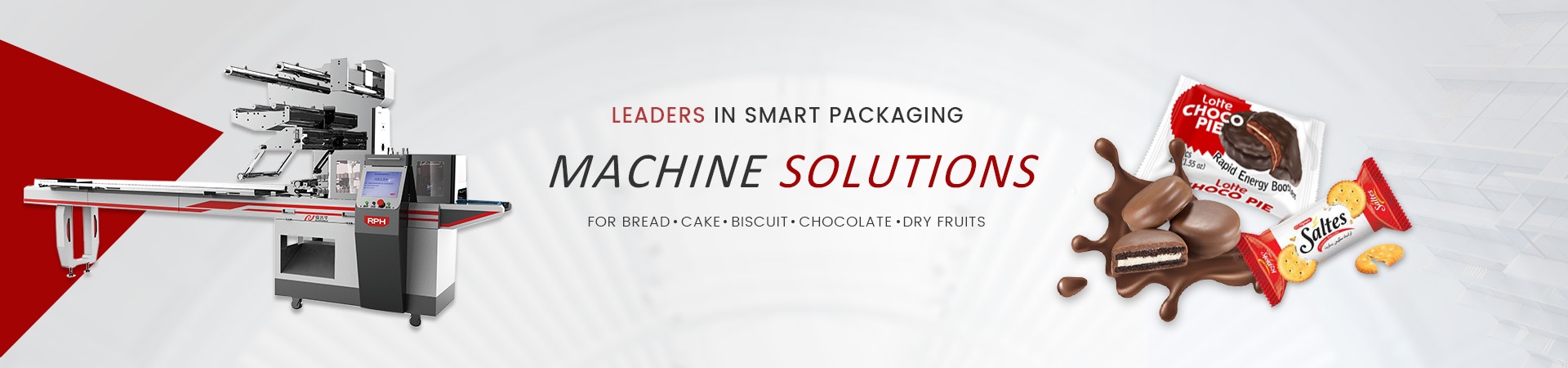
Comparing Manual vs. Automated Flow Wrap Packing Machines
Comparing Manual vs. Automated Flow Wrap Packing Machines: Embracing Efficiency and Precision
In today’s rapidly evolving packaging landscape, businesses face the relentless pressure to optimize their operations, reduce costs, and deliver exceptional product experiences. Amidst this backdrop, the debate between manual and automated flow wrap packing machines intensifies, compelling manufacturers to scrutinize the merits of each solution.
Manual Flow Wrap Packing Machines: A Labor of Love
Manual flow wrap packing machines require human intervention to feed products into the infeed conveyor, manually adjust the packaging parameters, and seal the packages. While these machines offer low initial investment, they come with inherent drawbacks:
Limited Throughput: Manual labor imposes natural constraints on packaging speed, resulting in lower output.
Inconsistent Packaging: Human factors, such as fatigue and skill disparities, can lead to variations in packaging quality and consistency.
Repetitive Strain Injuries: Prolonged manual operation can strain workers’ hands and wrists, posing ergonomic concerns.
Automated Flow Wrap Packing Machines: The Path to Precision
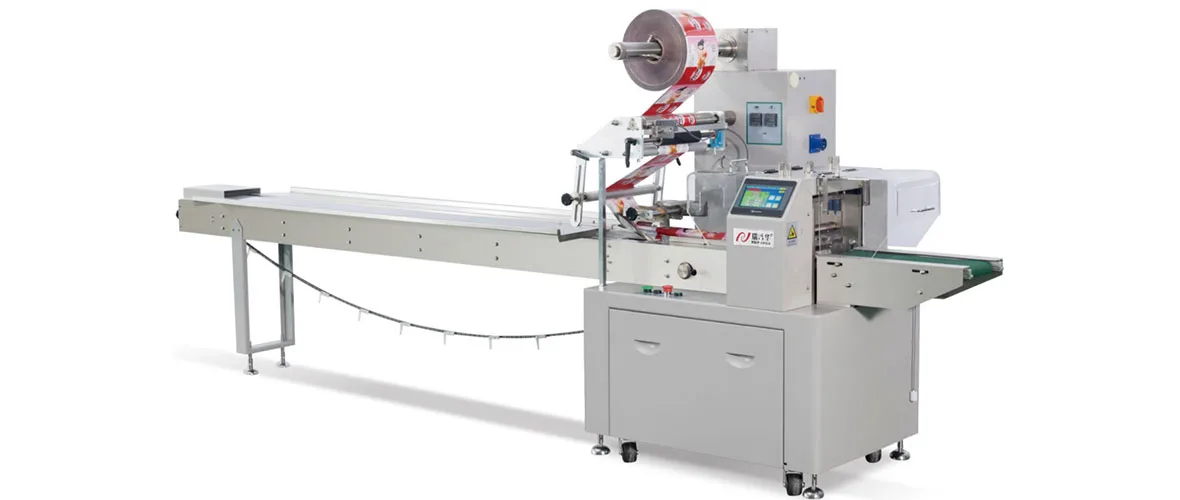
Automated flow wrap packing machines, on the other hand, leverage advanced technology to automate the entire packaging process. These machines feature:
High Throughput: Automation enables faster packaging speeds, significantly increasing productivity.
Precision Packaging: Embedded sensors and programmable logic controllers ensure consistent packaging dimensions, sealing quality, and label placement.
Improved Ergonomics: Automated machines eliminate the need for manual handling, minimizing the risk of repetitive strain injuries.
Assessing the Advantages
Comparing manual vs. automated flow wrap packing machines reveals several key advantages of automation:
Increased Productivity: Automated machines can increase throughput by up to 500%, boosting production efficiency.
Reduced Labor Costs: Automation eliminates the need for manual labor, freeing up workers for more value-added tasks.
Improved Product Quality: Consistent packaging enhances product presentation and reduces the likelihood of damage during transit.
Enhanced Safety: Automated machines minimize human interaction with sharp objects and moving parts, ensuring a safer work environment.
Conclusion
The choice between manual and automated flow wrap packing machines hinges on factors such as production volume, product characteristics, and budget constraints. While manual machines offer low initial investment, automated machines provide superior productivity, precision, and safety. As businesses navigate the evolving packaging landscape, embracing automated solutions becomes increasingly imperative to drive efficiency, reduce costs, and deliver exceptional products to discerning customers.

-
01
How do I choose the right speed for a toas bread packaging line to avoid crushing soft loaves?
22-06-2026 -
 02
02Packaging Machinery: Beyond Sealing, Driving an Efficient, Smart, and Sustainable Future
21-01-2026 -
 03
03Automatic Tray Loading and Packaging Equipment: Boost Efficiency to 160 Bags/Minute
21-11-2025 -
 04
04Automatic Soap Packaging Machine: Boost Productivity with 99% Qualification Rate
21-11-2025 -
 05
05A Deep Dive into Automatic Toast Processing and Packaging System
18-11-2025 -
06
The Future of Bakery Production: Automated Toast Processing and Packaging System
18-11-2025 -
 07
07Reliable Food Packaging Solutions with China Bread, Candy, and Biscuit Machines
11-10-2025 -
 08
08High-Performance Automated Food Packaging Equipment for Modern Production
11-10-2025 -
09
Reliable Pillow Packing Machines for Efficient Packaging Operations
11-10-2025 -
 10
10Advanced Fully Automatic Packaging Solutions for Efficient Production
11-10-2025
