

Choosing the Best Materials for Toast Bread Packaging
Choosing the Best Materials for Toast Bread Packaging: A Crustal Conundrum
In the labyrinthine realm of packaging, the humble toast bread loaf stands as a beacon of breakfast bliss. However, behind its golden-brown facade lies a complex tapestry of materials that determine its freshness, appeal, and environmental impact.
Paper: The Traditional Guardian
Paper, a stalwart in the bread packaging arena, offers several advantages. Its low cost and recyclability make it a sustainable option. Furthermore, it provides ample printing space for branding and nutritional information. However, paper’s susceptibility to moisture and punctures can compromise bread integrity.
Plastic: A Durable Shield
Plastic, in its various forms, offers superior protection from external elements. Polyethylene (PE) and polypropylene (PP) are commonly used for their flexibility, transparency, and ability to withstand heat. However, plastic’s non-biodegradability raises environmental concerns.
Biodegradable Alternatives: A Greener Path
As environmental consciousness grows, biodegradable materials are gaining traction. Cornstarch-based films, cellulose-derived wrappers, and paperboard offer sustainable solutions. These materials decompose naturally, reducing landfill accumulation and promoting circularity.
Metallized Films: A Premium Touch
Metallized films combine the durability of plastic with the aesthetic appeal of metal. They provide an elegant and tamper-proof barrier, enhancing product shelf life and presentation. However, their higher cost and potential for environmental impact should be considered.
Hybrid Solutions: The Best of Both Worlds
Hybrid materials, such as paperboard laminated with plastic or aluminum, offer a synergistic blend of properties. They provide enhanced protection, branding opportunities, and recyclability while reducing the reliance on non-biodegradable components.
Choosing the Perfect Fit
The optimal packaging material depends on various factors, including:
Product type and moisture content
Shelf life and storage conditions
Environmental impact and sustainability goals
Consumer preferences and marketing strategies
Conclusion
Selecting the best materials for toast bread packaging involves a careful balancing of functionality, aesthetics, and environmental responsibility. By understanding the available options and considering specific requirements, manufacturers can create packaging that elevates the breakfast experience while ensuring freshness, appeal, and sustainability.

-
01
How do I choose the right speed for a toas bread packaging line to avoid crushing soft loaves?
22-06-2026 -
 02
02Packaging Machinery: Beyond Sealing, Driving an Efficient, Smart, and Sustainable Future
21-01-2026 -
 03
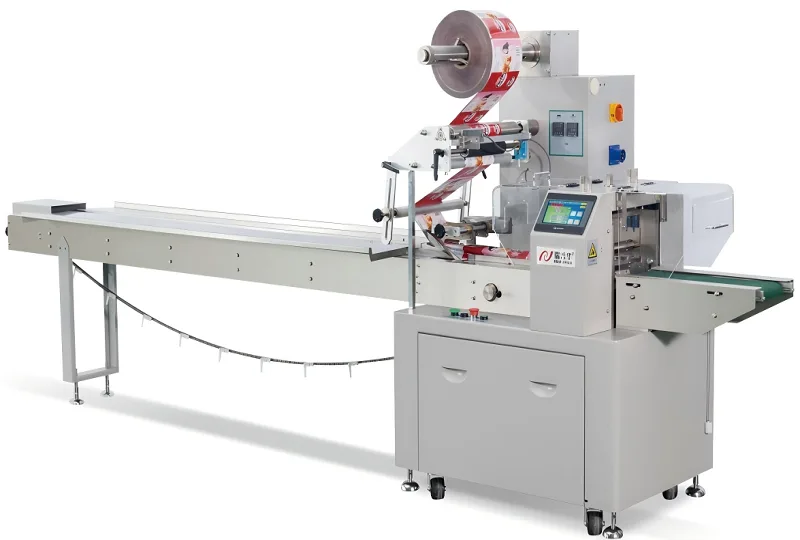
03Automatic Tray Loading and Packaging Equipment: Boost Efficiency to 160 Bags/Minute
21-11-2025 -
 04
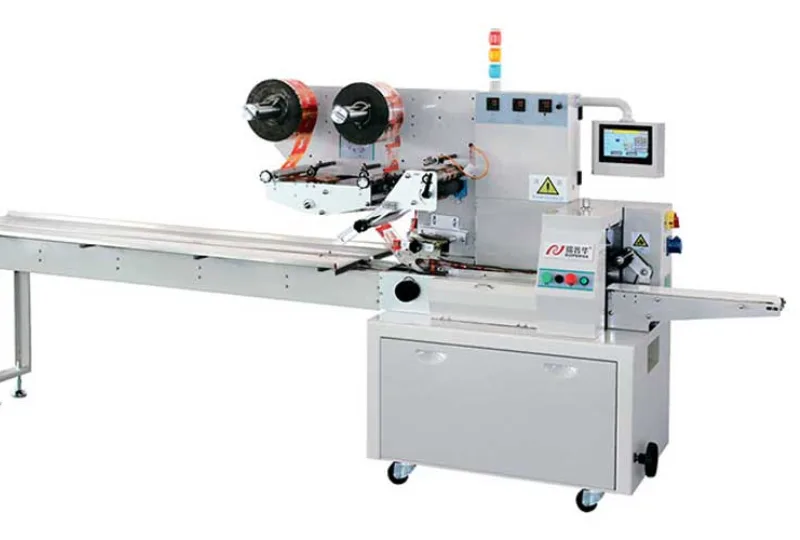
04Automatic Soap Packaging Machine: Boost Productivity with 99% Qualification Rate
21-11-2025 -
 05
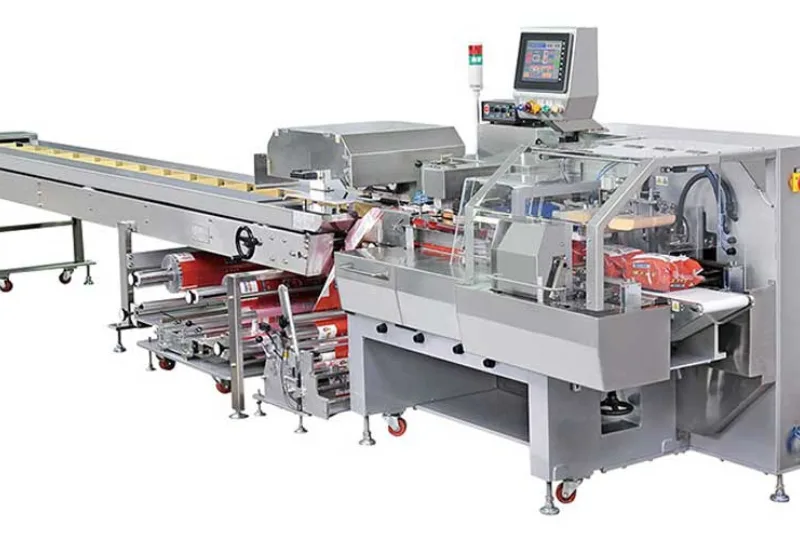
05A Deep Dive into Automatic Toast Processing and Packaging System
18-11-2025 -
06
The Future of Bakery Production: Automated Toast Processing and Packaging System
18-11-2025 -
 07
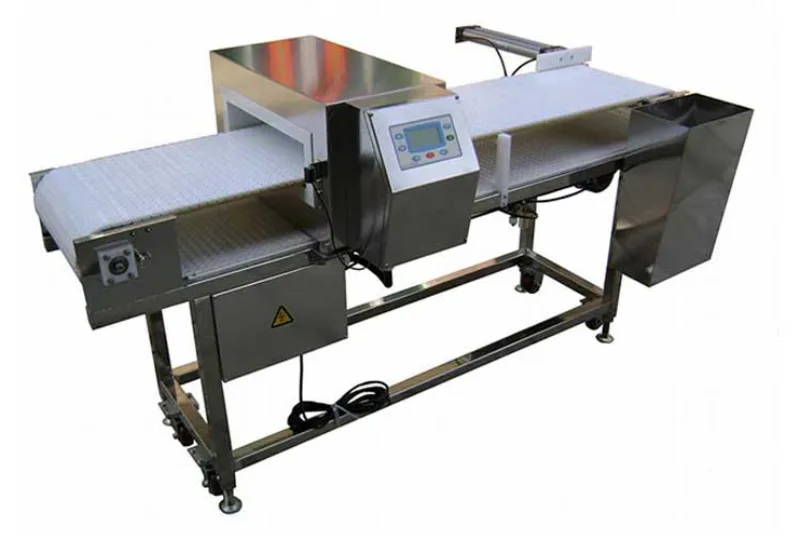
07Reliable Food Packaging Solutions with China Bread, Candy, and Biscuit Machines
11-10-2025 -
 08
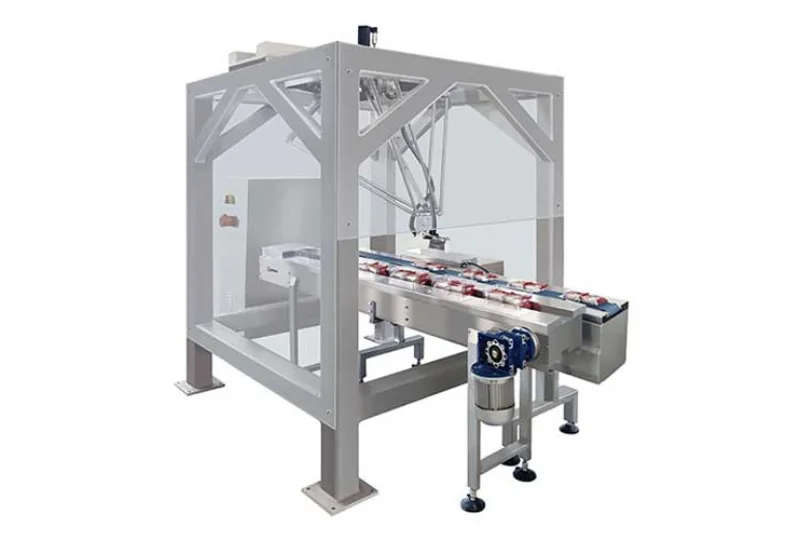
08High-Performance Automated Food Packaging Equipment for Modern Production
11-10-2025 -
09
Reliable Pillow Packing Machines for Efficient Packaging Operations
11-10-2025 -
 10
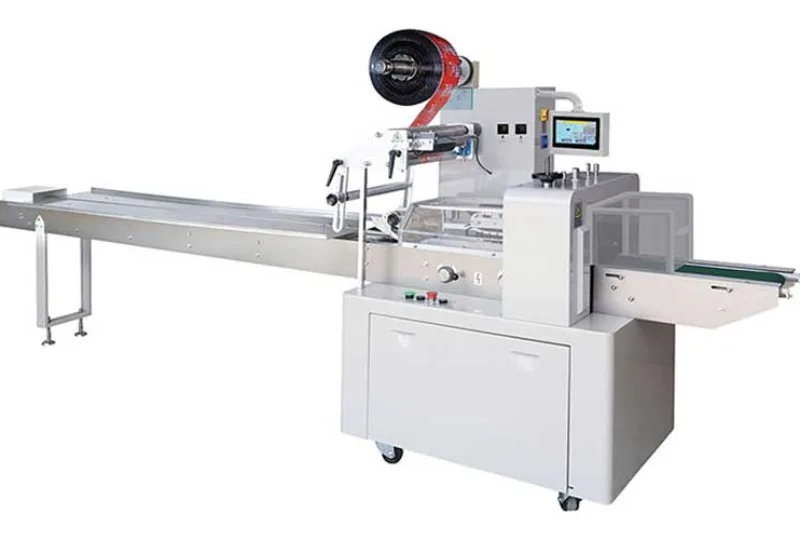
10Advanced Fully Automatic Packaging Solutions for Efficient Production
11-10-2025
