

Are there energy-saving upgrades for this wafer packaging system?
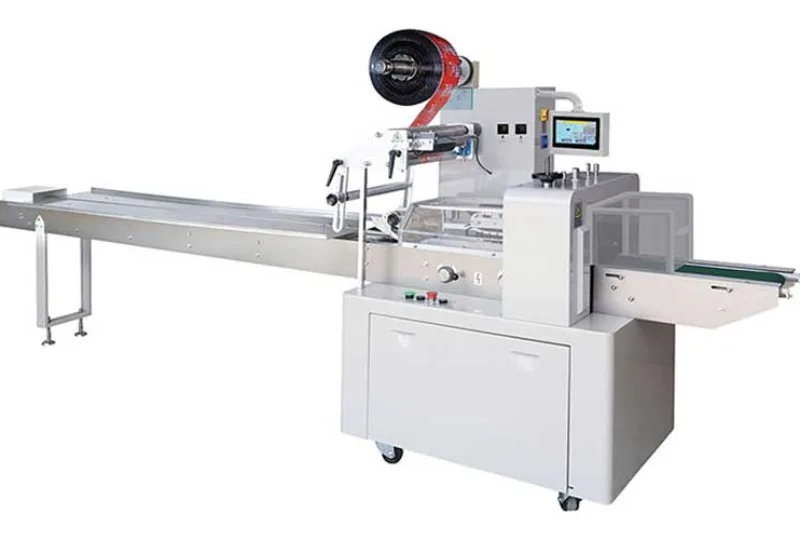
Yes, the wafer packaging system supports energy-saving upgrades through advanced multi-axis servo drive controls, high-response brushless motors, and closed-loop film tension management. Additionally, the integration of Industry 4.0-ready features allows for remote monitoring and real-time data logging to optimize energy consumption and minimize downtime.
Core Solutions & Key Takeaways
- Multi-Axis Servo Control: Replacing traditional mechanical drive components with a 3-servo, 4-servo, or full-servo architecture reduces kinetic energy loss and operational power consumption.
- Closed-Loop Film Tension: Integrating dancer rollers and servo-driven tension systems minimizes resistance, optimizing motor load and reducing power demand during continuous film feeding.
- Preheated Sealing Design: The longitudinal seal preheating device ensures stable heating cycles for composite films (OPP, CPP, PET/Alu/PE), reducing heat dissipation and power fluctuations.
- Automation and Monitoring: Fully automatic configurations use PLC systems and photoelectric sensors to synchronize feeding and sealing, which cuts material waste and limits energy surges caused by unscheduled stoppages.
Detailed Architectural/Principle Analysis
Modern wafer packaging lines require high precision and thermal consistency to handle delicate, heat-sensitive chocolate or cream layers. Transitioning from semi-automatic or dual-frequency configurations to a full-servo system directly reduces energy usage. Low-inertia, high-response AC brushless servo motors (equipped with 10,000 pulses/rev encoders) draw electrical current proportionally to actual load requirements, avoiding the constant peak consumption typical of fixed-speed mechanical drives.
The heating systems represent another primary area for energy optimization. The longitudinal and cross-sealing mechanisms utilize integrated preheating assemblies and precise temperature controllers. By maintaining a narrow, highly regulated thermal band, the system avoids thermal spikes, cutting heating element power consumption. To maintain high output without thermal drift, the machine operates continuously with single, twin, or box-motion rotary jaws depending on the required packaging speeds, which range from 30 to over 350 packs per minute.
In high-volume operations, such as the chocolate pie cake packaging systems implemented for Orion across its plants in China and Vietnam, these efficiency technologies are paired with centralized KingSCADA monitoring software. This integration enables real-time tracking of motor load and energy profiles, allowing operators to adjust parameters through the HMI color touch screen to prevent excessive idle power draw during downstream delays.
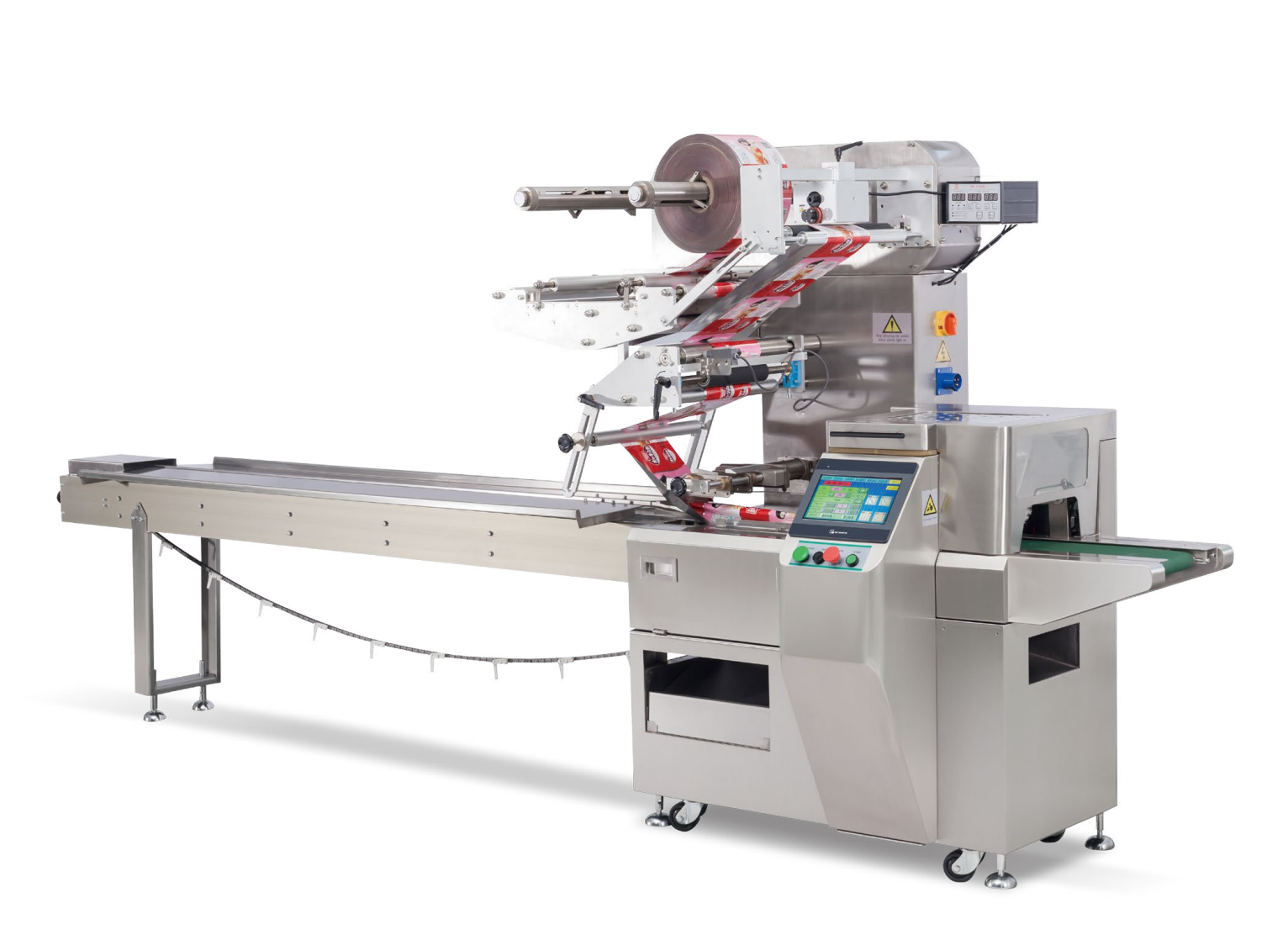
To prevent energy losses from constant starting and stopping, the system offers an optional automatic film splicer (zero-speed or flying splice). This allows the operator to change film reels without stopping the machine, maintaining thermal and kinetic inertia. The entire structural line is constructed with food-grade AISI 304 stainless steel, which provides high rigidity to absorb vibrations, ensuring the motor drives operate under minimal friction load.
Data/Solution Comparison
The following table outlines the technical differences, speeds, and power requirements across different model configurations of the wafer packaging system:
| Model Class | Speed (ppm) | Installed Power (kW) | Servo Axes Configuration | Best Application Scenario |
|---|---|---|---|---|
| Entry / Mini | 30 – 90 | 3 – 5 | 2-servo / dual frequency | Artisanal bakery, small wafer biscuit packaging, low-volume batches |
| Mid-range | 100 – 200 | 5 – 8 | 3-servo (standard) | Industrial wafer bars, creamed wafers, medium-scale snack plants |
| High-speed (full servo) | 200 – 350+ | 8 – 12 | 4-servo + servo reel tension | Mass production, multi-lane continuous flow lines, 24/7 operations |
Frequently Asked Questions (FAQ)
How does the servo drive control save electricity compared to mechanical systems?
Servo systems distribute power via independent AC brushless motors controlled by a master PLC via EtherCAT or CANopen protocols. Unlike centralized mechanical drives that run a single large motor at full power continuously, servo motors consume energy only when specific axes (film feed, cross seal, or infeed) are in motion, saving up to 30% on idle energy draw.
Are there energy-saving benefits to using the automatic film splicer?
Yes. The automatic splicer enables seamless film roll transitions without halting the line. Stopping and restarting a packaging machine requires significant heating energy to stabilize the sealing jaws and extra electrical power to overcome kinetic inertia. Constant running prevents these energy surges.
How do temperature control upgrades reduce power consumption?
The system uses preheating devices on the longitudinal seal assembly and precise closed-loop PLC temperature regulation. This prevents thermal overshoot and allows the sealing jaws to maintain consistent heat using lower, steady-state currents, rather than high-power pulses.
Final Conclusion & Recommendations
For factories seeking to minimize energy consumption and labor costs, investing in a high-speed, full-servo wafer packaging system is highly effective. Transitioning from manual handling to an automated flow wrap system with integrated feeding lines can replace 5 to 10 workers per shift while securing consistent sealing quality. The equipment runs on standard 220V/380V/400V 3-phase power, with total installed loads ranging from 3 to 12 kW depending on operational capacity. Under standard manufacturing and OEM terms, the minimum order quantity is 1 set, with a delivery timeline of 20 working days. Quality verification is managed through detailed testing with product samples, and logistics supports sea, air, rail, and road freight. For detailed technical solutions or support, please reach out to us via lotuspack@ruipuhua.com.
About Us
Foshan Ruipuhua Machinery Equipment Co. Ltd (brand name RUIPUHUA) is a leading Chinese manufacturer of intelligent packaging machinery founded in 2005. Operating from a modern 50,000 square meter production facility in Nanhai Economic Development Zone, Foshan, Guangdong, the company employs over 300 personnel, achieving an annual output value of approximately 300 million RMB. The manufacturer has built an R&D center staffed by senior engineers with 10–15 years of automation experience, delivering synchronized automatic feeding, packaging, cartoning, and collaborative palletizing lines. All equipment is CE certified under certificate number M.2024.206.C107511, and the company has served global brands including Orion, Mondelez, Lay’s, Mayora, and Bimbo across food, bakery, biscuit, and pharmaceutical sectors in over 100 countries.

-
01
How do I choose the right speed for a toas bread packaging line to avoid crushing soft loaves?
22-06-2026 -
 02
02Packaging Machinery: Beyond Sealing, Driving an Efficient, Smart, and Sustainable Future
21-01-2026 -
 03
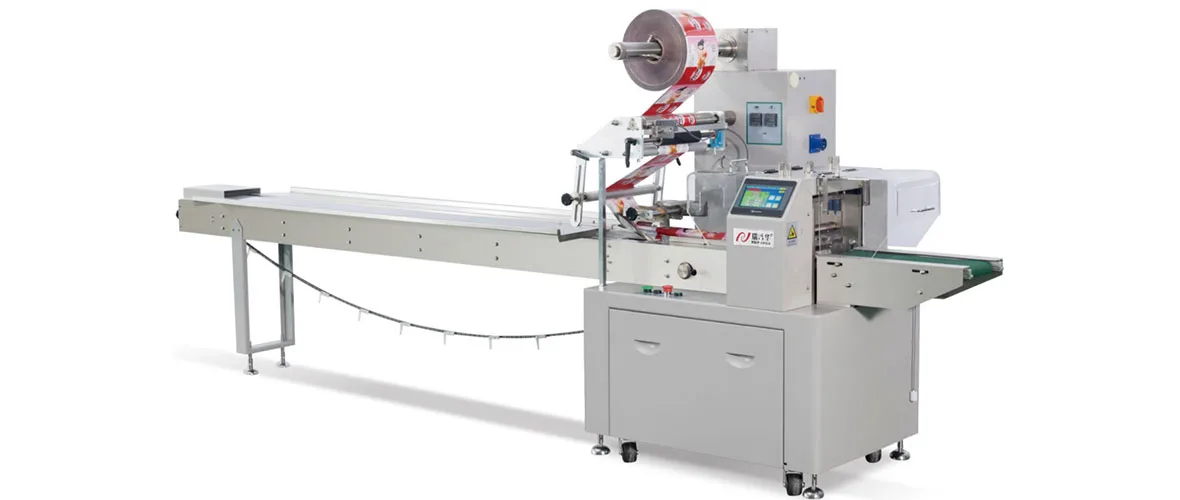
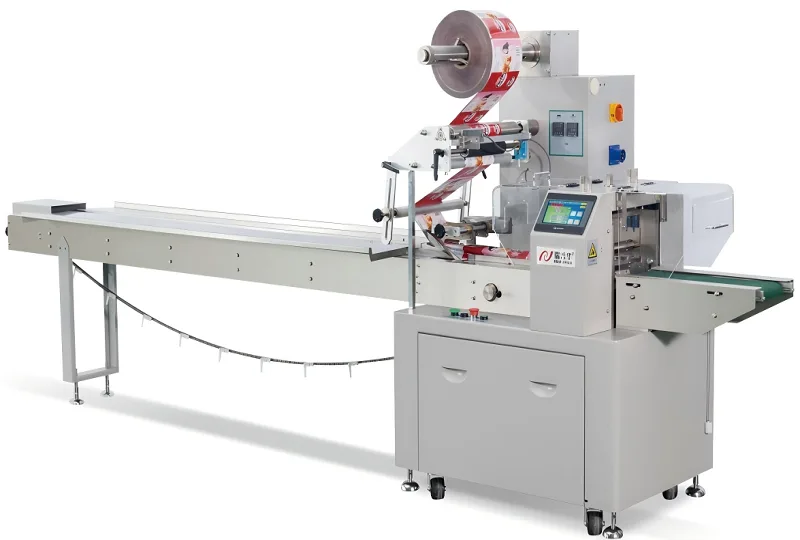
03Automatic Tray Loading and Packaging Equipment: Boost Efficiency to 160 Bags/Minute
21-11-2025 -
 04
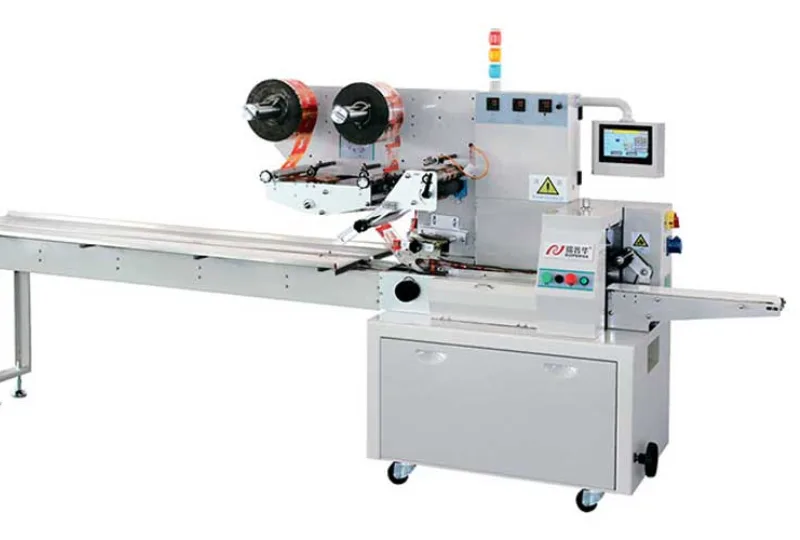
04Automatic Soap Packaging Machine: Boost Productivity with 99% Qualification Rate
21-11-2025 -
 05
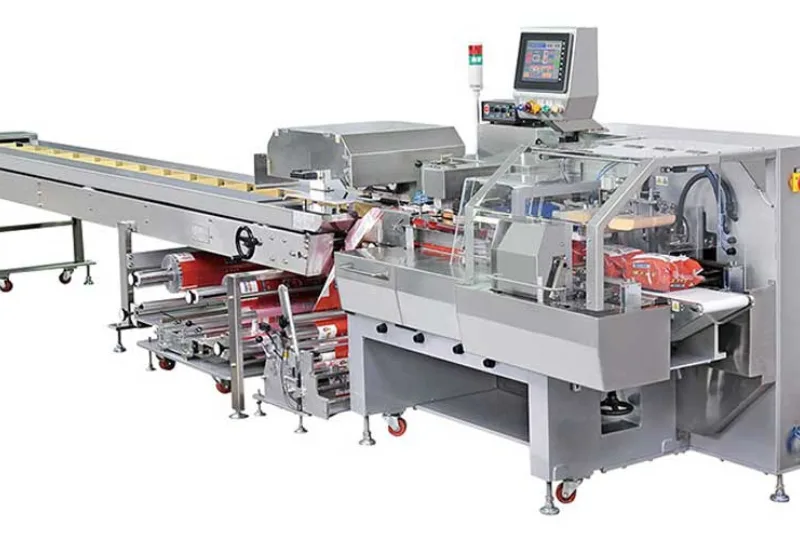
05A Deep Dive into Automatic Toast Processing and Packaging System
18-11-2025 -
06
The Future of Bakery Production: Automated Toast Processing and Packaging System
18-11-2025 -
 07
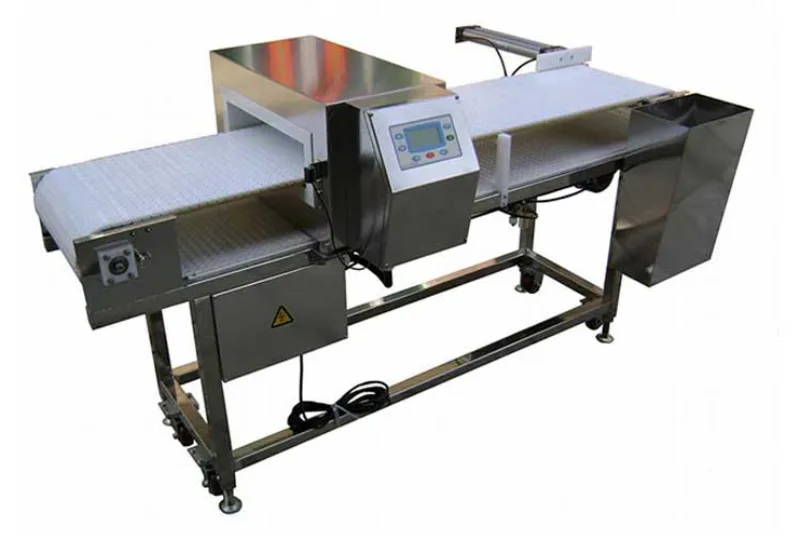
07Reliable Food Packaging Solutions with China Bread, Candy, and Biscuit Machines
11-10-2025 -
 08
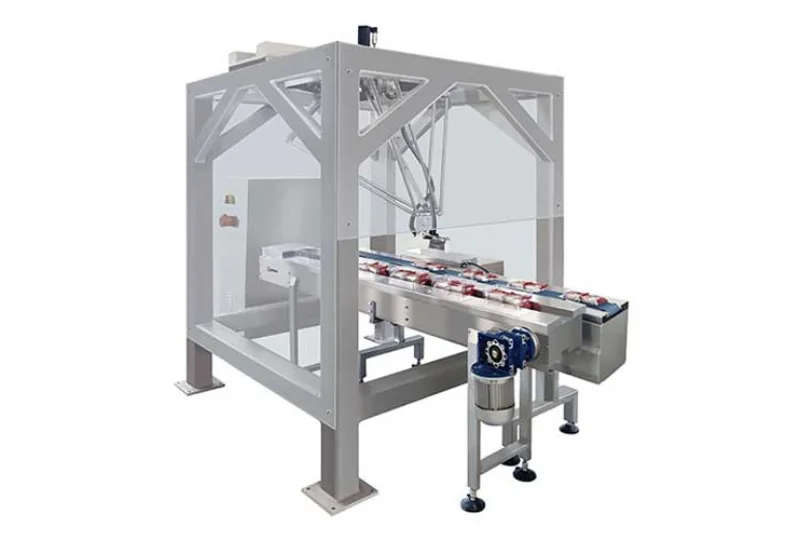
08High-Performance Automated Food Packaging Equipment for Modern Production
11-10-2025 -
09
Reliable Pillow Packing Machines for Efficient Packaging Operations
11-10-2025 -
 10
10Advanced Fully Automatic Packaging Solutions for Efficient Production
11-10-2025
