

Best Practices for Operating and Maintaining Wafer Packaging Lines
In the competitive semiconductor industry, wafer packaging plays a critical role in ensuring product quality and device performance. Implementing best practices for operating and maintaining wafer packaging lines is crucial for maximizing efficiency, minimizing defects, and maintaining high-yield operations. This article explores the essential elements of such best practices, providing a comprehensive guide for optimizing wafer packaging lines.
Process Control
Standard Operating Procedures (SOPs): Establishing and adhering to clear and concise SOPs for all aspects of packaging operations is essential for consistency and repeatability. SOPs should cover equipment setup, process parameters, and inspection protocols.
Process Validation: Validating packaging processes regularly ensures that they consistently meet specified requirements. This involves monitoring key performance indicators (KPIs), such as yield, throughput, and defect rates, and making adjustments as necessary.
Equipment Maintenance
Regular Inspections and Preventive Maintenance: Regular inspections of packaging equipment can detect potential problems early and prevent costly breakdowns. Preventive maintenance, such as cleaning, lubrication, and parts replacement, helps ensure equipment reliability and optimal performance.
Calibration and Monitoring: Periodic calibration of equipment is crucial to maintain accuracy and prevent deviations from specifications. Equipment monitoring systems can provide real-time data on equipment performance and identify anomalies.
Material Handling
Proper Storage and Inventory Management: Sensitive packaging materials, such as wafers and leadframes, require proper storage conditions to prevent damage or contamination. Implementing an effective inventory management system ensures timely availability of materials and minimizes waste.
ESD Protection: Wafer packaging involves handling static-sensitive devices (SSDs). Implementing proper electrostatic discharge (ESD) protection measures, such as grounding and using anti-static materials, is essential to prevent damage to SSDs.
Quality Control
In-Process Inspections: Conducting thorough in-process inspections at various stages of the packaging process is crucial for identifying defects early and preventing them from propagating downstream.
Final Inspection and Testing: Final inspection and testing of packaged wafers ensures that they meet electrical, mechanical, and aesthetic specifications. This includes functional testing, visual inspection, and dimensional measurements.
Environmental Control
Cleanroom Environment: Establishing and maintaining a cleanroom environment is critical for wafer packaging, as it minimizes the risk of contamination and defects. Regular cleaning and filtration of the air and surfaces helps ensure a particle-free environment.
Temperature and Humidity Control: Packaged wafers are sensitive to temperature and humidity variations. Maintaining stable environmental conditions within specified limits is essential for preserving their integrity and performance.
Continuous Improvement
Process Monitoring and Data Analysis: Regularly monitoring and analyzing packaging process data can identify areas for improvement. Using statistical process control (SPC) techniques can help prevent defects and optimize performance.
Supplier Collaboration: Establishing strong partnerships with suppliers of materials and equipment can facilitate knowledge sharing, technical support, and continuous improvement initiatives.

-
01
How do I choose the right speed for a toas bread packaging line to avoid crushing soft loaves?
22-06-2026 -
 02
02Packaging Machinery: Beyond Sealing, Driving an Efficient, Smart, and Sustainable Future
21-01-2026 -
 03
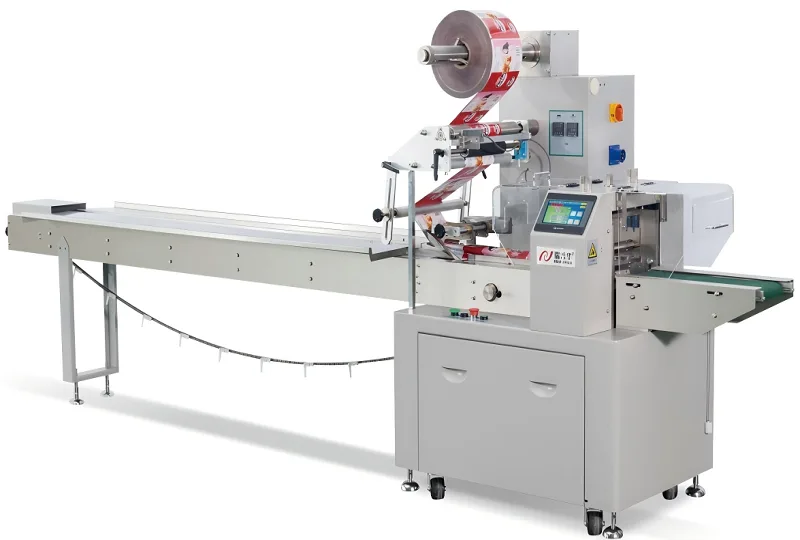
03Automatic Tray Loading and Packaging Equipment: Boost Efficiency to 160 Bags/Minute
21-11-2025 -
 04
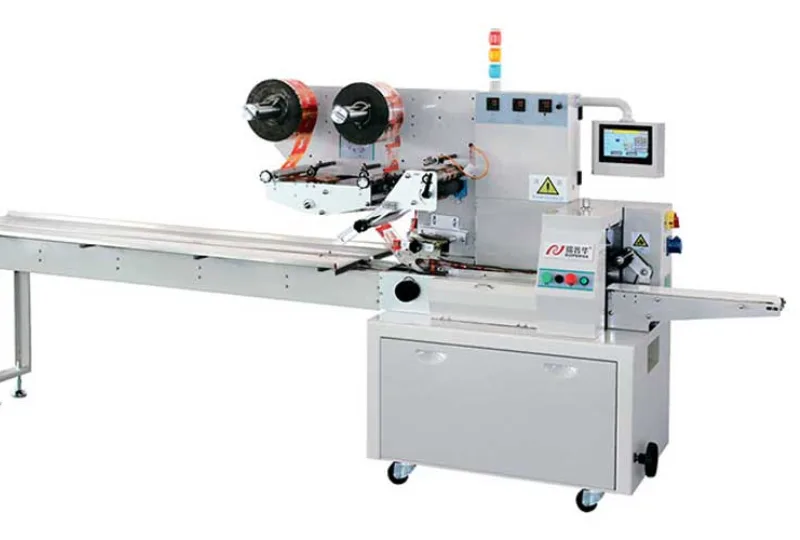
04Automatic Soap Packaging Machine: Boost Productivity with 99% Qualification Rate
21-11-2025 -
 05
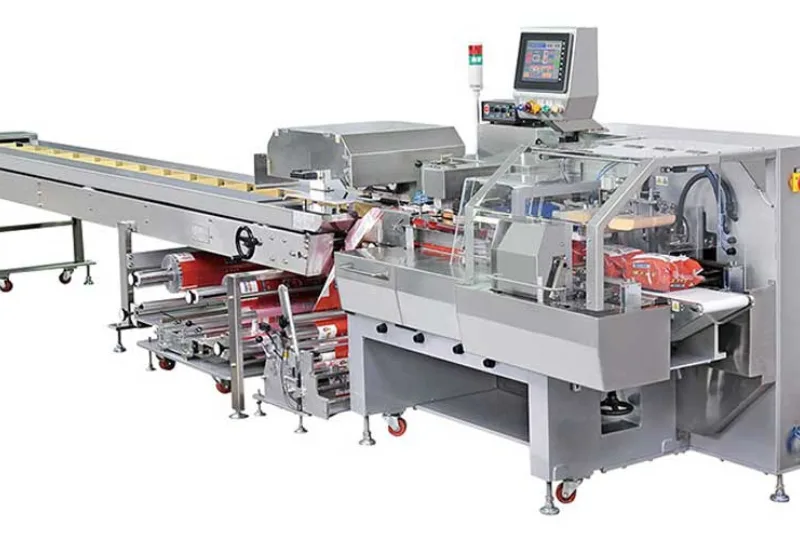
05A Deep Dive into Automatic Toast Processing and Packaging System
18-11-2025 -
06
The Future of Bakery Production: Automated Toast Processing and Packaging System
18-11-2025 -
 07
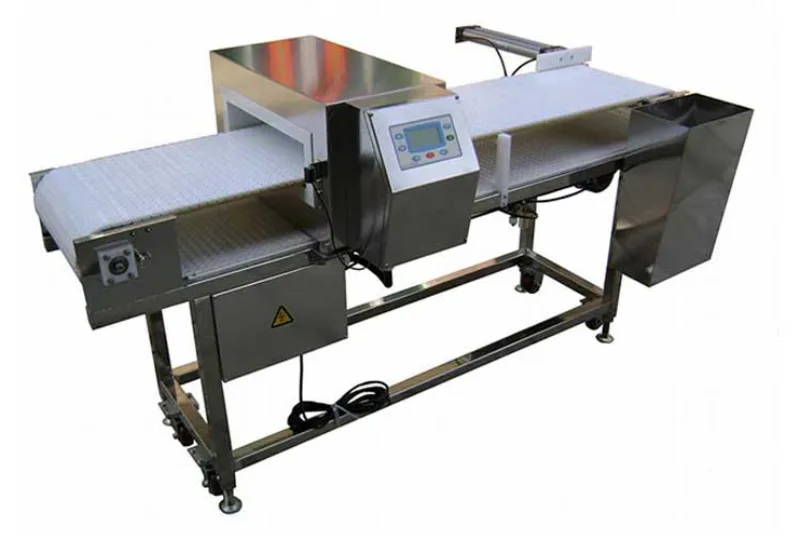
07Reliable Food Packaging Solutions with China Bread, Candy, and Biscuit Machines
11-10-2025 -
 08
08High-Performance Automated Food Packaging Equipment for Modern Production
11-10-2025 -
09
Reliable Pillow Packing Machines for Efficient Packaging Operations
11-10-2025 -
 10
10Advanced Fully Automatic Packaging Solutions for Efficient Production
11-10-2025
