

Case Studies- Successful Implementations of Bread Packaging Machines
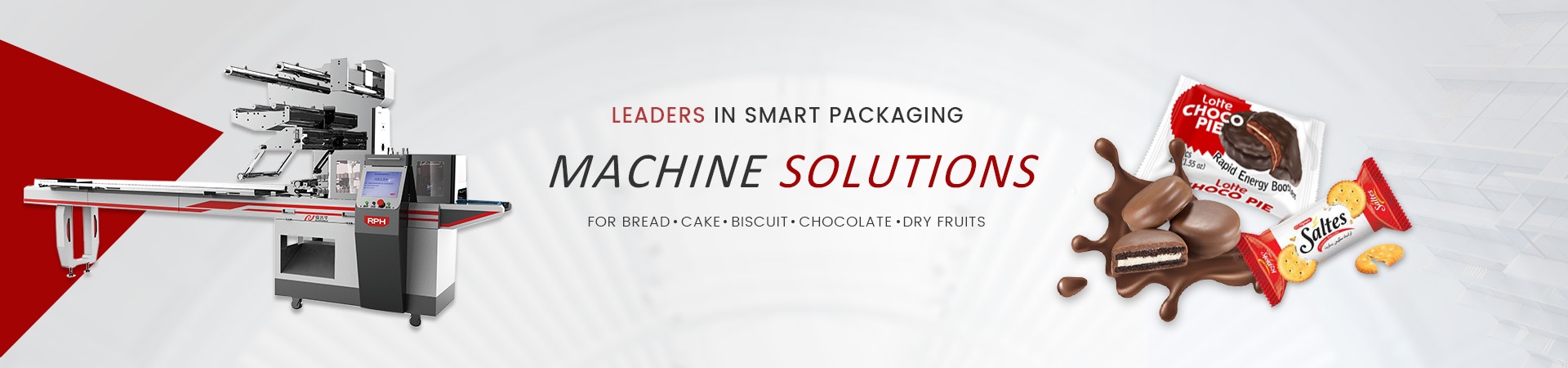
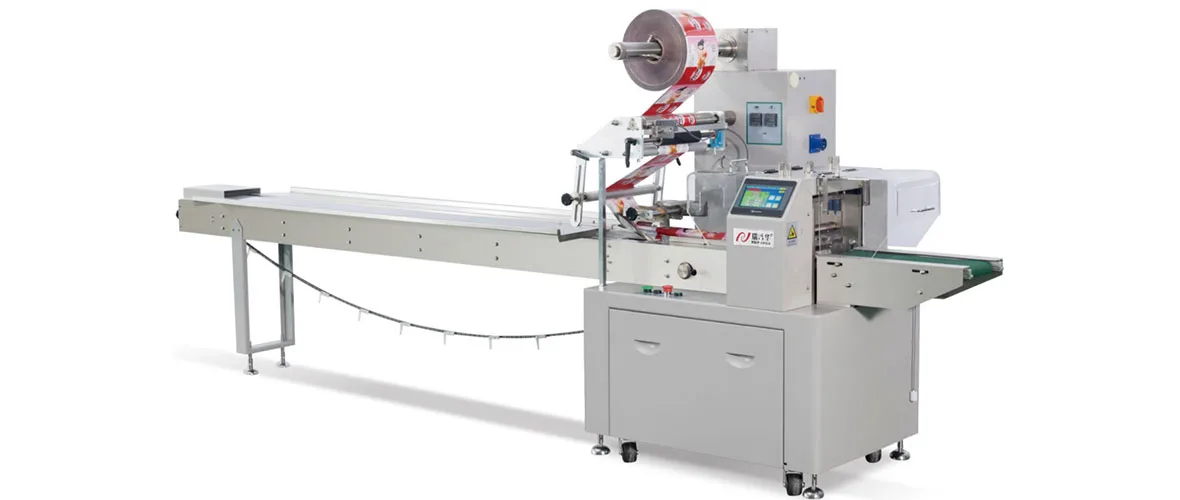
In the competitive landscape of the food industry, automation has become paramount to streamline operations, enhance efficiency, and maintain high product quality. Among the essential equipment in a modern bakery, bread packaging machines play a pivotal role in ensuring the freshness, hygiene, and extended shelf life of bread products. This article presents case studies that showcase successful implementations of bread packaging machines, highlighting their benefits and the transformative impact they have had on bakeries worldwide.
Increased Production Efficiency
One of the most significant advantages of bread packaging machines is their ability to significantly increase production efficiency. Automated packaging lines eliminate manual labor and repetitive tasks, allowing bakeries to allocate resources to other value-adding activities. The machines operate at high speeds, consistently sealing and packaging loaves of bread with precision. By reducing labor costs and minimizing downtime, bakeries can meet growing demand while maximizing profitability.
Improved Product Quality
Bread packaging machines not only enhance efficiency but also contribute to improved product quality. The machines create airtight seals that prevent oxygen exposure, thus preserving the freshness and flavor of bread products. Advanced packaging technologies, such as modified atmosphere packaging (MAP), can further extend shelf life by regulating the gaseous environment within the package. This helps prevent spoilage and reduces waste, ensuring that consumers receive high-quality bread.
Reduced Labor Costs
The implementation of bread packaging machines leads to substantial reductions in labor costs. Automated packaging lines replace manual labor, eliminating the need for large numbers of employees to perform repetitive tasks. This frees up bakery staff to focus on other essential operations, such as product development, quality control, and customer service. Consequently, bakeries can optimize their workforce and allocate resources more effectively.
Enhanced Hygiene and Safety
Maintaining high levels of hygiene and safety is essential in the food industry. Bread packaging machines contribute to a cleaner and safer production environment by minimizing human contact with products. Automated packaging processes reduce the risk of contamination and ensure that bread loaves are handled and packaged in a hygienic manner. Additionally, the machines can be easily sanitized and maintained, promoting a clean and sanitary work area.
Flexibility and Adaptation
Modern bread packaging machines offer a high degree of flexibility and can be adapted to various production requirements. They can handle different types of bread loaves, including sliced, unsliced, and specialty bread. Advanced machines feature adjustable settings, allowing bakeries to customize packaging parameters such as sealing temperature and belt speed. This flexibility enables bakeries to respond quickly to changing market demands and tailor their packaging to specific customer needs.
Conclusion
Case studies of successful bread packaging machine implementations provide compelling evidence of the transformative impact these machines have on bakeries. By increasing production efficiency, improving product quality, reducing labor costs, enhancing hygiene and safety, and offering flexibility, bread packaging machines empower bakeries to optimize operations, meet consumer expectations, and maintain a competitive edge in the market. As the demand for convenient and high-quality bread products continues to grow, the adoption of these machines will remain crucial for the success of the baking industry.

-
01
How do I choose the right speed for a toas bread packaging line to avoid crushing soft loaves?
22-06-2026 -
 02
02Packaging Machinery: Beyond Sealing, Driving an Efficient, Smart, and Sustainable Future
21-01-2026 -
 03
03Automatic Tray Loading and Packaging Equipment: Boost Efficiency to 160 Bags/Minute
21-11-2025 -
 04
04Automatic Soap Packaging Machine: Boost Productivity with 99% Qualification Rate
21-11-2025 -
 05
05A Deep Dive into Automatic Toast Processing and Packaging System
18-11-2025 -
06
The Future of Bakery Production: Automated Toast Processing and Packaging System
18-11-2025 -
 07
07Reliable Food Packaging Solutions with China Bread, Candy, and Biscuit Machines
11-10-2025 -
 08
08High-Performance Automated Food Packaging Equipment for Modern Production
11-10-2025 -
09
Reliable Pillow Packing Machines for Efficient Packaging Operations
11-10-2025 -
 10
10Advanced Fully Automatic Packaging Solutions for Efficient Production
11-10-2025
