

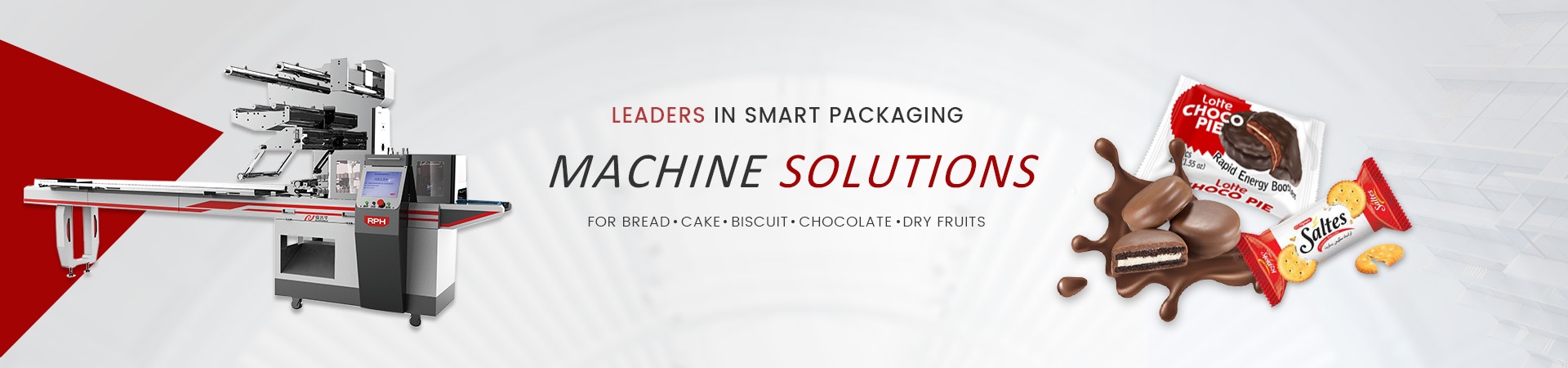
Case Studies- Successful Implementations of Protein Bar Packing Machines
The protein bar industry has experienced a surge in recent years, driven by the growing demand for convenient, high-protein snacks. As a result, manufacturers are seeking innovative and efficient packaging solutions to meet the needs of this rapidly evolving market. Case Studies: Successful Implementations of Protein Bar Packing Machines provides valuable insights into the successful implementation of protein bar packing machines, offering valuable lessons and best practices for businesses seeking to optimize their packaging operations.
Key Considerations for Successful Implementations
Before implementing a protein bar packing machine, it is crucial to consider several key factors, including:
Product characteristics: The type of protein bar being packaged plays a significant role in selecting the appropriate machine. Factors such as bar size, shape, consistency, and fragility must be taken into account to ensure optimal packaging performance.
Packaging requirements: The desired packaging format, whether it be single-serve, multi-pack, or bulk, will influence the choice of packing machine. Additional features, such as resealable closures or tamper-evident seals, may also need to be considered.
Production volume: The anticipated production volume will determine the capacity and speed of the packing machine required. High-volume production lines may necessitate specialized machinery with advanced automation features.
Space constraints: The available production space will limit the size and configuration of the packing machine. Compact designs that maximize space utilization while maintaining efficiency are ideal for smaller facilities.
Proven Success Stories
Numerous manufacturers worldwide have successfully implemented protein bar packing machines to enhance their production efficiency. One notable example is a leading protein bar manufacturer in North America. This company faced challenges in meeting increasing demand with manual packaging processes. By implementing a fully automated protein bar packing machine, they were able to significantly increase their production capacity, reduce labor costs, and improve product quality.
Another success story involves a European protein bar manufacturer. This company required a versatile machine capable of handling multiple bar sizes and packaging formats. They opted for a modular protein bar packing machine that allowed for easy customization and rapid changeovers. This flexibility enabled them to accommodate the diverse product line and respond quickly to market demands.
Benefits of Implementing Protein Bar Packing Machines
The successful implementation of protein bar packing machines offers numerous benefits for manufacturers, including:
Increased production efficiency: Automated packing machines significantly increase production speed and consistency, allowing manufacturers to meet higher production demands with fewer labor resources.
Enhanced product quality: Machines ensure precise filling, sealing, and packaging, eliminating human error and minimizing product defects.
Reduced labor costs: Automated packing machines free up labor for more value-added tasks, reducing overall labor costs and improving profitability.
Improved hygiene and food safety: Machines eliminate direct human contact with the product, minimizing the risk of contamination and ensuring food safety standards are met.
Increased flexibility: Modular and configurable machines allow for the packaging of multiple products and formats, providing greater production flexibility and adaptability to changing market demands.

-
01
How do I choose the right speed for a toas bread packaging line to avoid crushing soft loaves?
22-06-2026 -
 02
02Packaging Machinery: Beyond Sealing, Driving an Efficient, Smart, and Sustainable Future
21-01-2026 -
 03
03Automatic Tray Loading and Packaging Equipment: Boost Efficiency to 160 Bags/Minute
21-11-2025 -
 04
04Automatic Soap Packaging Machine: Boost Productivity with 99% Qualification Rate
21-11-2025 -
 05
05A Deep Dive into Automatic Toast Processing and Packaging System
18-11-2025 -
06
The Future of Bakery Production: Automated Toast Processing and Packaging System
18-11-2025 -
 07
07Reliable Food Packaging Solutions with China Bread, Candy, and Biscuit Machines
11-10-2025 -
 08
08High-Performance Automated Food Packaging Equipment for Modern Production
11-10-2025 -
09
Reliable Pillow Packing Machines for Efficient Packaging Operations
11-10-2025 -
 10
10Advanced Fully Automatic Packaging Solutions for Efficient Production
11-10-2025
