

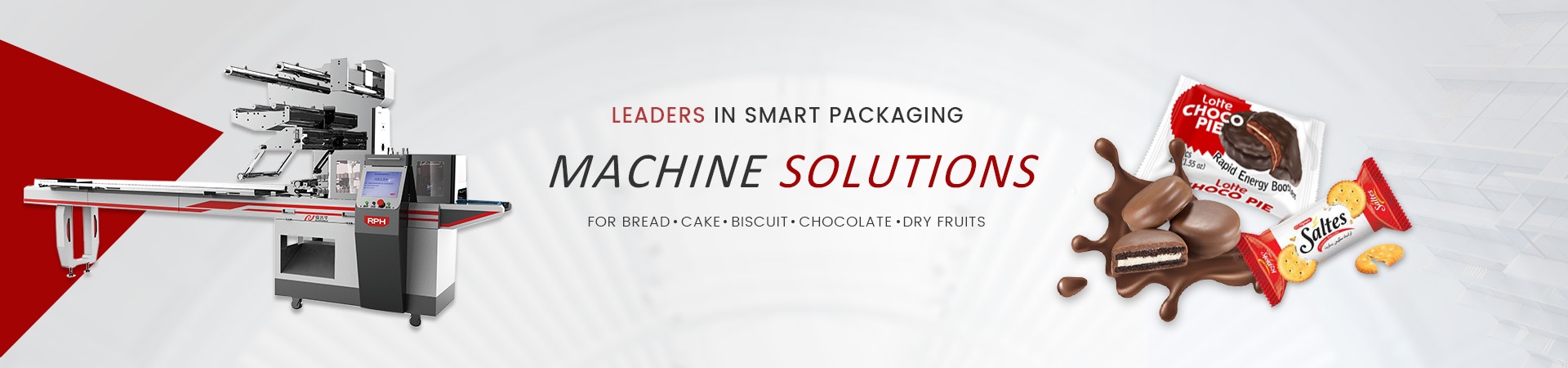
Comparing Manual vs. Automatic Protein Bar Packaging Machines
Comparing Manual vs. Automatic Protein Bar Packaging Machines: A Battle of Precision and Efficiency
In the highly competitive protein bar industry, every second and every penny count. Protein bar packaging plays a crucial role in ensuring product freshness, shelf life, and consumer appeal. Choosing the right packaging machine can significantly impact your production efficiency and profitability. This article aims to shed light on the key differences between manual and automatic protein bar packaging machines and help manufacturers make an informed decision that meets their specific needs.
Manual Protein Bar Packaging Machines:
Manual machines require human operators to perform the packaging process. They are typically smaller, more affordable, and suitable for small-scale production runs.
Advantages:
Low upfront investment: Manual machines are more economical than automatic machines.
Flexibility: They can handle a wider range of bar sizes and shapes, making them suitable for short production runs.
Lower maintenance costs: Manual machines have fewer moving parts, resulting in lower maintenance expenses.
Disadvantages:
Slower speed: Manual packaging is time-consuming and limits production capacity.
Error-prone: Human error can lead to inconsistencies in packaging quality and sealing.
Physical strain: Manual operation can cause fatigue and potential injuries for operators.
Automatic Protein Bar Packaging Machines:
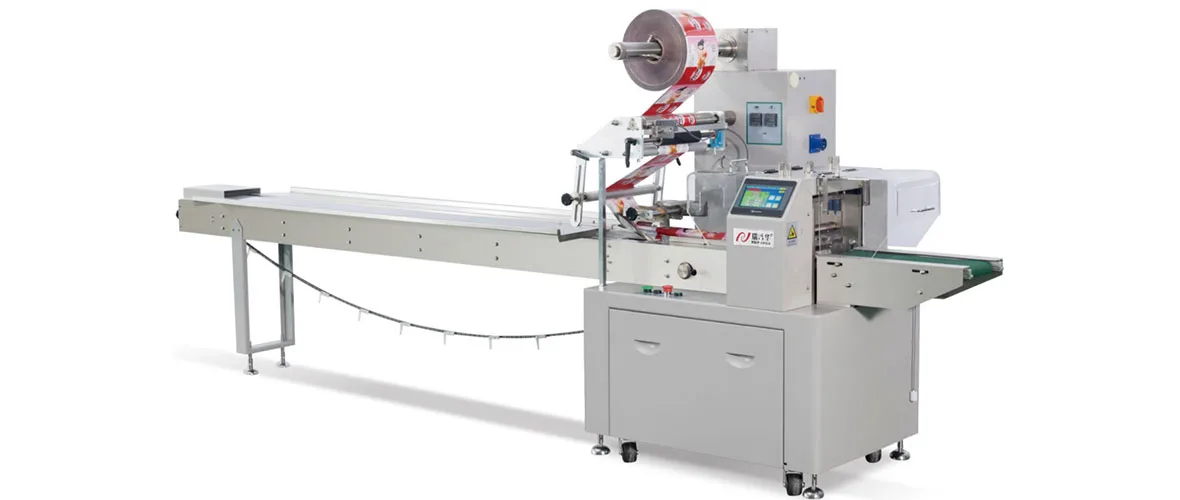
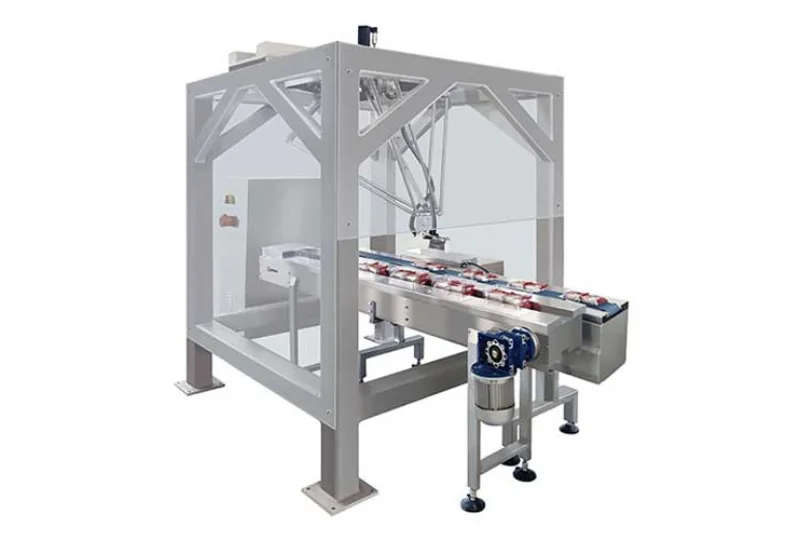
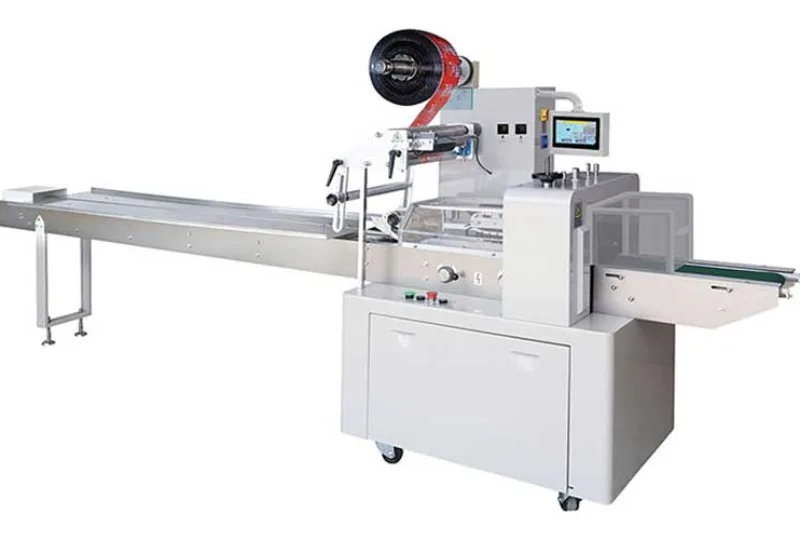
Automatic machines use advanced robotics and PLC controls to automate the packaging process. They offer faster speeds, reduced labor costs, and improved precision.
Advantages:
Faster packaging speed: Automatic machines can package bars at much higher rates, increasing production efficiency.
Improved accuracy: PLC controls ensure consistent packaging quality and sealing, minimizing product defects.
Reduced labor costs: Automation eliminates the need for multiple human operators, significantly reducing labor expenses.
Increased hygiene: Automated processes minimize human contact with food products, improving hygiene and product safety.
Disadvantages:
Higher upfront investment: Automatic machines are more expensive than manual machines.
Less flexibility: They may be limited to specific bar sizes and shapes, reducing their versatility for varied production runs.
Higher maintenance costs: Automatic machines have more complex mechanisms and require more specialized maintenance.
Choosing the Right Machine:
The choice between manual and automatic protein bar packaging machines depends on several factors, including:
Production volume
Bar size and shape
Packaging requirements (e.g., speed, accuracy, hygiene)
Budget
Long-term investment plans
Conclusion:
Both manual and automatic protein bar packaging machines have their advantages and disadvantages. Manual machines offer lower upfront costs and flexibility, while automatic machines provide faster speeds, increased accuracy, and reduced labor expenses. By carefully considering production needs and financial constraints, manufacturers can make an informed decision that optimizes their production efficiency and profitability.

-
01
How do I choose the right speed for a toas bread packaging line to avoid crushing soft loaves?
22-06-2026 -
 02
02Packaging Machinery: Beyond Sealing, Driving an Efficient, Smart, and Sustainable Future
21-01-2026 -
 03
03Automatic Tray Loading and Packaging Equipment: Boost Efficiency to 160 Bags/Minute
21-11-2025 -
 04
04Automatic Soap Packaging Machine: Boost Productivity with 99% Qualification Rate
21-11-2025 -
 05
05A Deep Dive into Automatic Toast Processing and Packaging System
18-11-2025 -
06
The Future of Bakery Production: Automated Toast Processing and Packaging System
18-11-2025 -
 07
07Reliable Food Packaging Solutions with China Bread, Candy, and Biscuit Machines
11-10-2025 -
 08
08High-Performance Automated Food Packaging Equipment for Modern Production
11-10-2025 -
09
Reliable Pillow Packing Machines for Efficient Packaging Operations
11-10-2025 -
 10
10Advanced Fully Automatic Packaging Solutions for Efficient Production
11-10-2025
