

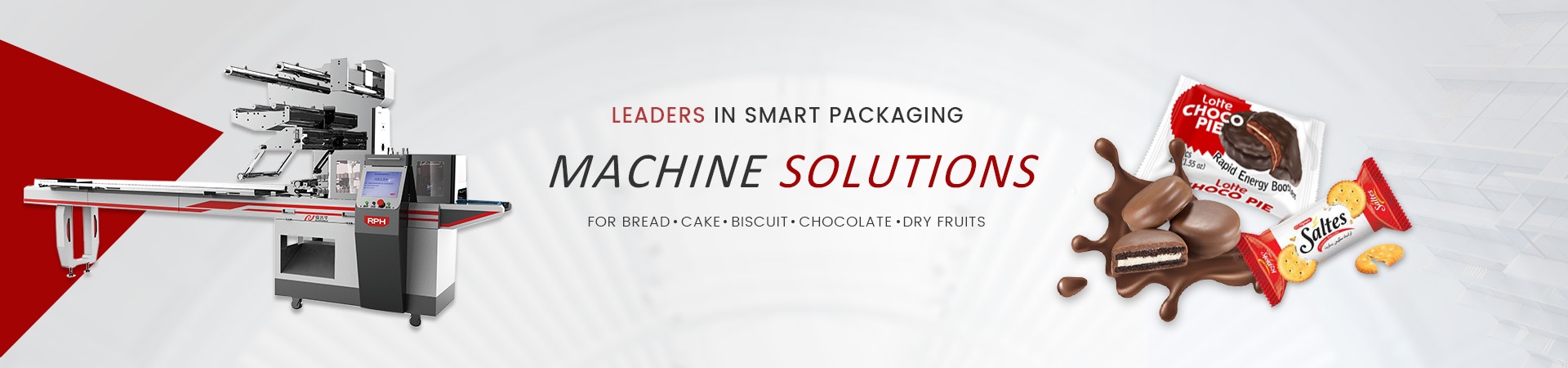
Comparing Pillow Wrapping Machinery with Manual Wrapping Solutions
Comparing Pillow Wrapping Machinery with Manual Wrapping Solutions: Automation vs. Elbow Grease
In the realm of packaging, the battle between automation and manual labor rages on. One of the most hotly contested frontiers is in the humble yet crucial task of pillow wrapping. As businesses grapple with rising costs and increasing demands for efficiency, the question arises: which approach reigns supreme?
The Case for Machinery
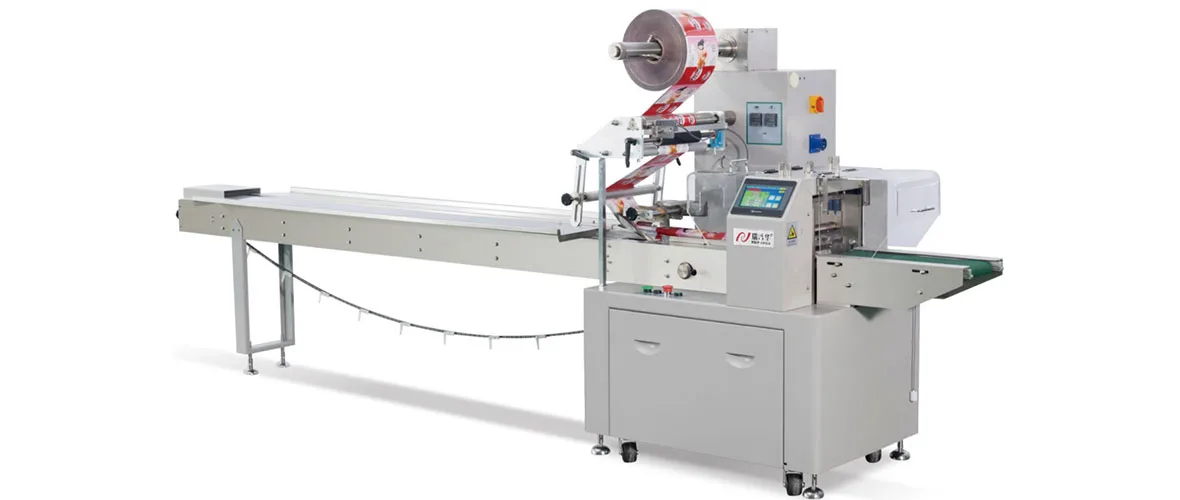
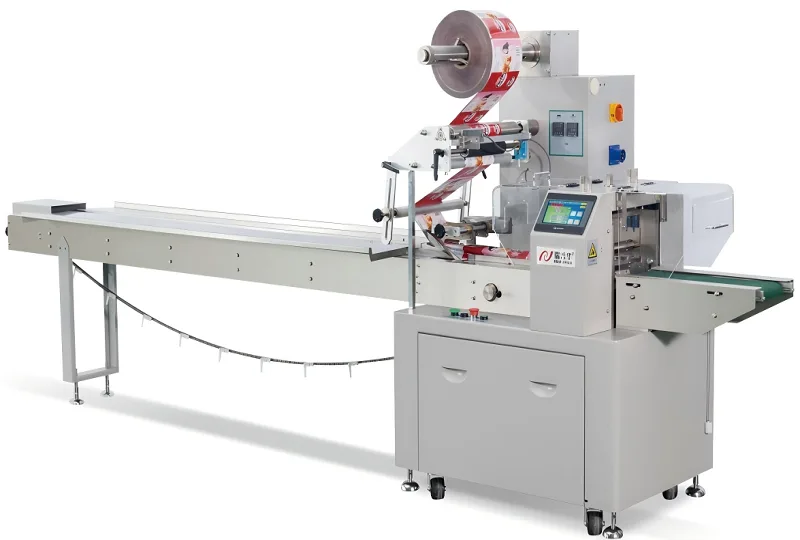
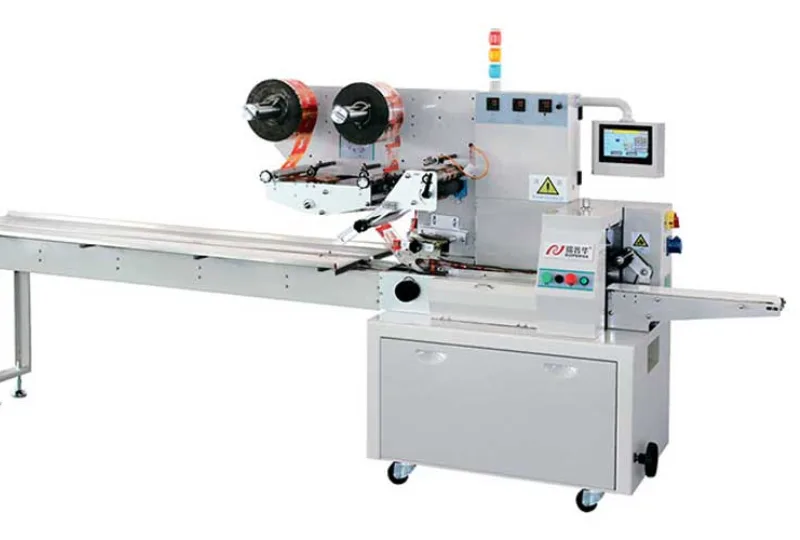
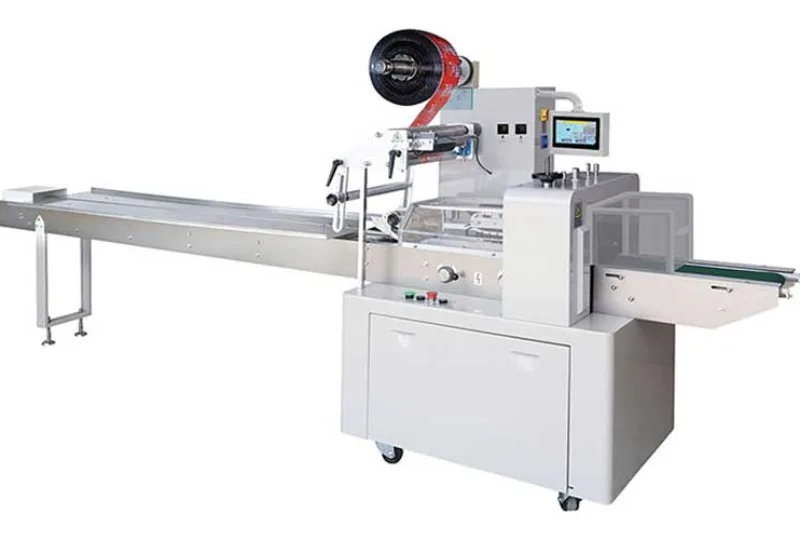
Pillow wrapping machinery offers an unparalleled level of automation, freeing up human workers for more value-added tasks. These machines precisely cut and weld film, ensuring consistent and airtight seals that protect products from damage and contamination. Their high speed and accuracy enable businesses to meet tight production schedules and handle large volumes efficiently.
Furthermore, automated systems reduce the risk of operator error and injury, which can lead to significant savings in downtime and insurance costs. Additionally, they promote a cleaner and more controlled packaging environment, minimizing the chance of product contamination.
The Case for Manual Wrapping
Despite the advantages of automation, manual wrapping solutions still hold sway in some scenarios. For small-scale operations or niche products, the investment in machinery may not be justified. Manual wrapping allows for greater flexibility and customization, enabling businesses to accommodate unique packaging requirements and shapes.
Moreover, manual wrapping retains a tactile element that can be beneficial for ensuring product quality. Operators can inspect each item closely and make adjustments as needed. This human touch can be particularly important for fragile or valuable products.
Making the Decision
The choice between pillow wrapping machinery and manual wrapping solutions depends on a range of factors, including:
Production volume: Machinery excels for high-volume operations where speed and efficiency are paramount.
Product characteristics: Fragile or oddly shaped products may be better suited for manual wrapping.
Packaging requirements: Tight seals and consistent appearance favor machinery, while customization requires manual intervention.
Labor costs: In areas with high labor costs, automation may provide a cost-effective advantage.
Conclusion
The debate between pillow wrapping machinery and manual wrapping solutions is as old as the packaging industry itself. While both approaches have their merits, automation provides undeniable advantages for businesses seeking efficiency, quality, and cost savings. However, manual wrapping remains a viable option for small-scale operations and specific product requirements. Ultimately, the best solution depends on the unique needs and circumstances of each business.

-
01
How do I choose the right speed for a toas bread packaging line to avoid crushing soft loaves?
22-06-2026 -
 02
02Packaging Machinery: Beyond Sealing, Driving an Efficient, Smart, and Sustainable Future
21-01-2026 -
 03
03Automatic Tray Loading and Packaging Equipment: Boost Efficiency to 160 Bags/Minute
21-11-2025 -
 04
04Automatic Soap Packaging Machine: Boost Productivity with 99% Qualification Rate
21-11-2025 -
 05
05A Deep Dive into Automatic Toast Processing and Packaging System
18-11-2025 -
06
The Future of Bakery Production: Automated Toast Processing and Packaging System
18-11-2025 -
 07
07Reliable Food Packaging Solutions with China Bread, Candy, and Biscuit Machines
11-10-2025 -
 08
08High-Performance Automated Food Packaging Equipment for Modern Production
11-10-2025 -
09
Reliable Pillow Packing Machines for Efficient Packaging Operations
11-10-2025 -
 10
10Advanced Fully Automatic Packaging Solutions for Efficient Production
11-10-2025
