

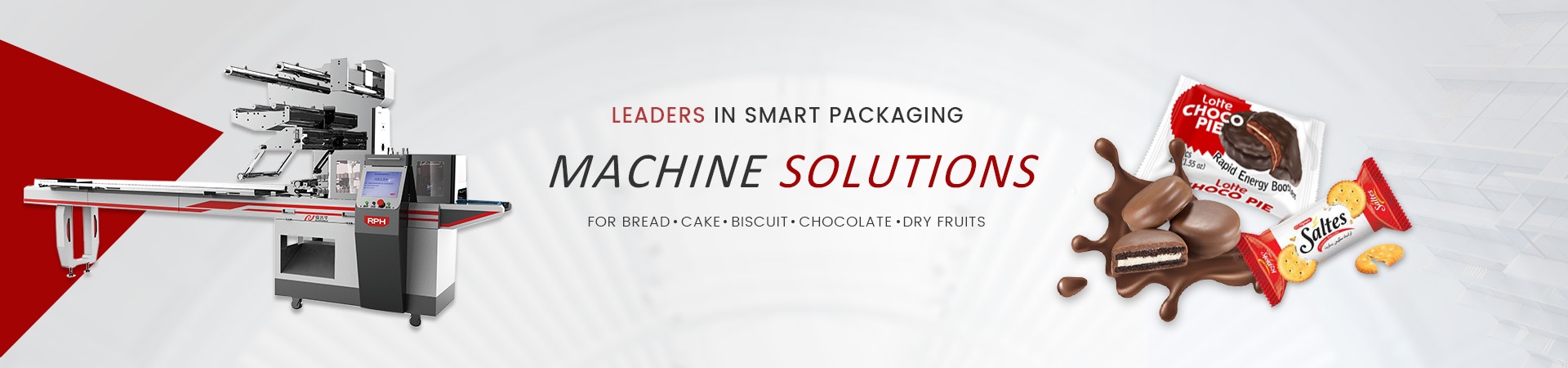
How to Select the Right Packaging Materials for Your Energy Bar Packaging Machine
Energy bars are a popular and convenient snack option for people on the go. They are also a popular choice for athletes and outdoor enthusiasts. As a result, there is a growing demand for energy bar packaging machines. However, choosing the right packaging materials for your machine is essential to ensure that your products are protected and remain fresh. Here are a few factors to consider when selecting packaging materials for your energy bar packaging machine:
Material Type
The first step is to choose the type of material you want to use. There are a variety of materials available, each with its own advantages and disadvantages. The most common types of materials used for energy bar packaging are:
Plastic:
Plastic is a lightweight and inexpensive material that can be easily formed into a variety of shapes and sizes. It is also moisture-resistant, which helps to keep energy bars fresh. However, plastic can be difficult to recycle, and it can also leach chemicals into food.
Paper:
Paper is a biodegradable and renewable resource that is easy to recycle. It is also a good insulator, which helps to keep energy bars cool and fresh. However, paper is not as moisture-resistant as plastic, and it can be easily torn or damaged.
Foil:
Foil is a lightweight and flexible material that is moisture-resistant and opaque. It is also a good conductor of heat, which helps to keep energy bars warm or cool. However, foil can be expensive, and it can be difficult to recycle.
Thickness
The thickness of the packaging material is also an important consideration. The thicker the material, the more protection it will provide for your energy bars. However, thicker materials can also be more expensive and difficult to work with. The ideal thickness for your packaging material will depend on the type of energy bars you are packaging and the amount of protection you need.
Sealing
The way the packaging is sealed is also important. There are a variety of sealing methods available, each with its own advantages and disadvantages. The most common sealing methods used for energy bar packaging are:
Heat sealing:
Heat sealing is a process in which the edges of the packaging material are melted together. This creates a strong and durable seal that is moisture-resistant. However, heat sealing can also damage the packaging material if it is not done properly.
Cold sealing:
Cold sealing is a process in which the edges of the packaging material are pressed together under high pressure. This creates a strong seal that is moisture-resistant. However, cold sealing can be more expensive than heat sealing, and it can also be more difficult to do.
Adhesive sealing:
Adhesive sealing is a process in which a layer of adhesive is applied to the edges of the packaging material. This creates a strong seal that is moisture-resistant. However, adhesive sealing can be more expensive than heat sealing or cold sealing, and it can also be more difficult to do.
Printing
If you want to print your logo or other information on your packaging, you will need to choose a material that can be printed on. Some materials, such as plastic, can be easily printed on. Others, such as paper, may require a special coating before they can be printed on.
Cost
The cost of the packaging material is also an important consideration. The price of packaging materials can vary depending on the type of material, the thickness, and the sealing method. It is important to compare the prices of different materials before making a decision.
By following these tips, you can choose the right packaging materials for your energy bar packaging machine. This will help you to ensure that your products are protected and remain fresh.

-
01
How do I choose the right speed for a toas bread packaging line to avoid crushing soft loaves?
22-06-2026 -
 02
02Packaging Machinery: Beyond Sealing, Driving an Efficient, Smart, and Sustainable Future
21-01-2026 -
 03
03Automatic Tray Loading and Packaging Equipment: Boost Efficiency to 160 Bags/Minute
21-11-2025 -
 04
04Automatic Soap Packaging Machine: Boost Productivity with 99% Qualification Rate
21-11-2025 -
 05
05A Deep Dive into Automatic Toast Processing and Packaging System
18-11-2025 -
06
The Future of Bakery Production: Automated Toast Processing and Packaging System
18-11-2025 -
 07
07Reliable Food Packaging Solutions with China Bread, Candy, and Biscuit Machines
11-10-2025 -
 08
08High-Performance Automated Food Packaging Equipment for Modern Production
11-10-2025 -
09
Reliable Pillow Packing Machines for Efficient Packaging Operations
11-10-2025 -
 10
10Advanced Fully Automatic Packaging Solutions for Efficient Production
11-10-2025
