

Manual vs. Automated Protein Bar Packing Machines- A Comparative Guide
In the thriving fitness industry, protein bars have emerged as indispensable nutritional supplements. To efficiently package these protein-rich bars, manufacturers have the option of choosing between manual and automated bar packing machines. Each type offers unique advantages and considerations, and selecting the most suitable option depends on the scale of operations, budget, and specific requirements. This article provides a comprehensive comparative guide to help you make an informed decision.
Efficiency and Speed
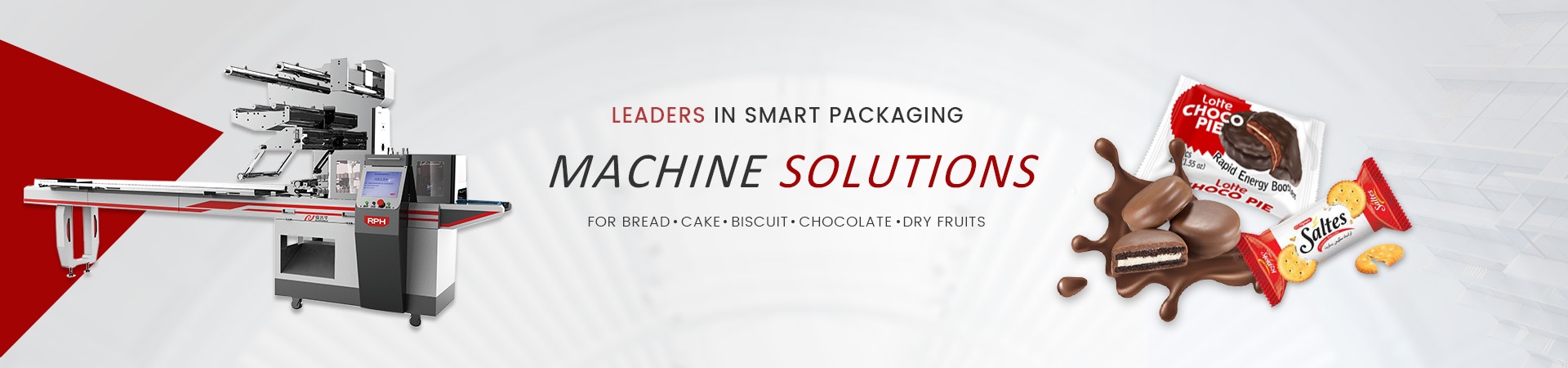
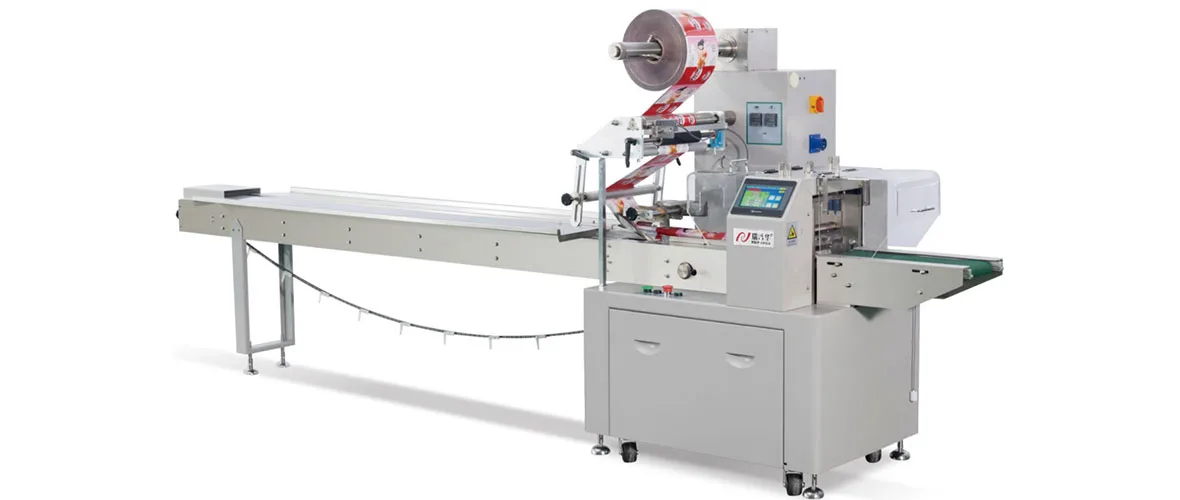
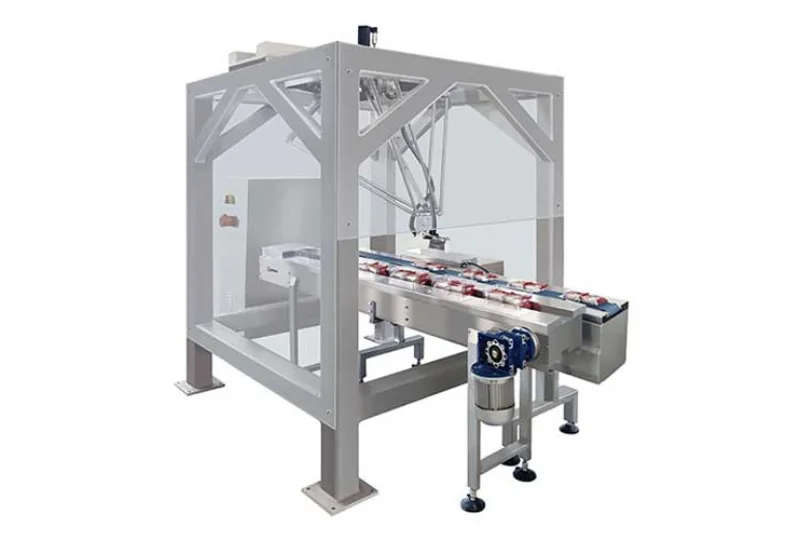
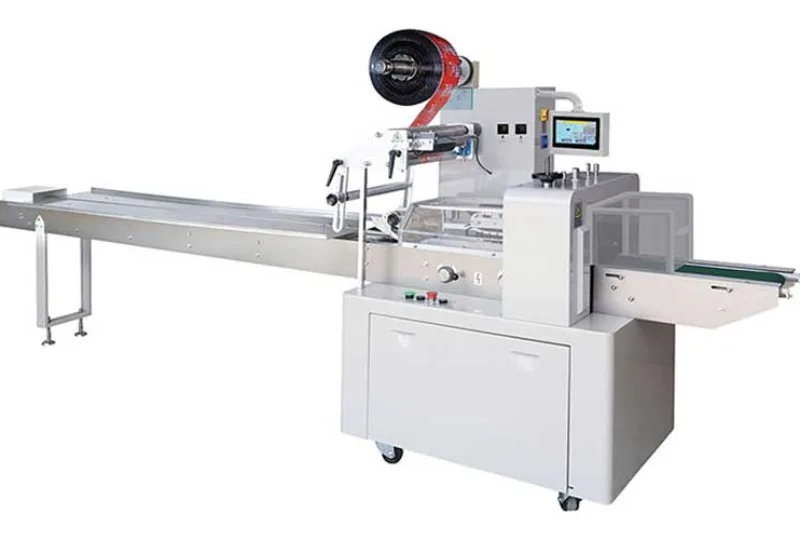
Automated protein bar packing machines excel in efficiency and speed. They feature high-precision robotics and conveyor systems that can quickly and accurately pack bars in various formats. Advanced models can handle complex packaging styles, such as individual wrapping, multi-packs, and customized designs. In contrast, manual packing is labor-intensive and prone to human error, resulting in lower throughput and slower production times.
Labor and Operating Costs
Automated machines require a significant upfront investment but offer long-term cost savings by reducing labor requirements. They can run 24/7 with minimal supervision, allowing manufacturers to maximize production capacity and reduce overtime pay. Manual packing, on the other hand, relies on human labor, resulting in higher labor and overhead costs. However, for small-scale operations, manual packing may be a more cost-effective option.
Flexibility and Customization
Manual packing machines offer flexibility in terms of packaging sizes, shapes, and styles. They can easily adjust to accommodate changes in product requirements or packaging formats. However, automating packing processes limits flexibility, as machines are designed for specific formats and may not handle different bar sizes or shapes with the same efficiency.
Quality and Precision
Automated packing machines provide consistent and precise packaging, minimizing the risk of packaging defects. Their automated systems ensure accurate placement of bars, even distribution of product, and reliable sealing, resulting in a high-quality finished product. Manual packing, while capable of producing quality packaging, is subject to human error, which can lead to inconsistent results or packaging issues.
Sanitation and Hygiene
Automated packing machines are designed with sanitary features to maintain a clean and hygienic production environment. They minimize product contact with human hands, reducing the risk of contamination. The sealed packaging process also prevents external contaminants from entering the bar, ensuring product safety and quality. Manual packing, on the other hand, requires direct human handling, increasing the potential for contamination.
Conclusion
The decision between manual and automated protein bar packing machines depends on several factors, including production volume, labor availability, budget, and specific packaging requirements. Automated machines offer efficiency, speed, and precision at higher upfront costs, while manual machines provide flexibility at lower labor costs but may compromise on speed and consistency. By carefully considering these factors, manufacturers can select the most suitable option to meet their unique production needs and optimize their packaging processes.

-
01
How do I choose the right speed for a toas bread packaging line to avoid crushing soft loaves?
22-06-2026 -
 02
02Packaging Machinery: Beyond Sealing, Driving an Efficient, Smart, and Sustainable Future
21-01-2026 -
 03
03Automatic Tray Loading and Packaging Equipment: Boost Efficiency to 160 Bags/Minute
21-11-2025 -
 04
04Automatic Soap Packaging Machine: Boost Productivity with 99% Qualification Rate
21-11-2025 -
 05
05A Deep Dive into Automatic Toast Processing and Packaging System
18-11-2025 -
06
The Future of Bakery Production: Automated Toast Processing and Packaging System
18-11-2025 -
 07
07Reliable Food Packaging Solutions with China Bread, Candy, and Biscuit Machines
11-10-2025 -
 08
08High-Performance Automated Food Packaging Equipment for Modern Production
11-10-2025 -
09
Reliable Pillow Packing Machines for Efficient Packaging Operations
11-10-2025 -
 10
10Advanced Fully Automatic Packaging Solutions for Efficient Production
11-10-2025
